
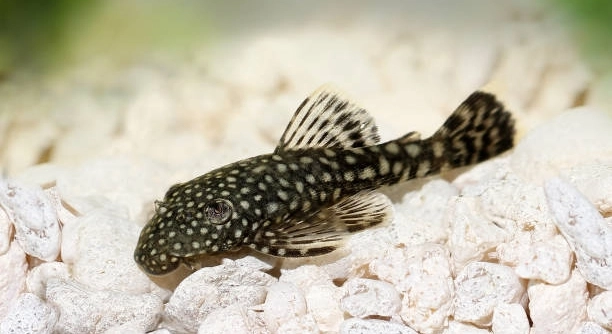
Do you ever notice your pleco hiding more than usual when you first bring it home? Adjusting to a new tank can take time, and each fish has its own pace for feeling comfortable and secure.
Plecos show signs of settling in through consistent feeding behavior, exploring their surroundings, maintaining clean fins, resting in familiar spots, interacting calmly with tank mates, displaying regular breathing patterns, and showing healthy growth. Monitoring these indicators helps assess their adaptation progress.
Observing these behaviors closely will make it easier to support your pleco and ensure it thrives in its new environment.
Finding Their Favorite Spot
When plecos first arrive, they often explore the tank slowly, searching for areas that feel safe. Over time, they tend to return to one or two spots repeatedly. These are usually near decorations, driftwood, or under plants, where they can hide yet still access food easily. Watching where your pleco rests can give you clues about its comfort level. Some plecos prefer higher areas with gentle water flow, while others like the tank bottom where they can graze on algae. Their repeated presence in a particular spot shows that they are becoming familiar with the environment and feel secure enough to rest. Changes in water temperature or tank layout may temporarily affect this behavior, but most plecos will resume their chosen areas once conditions stabilize. By observing their favorite spots, you can also plan feeding times and decorations to make them feel even more at ease.
Plecos returning to the same spots consistently is a strong sign of comfort and adjustment.
Understanding their resting preferences helps in providing the right tank setup. Consistent observation allows you to notice early signs of stress or discomfort, such as reluctance to leave a spot or sudden hiding in unusual areas. Adjusting decorations, hiding places, and water flow can encourage natural behaviors, making them feel more secure. By responding to their preferred locations and maintaining a stable environment, you create a space where plecos thrive physically and mentally, promoting healthy growth, reduced stress, and increased interaction with their surroundings. Over time, this attention to their resting habits ensures a balanced tank environment that benefits all aquatic inhabitants.
Steady Eating Habits
A pleco that starts eating regularly shows it is beginning to feel comfortable in its tank.
Plecos that explore food confidently and return to feeding areas without hesitation are adapting. Observing their feeding patterns is essential to ensure proper nutrition.
Monitoring diet consistency helps detect both health and environmental adjustments. In the first few days, plecos may nibble cautiously or ignore food entirely. As they settle, feeding becomes predictable, and they may even graze alongside other tank mates. Providing a mix of algae wafers, vegetables, and occasional protein ensures balanced nutrition. Noting what times they prefer to eat and where in the tank they feed most comfortably can guide you in arranging tank decor. Feeding behavior also reflects stress levels—hesitant or irregular eating may indicate water quality issues or discomfort with tank companions. Tracking these habits over several weeks offers a clear picture of your pleco’s acclimation progress, allowing you to make changes that promote long-term health and a thriving aquatic environment.
Interacting Calmly With Tank Mates
Plecos that are settling in often swim alongside other fish without aggression. They may occasionally chase or defend territory but generally show calm behavior. Observing these interactions can indicate how well they feel in the tank and their confidence in the environment.
Plecos gradually learn to navigate around other fish while claiming their own space. Calm swimming, grazing near other species, and not hiding constantly are signs of adaptation. They may assert boundaries but rarely escalate to constant fighting. These behaviors suggest the pleco has begun to understand tank dynamics and feels secure enough to interact without fear. Ensuring enough hiding spots and proper tank size helps maintain peaceful relationships and reduces stress for all inhabitants.
Monitoring their behavior over time provides insight into social comfort. Adjusting feeding locations and adding décor can encourage positive interactions and minimize territorial disputes. Consistent observation also allows quick action if aggressive patterns appear, supporting a harmonious tank environment.
Healthy Growth Indicators
A pleco showing steady growth is a sign it is adapting and thriving. Proper feeding and clean water are essential for this process.
Healthy growth in plecos is measured by consistent size increase, vibrant coloration, and firm fins. Regular observation allows you to track development and detect early signs of illness. Providing a balanced diet, including algae wafers, vegetables, and occasional protein, supports natural growth patterns. Stable water conditions, including temperature, pH, and cleanliness, also play a critical role. A pleco that eats well and grows steadily is likely comfortable in its environment, responding positively to tank conditions and care.
Growth should be gradual and consistent. Sudden changes may indicate stress, disease, or nutritional imbalance. Monitoring both physical size and behavior helps ensure plecos develop properly. Maintaining a routine feeding schedule, providing ample hiding spaces, and avoiding overcrowding encourages continuous growth. Regular water testing and maintenance prevent harmful fluctuations, supporting overall health. By paying attention to these factors, your pleco can maintain healthy development, remain active, and integrate successfully into the tank ecosystem.
Regular Resting Patterns
Plecos that are settling in tend to establish predictable resting times. They often choose specific spots in the tank where they feel safe. Consistent rest is a key indicator of comfort and reduced stress.
Watching your pleco’s sleep patterns helps identify their comfort level. Sudden changes may signal stress or health issues.
Exploring the Tank
As plecos adjust, they begin to explore more of the tank. They inspect decorations, substrate, and hiding spots while maintaining cautious behavior. Gradual exploration shows they are becoming confident. Encouraging safe exploration with sufficient hiding spaces and gentle water flow helps them feel secure while investigating new areas. Over time, this exploration becomes more consistent and coordinated with feeding and resting habits, reflecting overall adaptation. Observing these movements can reveal preferences for certain areas and highlight any potential territorial behavior. A pleco that moves around regularly and interacts with its surroundings demonstrates healthy acclimation and increasing comfort in the environment.
Stable Breathing
Plecos that feel comfortable maintain regular, steady breathing without rapid gill movement. This is a sign of reduced stress and healthy tank conditions.
How long does it take for a pleco to settle in?
Most plecos begin to show signs of settling within one to three weeks, depending on tank conditions, size, and individual temperament. Smaller plecos may adapt faster, while larger or more territorial species can take longer. Consistency in water parameters and minimizing disturbances helps accelerate this adjustment period.
What are the first signs my pleco is comfortable?
A settling pleco will explore the tank without hiding constantly, rest in consistent spots, and eat regularly. Calm interactions with tank mates, steady breathing, and visible grazing on algae or provided food also indicate comfort. These behaviors suggest the fish is beginning to trust its environment.
Why does my pleco hide all the time?
Hiding is normal for new plecos, especially during the first days or weeks. Persistent hiding can indicate stress from water conditions, aggressive tank mates, or insufficient hiding spots. Monitoring water quality, providing decorations and caves, and giving the pleco time to adjust usually helps.
How can I encourage my pleco to explore more?
Ensure the tank has ample hiding spaces but also open areas for swimming. Gentle water flow, varied feeding locations, and minimal disturbances promote exploration. Gradual rearrangement of decorations can spark curiosity without causing stress. Observing where your pleco goes most often reveals preferred areas and habits.
What is a healthy feeding routine for a settling pleco?
Feed small portions once or twice a day, including algae wafers, vegetables, and occasional protein. Avoid overfeeding, as uneaten food can degrade water quality. Monitoring which foods your pleco prefers and feeding in consistent locations supports both nutrition and adaptation.
How can I tell if my pleco is stressed?
Signs of stress include rapid breathing, clamped fins, erratic swimming, refusal to eat, and excessive hiding. Environmental issues like poor water quality, overcrowding, or sudden changes in temperature can trigger stress. Early detection allows quick intervention, improving health and comfort.
Is it normal for plecos to interact with other fish?
Yes, calm interactions with tank mates are normal once a pleco feels secure. Occasional chasing is natural but persistent aggression should be addressed. Ensuring enough territory and hiding spots prevents conflicts and promotes a harmonious tank environment.
Can water conditions affect settling?
Absolutely. Stable temperature, pH, and clean water are critical. Sudden changes can stress plecos and delay adaptation. Regular water testing, consistent maintenance, and avoiding overcrowding create a safer environment that helps your pleco feel secure more quickly.
How do I monitor growth and health?
Track size, coloration, and fin condition weekly. A healthy pleco grows steadily, shows vibrant color, and maintains firm fins. Sudden changes in size, color, or behavior may indicate illness or stress, requiring attention to diet, water quality, and tank conditions.
When should I seek advice from a professional?
If your pleco shows persistent hiding, erratic swimming, rapid breathing, or refuses food for more than a few days, consult an aquatic veterinarian or experienced aquarist. Early intervention ensures your pleco’s long-term health and comfort in its tank.
This FAQ covers the key aspects of recognizing and supporting a pleco as it settles in, from behavior and feeding to tank conditions and health monitoring, offering practical guidance for a thriving fish.
Settling a pleco into a new tank takes patience and careful observation. Each fish adjusts at its own pace, and recognizing the subtle signs of comfort can make a big difference in their well-being. Plecos that rest in consistent spots, eat regularly, and explore their environment calmly are showing that they are becoming familiar with their surroundings. These behaviors are important indicators that the fish is adapting, and noticing them early allows you to provide the best possible care. By paying attention to where your pleco likes to hide, what areas of the tank it prefers, and how it interacts with other tank mates, you can better understand its needs. Small changes in the tank, such as adjusting decorations or providing additional hiding places, can help a pleco feel safer and more secure.
Feeding routines and proper nutrition also play a major role in a pleco’s adjustment. A fish that eats consistently and shows interest in its food is generally more comfortable. Providing a balanced diet of algae wafers, vegetables, and occasional protein encourages healthy growth while reinforcing predictable daily routines. Observing when and where your pleco prefers to feed gives insight into its comfort level and can guide how you manage feeding times and locations. Consistent water quality is equally essential. Temperature, pH, and cleanliness all influence stress levels and overall health. Maintaining a stable and well-monitored environment ensures that your pleco has fewer reasons to hide or display anxious behaviors, making it easier for them to settle in.
Finally, patience and careful monitoring are key to a pleco’s long-term success in the tank. Not every behavior change is immediate, and some fish may take several weeks to fully feel comfortable. Regularly checking for signs of stress, tracking growth, and observing interactions with tank mates helps ensure your pleco remains healthy and content. Paying attention to small details, like steady breathing, calm swimming, and consistent resting spots, provides valuable insight into how well your pleco has adapted. Creating a stable environment with enough space, hiding places, and proper nutrition supports both comfort and healthy development. Over time, these efforts result in a pleco that not only survives but thrives, becoming a confident and active part of your aquarium.

Hello,
If you enjoy the content that we create, please consider saying a "Thank You!" by leaving a tip.
Every little bit helps us continue crafting quality advice that supports the health, happiness, and well-being of pets around the world, for pets of all shapes, sizes, and species.
We really appreciate the kindness and support that you show us!