
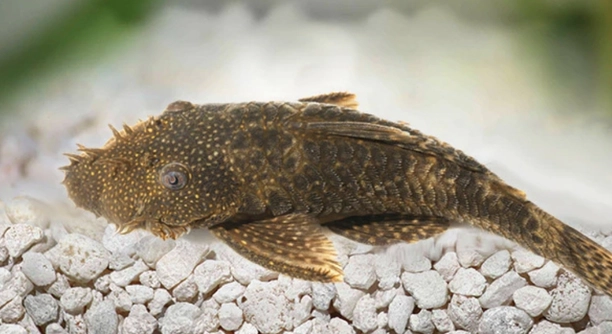
Many aquarists notice that plecos often choose to stay in one cave for long periods. These fish seem comfortable in familiar spaces, showing a preference for stability and security in their environment.
Plecos may linger in the same cave primarily due to territorial behavior, safety, and consistent access to food. Remaining in a single location reduces stress, allows for established hiding spots, and supports their natural instincts to claim and defend a secure area.
Learning about these behaviors can help you provide a healthier tank environment and ensure your pleco feels safe and supported.
The Role of Territory
Plecos are naturally territorial fish, and this behavior greatly influences why they remain in one cave. In a tank, they often pick a preferred hiding spot where they feel most secure. By claiming a cave, plecos reduce stress and establish a sense of control over their environment. This behavior also limits conflict with other tank mates. The cave acts as a personal space where they can rest during the day, feed safely, and retreat from disturbances. Over time, plecos can become attached to this location because it provides consistent protection. Even in larger tanks with multiple hiding spots, many plecos display a strong preference for a single cave. Their territorial instinct helps maintain stability in their habitat and encourages natural behaviors such as cleaning surfaces or grazing on algae nearby. Observing a pleco in its cave can reveal a lot about how it interacts with its surroundings and establishes its domain.
Territory gives plecos a sense of safety and stability, keeping stress levels low and behavior predictable within their tank environment.
Understanding these territorial tendencies allows aquarists to arrange caves and decorations in ways that support plecos’ natural instincts. Providing multiple hiding spots reduces aggression and ensures each fish has a secure area. When introducing new plecos, it’s important to monitor interactions to prevent disputes over caves. Some plecos may share space peacefully, while others insist on a single location. Observing their behavior helps identify signs of stress or dominance. Maintaining clean and stable water conditions near their chosen cave supports comfort and encourages long-term residence. By recognizing the importance of territory, caretakers can foster a healthier and more balanced tank. Additionally, offering variety in hiding places allows plecos to explore safely while still respecting their preferred space. Ultimately, catering to these instincts results in calmer fish, fewer injuries, and an overall well-maintained aquatic environment.
Safety and Comfort
A cave provides plecos with protection from bright light and sudden disturbances, creating a secure retreat in the tank.
Plecos prefer calm environments where they feel shielded from potential threats. Darkness and narrow spaces mimic natural hiding spots found in rivers, making caves ideal. Comfort in these areas encourages consistent feeding and restful periods. By offering suitable caves, aquarists can support the fish’s natural behaviors, reduce stress, and enhance overall well-being. Observing plecos in their caves can also reveal preferences for size, shape, or location, helping to optimize tank design. Careful placement of caves prevents conflicts while providing each fish with a safe zone. Over time, plecos may spend hours in these spaces, using them as both refuge and base for activity. Maintaining clean, secure caves ensures they remain appealing and reinforces the sense of safety that plecos seek. Properly considering safety and comfort when arranging their environment strengthens the fish’s confidence and encourages natural habits, contributing to a more harmonious tank ecosystem.
Consistent Food Access
Plecos often stay near caves that are close to reliable food sources. Algae, leftover pellets, or vegetable supplements nearby encourage them to remain in the same spot, reducing energy spent searching for nourishment.
Proximity to food reinforces their choice of cave as a permanent resting place. Plecos tend to graze throughout the day, so a location with easy access allows them to feed while remaining safe. If a cave is situated near surfaces with algae growth or near where regular feedings occur, plecos will spend more time there. This behavior is natural, as in rivers and streams, fish often select territories that provide both shelter and a steady food supply. By observing feeding patterns, aquarists can identify preferred caves and ensure food availability aligns with plecos’ habits, supporting their health and encouraging stability.
Maintaining consistent feeding near caves helps prevent stress and wandering, creating a more predictable and balanced environment. It also encourages natural grazing behavior without forcing the fish to travel far.
Social Behavior
Plecos can be influenced by the presence of other fish in the tank, which affects cave selection and time spent in one spot.
Some plecos may tolerate others nearby, while more territorial individuals will defend their cave aggressively. Observing social interactions is essential to avoid conflicts, especially in smaller tanks. Tank mates that are peaceful encourage a stable environment, allowing plecos to feel secure. Introducing plecos gradually and providing multiple hiding spots reduces tension and ensures each fish has a personal area. Social hierarchy can determine which fish claims the preferred cave.
Balancing social dynamics is crucial for maintaining harmony in a community tank. By offering enough caves, monitoring behavior, and separating overly aggressive individuals if necessary, aquarists can prevent injuries and stress. Social interactions influence how long plecos remain in one cave, their feeding patterns, and overall comfort. Understanding these dynamics allows for thoughtful tank design, supporting both the fish’s natural instincts and the caretaker’s ability to maintain a healthy, peaceful environment.
Environmental Stability
Plecos favor caves in areas with stable water flow and consistent temperature. Sudden changes in water movement or conditions can cause stress, prompting them to retreat or hide more frequently.
Stable lighting and minimal disturbances near a cave encourage plecos to remain in one location. Consistency helps them feel secure and reduces unnecessary energy expenditure.
Preferred Cave Characteristics
Plecos often choose caves that match their size, offer a snug fit, and provide shelter from light. Rounded edges, smooth surfaces, and a quiet location make certain caves more appealing. These preferences ensure comfort, safety, and ease of movement, influencing how long a pleco will occupy a specific cave. Properly designed caves allow them to rest and feed without stress, supporting natural behaviors. Observing which caves plecos prefer helps aquarists select suitable decorations and optimize the tank environment for long-term satisfaction and security.
Long-Term Attachment
Once a pleco settles into a preferred cave, it may return repeatedly, forming a strong attachment over time.
FAQ
Why does my pleco only stay in one cave?
Plecos are naturally territorial and feel safest in a space they can call their own. A single cave provides security, shelter from bright light, and a base near consistent food sources. Over time, they become comfortable with this spot and are less likely to explore other areas.
Can plecos share caves with other fish?
Some plecos tolerate others nearby, but many are territorial and will defend their cave aggressively. Introducing plecos gradually and providing multiple hiding spots reduces conflicts. Observing interactions helps determine which fish can coexist peacefully and which may need separate spaces.
Does cave size matter for plecos?
Yes. Plecos prefer caves that fit their size snugly but allow movement. Too small, and they feel trapped; too large, and they may feel exposed. Rounded edges and smooth surfaces also make caves more appealing, providing comfort and safety.
How important is the cave location in the tank?
Cave placement is critical. Plecos prefer stable areas with gentle water flow, consistent temperature, and minimal disturbances. Locating caves near feeding areas or algae surfaces encourages the fish to stay nearby, reduces stress, and supports natural grazing behavior.
Do plecos ever leave their caves?
Yes, plecos leave caves to feed, explore, or find new territories if conditions change. However, if their environment is comfortable and safe, they will spend the majority of their time in their chosen cave.
How can I encourage a pleco to use a new cave?
Introduce a cave in a quiet, low-traffic area of the tank with smooth edges and enough space. Placing food nearby helps attract the pleco. Over time, the fish may explore and adopt the new cave, especially if the old one is less accessible.
Is it normal for a pleco to become attached to one cave?
Yes. Long-term attachment is common and reflects their natural preference for stability. Once they feel safe and secure, plecos often return to the same cave repeatedly, using it as a resting place and feeding base.
Can stress cause a pleco to abandon its cave?
Yes. Changes in water quality, aggressive tank mates, or disturbances near the cave can make plecos leave temporarily. Maintaining stable conditions, clean water, and quiet surroundings helps prevent stress-related displacement.
How do I know if my pleco is happy in its cave?
A content pleco will remain in its cave without signs of constant agitation, hide when needed, and graze nearby. Healthy appetite, smooth movement, and calm behavior indicate satisfaction with its chosen space.
Do plecos prefer certain cave materials?
Plecos often favor smooth rocks, ceramic, or driftwood caves. Rough or sharp surfaces can cause injury, while natural-looking materials help mimic their natural environment and encourage regular use.
Can multiple plecos share one tank successfully?
Yes, if there are enough caves to reduce competition. Each pleco should have its own territory, especially in smaller tanks. Observing behavior and providing separate hiding spots ensures minimal stress and supports peaceful coexistence.
How often should I clean the cave?
Cleaning should be gentle and periodic to remove excess algae or debris without disturbing the fish too often. Maintaining water quality near the cave ensures a healthy environment, which plecos are more likely to continue using.
Do plecos sleep in caves?
Yes. Caves provide a dark, secure spot for resting. Plecos are nocturnal, so during the day they often remain in caves to sleep, emerging mainly at night to feed and explore.
What size tank works best for cave-happy plecos?
Tank size depends on the species. Larger plecos need more space and multiple hiding spots. Providing ample room and several caves allows them to establish territories and reduces stress from overcrowding.
Can a pleco have multiple favorite caves?
Some plecos explore and adopt secondary caves, especially in larger tanks. However, most have one preferred cave where they spend the majority of their time. Observing preferences helps optimize cave placement and tank layout.
How do I know if my pleco’s cave is too small?
Signs include the fish constantly bumping into walls, showing stress, or trying to escape. A proper cave allows movement, rest, and security without feeling confined. Choosing appropriately sized caves is essential for health and comfort.
Does lighting affect cave usage?
Yes. Plecos prefer darker areas and may avoid caves exposed to bright light. Providing shaded or partially hidden caves encourages them to settle and reduces stress.
Will plecos fight over caves?
Territorial conflicts can occur if caves are limited or overcrowded. Providing multiple hiding spots and monitoring interactions helps prevent aggression and ensures each pleco has a secure space.
Are certain pleco species more attached to caves?
Yes. Some species, like bristlenose plecos, are more territorial and cave-dependent, while others explore more freely. Understanding species-specific behaviors aids in tank setup and cave selection.
Can rearranging caves stress plecos?
Yes. Moving or removing preferred caves can cause stress. If changes are necessary, introduce new caves gradually and observe behavior to ensure comfort.
Do plecos use caves for breeding?
Some species use caves as breeding sites. A secure, dark, and enclosed space encourages spawning and provides a safe environment for eggs and fry. Providing multiple suitable caves supports reproductive behavior in appropriate species.
How long does it take for a pleco to accept a new cave?
It can vary from a few days to weeks. Patience is key, and placing food nearby increases the likelihood of adoption. Stability and minimal disturbances encourage quicker acceptance.
Should I monitor interactions near the cave?
Yes. Observing behavior ensures no aggression occurs and helps identify if adjustments in tank layout or cave number are needed. Proper monitoring maintains harmony and supports pleco well-being.
Do plecos mark their caves in any way?
While they don’t mark with scent like some animals, they often graze surfaces, leave slime trails, and maintain areas around the cave, signaling regular use and territorial claim.
How can I tell if my pleco is stressed about its cave?
Signs include constant hiding, aggression toward tank mates, loss of appetite, or erratic swimming. Addressing water quality, providing additional caves, and reducing disturbances can alleviate stress.
Is cave placement affected by water flow?
Yes. Plecos prefer moderate currents near their caves. Strong currents may discourage use, while stagnant water may reduce oxygenation. Positioning caves with gentle flow supports comfort and natural behavior.
Can changing tank decorations affect cave preference?
Yes. Rearranging decorations near the cave can make it less appealing or more exposed. Keeping the cave in a stable, quiet location ensures plecos continue using it consistently.
Do plecos require multiple caves in a tank?
Providing multiple caves reduces competition and stress, especially in community tanks or when housing more than one pleco. Each fish having its own space supports natural territorial instincts.
How does water quality impact cave use?
Poor water conditions can make plecos avoid their caves or become stressed. Regular maintenance, stable temperature, and clean water near caves encourage regular use and healthy behavior.
What materials should I avoid for caves?
Avoid sharp, rough, or toxic materials that can injure plecos or alter water chemistry. Stick to smooth rocks, driftwood, or ceramic caves suitable for aquatic environments.
Can plecos adapt to a cave in a new tank?
Yes. Plecos are adaptable but may take time to explore and claim a new cave. Patience, proper placement, and nearby food increase the likelihood of successful adaptation.
How do I balance multiple plecos and cave space?
Ensure enough caves for each fish, consider size and species, and monitor interactions. Adequate space prevents aggression, reduces stress, and supports peaceful coexistence.
Is it normal for plecos to leave their cave for feeding but return immediately?
Yes. This behavior reflects natural instincts to feed while maintaining a safe base. Returning to the cave ensures comfort and security after activity.
Do plecos prefer natural caves over artificial ones?
Many plecos favor natural-looking caves, such as driftwood or rock formations, as these mimic habitats in the wild. However, well-designed artificial caves can also provide comfort and security.
How often should I check the cave for maintenance?
Light inspections every week or two are sufficient. Remove excess algae, debris, or buildup without disturbing the fish too often. Consistent care maintains a healthy, appealing environment.
Can plecos use caves for hiding when ill?
Yes. Sick plecos often retreat to caves for safety. Monitoring behavior and ensuring proper care helps identify health issues early.
How do I prevent territorial disputes over caves?
Provide multiple caves, observe interactions, and separate aggressive individuals if needed. Proper tank layout and adequate hiding spots reduce stress and encourage peaceful coexistence.
Do plecos groom their caves?
Plecos often graze algae and maintain surfaces around their cave. This behavior keeps the area clean and signals regular use, supporting health and comfort.
Can cave placement affect pleco feeding habits?
Yes. Caves near feeding zones or algae growth encourage consistent grazing. Proper placement reduces stress and ensures easy access to food while maintaining a secure base.
Do plecos prefer dark or light caves?
Plecos prefer darker caves that mimic natural hiding spots. Shaded areas provide security, encourage resting, and reduce stress from bright lighting.
Are certain tankmates better suited with cave-dwelling plecos?
Peaceful, non-aggressive fish are ideal. Avoid territorial or fin-nipping species that may disturb the pleco’s cave, ensuring a calmer and more harmonious environment.
Do plecos ever change caves voluntarily?
Yes. Changes in tank conditions, food location, or social dynamics may lead plecos to explore and adopt a new cave.
How important is cave depth for plecos?
Depth matters. A cave should be tall enough to allow the fish to move freely but not so open that it feels exposed. Proper depth supports comfort and security.
Can plecos use multiple caves simultaneously?
Some do explore multiple caves, especially in larger tanks. However, most maintain a single preferred cave for resting and feeding.
Do plecos hide in caves during the day?
Yes. Being nocturnal, plecos often stay in caves during daylight hours for rest and protection, emerging mostly at night for activity and feeding.
How can I tell if a pleco is stressed from cave competition?
Look for aggression, chasing, or avoidance behaviors. Providing additional caves and monitoring social interactions can alleviate stress and restore harmony.
Can plecos rearrange their own caves?
While they don’t move heavy objects, plecos may shift small decorations or graze surfaces, adjusting their environment slightly to improve comfort and accessibility.
Does water temperature influence cave preference?
Yes. Plecos prefer stable temperatures. Sudden changes may make them avoid certain caves or spend more time hiding to regulate stress.
Are caves necessary for all pleco species?
While not every species requires caves, most appreciate hiding spots for security, stress reduction, and natural behavior. Providing suitable spaces improves well-being.
Can plecos overuse a cave?
Yes. Spending excessive time in one cave may indicate stress or illness. Monitoring behavior ensures the fish is healthy and comfortable.
Do plecos leave traces of slime in caves?
Yes. Plecos produce slime coats that may be visible near cave entrances. This is normal and helps maintain skin health while marking their regular area.
How do I encourage shy plecos to use a cave?
Place a quiet, shaded cave with food nearby. Avoid disturbances, and give time for exploration. Gradual introduction increases the likelihood of adoption.
Is cave orientation important?
Yes. Caves facing calmer areas of the tank with gentle flow are preferred. Orientation affects security, feeding, and comfort for the pleco.
Can plecos coexist if all caves are similar?
Yes, but diversity in size, shape, and placement reduces disputes. Providing variety ensures each fish finds a preferred spot without conflict.
Do plecos hide in caves for more than safety?
Yes. Caves provide resting space, feeding base, and a secure location for breeding in some species. They serve multiple functional roles beyond protection.
How do I know if my pleco’s cave is too exposed?
Signs include the fish avoiding the cave, staying at the back, or showing nervous behavior. A more shaded, sheltered location is preferable.
Does the number of caves affect aggression levels?
Yes. Adequate caves reduce competition and aggression. Insufficient hiding spots can lead to stress, chasing, and territorial disputes.
Can plecos prefer caves near the substrate or mid-tank level?
Most prefer caves near the substrate, mimicking natural riverbeds, but some may explore mid-level hiding spots depending on tank design and species behavior.
Are caves important for nocturnal behavior?
Yes. Caves provide secure daytime resting spots, allowing plecos to be active at night without unnecessary stress from exposure or disturbances.
Do plecos groom themselves more in caves?
Yes. Resting in caves allows safe self-cleaning and grazing on algae, contributing to hygiene and comfort.
Can environmental changes make a pleco leave a cave permanently?
Significant disturbances, water quality issues, or aggressive tankmates can cause plecos to abandon a cave. Maintaining stability encourages continued use.
Is cave choice influenced by previous tank experiences?
Yes. Plecos may prefer familiar types of caves or spaces resembling previous environments, reflecting learned comfort and safety preferences.
Do plecos interact with other fish near their caves?
Yes. Territorial plecos may display defensive behavior, while others tolerate peaceful neighbors. Observation helps maintain harmony and avoid conflicts.
How long does it take for plecos to claim a cave?
It varies. Some claim immediately, while others take days or weeks. Patience and proper placement encourage consistent use.
Can multiple caves reduce stress in crowded tanks?
Yes. Providing enough hiding spots allows each pleco a personal territory, reducing stress, aggression, and competition.
Do plecos prefer horizontal or vertical caves?
Most prefer horizontal caves for resting and grazing, though vertical spaces can be explored. Shape should prioritize comfort, security, and accessibility.
Can cave orientation affect water flow benefits?
Yes. Proper orientation ensures gentle currents near the cave, supporting oxygenation without causing stress or deterring use.
Is cave location near filtration important?
Plecos may avoid caves directly in strong currents or near high turbulence. Gentle water flow nearby supports comfort and continued use.
Do plecos ever decorate their caves naturally?
Yes. By grazing algae, moving small debris, or adjusting surrounding substrate, plecos maintain and personalize their chosen space.
Can cave material affect health?
Yes. Safe, smooth materials prevent injuries and avoid altering water chemistry. Unsafe materials can cause harm or discourage use.
Do plecos prefer caves near tank edges or center?
Most favor edges or corners for security, feeling less exposed. Placement affects comfort, behavior, and stress levels.
How do I choose the best cave for my pleco?
Consider size, shape, material, location, and water flow. Ensure it provides security, comfort, and easy access to food while supporting natural behavior.
Can plecos live happily without caves?
Some can, but most benefit from hiding spots. Caves reduce stress, support natural behaviors, and improve overall health.
Does cave maintenance influence pleco behavior?
Yes. Clean, stable caves encourage use, while neglected or dirty caves may be avoided, affecting comfort and health.
Do plecos ever fight over the same cave repeatedly?
Yes, if caves are limited or space is overcrowded. Multiple options reduce aggression and support natural territorial instincts.
Can plecos change cave preferences over time?
Yes. Changes in tank conditions, social dynamics, or food locations may prompt them to explore and adopt new caves.
Is it normal for plecos to ignore some caves entirely?
Yes. Fish often prefer certain shapes, sizes, or locations. Observing preferences helps optimize tank layout and cave placement.
Do plecos always sleep in caves?
Mostly, but some may rest in other sheltered areas. Caves provide the safest and most consistent resting environment.
Can introducing new caves disrupt established plecos?
Yes. Sudden changes can cause stress. Gradual introduction with food placement encourages exploration without conflict.
Are caves important for nocturnal feeding patterns?
Yes. Caves provide a safe base during the day, allowing plecos to feed at night without fear or stress.
Do plecos groom caves regularly?
Yes. Grazing algae and maintaining surfaces are natural behaviors that keep caves clean and support territorial claims.
Can caves influence breeding behavior?
Yes. Secure, dark caves encourage spawning in species that use enclosed spaces for eggs and fry. Proper cave availability supports reproductive activity.
How can I minimize cave-related stress?
Provide multiple appropriately sized caves, monitor interactions, maintain stable water conditions, and minimize disturbances near preferred hiding spots.
Do plecos use caves differently based on age?
Juveniles may explore more, while adults often settle into a preferred cave for security, feeding, and resting.
Can cave placement affect tank aesthetics?
Yes. Thoughtful placement balances fish comfort with visual appeal, supporting natural behavior without compromising design.
Do plecos prefer natural substrate near caves?
Yes. Sand or smooth gravel mimics natural habitats and enhances comfort around their chosen spaces.
Are caves necessary in planted tanks?
Even in planted tanks, caves provide secure hiding spots, reducing stress and supporting natural pleco behavior.
Do plecos interact with decorations near caves?
Yes. Decorations can be grazed, moved slightly, or used to enhance shelter, contributing to territorial and exploratory behavior.
How important is cave orientation to light direction?
Plecos prefer caves shielded from direct light. Proper orientation encourages resting, reduces stress, and supports natural nocturnal patterns.
Can plecos become overly attached to a single cave?
Yes. Over-attachment may indicate stress or lack of alternatives. Providing additional hiding spots helps balance comfort and exploration.
Do plecos show preferences for multiple cave types?
Some explore different shapes or materials, but most maintain a primary preferred cave for consistent use.
Can cave use indicate overall health?
Yes. Regular use, calm behavior, and grazing around caves are signs of well-being, while avoidance or agitation may indicate issues.
How can I observe cave behavior without stressing plecos?
Watch from a distance, minimize disturbances, and use indirect lighting. Patience allows natural behavior to be seen clearly.
Does cave material impact algae growth?
Yes. Porous surfaces may encourage algae, which plecos can graze. Smooth non-porous surfaces reduce buildup but may be less attractive.
**Can plecos adapt if a cave is removed
Final Thoughts
Plecos are fascinating fish with distinct behaviors, and their attachment to caves is a key part of their natural instincts. These fish often select a single cave as a safe space where they can rest, feed, and feel secure. A cave provides shelter from bright light, strong currents, and disturbances from tank mates. Over time, plecos form a strong connection with their chosen spot, returning repeatedly throughout the day and night. This behavior is not a sign of laziness or stubbornness, but rather an adaptation to ensure their safety and comfort. Providing the right type of cave in a suitable location allows plecos to thrive in captivity while maintaining behaviors that are natural to them in the wild.
Understanding why plecos linger in one cave helps aquarists create a more balanced and stress-free environment. Factors such as territory, consistent access to food, cave size, material, and water stability all influence their choice. Observing your pleco’s preferences can reveal important insights about their comfort and overall health. For example, a pleco that consistently hides in one cave may feel secure, while one that avoids its cave could be stressed or uncomfortable. Ensuring multiple hiding spots in a tank with more than one pleco is important to reduce aggression and support natural social behavior. In addition, keeping the cave clean, providing gentle water flow, and maintaining stable temperature and lighting can encourage long-term use and satisfaction.
Caves serve more than just a resting function for plecos; they support feeding, breeding, and natural grazing behaviors. By respecting these preferences, aquarists can foster a healthier, more harmonious tank environment. Over time, observing how plecos interact with their caves can inform adjustments to tank design, decoration, and feeding routines. It is important to remember that each pleco is an individual, and some may be more territorial or shy than others. Paying attention to their behavior and making small adjustments to their habitat can make a significant difference in their comfort and well-being. Providing an environment that aligns with these natural instincts allows plecos to exhibit their behaviors fully, ensuring a long, healthy, and balanced life in captivity.

Hello,
If you enjoy the content that we create, please consider saying a "Thank You!" by leaving a tip.
Every little bit helps us continue crafting quality advice that supports the health, happiness, and well-being of pets around the world, for pets of all shapes, sizes, and species.
We really appreciate the kindness and support that you show us!