
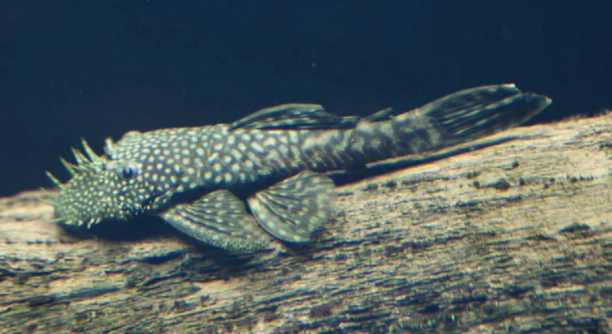
Are your plecos struggling to thrive in their tank despite your careful attention? Even experienced aquarists can make subtle mistakes that impact their health. Small errors in setup can create stress, illness, and long-term complications for these freshwater fish.
Common tank setup errors that affect pleco health include poor water quality, incorrect temperature, inadequate hiding spots, unsuitable substrate, insufficient filtration, improper lighting, and overstocking. Each factor directly influences their immune system, behavior, and overall wellbeing, making careful tank preparation essential.
Recognizing these errors early can prevent serious health problems and ensure your plecos live a longer, healthier life in a comfortable environment.
Poor Water Quality
Maintaining clean water is crucial for pleco health. Ammonia, nitrites, and nitrates can build up quickly in tanks, even with regular water changes. These toxins irritate gills, weaken the immune system, and make plecos more prone to disease. Many aquarists overlook testing water parameters frequently, relying solely on visible cleanliness. While the water may look clear, dangerous chemicals can still be present. Using a reliable test kit allows you to monitor ammonia, nitrite, nitrate, and pH levels accurately. Filtration systems must be cleaned and maintained, but avoid over-cleaning beneficial bacteria. Regular partial water changes of 20–30% weekly help reduce harmful substances without causing stress. Temperature and pH should match species requirements, as fluctuations also affect water chemistry. Avoid adding excess food or overfeeding, as decaying uneaten food contributes to poor water quality. Observation of pleco behavior can indicate early signs of stress, giving you a chance to adjust water parameters and improve tank conditions before serious illness occurs.
Poor water conditions can cause lethargy, clamped fins, and reduced appetite in plecos, signaling immediate corrective measures are needed.
Proper water management involves consistent testing, gradual changes, and attention to diet. Overfeeding, irregular cleaning, or unstable temperature can all worsen water quality. A balance between filtration, monitoring, and routine care ensures plecos remain healthy, active, and display natural behaviors. Keeping water parameters stable prevents chronic stress and supports growth, coloration, and reproduction. Patience in establishing a consistent schedule for maintenance is key, as sudden or extreme changes can be more harmful than minor, ongoing imperfections. Observing your plecos closely helps detect subtle signs of poor water conditions, allowing you to respond before more severe health issues develop. Establishing a healthy, balanced environment ensures plecos live longer, stronger, and enjoy a comfortable, stress-free habitat in your aquarium.
Inadequate Hiding Spaces
Plecos need hiding spots to feel secure and reduce stress.
Without caves, driftwood, or plants, they may become stressed, hide less, or develop health problems due to constant exposure.
Providing multiple hiding areas at different tank levels gives plecos control over their environment. Natural wood, rock caves, and dense plants mimic their natural habitat and allow for resting during daylight hours. Some species prefer burrowing in soft substrate, while others hide under logs or behind decorations. Hiding spaces also help reduce aggression among tank mates, as plecos can claim private areas without conflict. Rotating and rearranging decor occasionally keeps the environment interesting, encourages exploration, and reduces boredom. Observing which spots your plecos favor helps you understand their preferences and tailor the habitat accordingly. Adequate hiding spaces not only protect them physically but also promote mental well-being, making them more active and confident during feeding times. Ensuring these areas are safe, stable, and free from sharp edges prevents injuries and supports overall health.
Would you like me to continue with the next two sections following the same structure?
Incorrect Tank Temperature
Plecos need stable water temperatures that match their species requirements. Fluctuations or extremes can stress them, weaken immunity, and slow metabolism.
Keeping the tank within the recommended range requires a reliable heater and thermometer. Sudden drops or spikes in temperature can trigger illness. Some species, like bristlenose plecos, tolerate slightly cooler water, while others, such as common plecos, prefer warmer conditions. Adjust heaters gradually and monitor readings daily. Avoid placing the tank near drafts, air conditioners, or direct sunlight, as external factors can cause unexpected changes. Temperature stability supports digestion, activity, and overall health, preventing lethargy and disease.
Consistent water temperature also promotes proper feeding habits. Plecos may refuse food or become overly inactive if the tank is too cold or too warm. Maintaining the right environment encourages natural behavior and reduces stress, ensuring they remain active during feeding times.
Overstocking and Tank Size
Overcrowding limits swimming space and worsens water quality. Large plecos require ample room to grow and thrive.
Each pleco species has specific size needs. Common plecos can exceed 18 inches, so a small tank quickly becomes unsuitable. Overstocked tanks increase waste, strain filtration, and lead to higher ammonia and nitrate levels, which harm fish health. Adequate space also reduces aggression and stress among tank mates.
Proper tank sizing ensures plecos develop naturally, maintain body condition, and exhibit typical behaviors. Larger tanks allow hiding spaces, territories, and normal movement patterns. Underestimating adult size or adding too many fish disrupts balance, causing stunted growth, weakened immunity, and behavioral issues. Choosing the right tank from the start prevents long-term health problems and reduces maintenance challenges while creating a stable environment for all aquatic inhabitants.
Improper Filtration
A weak or poorly maintained filter cannot remove waste effectively. This leads to high ammonia and nitrate levels, which harm plecos.
Filters must match tank size and bio-load. Cleaning media gently preserves beneficial bacteria while ensuring water remains clear and safe for fish.
Wrong Substrate
Substrate choice affects pleco health. Sharp gravel can injure their delicate undersides, while soft sand allows natural digging and grazing behaviors. Avoid rough or jagged materials and ensure substrate is easy to clean, preventing trapped waste that can deteriorate water quality and stress plecos.
Inadequate Lighting
Excessive or insufficient light disrupts plecos’ day-night cycle. Bright lighting stresses nocturnal species, reducing activity and appetite. A subdued lighting schedule mimics natural conditions, promoting normal behavior and preventing stress-related health issues.
Overfeeding
Overfeeding leads to poor water quality and obesity. Plecos should be fed measured amounts appropriate to their size. Avoid leaving excess food, as decaying uneaten portions raise ammonia levels, strain filtration, and can cause digestive problems. Consistency in feeding helps maintain water quality and overall health.
FAQ
How often should I test the water for my pleco?
Testing water weekly is ideal to ensure ammonia, nitrite, nitrate, and pH levels are safe. Frequent checks allow early detection of harmful changes. Even small fluctuations can stress plecos, so consistent monitoring is necessary to maintain a stable and healthy environment.
What is the best temperature range for common plecos?
Common plecos thrive between 74°F and 80°F (23°C–27°C). Bristlenose plecos prefer slightly cooler temperatures around 72°F–78°F (22°C–26°C). Using a reliable heater and thermometer helps maintain this range. Sudden drops or spikes in temperature can cause stress, reduce appetite, and increase susceptibility to disease.
How many plecos can I keep in one tank?
Tank size and species determine how many plecos can live together. A large adult common pleco needs at least a 75-gallon tank, while smaller species like bristlenose plecos can live in 30–50 gallons. Overcrowding increases waste, stress, and aggression. Always provide hiding spaces for each pleco to reduce territorial conflicts.
What types of hiding spots are suitable for plecos?
Plecos benefit from driftwood, caves, rocks, and dense plants. These areas provide security during daylight and reduce stress. Some species prefer burrowing in soft sand, while others hide behind decorations. Rotating or adding new hiding spots occasionally encourages exploration and prevents boredom.
How do I prevent overfeeding my pleco?
Feed only what plecos can eat in a few minutes, usually once daily or every other day. Remove uneaten food promptly to prevent water contamination. A varied diet of algae wafers, vegetables, and occasional protein supplements keeps them healthy without overloading the tank with waste.
How often should I clean the filter?
Filter maintenance depends on the type and tank bio-load. Rinse filter media gently in tank water every 3–4 weeks to preserve beneficial bacteria. Avoid using tap water directly on media, as chlorine can kill bacteria. Cleaning ensures proper filtration while maintaining biological balance.
What substrate is best for plecos?
Soft sand or smooth, rounded gravel is ideal. Sharp or jagged substrates can injure the pleco’s belly and fins. Soft substrates also allow natural grazing and digging behaviors. Ensure substrate is easy to clean to avoid trapped waste, which can negatively impact water quality.
How can I tell if my pleco is stressed?
Signs of stress include clamped fins, hiding excessively, reduced activity, poor appetite, and unusual swimming patterns. Stress can result from poor water quality, temperature fluctuations, overcrowding, or insufficient hiding spots. Monitoring behavior helps identify problems before they affect long-term health.
Can plecos live with other fish?
Yes, most plecos coexist with community fish if tank size is adequate. Provide enough hiding spaces to reduce territorial disputes. Avoid aggressive species that may nip fins or harass plecos. Monitoring interactions ensures a peaceful environment for all tank inhabitants.
How often should I change the water in my pleco tank?
Perform weekly partial water changes of 20–30%. This helps reduce toxins like ammonia and nitrates without shocking the fish. Consistent water changes, combined with proper filtration, create a stable environment, supporting pleco health, growth, and activity.
What should I feed my pleco besides algae wafers?
Offer vegetables such as zucchini, cucumber, and spinach, blanched for easier digestion. Occasional protein sources like shrimp pellets or bloodworms can be included. A varied diet ensures balanced nutrition, supports immune function, and encourages natural foraging behaviors.
How can I prevent my pleco from getting sick?
Maintaining clean water, stable temperature, proper tank size, sufficient hiding spots, and a balanced diet are key. Regular observation for stress signs or abnormal behavior allows early intervention. Preventive care is more effective than treating illness after it appears, keeping plecos healthy long-term.
How large will my pleco grow?
Size depends on species. Common plecos can reach 18–24 inches, while bristlenose plecos grow up to 5–6 inches. Understanding adult size helps plan tank space and reduces stress caused by overcrowding. Proper nutrition and water quality also influence growth.
Is lighting important for plecos?
Plecos are nocturnal and prefer subdued lighting. Too much light can stress them and reduce activity. Providing shaded areas or dim lighting mimics their natural environment, encouraging natural behaviors like grazing, hiding, and resting during the day.
Can I keep multiple pleco species together?
Mixing species is possible with adequate space, hiding spots, and compatible temperaments. Larger, more aggressive species may intimidate smaller ones. Observe interactions carefully and separate fish if territorial disputes arise to ensure the health and safety of all tank inhabitants.
How do I introduce a new pleco to an established tank?
Acclimate the new pleco slowly using a drip method or gradual water mixing to reduce stress. Introduce hiding spaces before adding the fish. Monitor for signs of aggression or territorial disputes. A careful introduction helps the new pleco adjust safely while maintaining overall tank harmony.
What is the ideal pH for plecos?
Plecos generally prefer slightly acidic to neutral water, around pH 6.5–7.5. Regular testing helps maintain stable pH, preventing stress and supporting digestion. Avoid sudden pH changes, which can weaken immunity and cause behavioral problems.
How can I tell if my pleco is eating enough?
Check the amount of food consumed during feeding and observe body condition. A healthy pleco should be active and maintain weight. Reduced appetite or weight loss can indicate stress, illness, or poor water conditions, requiring prompt action.
What decorations are unsafe for plecos?
Avoid sharp or rough objects that can injure fins or undersides. Painted decorations may leach chemicals. Ensure all items are aquarium-safe, stable, and cannot trap fish. Safe decorations provide hiding spaces while preventing accidents that could compromise health.
How do I manage algae in a pleco tank?
Algae are a natural food source but can overgrow. Control lighting, maintain proper water changes, and avoid overfeeding. Plecos help reduce algae, but supplementing with algae wafers ensures they receive enough nutrition without relying solely on uncontrolled growth.
How long do plecos typically live?
Plecos can live 10–15 years, depending on species and care. Proper tank maintenance, diet, and monitoring stressors support longevity. Early attention to health and environment ensures plecos remain active and healthy for many years in captivity.
This FAQ provides practical guidance for maintaining pleco health, covering water quality, diet, tank setup, and general care practices. Proper attention to these details ensures a stable environment, reduces stress, and promotes long-term wellbeing.
Final Thoughts
Maintaining pleco health requires attention to several key factors that are often overlooked. Water quality is one of the most critical elements. Even experienced aquarists sometimes underestimate the importance of regular testing and monitoring. Ammonia, nitrites, and nitrates can build up quickly, and poor water quality can stress plecos, reduce immunity, and lead to disease. Regular partial water changes, careful feeding practices, and proper filtration work together to maintain clean and stable water conditions. Temperature stability is also crucial, as sudden changes or extremes can impact metabolism, digestion, and overall wellbeing. A reliable heater and thermometer, along with placement away from drafts or direct sunlight, help maintain a consistent environment.
Tank setup plays an equally important role in pleco health. Inadequate hiding spaces or unsuitable substrate can create stress and prevent natural behaviors. Providing driftwood, caves, plants, and soft sand allows plecos to rest, explore, and feel secure. Proper tank size and avoiding overcrowding ensure that each fish has enough space to grow, swim, and establish territories. Overfeeding and insufficient filtration can further worsen conditions, as uneaten food and waste increase toxin levels. Maintaining balance between all elements of the tank helps plecos remain active, display natural behaviors, and reduce risk of illness. Watching fish behavior closely can provide early signs of stress or discomfort, allowing timely adjustments before problems become serious.
Diet and general care are also essential for long-term pleco health. A balanced diet of algae wafers, vegetables, and occasional protein sources ensures proper nutrition while preventing overfeeding. Observing appetite and activity levels helps identify potential issues early. Lighting should be adjusted to mimic natural day-night cycles, as bright or excessive light can stress nocturnal plecos. Careful observation, consistent routines, and attention to small details—like hiding spaces, substrate safety, and water testing—create a stable, healthy environment. By focusing on these foundational aspects, you can prevent common tank errors, support pleco wellbeing, and enjoy a thriving aquarium that reflects natural behaviors and long-term vitality.

Hello,
If you enjoy the content that we create, please consider saying a "Thank You!" by leaving a tip.
Every little bit helps us continue crafting quality advice that supports the health, happiness, and well-being of pets around the world, for pets of all shapes, sizes, and species.
We really appreciate the kindness and support that you show us!