
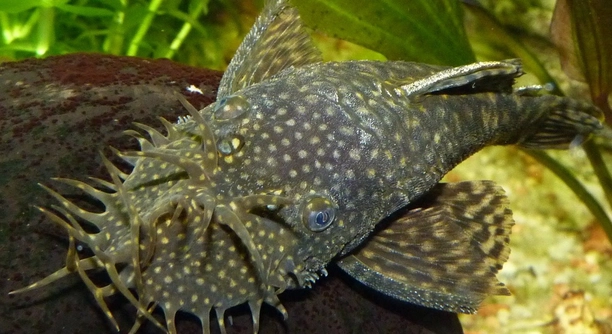
Have you ever noticed your pleco spending more time hiding than gliding through the tank, even when everything else seems perfectly set up?
Plecos thrive in aquariums with proper water flow that mimics their natural river habitats. Adjusting flow patterns, filtration strength, and circulation ensures they receive the oxygen and comfort needed for healthy, active behavior.
From gentle current adjustments to smart filter placements, these simple water flow tweaks can make your pleco’s world calmer, cleaner, and more inviting.
1. Adjust the Filter Output
A strong filter can create currents that stress plecos, especially smaller ones. To make the tank more comfortable, aim for moderate flow. Direct the filter outlet toward a tank wall instead of the center to soften the current. This helps distribute water movement without overwhelming your pleco. Adding a spray bar can also spread flow evenly across the tank, creating a steady and gentle current. Check your pleco’s behavior after making adjustments; if it stays out more often or explores freely, the flow is likely just right. Consistent monitoring and small tweaks can make a noticeable difference in comfort and activity.
When water moves too fast, plecos may cling to surfaces more than they should. Keeping the flow stable and evenly distributed helps them rest, feed, and breathe with less effort. It also ensures debris moves smoothly toward filtration without disturbing their space.
Balancing filter flow creates a calmer habitat that feels closer to a pleco’s river home. It reduces hiding, encourages natural scavenging, and helps oxygen circulate efficiently throughout the tank. You may notice clearer water and less buildup on surfaces, which keeps maintenance easier. With a few small adjustments, the environment becomes both peaceful and healthy for your pleco’s daily routine.
2. Create Flow Zones
Plecos appreciate having areas with different flow strengths. Setting up varied flow zones lets them choose where to rest or feed depending on their comfort. You can achieve this by arranging rocks, driftwood, and plants strategically to slow currents in some areas while leaving others more open.
Use tank decor to guide water around natural barriers, creating calmer spots at the bottom where plecos prefer to rest. Position driftwood in a way that breaks up direct flow, and use live plants to buffer movement even more. A balanced mix of open and sheltered areas gives your pleco options for different activity levels. They’ll likely rest in slower zones during the day and explore more active areas when feeding or cleaning surfaces. This setup not only improves comfort but also mirrors the flowing rivers they come from. Adjust decor carefully until you find a layout that keeps both the water circulation effective and your pleco content.
3. Use Air Stones Wisely
Air stones can increase oxygen and water movement, but too many can disturb your pleco’s calm spaces. Place them at one end of the tank to promote circulation without creating excessive turbulence. Gentle bubbling is enough to keep oxygen levels balanced.
A single air stone near the filter intake helps maintain steady water flow throughout the aquarium. It prevents dead zones where debris might settle and keeps oxygen consistent. Avoid using multiple large stones that can create constant strong currents. Plecos prefer smooth movement rather than chaotic bubbles. Watching how your pleco reacts will guide you in finding the right balance. A calm pleco that explores its surroundings more often indicates a comfortable environment with proper flow and aeration. Maintaining this balance supports healthy breathing and helps keep the water cleaner.
When placed properly, air stones make the water clearer and fresher. They help nutrients circulate evenly and maintain consistent oxygen levels during warmer months. Plecos, being bottom dwellers, benefit greatly from stable oxygen flow near the substrate. This small adjustment improves overall tank health, reduces stress, and supports active feeding behavior. It’s a simple way to keep the tank both functional and relaxing for your pleco.
4. Angle Your Powerhead
Powerheads help maintain water circulation, but their direction matters. Pointing them slightly upward or toward the glass creates a softer, diffused current. This prevents harsh flow directly on the substrate, keeping your pleco comfortable and active.
A powerhead angled correctly supports efficient filtration while avoiding debris being stirred up constantly. It keeps oxygen levels even across the tank and prevents stagnant areas. When aimed slightly upward, it improves surface agitation without overwhelming your pleco’s resting spots. Observe your fish after adjusting the angle; smoother swimming and less hiding often mean the current is ideal. Consistent water movement also minimizes waste buildup and helps maintain water clarity. Using a low-to-medium flow powerhead, positioned carefully, can make a big difference in maintaining both comfort and cleanliness for your pleco.
5. Balance Surface Agitation
Too much surface agitation can drive away carbon dioxide that plants need, while too little can lower oxygen levels for plecos. Aim for a gentle ripple effect that keeps oxygen consistent without disrupting plant growth or stressing your fish.
If the water’s surface moves steadily but not aggressively, it promotes gas exchange and keeps the environment balanced. Using the filter outlet or air stone to create mild surface motion is often enough. This setup supports both aquatic plants and plecos, helping maintain stable oxygen levels throughout the tank.
6. Clean and Maintain Flow Equipment
Regular cleaning keeps flow equipment efficient. Filters, powerheads, and air stones can collect debris that reduces water movement. Rinse them in tank water every few weeks to prevent clogs and maintain consistent circulation for your pleco’s comfort and health.
7. Observe and Adjust as Needed
Each pleco reacts differently to flow changes, depending on species and tank setup. Watch how yours behaves after each adjustment. If it hides less and feeds more comfortably, the flow likely suits it well. Observation ensures lasting comfort and a healthier aquarium balance.
FAQ
How much water flow do plecos actually need?
Plecos prefer a moderate flow that mimics slow-moving rivers or streams. Too much current can stress them, while too little can reduce oxygen levels. The goal is steady circulation without turbulence. Adjusting the filter output, using spray bars, or angling powerheads can help create this balance. Smaller plecos like bristlenose or clown varieties do well with gentler currents, while larger species such as common plecos or royal plecos tolerate stronger flow. Always observe how your pleco behaves—if it clings tightly to surfaces or hides more often, the current may be too intense.
How do I know if the flow is too strong for my pleco?
A pleco exposed to excessive current often spends most of its time pressed against the glass or under decorations. It may avoid open spaces or appear restless. Uneven swimming or constant repositioning near calmer areas also indicates discomfort. If you notice debris swirling continuously or plants bending sharply, the flow is likely too powerful. Adjust by redirecting the filter outlet toward a wall or using decorations to break the current. Afterward, your pleco should resume natural behaviors such as grazing on surfaces and exploring during feeding times.
Can too little flow harm my pleco?
Yes, insufficient flow can cause stagnant zones where oxygen levels drop and debris accumulates. This can lead to poor water quality, algae buildup, and reduced oxygen near the tank’s bottom—where plecos spend most of their time. A gentle, consistent flow keeps oxygen circulating and waste moving toward the filter. You don’t need strong movement, just enough to keep the water active and healthy. Regular water testing can help ensure oxygen levels remain within a safe range for your pleco’s comfort.
Should I keep the water flow constant or adjust it occasionally?
Maintaining a steady flow is best, but occasional adjustments are helpful. For instance, during feeding, you can slightly reduce the flow so food doesn’t scatter quickly. After cleaning or filter maintenance, it’s important to check that the current remains balanced. Seasonal temperature changes may also affect oxygen levels, so increasing surface agitation during warmer months can help. Plecos adapt well when the environment stays stable, so make changes gradually rather than sudden shifts that could cause stress.
Do different pleco species have different water flow needs?
Yes, species variation plays a big role. Bristlenose plecos prefer moderate flow with plenty of hiding spots, while zebra plecos thrive in faster-moving water that mimics rocky riverbeds. Common and sailfin plecos tolerate stronger movement but still need calm resting zones. When setting up the tank, research your specific pleco’s natural habitat and adjust the flow accordingly. Providing areas with both calm and slightly stronger currents ensures that any pleco species can find comfort and stability within the same tank.
How can I improve oxygen levels without making the current too strong?
A gentle balance between aeration and flow control is key. Use a single air stone near the filter intake or a spray bar attachment to increase surface agitation without overdoing it. Plants also help by releasing oxygen and absorbing carbon dioxide during the day. Keep your filter well-maintained to avoid restricted flow and ensure water passes efficiently through all parts of the tank. These small steps keep oxygen consistent without overwhelming your pleco with unnecessary turbulence.
Why does my pleco hide even after adjusting the flow?
Hiding is normal for plecos, especially during the day, as they are naturally nocturnal. However, if hiding increases after adjusting water flow, the current may still be too strong, or the tank layout might lack proper hiding spots. Add driftwood, caves, or large rocks to provide shaded areas where your pleco can rest comfortably. Once it feels secure and the water flow is balanced, you’ll likely see it becoming more active during feeding and cleaning times.
Do live plants affect water flow for plecos?
Yes, live plants can soften the flow by breaking up water movement and providing gentle resistance. Heavily planted tanks tend to have calmer lower zones where plecos rest and graze. Plants like Java fern, Anubias, and Amazon swords attach easily to driftwood and stones, creating natural flow barriers. However, too many dense plants can trap debris, so moderate planting combined with steady water movement ensures both plant health and pleco comfort.
Can I use multiple flow devices in one tank?
You can, but balance is essential. Combining a filter with a small powerhead or air stone works well in larger tanks, as long as they’re positioned to complement each other. Avoid creating conflicting currents that push water in opposite directions. Test each adjustment by watching how debris moves and how your pleco reacts. If waste collects evenly near the filter and your pleco moves comfortably throughout the tank, your setup is well-tuned.
How often should I check or adjust my tank’s water flow?
Check your tank’s flow every two to three weeks or after cleaning equipment. Over time, filter media and tubing can accumulate debris, slowing circulation. Observing water movement and your pleco’s behavior regularly helps catch small issues early. Consistent flow checks maintain both water quality and your pleco’s long-term comfort.
Final Thoughts
Caring for plecos goes beyond feeding and water changes. Their comfort depends greatly on how the water moves within their environment. Balanced flow supports their natural behavior, helps them breathe easier, and keeps the tank cleaner. Many pleco owners focus on filtration and food but forget how current shapes the fish’s daily experience. Plecos, especially bottom dwellers, rely on gentle but steady circulation to feel secure and active. When the water movement is too harsh, they spend most of their time hiding; when it is too still, oxygen levels drop, and waste begins to build up. Adjusting water flow may seem like a small task, but it directly affects your pleco’s health, appearance, and energy. Creating an environment that feels natural and calm gives your pleco the stability it needs to thrive.
Each aquarium is different, and finding the right balance takes patience. What works for one pleco might not suit another, even within the same species. That’s why observation is key. Watching how your pleco behaves after each small change tells you more than any equipment manual ever could. If it becomes more active, rests in the open, or feeds more comfortably, it’s a sign that your setup is improving. A tank with stable flow patterns not only benefits the pleco but also helps other fish and plants flourish. Consistent water circulation improves oxygen exchange, prevents uneven temperature zones, and helps filter systems work more effectively. Over time, you’ll notice clearer water, healthier fish, and less maintenance stress. It’s a reminder that comfort in an aquarium doesn’t always come from adding new devices but from understanding how each piece works together.
In the end, these small adjustments to water flow reflect the care and attention that make aquarium keeping rewarding. Plecos are hardy, adaptable creatures, but they still depend on a balanced environment to stay at their best. By controlling flow, positioning decorations thoughtfully, and maintaining equipment regularly, you create a stable rhythm that supports their natural instincts. The process teaches patience and awareness—two things that make a strong aquarist. Each adjustment builds a healthier, calmer ecosystem where your pleco can show its true personality. Whether you keep one pleco or several, remember that comfort often lies in the quiet details: steady movement, clean water, and the soft hum of a tank running just right. Those small choices ensure your pleco’s well-being for years to come.

Hello,
If you enjoy the content that we create, please consider saying a "Thank You!" by leaving a tip.
Every little bit helps us continue crafting quality advice that supports the health, happiness, and well-being of pets around the world, for pets of all shapes, sizes, and species.
We really appreciate the kindness and support that you show us!