
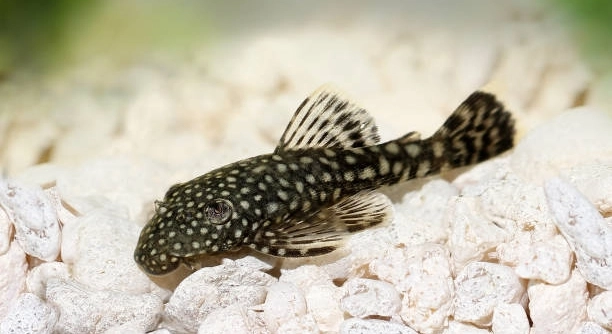
Is your pleco showing signs of stress or discomfort in its new environment? Adjusting to a new tank can be challenging for these fish, and subtle behaviors may indicate that something is off with their wellbeing.
Plecos that struggle to adapt often display changes in appetite, coloration, activity level, and interactions with their environment. Observing these indicators early allows owners to intervene, correct water conditions, and provide appropriate hiding spaces to support proper acclimation and health.
Identifying these signs will help you ensure your pleco thrives in its home, maintaining both its health and a balanced aquarium environment.
Reduced Appetite
When a pleco is struggling to adjust, one of the first signs you may notice is a reduced appetite. Normally, plecos are eager to graze on algae, vegetables, or prepared foods. If your fish suddenly shows little interest in eating, it can indicate stress or discomfort in its environment. Poor water conditions, sudden changes in temperature, or a new tank setup can all contribute. Observing feeding times closely helps you identify whether this is a temporary reaction or a persistent problem. Adjusting the diet by offering softer foods or more frequent, smaller portions can sometimes encourage eating. Additionally, checking water parameters such as pH, ammonia, nitrite, and nitrate levels ensures a stable environment that promotes healthy feeding behavior. Consistent observation and small adjustments often lead to noticeable improvements in appetite.
Monitoring feeding habits daily allows you to catch problems early and take corrective steps before the fish’s health declines.
Keeping track of what your pleco eats and when helps you notice patterns. Sudden changes in appetite can indicate stress or illness. Providing a varied diet and checking tank conditions ensures your pleco stays healthy and comfortable.
Hiding More Than Usual
Plecos often retreat to hiding spots when they feel uneasy. Excessive hiding is a strong indicator that your fish is not adjusting well. Natural behavior includes seeking cover during daylight, but constant seclusion may reflect stress, poor water quality, or bullying from tank mates. Ensuring adequate hiding spaces with caves, driftwood, or dense plants can reduce anxiety, allowing your pleco to explore the tank safely. Observe interactions with other fish to determine if aggression is contributing to this behavior. Sometimes, simply rearranging the tank to provide more secure areas helps. Additionally, maintaining stable temperature and lighting conditions supports a more relaxed environment. Plecos that are consistently hidden may refuse to eat or show lethargy, further signaling adjustment issues. Regular monitoring and small environmental improvements often encourage them to become more active and comfortable over time.
Unusual Swimming Patterns
Erratic swimming is a common sign that a pleco is struggling to adjust. This includes darting quickly, swimming in circles, or staying near the surface for long periods. Observing these movements helps identify stress early.
Irregular swimming can result from poor water quality, low oxygen levels, or sudden changes in temperature. Plecos are sensitive to their environment, and even minor fluctuations can affect their behavior. Monitoring water parameters and maintaining a stable tank setup is crucial. In some cases, adjusting flow rates or providing calmer areas can encourage normal movement and reduce stress.
Additionally, health issues such as infections or parasites can cause unusual swimming. Careful observation over several days helps distinguish between temporary adjustment stress and medical concerns. Prompt action improves the pleco’s comfort, feeding habits, and overall well-being, ensuring a healthier transition into the tank.
Faded or Dull Coloration
Fading color is a noticeable sign of stress in plecos. Changes in brightness or dull patches often indicate discomfort or illness.
Stress from a new environment, improper lighting, or poor water quality can make a pleco lose its vibrant appearance. When water conditions are unstable, plecos may appear washed out or less colorful. Proper filtration, temperature control, and balanced lighting help restore natural coloration over time.
Nutrition also plays a role in color intensity. A diet lacking in vegetables, algae, or fortified foods can contribute to dullness. Observing both environment and feeding habits ensures the pleco receives the support it needs. Gradual improvements in water quality and consistent nutrition often result in noticeable recovery of its vibrant hues.
Lethargy
Lethargy is a common sign that a pleco is not adjusting well. If your fish spends most of its time resting and shows little interest in moving around, it may be stressed or uncomfortable in its environment.
Lack of activity can result from poor water quality, inadequate hiding spots, or sudden changes in temperature. Consistently monitoring tank conditions and ensuring a stable, comfortable environment encourages more normal behavior and energy levels.
Clamped Fins
Clamped fins indicate stress or potential illness. Plecos with fins held close to their body are signaling discomfort, which can stem from water quality issues, illness, or environmental stressors. Regular checks of water parameters and observing interactions with other fish are essential.
Excessive Scraping
Plecos naturally scrape surfaces for algae, but excessive scraping can indicate irritation. If your fish repeatedly rubs against tank walls, decorations, or substrate, it may be stressed or have a skin issue. Observing this behavior helps determine if water quality adjustments or health checks are needed.
FAQ
Why is my pleco hiding all the time?
Plecos naturally seek shelter, but constant hiding often indicates stress or discomfort. Factors like poor water quality, aggressive tank mates, or a sudden change in environment can cause this behavior. Providing more caves, driftwood, or plants, along with stable water parameters, helps your pleco feel secure and more active.
What does it mean when my pleco refuses to eat?
A reduced appetite can signal stress, illness, or poor water conditions. Check for changes in water temperature, pH, or ammonia levels. Offering a variety of foods, such as vegetables, algae wafers, or sinking pellets, may encourage feeding. Observing your pleco over several days helps identify the underlying issue.
Why is my pleco swimming erratically?
Erratic swimming, such as darting, spinning, or staying near the surface, often results from stress or environmental discomfort. Check for water parameter fluctuations, inadequate oxygen levels, or strong currents. Sometimes, illness or parasites can also affect movement. Correcting tank conditions and monitoring behavior improves adjustment.
What causes faded or dull coloration in plecos?
Dull colors usually indicate stress, poor water quality, or nutritional deficiencies. Stable water parameters and proper lighting support natural coloration. A diet rich in vegetables, algae, and fortified foods helps restore vibrancy. Persistent fading may require water testing and dietary adjustments to maintain long-term health.
Why is my pleco clamping its fins?
Clamped fins are a clear sign of stress or discomfort. This can occur from poor water quality, aggressive tank mates, or sudden changes in environment. Observing your pleco and correcting any water or social stressors often restores normal fin behavior.
Is excessive scraping a problem?
While plecos scrape surfaces naturally to feed on algae, frequent or intense scraping may indicate irritation or poor water conditions. Inspect your tank for sharp objects or harmful substances, and maintain clean, stable water. Providing proper nutrition and checking for skin issues can prevent excessive scraping.
How can I help my pleco adjust faster?
Creating a stable, comfortable environment is key. Consistent water parameters, adequate hiding spots, and a varied diet support adjustment. Avoid overcrowding and reduce sudden changes in lighting or temperature. Monitoring behavior regularly allows you to address problems early and encourage a smoother transition.
When should I consult a veterinarian?
If your pleco shows persistent lethargy, loss of appetite, abnormal swimming, or physical changes such as sores or clamped fins, professional advice may be necessary. Early intervention ensures health issues are treated promptly and prevents long-term complications.
Can stress affect a pleco’s health long-term?
Yes, prolonged stress weakens the immune system, making plecos more susceptible to disease. Maintaining stable water conditions, providing proper nutrition, and ensuring a peaceful environment are essential to prevent chronic stress and promote overall well-being.
How often should I monitor my pleco’s behavior?
Daily observation is ideal to catch early signs of stress or illness. Look for changes in activity, appetite, coloration, and interactions with other fish. Consistent monitoring allows timely adjustments to environment or care routines, keeping your pleco healthy and comfortable.
What are the most common mistakes that affect pleco adjustment?
Common mistakes include sudden changes in water conditions, overcrowding, insufficient hiding spots, and poor diet. Avoiding rapid temperature or pH shifts, providing a balanced diet, and maintaining a stable, clean tank help prevent adjustment issues and support overall health.
How can diet improve adjustment?
A varied diet with vegetables, algae wafers, and occasional protein supplements ensures proper nutrition, which reduces stress. Healthy feeding promotes energy, vibrant coloration, and natural behaviors, helping your pleco acclimate faster and stay resilient in its new environment.
Can tank mates affect pleco behavior?
Aggressive or overly active tank mates can stress plecos, causing hiding, clamped fins, or reduced appetite. Observing interactions and providing ample hiding spaces reduces conflict. Sometimes separating the pleco temporarily or adjusting tank population is necessary to ensure comfort and proper adjustment.
How important is water quality for pleco adaptation?
Water quality is critical. Poor parameters, including ammonia, nitrite, nitrate, pH, and temperature fluctuations, directly affect pleco health and behavior. Regular testing, filtration, and partial water changes maintain a stable environment that encourages normal feeding, swimming, and coloration.
Can plecos fully recover from adjustment stress?
Yes, with consistent care, proper environment, and a balanced diet, most plecos recover from adjustment stress. Observing behavior, maintaining water quality, and addressing health issues promptly ensures they become active, healthy, and comfortable in their tank over time.
This FAQ section covers the most common concerns related to pleco adjustment, providing practical steps and guidance for maintaining a healthy, stress-free environment. Regular monitoring and attention to both environment and nutrition are key to supporting your pleco’s well-being.
Final Thoughts
Caring for a pleco requires patience, attention, and an understanding of their natural behaviors. These fish may appear low-maintenance, but they are sensitive to changes in their environment, water conditions, and interactions with tank mates. Observing subtle behaviors, such as changes in appetite, activity level, coloration, or hiding habits, can give early clues about their comfort and overall health. Adjusting water temperature, maintaining stable pH levels, and providing appropriate filtration are essential for creating a healthy environment. In addition, ensuring that your pleco has enough space, hiding spots, and surfaces to explore reduces stress and encourages natural behaviors. Even small improvements in tank setup can make a significant difference in how quickly your pleco adjusts to its surroundings. It is important to remember that every pleco is unique, and some may take longer to settle than others. Consistent monitoring and gradual adjustments help ensure your fish adapts comfortably.
Feeding habits also play a critical role in your pleco’s adjustment. Providing a varied diet that includes algae wafers, vegetables, and occasional protein supplements supports growth, energy, and vibrant coloration. A proper diet can reduce stress and encourage normal behaviors, such as grazing and exploring the tank. It is important to observe your pleco during feeding to detect any changes in appetite or reluctance to eat. If your pleco consistently refuses food, it could indicate stress, illness, or an unsuitable environment. Regular water testing, filtration maintenance, and monitoring interactions with other fish can prevent many of these issues. Addressing problems early, whether they are environmental, dietary, or health-related, ensures that your pleco remains active, healthy, and well-adjusted. Taking a proactive approach, rather than waiting for obvious signs of distress, is the most effective way to maintain long-term well-being.
Overall, ensuring that your pleco thrives requires a combination of proper care, careful observation, and a stable environment. Attention to water quality, diet, tank layout, and behavioral patterns will help reduce stress and support a smooth adjustment period. Plecos respond best to gradual changes, consistency, and a safe, comfortable habitat. Monitoring their behavior daily allows you to detect subtle signs of discomfort and take appropriate steps before problems escalate. Remember that each pleco will have its own pace of adjustment, and patience is essential. Providing adequate hiding spots, gentle lighting, and balanced nutrition contributes to long-term health and overall comfort. By maintaining these conditions and staying attentive to your pleco’s needs, you create a supportive environment that promotes natural behavior, vibrant coloration, and active engagement in the tank. Consistent care, observation, and proactive adjustments are the key elements to ensuring your pleco remains happy, healthy, and well-adapted in its aquatic home.

Hello,
If you enjoy the content that we create, please consider saying a "Thank You!" by leaving a tip.
Every little bit helps us continue crafting quality advice that supports the health, happiness, and well-being of pets around the world, for pets of all shapes, sizes, and species.
We really appreciate the kindness and support that you show us!