
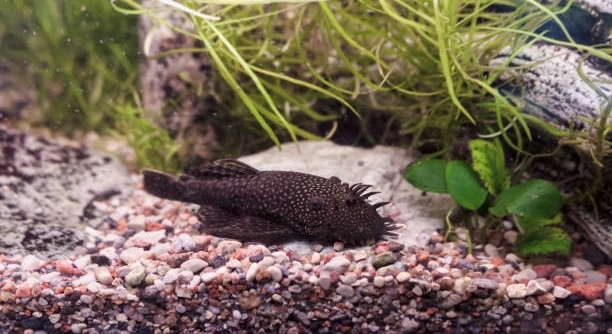
Is your pleco spending more time in the corners of the tank than near you? Observing its behavior can feel frustrating, especially when you expect interaction or recognition from your aquatic pet. Understanding its habits can help.
Plecos naturally prefer hiding and nocturnal activity, which often results in minimal interaction during daylight hours. Stress, poor water conditions, or insufficient hiding spaces can also contribute to avoidance, making it important to monitor their environment carefully.
Learning about these habits can improve your approach to caring for your pleco. Simple adjustments can encourage healthier and more comfortable interactions.
Understanding Pleco Behavior
Plecos are naturally shy fish that spend most of their time hiding in caves or under decorations. They are nocturnal, so they are more active at night while resting during the day. Sudden movements outside the tank or tapping on the glass can startle them, reinforcing their avoidance. Observing your pleco from a distance without disturbing the tank can help you understand its patterns. Changes in water temperature, pH, or quality may also affect their comfort. Providing a variety of hiding spots and smooth surfaces for grazing will make them feel safer and more at ease. Over time, you may notice small signs of curiosity, such as approaching slowly or grazing near you. It’s important to respect their natural instincts while gradually encouraging more visible activity, creating a healthier and more stable environment. Avoid forcing interaction, as plecos respond better to consistency and calm conditions.
Small adjustments like adding driftwood or plants can significantly reduce stress and encourage natural behaviors.
By maintaining stable conditions and providing adequate hiding spaces, you ensure your pleco can exhibit its natural behaviors safely. Feeding at consistent times and minimizing loud disturbances will help it feel secure. Observing without interference allows you to learn subtle cues about its mood. Some plecos may never be fully interactive, and that is normal. Recognizing the signs of comfort, such as grazing near the glass or exploring new tank areas, is a positive indication of trust. Over time, your presence will feel less threatening, and small interactions will become more natural. Consistency, patience, and respect for their nocturnal and shy nature are key to fostering a balanced environment that meets their needs and promotes overall well-being.
Environmental Factors Affecting Interaction
Water quality is essential for your pleco’s comfort and activity.
Poor water conditions, including high ammonia or nitrite levels, fluctuating temperatures, or low oxygen, can cause stress and encourage hiding. Regular testing and partial water changes help maintain stability. Tank size and layout also influence behavior; cramped spaces limit movement and increase tension. Adding rocks, driftwood, and plants provides shelter and surfaces for grazing, making plecos feel secure. Light intensity impacts activity, as plecos prefer dim areas. Feeding routines affect visibility—offering food at predictable times can encourage closer observation. Social dynamics matter too; overly aggressive tank mates may force plecos into hiding, while compatible companions reduce stress. By monitoring these environmental factors, you can create a space that balances security with opportunities for natural behaviors, promoting healthier and more visible interactions. Adjustments should be gradual, as sudden changes can worsen avoidance. Understanding and responding to these needs ensures your pleco feels comfortable and reduces the likelihood of constant hiding, allowing you to observe its natural habits.
Feeding Habits and Interaction
Plecos are primarily herbivores, grazing on algae, vegetables, and sinking pellets. They are slow eaters and often feed at night, which can make them seem uninterested during the day. Understanding their feeding patterns can help you predict when they will be more active.
Providing a variety of foods keeps your pleco healthy and encourages regular activity. Fresh vegetables like zucchini, cucumber, and spinach can be offered alongside algae wafers or pellets. Avoid overfeeding, as leftover food can spoil water quality and reduce their activity. Feeding at consistent times helps plecos learn routines and can slowly increase visibility. Some plecos may prefer grazing near hiding spots, so placing food in accessible yet safe areas encourages exploration without stress. Over time, they may become more comfortable approaching areas where you feed, building a subtle routine.
Watching feeding behavior carefully allows you to notice preferences and habits unique to your pleco. Observing where and when they graze can inform tank layout adjustments. If a pleco avoids certain foods or areas, it may indicate discomfort or stress. Ensuring food is placed near their preferred hiding spots increases chances of observation without forcing interaction. Gradually, feeding routines can help your pleco become accustomed to your presence, creating a calm environment. Tracking patterns over days or weeks helps anticipate activity and adjust tank management. Small changes in placement, timing, or food type can improve visibility while respecting their natural tendencies.
Health Concerns That Influence Behavior
Stress and illness can drastically affect a pleco’s willingness to interact.
Signs of stress include hiding excessively, refusing food, or displaying unusual swimming patterns. Illness can present with discoloration, frayed fins, or bloating. Maintaining water quality, stable temperature, and proper diet prevents many health issues. Regular observation is essential to catch problems early, as plecos often hide symptoms until conditions worsen. Addressing stressors promptly reduces avoidance behavior and supports long-term health.
If a pleco consistently avoids interaction, it may indicate underlying issues. Disease, parasites, or poor water conditions can all contribute to withdrawal. Ensuring proper filtration, consistent water changes, and appropriate tank mates reduces environmental stress. Quarantining new additions prevents introducing pathogens. Monitoring behavior alongside health indicators helps distinguish between normal shyness and illness. Providing hiding spots while addressing stressors encourages natural behaviors and gradual acclimation. By keeping the tank environment stable and observing small changes, you create a setting where your pleco can thrive, eat well, and display more visible activity over time.
Tank Setup and Hiding Spots
Plecos need plenty of hiding spaces to feel secure. Caves, driftwood, and dense plants give them areas to retreat, which reduces stress and encourages natural grazing habits. Proper tank layout supports comfort and visibility over time.
The location of hiding spots matters. Placing them in quiet corners or shaded areas allows plecos to explore without feeling threatened. Overcrowding the tank or removing shelters can increase avoidance, while thoughtful placement promotes confidence and occasional interaction.
Light and Activity Levels
Plecos are sensitive to bright lights and prefer dim environments. Excessive illumination can cause stress and increase hiding behavior. Adjusting lighting to mimic natural day-night cycles helps maintain activity and reduces constant avoidance.
Tank Companions
Aggressive or fast-moving fish can intimidate plecos, pushing them into hiding. Choosing peaceful tank mates creates a calmer environment, allowing plecos to graze and explore safely. A compatible community minimizes stress and supports more visible activity.
Why does my pleco hide all the time?
Plecos are naturally shy and nocturnal fish. They feel safest in dim areas and often stay in caves, under driftwood, or behind plants during the day. Excessive hiding is normal, but consistent avoidance can also indicate stress, poor water conditions, or insufficient hiding spaces. Gradually adding more shelters and keeping the tank calm encourages natural exploration.
Is it normal for plecos to avoid interaction?
Yes. Most plecos are not social with humans and prefer observing from a distance. They interact mainly with the environment and other tank mates. Attempting to force interaction can cause stress. Recognizing subtle behaviors like grazing near the glass or swimming slowly near your presence shows they are adapting to your routine.
Can feeding routines improve pleco activity?
Consistent feeding schedules help plecos learn when it is safe to leave hiding spots. Offering food near shelters encourages grazing and gradual exposure to the front of the tank. Fresh vegetables, algae wafers, and sinking pellets meet dietary needs while promoting natural activity patterns. Avoid overfeeding to maintain water quality.
How does water quality affect my pleco’s behavior?
Plecos are sensitive to changes in pH, temperature, ammonia, nitrites, and nitrates. Poor water conditions can stress them, causing them to hide more and avoid interaction. Regular testing, partial water changes, and proper filtration maintain a stable environment. Stable water parameters encourage normal grazing and exploration.
Do plecos prefer certain tank layouts?
Plecos thrive in tanks with multiple hiding spots and open grazing areas. Driftwood, caves, and dense plants create security and reduce stress. Overcrowding or removing shelters can increase avoidance. Gradually adjusting tank layout while maintaining familiar areas helps them explore without feeling threatened.
Can tank mates affect my pleco’s behavior?
Aggressive or fast-moving fish can intimidate plecos, forcing them into hiding. Choosing peaceful species that do not compete for space or food reduces stress. Compatible tank mates encourage plecos to graze openly and maintain healthier activity levels. Observing interactions helps identify compatibility issues.
How do light levels influence plecos?
Bright lighting can make plecos feel exposed and increase hiding behavior. Dimming lights or using shaded areas mimics natural conditions. Adjusting lighting to day-night cycles encourages activity during their preferred hours and reduces stress, making them more comfortable near the front of the tank.
Could health issues cause avoidance?
Yes. Illnesses such as parasites, fin rot, or bloating can lead plecos to hide excessively. Changes in behavior, color, or appetite often signal health problems. Monitoring their physical condition and maintaining proper diet, water quality, and tank conditions supports overall well-being. Prompt attention prevents further withdrawal.
What are the best foods to encourage activity?
A varied diet keeps plecos engaged. Offer vegetables like zucchini, cucumber, and spinach, along with algae wafers and sinking pellets. Placing food near hiding areas encourages grazing without forcing interaction. Observing their preferences allows adjustments to feeding routines that support healthier activity and more visible behaviors.
How can I make my pleco feel secure without disturbing it?
Provide multiple hiding spots, maintain stable water conditions, and offer consistent feeding. Avoid tapping the glass or moving decorations abruptly. Gradually, plecos will become accustomed to your presence and show subtle signs of comfort, such as grazing near the front or swimming in open areas during quiet periods.
Will my pleco ever interact with me directly?
Most plecos remain mostly observational. They may graze near you or respond to feeding cues but rarely seek direct interaction. Accepting their natural behavior and encouraging calm, consistent routines helps you enjoy observing them while keeping stress low. Direct interaction is rare and depends on the individual fish.
How long does it take for plecos to become comfortable in a new tank?
Adjustment periods vary but typically take several weeks. During this time, plecos explore shelters, establish grazing routes, and adapt to light and water conditions. Patience and consistency in feeding, lighting, and environmental stability allow gradual acclimation and reduce constant hiding behavior.
Can environmental enrichment increase visibility?
Yes. Adding driftwood, plants, and caves provides stimulation and safe exploration areas. Rotating or rearranging decorations occasionally encourages activity while keeping familiar hiding spots intact. Environmental enrichment supports natural behaviors, helps reduce stress, and can make your pleco more observable without forcing interaction.
Does tank size matter for pleco comfort?
Adequate space is essential. Cramped tanks increase stress and hiding behavior. Larger tanks with multiple hiding spots, open grazing areas, and proper filtration allow plecos to move freely, explore safely, and maintain natural activity levels, resulting in more consistent visibility and healthier behaviors.
Are plecos more active at night?
Yes. Plecos are nocturnal and naturally active after lights dim. Observing them during evening hours often shows grazing, swimming, and exploring. Adjusting feeding schedules and tank lighting to match their nocturnal tendencies encourages activity while minimizing stress during daylight hours.
What subtle signs show my pleco is comfortable?
Comfortable plecos may graze near the glass, explore open areas slowly, or rest near familiar hiding spots without retreating immediately. Gradual increases in visible activity and consistent feeding behavior indicate adaptation. Respecting their pace ensures comfort while supporting natural routines and long-term well-being.
How do I handle stress without moving my pleco?
Focus on tank conditions, hiding spots, and consistent routines. Avoid tapping glass, sudden movements, or overcrowding. Adjusting light, providing safe grazing areas, and maintaining water quality helps reduce stress while keeping plecos in place, allowing them to feel secure without direct handling.
Can plecos recognize their owners?
Recognition is limited. Plecos respond more to consistent routines like feeding times and environmental cues than visual recognition. Over time, they may associate your presence with safety and food, which can subtly increase comfort near the front of the tank, though direct interaction remains minimal.
Do plecos need companions?
Plecos can live alone or with peaceful tank mates. Companions are not required but can influence stress levels. Aggressive or competitive species can increase hiding, while calm tank mates support natural activity. Monitoring interactions ensures plecos remain comfortable and maintain normal grazing and exploration habits.
How do I balance observation and minimal stress?
Watch from a distance without tapping or disturbing the tank. Maintain consistent feeding schedules, stable water conditions, and secure hiding spots. Subtle environmental adjustments encourage natural behavior and visibility while respecting their shy and nocturnal tendencies, allowing you to enjoy observing them safely over time.
What are long-term strategies to reduce avoidance?
Focus on water quality, tank layout, feeding routines, and compatible tank mates. Gradual adjustments to lighting, hiding spots, and enrichment encourage exploration. Consistency and patience help plecos feel secure, reducing stress and fostering natural grazing and movement. Long-term comfort improves visibility without forcing interaction.
Can stress lead to permanent hiding behavior?
Chronic stress can make plecos more withdrawn, but improving environmental conditions, diet, and hiding options often reverses avoidance. Observing subtle behaviors and maintaining stable conditions is essential for recovery. Avoid sudden changes, as plecos respond better to gradual, consistent improvements over time.
Understanding your pleco’s behavior is key to creating a comfortable and healthy environment. Plecos are naturally shy and nocturnal, which means they will spend much of their time hiding or grazing in quiet areas. This is normal and does not indicate a problem by itself. Observing your pleco without disturbing the tank can provide insight into its habits, such as preferred hiding spots, grazing routines, and activity times. Gradually, you will notice subtle patterns, like when it moves closer to the front of the tank or grazes near the glass. These small cues show comfort and adaptation to its environment. Patience is essential, as plecos do not respond to direct interaction in the same way other fish might. Maintaining consistency in feeding, tank conditions, and layout is the most effective way to support their natural behavior and reduce stress.
Tank setup plays a significant role in how comfortable and active a pleco will be. Providing multiple hiding spaces, such as caves, driftwood, and plants, gives them areas to retreat when feeling threatened. The placement of these shelters matters, as plecos prefer quiet and dim areas. Overcrowding or removing hiding spots can increase stress and avoidance. Water quality is equally important, as plecos are sensitive to changes in pH, temperature, and chemical levels. Regular testing and partial water changes maintain a stable environment, which directly affects behavior and comfort. Light levels also influence activity; dim or shaded areas mimic their natural conditions and encourage grazing. Attention to these environmental details helps plecos feel secure, allowing for more observable behaviors without forcing interaction.
Health and diet are additional factors that affect pleco behavior. A varied diet of vegetables, algae wafers, and sinking pellets keeps them active and nourished. Feeding near their preferred hiding spots encourages grazing and gradual exposure to open areas. Illness or parasites can lead to excessive hiding or refusal to eat, so monitoring their physical condition is important. Tank mates also impact stress levels; peaceful companions allow plecos to move and graze without fear, while aggressive or fast-moving fish can increase hiding. Observing their behavior over time and making gradual adjustments to their environment, diet, and companions supports long-term well-being. By respecting their natural instincts and providing consistent care, plecos can thrive, and you can enjoy their subtle but rewarding presence in your tank.

Hello,
If you enjoy the content that we create, please consider saying a "Thank You!" by leaving a tip.
Every little bit helps us continue crafting quality advice that supports the health, happiness, and well-being of pets around the world, for pets of all shapes, sizes, and species.
We really appreciate the kindness and support that you show us!