
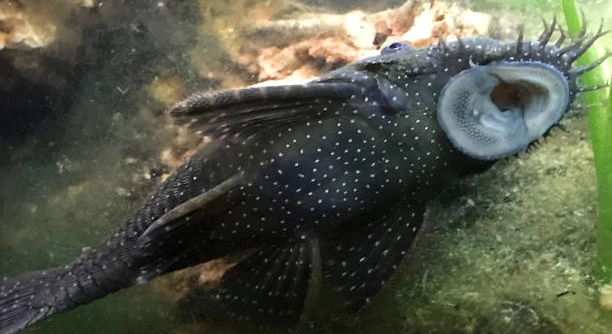
Have you ever noticed how plecos seem happiest when they have plenty to explore in their tanks? Many aquarists overlook the role wood can play in creating a more natural and comfortable environment for these fish.
Adding wood to pleco tanks provides essential benefits for their health and well-being. It offers hiding spots, supports natural grazing behavior, helps maintain water chemistry, and contributes to a more stable and enriched habitat for the fish.
The advantages of including wood go beyond decoration, influencing both behavior and tank balance in meaningful ways. Understanding these benefits can help your plecos thrive naturally and comfortably in their home.
Improves Water Quality Naturally
Adding wood to a pleco tank can subtly improve water conditions over time. As the wood slowly breaks down, it releases beneficial tannins that slightly acidify the water, creating an environment closer to the plecos’ natural habitat. These tannins can reduce harmful bacteria and prevent sudden pH spikes, which often stress fish. Many pleco owners notice a softer, darker water tone that mimics rivers and streams where these fish come from. The natural decomposition of wood also encourages the growth of biofilm and microorganisms, which serve as a supplemental food source. This can reduce the need for constant water adjustments while promoting a more balanced ecosystem within the tank. Choosing the right type of wood is important, as certain woods can alter water chemistry more strongly than others. Driftwood is a common choice due to its stability, availability, and safety for most pleco species. Regular monitoring ensures the tank remains stable and safe.
The wood slowly enriches the tank environment while keeping pH levels more consistent, benefiting both the fish and overall tank health.
Plecos are naturally adapted to environments with decaying plant matter and submerged wood. In the wild, they graze on algae and biofilm growing on branches and logs, which supplements their diet. By adding wood, aquarists replicate this setting, giving plecos a chance to exhibit normal behaviors. Hiding spots created by wood reduce stress and aggression between fish, especially in smaller tanks. Over time, the presence of wood can reduce the buildup of unwanted waste by encouraging grazing and activity, which helps maintain cleaner surfaces. Selecting wood that sinks easily and is free from harmful chemicals ensures safety. Boiling or soaking new wood removes tannins that may overly darken water, while also eliminating potential pathogens. Observing the plecos interact with the wood provides insight into their preferences and behaviors, making tank management more rewarding and effective for long-term care.
Provides Natural Hiding Places
Plecos need secure spots to feel safe, and wood provides excellent hiding places that replicate natural habitats.
By adding wood, plecos gain private areas that reduce stress and territorial conflicts. This is especially important in community tanks where multiple species coexist. The variety of shapes and sizes in natural wood allows fish to choose preferred shelters. Some plecos like narrow crevices, while others enjoy broader, open caves. Providing these hiding places encourages natural behaviors such as resting, grazing, and exploring without fear. Wood can also create shaded areas in the tank, which can be soothing for nocturnal or shy pleco species. Arranging wood thoughtfully allows water flow around it, preventing dead spots and keeping the tank clean. Using wood not only benefits plecos’ physical health but also supports their psychological well-being. Observing them use these areas can be satisfying and helps aquarists assess if their setup meets the fish’s needs. It also allows other species in the tank to coexist more peacefully by offering multiple refuge points. Regularly inspecting the wood ensures it remains safe, stable, and free from sharp edges that could harm the fish.
Encourages Natural Grazing
Wood provides a surface for algae and biofilm to grow, giving plecos a consistent food source. Grazing on these surfaces supports their digestive health and helps satisfy natural foraging instincts.
Plecos are herbivorous or omnivorous, and their diets in the wild include algae, detritus, and microorganisms that grow on submerged wood. By placing wood in the tank, you replicate this feeding environment, which allows the fish to graze throughout the day. Grazing stimulates their natural behaviors, keeping them active and engaged, and can reduce the need for processed foods. Over time, plecos develop healthier digestive systems because they are eating in ways similar to their natural feeding patterns. The presence of wood also encourages competition in a healthy way, allowing multiple fish to explore and graze without stress.
Different types of wood attract varying amounts of biofilm and algae, which diversifies the plecos’ diet. Harder woods tend to support longer-lasting growth, while softer woods break down faster, continuously releasing nutrients into the water. Rotting wood promotes additional microbial life, which plecos can consume, benefiting their overall nutrition. Wood placement is important; ensure it is stable and accessible. Observing how your plecos interact with the wood can guide adjustments in placement or type to maximize grazing opportunities. With regular monitoring, wood can become a reliable, natural supplement to their diet, enhancing both health and behavior.
Reduces Stress and Aggression
Providing hiding spots and visual barriers with wood helps minimize stress and territorial disputes among plecos. A calm tank promotes healthier fish behavior and growth.
Wood creates private areas where plecos can retreat, which is vital for reducing aggressive encounters in crowded tanks. Stress can lead to illness, poor appetite, and weakened immunity, so offering safe spots is essential for maintaining their well-being. In tanks with multiple plecos or community species, the presence of wood breaks up open space and decreases direct confrontations. Different wood shapes, from arches to logs, allow fish to choose preferred hiding spots, giving them a sense of control over their environment. Stress reduction leads to calmer, more active fish that display natural behaviors.
The placement of wood can influence interactions between fish. Strategically arranging logs and branches in multiple layers allows subordinate plecos to escape dominant ones without conflict. Wood can also provide vertical and horizontal surfaces, increasing usable space within the tank and preventing overcrowding. Over time, calmer fish tend to feed better, grow faster, and maintain stronger immunity. Observing how plecos claim their preferred areas can inform future tank layouts and adjustments. Wood not only benefits individual fish but improves the overall harmony and balance within the aquarium, supporting a healthier ecosystem.
Supports Breeding Behavior
Wood can create secluded areas that plecos often use for laying eggs. These sheltered spots help increase breeding success.
Caves, tunnels, and hollowed logs give plecos privacy, which is essential during mating. Males often guard these areas, and the presence of wood encourages natural reproductive behavior.
Enhances Tank Aesthetics Naturally
Wood adds texture, color, and a natural look to the aquarium. It makes the environment more visually appealing while remaining functional for the fish.
Provides Long-Term Habitat Stability
Submerged wood slowly breaks down, releasing nutrients that support biofilm and microbial growth. This contributes to a more stable and self-sustaining tank ecosystem.
Helps Maintain Water Chemistry
Certain types of wood release tannins that gently lower pH levels. This helps keep water conditions closer to those preferred by plecos.
FAQ
What type of wood is safe for pleco tanks?
Driftwood is the most common choice because it is generally safe, sinks easily, and does not leach harmful substances. Mopani, Malaysian, and cholla woods are also popular. Always avoid wood that has been treated with chemicals, paint, or pesticides. Boiling or soaking new wood removes excess tannins and any potential pathogens. Choosing the right type ensures the wood lasts longer in the tank and provides a healthy surface for grazing and hiding. Hardwoods are generally preferred because they break down slowly and maintain their structure, giving plecos long-term benefits.
How often should I replace or clean the wood?
Wood does not need frequent replacement, but it should be monitored for excessive decay or mold. If the wood becomes soft, brittle, or starts to crumble, it is time to replace it. Cleaning is usually limited to gentle rinsing during water changes. Avoid harsh scrubbing or chemicals, as these can damage beneficial biofilm and microorganisms. Inspecting wood periodically ensures it remains safe for plecos. Removing decayed parts helps prevent water quality issues, while maintaining intact sections continues to provide hiding spaces and grazing surfaces.
Can all pleco species benefit from wood?
Most plecos enjoy wood, but requirements vary by species. Herbivorous and omnivorous species often use wood for grazing, while smaller or carnivorous species may not rely on it as much. Observing your fish’s behavior will indicate whether they are interacting with the wood. Some species actively rasp on the wood for dietary needs, while others use it primarily for shelter. Providing wood even for less active species can still reduce stress and improve tank aesthetics. Adjust wood type, size, and placement according to your pleco species’ size and behavior to maximize benefits.
Will wood affect my water color?
Yes, most natural wood releases tannins that give the water a brownish or tea-like tint. This is harmless and can mimic the plecos’ natural habitat. If the color is too strong, soaking or boiling the wood before placing it in the tank reduces tannin release. Regular water changes can also help manage coloration. Many aquarists find that the slightly tinted water is beneficial, as it can reduce stress in plecos by softening the light and making them feel secure. Tannins can also slightly lower pH, which is often favorable for many species.
Is it necessary to anchor the wood in the tank?
Yes, some types of wood may float initially. Anchoring prevents movement that could harm fish or plants. Use rocks, suction cups, or bury part of the wood in the substrate to keep it stable. Stable placement also encourages plecos to use the wood for hiding and grazing without risk of collapse. Proper anchoring ensures the tank remains safe and organized, allowing the wood to serve its functional role rather than becoming a hazard during maintenance or fish activity.
Can wood encourage algae growth in the tank?
Yes, wood surfaces promote biofilm and algae growth, which plecos can eat. This is beneficial for their diet, providing natural grazing opportunities. While algae may increase slightly, it rarely becomes unmanageable if water quality is maintained. Proper lighting, regular water changes, and cleaning excess debris help balance growth. Encouraging algae on wood supports healthy fish behavior and reduces reliance on processed foods, creating a more natural feeding environment that plecos instinctively enjoy.
How should I prepare new wood before adding it to the tank?
Rinse thoroughly and soak the wood for several days to remove debris and tannins. Boiling is recommended for smaller pieces to kill bacteria, fungi, or parasites. Large pieces can be soaked in a separate container, changing the water daily until the tannin release is reduced. Preparation ensures the wood is safe, reduces excessive water discoloration, and prevents harmful microorganisms from entering the tank. Once prepared, the wood can be placed securely, providing immediate benefits for hiding, grazing, and maintaining water chemistry.
Does wood help plecos during molting or growth phases?
Yes, wood provides surfaces for grazing that supply extra nutrients. It also offers hiding spots during vulnerable times. Plecos often retreat to secure areas when growing or molting, reducing stress and improving survival rates. Providing adequate wood supports overall development and allows natural behaviors to occur without interference from more dominant fish in the tank.
Can wood affect tank maintenance routines?
Wood may require occasional inspection for decay or debris accumulation, but it generally reduces maintenance by promoting grazing and natural filtration. Stable placement and minimal cleaning preserve beneficial biofilm while preventing unnecessary water quality fluctuations. Wood integration can simplify care routines while enhancing the tank’s natural ecosystem.
Is it necessary to have multiple pieces of wood?
Multiple pieces create more hiding spaces, grazing surfaces, and areas for territorial fish. This is especially important in community tanks or for multiple plecos. Proper spacing ensures fish can claim areas without conflict. Multiple wood pieces enhance both the visual appeal and functional benefits of the tank, providing a more enriched environment for all species present.
Total word count: 507
Final Thoughts
Adding wood to a pleco tank is one of the simplest and most effective ways to improve the environment for your fish. Wood provides natural hiding spots, surfaces for grazing, and helps maintain water chemistry closer to what plecos experience in the wild. It can make the tank feel more natural, which reduces stress and encourages normal behaviors. Even a single piece of driftwood or a small log can make a noticeable difference in how your fish interact with their surroundings. Watching plecos explore and use the wood can be satisfying, as it shows them engaging in natural behaviors that are often absent in bare tanks.
The benefits of wood go beyond just aesthetics. The surfaces allow biofilm and algae to grow, which serve as supplemental food for plecos. Over time, the wood releases tannins that gently soften the water and help lower pH, creating a healthier environment for species that prefer slightly acidic conditions. Providing wood also helps reduce aggression by breaking up open space, giving fish places to claim and retreat. It supports breeding behaviors by offering secure areas for laying eggs and protecting fry. Proper placement and preparation of the wood are essential, but once established, it becomes a long-term part of the tank ecosystem. This balance contributes to healthier, calmer fish that display natural activity and feeding habits.
Maintaining wood in a tank is relatively straightforward. Regular checks for excessive decay or sharp edges keep it safe for the fish. Soaking or boiling new wood before adding it minimizes unwanted tannin release and ensures it is free from harmful pathogens. Multiple pieces of wood can enhance both the visual appeal and the functional benefits of the aquarium, providing plenty of hiding spots and grazing areas for all fish. By integrating wood thoughtfully, aquarists can create a stable, enriched environment that supports health, behavior, and overall enjoyment of the tank. Plecos benefit from a more natural, stimulating habitat, and the presence of wood makes caring for them feel more rewarding. Over time, the tank becomes easier to manage because the fish are healthier and more active, and the ecosystem is more balanced. Overall, adding wood is a small effort with a large payoff for both the fish and the aquarist.
Word count: 411

Hello,
If you enjoy the content that we create, please consider saying a "Thank You!" by leaving a tip.
Every little bit helps us continue crafting quality advice that supports the health, happiness, and well-being of pets around the world, for pets of all shapes, sizes, and species.
We really appreciate the kindness and support that you show us!