
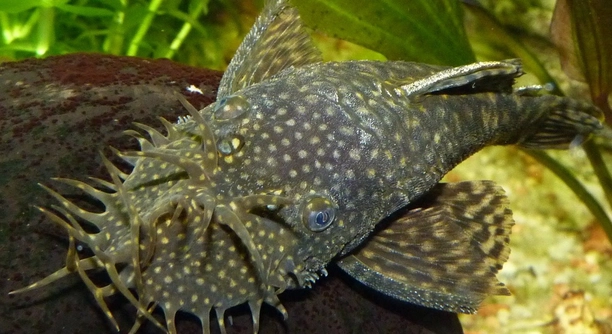
Is your pleco acting more territorial lately, chasing tank mates or flaring its fins at every movement near the aquarium glass?
The main reason your pleco might be acting aggressive is due to territorial behavior, especially in confined or overcrowded tanks. Factors like limited hiding spots, competition for food, or unsuitable tank mates can also contribute to their sudden hostility.
Understanding these triggers will help you create a peaceful environment that keeps your pleco comfortable and your aquarium community balanced.
Common Reasons Behind Pleco Aggression
Aggression in plecos often starts with territory. These fish are naturally protective of their space, especially as they mature. When confined to smaller tanks or when there aren’t enough hiding spots, they begin to guard areas more fiercely. Tank mates that invade their territory can trigger fin-nipping or chasing. Feeding competition also plays a part, as plecos may lash out to secure food, particularly if they aren’t getting enough algae or sinking pellets. Incompatible tank mates, such as other bottom dwellers, can heighten tension. Temperature fluctuations or poor water quality further increase stress, leading to more aggressive behavior that may seem sudden but is often a buildup of environmental issues.
Stress can also come from overstocked tanks. Too many fish create chaos and make plecos feel threatened. Keeping the environment stable and well-structured helps them feel secure.
By observing their habits, you can easily identify what’s causing the tension. Watch how they react during feeding, or if certain areas trigger defensive behavior. Plecos are creatures of habit, and aggression often signals discomfort rather than dominance. Adjusting tank setup, adding more driftwood, or changing feeding routines can restore calmness. When plecos have enough space and security, their behavior naturally becomes more relaxed and predictable.
How to Reduce Aggression in Plecos
Creating a calm aquarium starts with balance. Give your pleco enough space, hiding spots, and suitable tank mates that don’t compete for the bottom area.
Plecos thrive when their tank reflects their natural environment. Use caves, rocks, or driftwood to define territories, allowing each fish a safe area to retreat. Keep the water clean with regular maintenance, as poor water quality increases stress and irritability. Feed them a proper diet of algae wafers, vegetables, and protein-rich foods to prevent food competition. Avoid mixing them with other large or territorial bottom dwellers, and monitor tank size—plecos need room to grow. A tank smaller than 50 gallons is often too confined for adult plecos. Adjust lighting, as too much brightness can make them anxious. If aggression persists, temporarily separating them may help until conditions improve. By making small, thoughtful changes, you’ll notice a calmer and more harmonious aquarium where your pleco feels secure and behaves peacefully.
Signs Your Pleco Is Becoming Aggressive
Aggression in plecos is often noticeable through sudden chasing, flaring fins, or attacking other bottom dwellers. They may also guard specific areas, push others away from food, or scrape against surfaces more often when feeling stressed or territorial.
If your pleco starts hiding more than usual or becomes restless, it could be a sign of tension. Watch for physical marks on other fish or damaged fins, which usually point to conflict. Sometimes aggression happens at night when plecos are most active, so observing them after lights out helps identify issues. In some cases, they may even damage plants or decorations when feeling confined or irritated. Recognizing these behavioral and environmental changes early makes it easier to correct problems before aggression becomes a routine habit in your aquarium.
Creating a calm setup can reduce these behaviors significantly. Adding caves, driftwood, or plants allows them to claim territory without confrontation. Keep tank mates peaceful and avoid overcrowding, as tight spaces often lead to frustration. Regularly checking water quality also prevents hidden stress that fuels aggression. Simple adjustments like rearranging decorations can help reset territorial boundaries, giving your pleco a fresh start. When their needs are met, they typically return to calm, steady behavior.
Choosing the Right Tank Setup
Plecos thrive in spacious tanks with enough hiding areas to establish security. A minimum of 50 gallons works best for most species, giving them room to explore without stress.
The tank should include natural hiding spots made from rocks, driftwood, and caves to create separation and comfort. Plecos prefer low lighting and consistent temperatures between 74–80°F, so maintaining stable conditions is essential. Include a strong filtration system since they produce significant waste, which affects water quality quickly. Soft substrates like sand are ideal to protect their undersides and reduce irritation. Balanced water chemistry—neutral pH and moderate hardness—keeps them healthy and less reactive. Avoid sharp decorations that could injure them when startled. Position their shelters far apart to reduce competition for territory. With the right environment, plecos stay peaceful and display more natural behaviors, contributing to a healthier, more stable aquarium atmosphere.
Feeding Habits That Affect Behavior
Feeding your pleco properly plays a big role in preventing aggression. Uneven food distribution or limited feeding times can make them territorial. Ensure they have enough sinking pellets or algae wafers so they don’t compete with tank mates for food.
Supplement their diet with blanched vegetables like zucchini, cucumber, or spinach to keep them satisfied. A well-fed pleco is calmer and less likely to fight over territory. Feeding after lights out helps too, since plecos are nocturnal and feel safer eating when the tank is quiet.
Ideal Tank Mates for Plecos
Peaceful species like tetras, rasboras, or guppies usually coexist well with plecos. Avoid pairing them with aggressive or highly territorial fish such as cichlids or large catfish. Choosing tank mates that occupy other levels of the tank minimizes conflict and helps maintain a balanced, stress-free environment.
When to Separate Your Pleco
If aggression continues despite changes, separation may be necessary. Moving your pleco to a larger or quieter tank gives it space to calm down and reestablish comfort. Once it settles, reintroduce it carefully to avoid repeating the same territorial behavior.
FAQ
Why is my pleco suddenly chasing other fish?
Sudden chasing usually happens when your pleco feels its territory is being invaded or when tank conditions become stressful. This behavior often appears in smaller or overcrowded tanks where space is limited. Plecos naturally defend their areas, especially as they mature. A lack of hiding spots, poor water quality, or irregular feeding can increase tension. Ensuring enough space and creating clear territories with driftwood or caves helps minimize these conflicts.
Can two plecos live in the same tank?
Two plecos can live together only if the tank is large enough and has several hiding spots. Each pleco needs its own space to feel secure. Smaller tanks cause them to compete for territory and food, often resulting in aggression. It’s best to keep them in a tank of at least 75 gallons or more when housing multiple plecos. Introducing them gradually and rearranging the tank layout before adding a second pleco can also prevent immediate territorial disputes.
How can I tell if my pleco is stressed?
A stressed pleco may hide constantly, breathe rapidly, or refuse to eat. You might notice duller colors or erratic swimming behavior. They may also scrape against surfaces more often. These are warning signs that the tank conditions need improvement. Test the water parameters regularly and ensure stable temperature and pH levels. Improving filtration and maintaining cleanliness often helps restore calm behavior and appetite.
What tank size is best for plecos?
The ideal tank size depends on the species, but most plecos need at least 50 gallons once they’re fully grown. Common plecos can reach over a foot in length, so a spacious tank is necessary to prevent stress and aggression. Smaller pleco species, like bristlenose or rubber-lip plecos, can live comfortably in tanks around 30 gallons. Always plan tank size based on their adult growth, not their current size.
Why is my pleco attacking the glass or decorations?
This behavior is often linked to frustration or lack of stimulation. Plecos may scrape at glass or decorations if they feel confined or if there’s not enough algae to graze on. It can also be a reaction to their reflection, which they mistake for another pleco invading their space. Adding more hiding spots, adjusting lighting, and providing additional food sources can reduce this behavior.
Can diet cause aggression in plecos?
Yes, diet can influence their temperament. If they don’t get enough food or nutrients, plecos become territorial during feeding times. A balanced diet of algae wafers, vegetables, and occasional protein keeps them satisfied. Feeding at night helps ensure they get their share without competition from daytime feeders.
Do plecos become more aggressive as they grow?
As plecos mature, their territorial instincts become stronger. Younger plecos are usually calm, but adults establish firm boundaries. Larger plecos need more space and shelter to stay peaceful. Regular observation helps you notice when they start asserting dominance. Adjusting tank size and structure early prevents problems later.
Why does my pleco attack new fish?
Introducing new fish can disrupt established territories. Plecos may react aggressively to the intrusion. To minimize this, rearrange decorations before adding new fish to break old territorial patterns. Introducing the new fish at night also helps, as plecos are less active then.
Can poor water quality make plecos aggressive?
Yes, poor water quality often triggers aggression. High ammonia or nitrate levels cause stress, making plecos irritable. Perform regular water changes and use a strong filtration system. Maintaining consistent temperature and pH levels prevents sudden changes that could upset them. Clean water keeps them calm and healthy.
What should I do if my pleco keeps fighting despite adjustments?
If aggression continues, separation may be the best solution. Move the pleco to a temporary tank with optimal conditions. Observe its behavior in isolation; if it calms down, reintroduce it later. If aggression returns, keeping it alone or with different tank mates may be necessary. Some plecos simply prefer solitude.
Can lighting affect pleco behavior?
Yes, lighting can influence how plecos act. Bright lights make them anxious since they are nocturnal and prefer dim environments. Use subdued lighting or provide shaded areas with plants and driftwood. Turning off lights at night supports their natural rhythm and reduces stress-related aggression.
Is aggression more common in male plecos?
Male plecos tend to be more territorial than females, especially during breeding periods. They defend their chosen spots aggressively and may chase others away. Providing multiple hiding areas reduces direct competition. In mixed tanks, ensure each pleco—especially males—has enough personal space to claim a territory without conflict.
Will rearranging the tank help with aggression?
Yes, rearranging the tank can help reset territorial boundaries. It confuses aggressive plecos enough to reduce dominance since they no longer recognize their claimed areas. This method works best when introducing new fish or after major cleaning. Always ensure plenty of hiding spots remain available afterward to prevent new disputes.
How can I tell if aggression is serious?
Light chasing or flaring fins is normal, but persistent fighting, biting, or injuries indicate a serious issue. Check for torn fins or missing scales on tank mates. If aggression causes harm, immediate action is necessary—either by rearranging the tank, increasing space, or separating the pleco temporarily to prevent further damage.
Final Thoughts
Aggressive behavior in plecos is something many aquarium keepers encounter at some point. These fish are generally peaceful but can become territorial when their environment feels unstable or cramped. Understanding that aggression is often a reaction to stress, not simply bad behavior, makes it easier to address the issue calmly. Factors like tank size, poor water conditions, incompatible tank mates, or lack of proper hiding areas usually play a major role. By identifying what’s bothering your pleco, you can make practical changes that restore balance. Sometimes, even small adjustments such as improving filtration or adding more space can significantly reduce tension. It’s all about creating conditions where your pleco feels secure enough to behave naturally without constant competition.
Plecos thrive best in tanks that mirror their natural habitats—quiet, shaded, and rich in hiding spaces. When they have the right amount of room, access to food, and stable water parameters, they become calm, gentle creatures that contribute to the aquarium’s overall harmony. A consistent feeding routine also prevents competition, keeping them relaxed during mealtimes. Regular maintenance, including cleaning the substrate and monitoring water levels, ensures your pleco stays healthy and stress-free. Observing your fish closely helps you notice subtle changes in their mood or habits before aggression escalates. Preventing problems early on is always easier than solving them once they’ve intensified. It’s a matter of balance—meeting their physical and environmental needs while maintaining a peaceful community of fish.
Ultimately, a calm pleco starts with a mindful approach to tank management. Take time to learn about your fish’s personality and preferences. Every pleco is different—some enjoy open spaces, while others need more shelter to feel comfortable. Giving them a tank that matches their natural instincts allows them to thrive without conflict. If aggression does occur, don’t rush to remove them right away; instead, evaluate what changed in their surroundings or care routine. With patience and consistency, most aggressive tendencies fade once the root cause is addressed. A well-cared-for pleco becomes an interesting, active part of your aquarium, showing peaceful behavior and helping keep algae under control. Building a stable and thoughtful environment not only improves your pleco’s temperament but also creates a healthier, more balanced ecosystem for every fish in your care.

Hello,
If you enjoy the content that we create, please consider saying a "Thank You!" by leaving a tip.
Every little bit helps us continue crafting quality advice that supports the health, happiness, and well-being of pets around the world, for pets of all shapes, sizes, and species.
We really appreciate the kindness and support that you show us!