
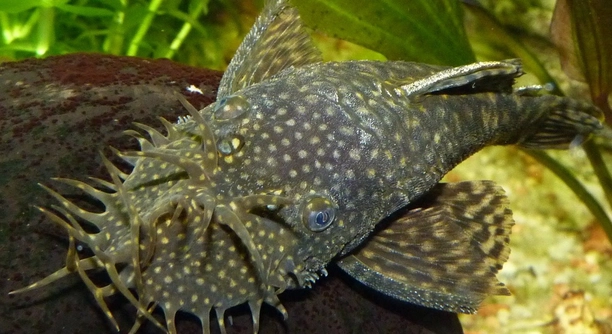
Keeping a pleco in a community tank can be rewarding, but sometimes they avoid certain tankmates. Observing your pleco’s behavior can reveal subtle signs of stress or discomfort in its environment. Understanding these habits helps ensure a peaceful aquarium.
Plecos often avoid certain tankmates due to differences in temperament, territorial behavior, and competition for food or hiding spots. These fish prefer calm, well-structured environments and may retreat from aggressive or overly active companions to reduce stress.
Learning about your pleco’s natural instincts and preferences can improve its wellbeing. Knowing why it avoids some fish helps create a healthier and more harmonious tank.
Understanding Pleco Territorial Behavior
Plecos are naturally territorial fish. They like to have their own space in the tank, especially around hiding spots, driftwood, and caves. When a pleco feels crowded, it may avoid other fish to protect its territory. In my experience, placing multiple hiding areas and decorations in different corners of the tank helps reduce tension. This setup allows your pleco to explore freely without feeling threatened. Some plecos are more aggressive than others, depending on their species and size. Observing your pleco’s daily movements can help you identify areas it considers “safe zones.” When other fish encroach on these areas, your pleco will likely retreat to a quieter section. Over time, they become comfortable with their surroundings, but sudden changes, such as adding new fish, can cause them to hide more often. Keeping the environment consistent and structured encourages confidence and reduces stress, letting your pleco thrive alongside other tankmates peacefully.
Plecos avoid conflict by sticking to areas they feel secure. A well-structured tank encourages them to explore gradually without stress.
Providing multiple shelters and clear boundaries within the tank gives plecos confidence. It reduces fights over territory and allows for calmer interactions with other fish. Observing where they choose to rest or hide is key to maintaining a balanced tank environment. Consistent placement of decorations and plants helps your pleco establish routine zones, which minimizes stress and aggression. Overcrowding and sudden changes can disrupt this balance, making the fish shy or defensive. By understanding territorial needs, tank maintenance becomes easier, and your pleco’s behavior becomes predictable. You’ll notice fewer skirmishes and more periods of relaxed activity. Some species may still assert dominance, but with careful observation, these behaviors can be managed. Overall, respecting a pleco’s space ensures a healthier and more peaceful tank community.
Compatibility with Other Fish
Plecos often avoid fast-moving or aggressive tankmates. Fish that constantly chase or compete for food can stress them out, causing them to retreat.
Selecting calm, slow-moving fish helps reduce stress in the tank. Species that occupy different levels, such as midwater swimmers, allow plecos to feel secure at the bottom. In my experience, pairing plecos with peaceful fish encourages interaction without conflict. Observation is crucial, especially after introducing new fish. Some plecos may adjust over time, while others continue to avoid certain species. Providing ample food in multiple locations ensures your pleco can eat without competition. Adjusting tank layout, adding extra hiding spots, and monitoring interactions daily helps maintain balance. Even slight changes in lighting or water flow can influence pleco behavior. By focusing on compatible companions and careful planning, you can reduce tension and encourage a more harmonious tank environment for your pleco. Keeping stress low allows them to display natural behaviors, feeding actively and exploring their surroundings comfortably.
Environmental Factors Affecting Pleco Behavior
Water quality and temperature significantly impact pleco behavior. Poor water conditions can make them hide or avoid other fish. Maintaining clean water and stable parameters encourages them to be more active and interact safely with tankmates.
Plecos are sensitive to changes in pH, ammonia, and nitrate levels. When water is unbalanced, they become stressed and may retreat to hiding spots more frequently. Even small fluctuations in temperature or flow can alter their behavior. I have noticed that consistent filtration and regular water changes help plecos feel secure and reduce avoidance. Monitoring water quality daily ensures they remain healthy and active. Adding natural elements like driftwood or plants can mimic their natural environment, promoting comfort. A stable, clean tank allows your pleco to establish routines and interact peacefully with other fish.
Lighting and tank noise also affect plecos. Bright lights or sudden disturbances can cause them to hide or move less. Providing shaded areas, dim lighting, and quiet surroundings reduces stress. Over time, they learn safe zones and become more predictable in their movements, making coexistence with other fish easier. Observing how plecos respond to these conditions helps in creating a balanced and calm environment where they can thrive naturally.
Feeding Habits and Social Interactions
Plecos may avoid tankmates that compete for food or disrupt their feeding times. Providing multiple feeding spots reduces stress and ensures they get enough nutrition.
Plecos are bottom-feeders and prefer to eat in calm areas. When active or aggressive fish are nearby during feeding, plecos may retreat or wait until the tank is quieter. I often scatter food in several locations to prevent competition and allow my pleco to feed without interruption. Timing feeding schedules and observing how each fish reacts can reduce stress. Some plecos are shy eaters and may only feed when the tank is calm, while others are bolder. Understanding their feeding behavior helps in maintaining a peaceful tank. Ensuring that food reaches all fish without conflict encourages healthier interactions and reduces hiding.
Social interactions among plecos are subtle. They usually avoid confrontation but may establish minor hierarchies around food or favorite hiding spots. Watching these patterns allows you to anticipate conflicts. Plecos that feel secure tend to be more tolerant of others, while stressed individuals remain distant. By providing adequate space, separate feeding areas, and structured hiding zones, you create a harmonious environment. Adjusting the tank layout according to observed behaviors can prevent tension and encourage more natural, relaxed activity among all fish. These small changes improve both feeding and social dynamics, ensuring your pleco feels safe and confident.
Stress and Hiding Behavior
Plecos often hide when stressed by tankmates, sudden changes, or overcrowding. Providing plenty of hiding spots and calm areas helps them feel safe. Stress can cause lethargy, reduced appetite, and avoidance of other fish, impacting their overall health.
Monitoring their behavior daily allows you to spot stress early. Small adjustments, like rearranging decorations or adding plants, can make a big difference. When plecos feel secure, they are more active, eat properly, and interact less defensively with tankmates. Consistency in the environment helps reduce stress-related hiding and promotes overall wellbeing.
Nocturnal Nature
Plecos are naturally nocturnal, meaning they are most active at night and prefer to rest during the day. Their daytime hiding is normal behavior and not necessarily a sign of illness.
Tank Size and Layout
A crowded or poorly organized tank can make plecos avoid other fish. Larger tanks with clear territories reduce stress and allow peaceful coexistence. Proper layout includes multiple caves, driftwood, and open spaces for swimming.
Signs of Illness
Hiding, lack of appetite, or unusual movements may indicate illness in plecos. Observing these signs early ensures timely care and prevents further health issues.
FAQ
Why does my pleco hide all the time?
Plecos are naturally shy and nocturnal, so they spend much of the day hiding. Stress from tankmates, bright lighting, or sudden changes in the environment can make hiding more frequent. Adding multiple hiding spots like caves, driftwood, and plants helps them feel safe and reduces constant retreating. I’ve noticed that even minor rearrangements of the tank can initially make a pleco hide more, but with time, they adjust and explore again once they feel secure. Ensuring stable water conditions and a calm atmosphere also encourages them to be more active.
Is it normal for plecos to avoid other fish?
Yes, it is normal. Plecos are territorial and prefer calm surroundings, often avoiding aggressive or overly active tankmates. Bottom-dwelling fish like plecos need their own space, and overcrowding can lead them to stay hidden. Providing clearly defined areas and multiple feeding spots allows plecos to interact with other fish safely. Some species may be more social, but generally, avoidance is a natural behavior. I’ve found that observing where a pleco chooses to rest or hide gives valuable insight into which tankmates may be causing discomfort. Over time, careful planning can help reduce tension.
Can my pleco and other fish coexist peacefully?
Yes, with proper planning. Choosing calm, slow-moving fish that occupy different levels of the tank reduces conflicts. Plecos usually stay near the bottom, so midwater or surface swimmers rarely disturb them. Ensuring multiple hiding places and distributing food prevents competition and reduces stress. In my experience, a well-organized tank layout with clear territories makes coexistence smoother. Monitoring new additions carefully is key, as some plecos may initially hide or act defensively before adjusting. Gradual introductions and observing interactions daily help maintain harmony in the tank.
Why does my pleco only come out at night?
Plecos are naturally nocturnal, meaning they are most active during low-light periods. This behavior is normal and doesn’t indicate a problem. I’ve noticed that dimming the tank lights slightly in the evening encourages them to explore and feed. They often rest during the day in caves or under driftwood, which is typical behavior for these fish. Providing areas with soft lighting or shaded zones ensures they feel secure while resting.
Could poor water quality cause my pleco to avoid other fish?
Absolutely. Plecos are sensitive to water parameters. High ammonia, nitrite, or nitrate levels can stress them, causing hiding or avoidance behavior. Regular water testing and consistent water changes are essential. Stable temperatures and balanced pH levels also help plecos feel secure and reduce stress-related hiding. I always make sure to monitor water quality closely, especially after adding new fish or changing tank decorations. Small improvements like proper filtration, aeration, and routine maintenance make a noticeable difference in behavior and overall health.
What are signs that my pleco is stressed?
Stress in plecos shows as excessive hiding, reduced appetite, erratic swimming, or staying in one spot for long periods. Changes in color, clamped fins, or rapid gill movement can also indicate stress. I’ve found that stress often appears after introducing new tankmates, sudden water changes, or overcrowding. Providing hiding spots, stable water conditions, and peaceful companions helps reduce stress and encourages natural behavior. Observing your pleco daily allows you to spot early signs and take action before health is affected.
How do I make my pleco feel safe with other fish?
Give them multiple hiding areas, maintain calm tankmates, and provide sufficient food without competition. Keeping water conditions stable and avoiding sudden changes in temperature, lighting, or tank layout makes them feel secure. Gradual introductions of new fish and observing interactions carefully also helps. In my experience, plecos that feel safe explore more, feed better, and coexist peacefully, while those in stressful environments remain withdrawn. Consistency and patience are key to fostering confidence in your pleco.
Do plecos get along with all fish?
Not all fish are compatible. Aggressive or fast-moving species often stress plecos. They do better with peaceful, non-competitive tankmates that occupy different areas of the tank. Providing clearly defined territories and monitoring interactions reduces conflicts. I’ve noticed that some plecos are more tolerant than others, but careful selection of tankmates is crucial for a harmonious environment. Avoid overcrowding and maintain separate feeding zones to reduce tension and allow all fish to thrive.
Can plecos adapt to new tankmates over time?
Yes, many plecos adjust gradually if their environment is stable. Initially, they may hide or act defensively, but with multiple hiding spots, calm tankmates, and consistent feeding routines, they often become more confident. I’ve seen plecos that were extremely shy begin exploring their tank and interacting peacefully after several weeks of careful observation and adjustments. Patience and a well-structured tank are essential for smooth adaptation.
Should I rearrange my tank to prevent my pleco from avoiding other fish?
Rearranging can help but should be done gradually. Adding new hiding spots or moving decorations slightly may encourage exploration and reduce stress. Sudden large changes can make plecos retreat even more. I’ve found that small, incremental adjustments work best. Observing how your pleco responds to each change helps maintain a comfortable and secure environment.
Final Thoughts
Keeping a pleco in a community tank requires attention to their natural behavior and needs. Plecos are bottom-dwelling fish that are naturally shy and nocturnal. They spend much of their day hiding, which is normal and healthy for them. Avoiding other tankmates is often a way for plecos to protect themselves from stress, aggression, or overcrowding. Providing ample hiding spaces, such as caves, driftwood, and dense plants, helps them feel safe. When plecos feel secure, they are more likely to explore, feed, and interact calmly with other fish. I have noticed that small adjustments in tank layout or adding extra shelters can make a big difference in reducing hiding behavior and increasing activity. Even subtle details, like soft lighting or quiet areas of the tank, contribute to their comfort and overall wellbeing.
Water quality and tank structure are also key factors in pleco behavior. Stable water parameters, including temperature, pH, and clean conditions, are essential for reducing stress. Poor water quality can make plecos hide more, avoid other fish, and become less active. Regular maintenance, such as partial water changes, proper filtration, and monitoring ammonia and nitrate levels, ensures a healthy environment. Tank layout matters just as much. Providing open swimming areas along with clearly defined hiding spots allows plecos to establish territories without conflict. I have found that spacing decorations and creating separate zones for feeding and resting helps minimize competition and encourages peaceful interactions. Even when tankmates are calm, plecos need their own space to feel confident and secure.
Understanding pleco behavior takes patience and observation. They are not aggressive by nature, but they have their own preferences and limits. Some plecos adapt well to community tanks, while others prefer solitude in certain areas. Recognizing their needs, such as quiet spaces, appropriate companions, and proper feeding routines, can prevent unnecessary stress and hiding. Observing patterns in behavior helps identify potential problems early, whether related to water quality, tankmates, or health. Gradually, with consistent care and thoughtful tank management, plecos will feel comfortable and exhibit natural behaviors more often. Providing a stable, well-structured environment not only keeps them safe but also allows all the fish in the tank to coexist more harmoniously. Over time, this approach creates a balanced and calm aquatic habitat that benefits both plecos and their tankmates.

Hello,
If you enjoy the content that we create, please consider saying a "Thank You!" by leaving a tip.
Every little bit helps us continue crafting quality advice that supports the health, happiness, and well-being of pets around the world, for pets of all shapes, sizes, and species.
We really appreciate the kindness and support that you show us!