
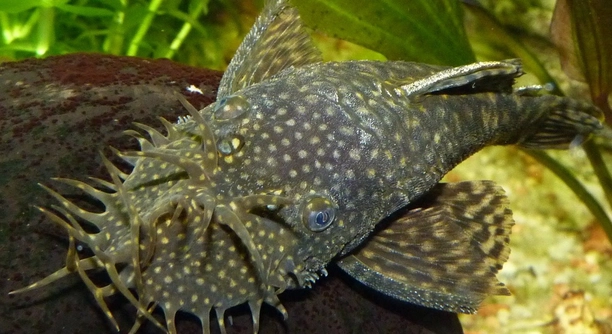
Is your pleco always hiding under the heater, no matter how much space it has in the tank? Many fish owners notice this behavior and feel unsure about what it means for their pet’s health and comfort.
Plecos often stay under the heater because they are seeking warmer water temperatures. Fish are ectothermic, meaning their body temperature adjusts to their environment. A consistent, slightly warmer area can make them feel secure and support their metabolism.
Understanding why your pleco prefers this spot can help improve its habitat and overall well-being. Small adjustments in tank setup may change their behavior and comfort levels significantly.
Common Reasons Plecos Stay Under the Heater
Plecos are sensitive to water temperature changes. Even a few degrees colder than their preferred range can make them uncomfortable. Many plecos instinctively move toward warmer areas to regulate their body functions. Stress or illness can also influence this behavior, as fish often seek out warmth when their immune system is weak. If the tank has cold spots or uneven heating, plecos will naturally gravitate toward the heater. Another factor is oxygen levels. Warmer water holds less oxygen, but plecos are hardy and will tolerate slightly lower oxygen near the heater, especially if the rest of the tank is well-oxygenated. Observation is key; noting when and how often your pleco stays near the heater can indicate whether this is normal comfort behavior or a sign of underlying stress or environmental issues.
Plecos may prefer the heater simply because it is a reliable, stable part of their environment. They feel safe there.
Monitoring water quality is essential to understand your pleco’s behavior. Ensure the heater maintains consistent temperatures and check for fluctuations. Remove debris and test for ammonia, nitrites, and nitrates. Proper filtration and occasional partial water changes keep the tank healthy. If the pleco continues to spend most of its time near the heater, consider adjusting its location slightly or adding hiding spots in other areas of the tank. Observing feeding habits and activity levels can also indicate overall comfort. Small changes often encourage plecos to explore more of the tank, balancing their warmth needs with natural movement and activity, which supports their growth and long-term health.
Temperature Preferences and Tank Setup
Plecos generally thrive in temperatures between 74°F and 80°F. Too low, and they seek warmer areas, like near a heater.
Maintaining the correct temperature range is critical for their metabolism and immunity. Heaters should be placed where water circulation is good to avoid hot spots. Adding decorations or caves away from the heater gives plecos alternative resting areas. Gradually adjusting tank temperature when needed prevents stress. If the tank is too large for a single heater, consider adding a second smaller heater or adjusting the filter flow to distribute heat evenly. Temperature consistency is as important as water quality; sudden drops can lead to illness or inactivity. Observing pleco behavior after changes ensures they are comfortable. A well-set tank encourages natural exploration, feeding, and activity, reducing constant reliance on the heater. Proper lighting, substrate, and hiding spots complement the warmth, creating an environment that supports both their health and natural behavior patterns effectively.
Adjusting Heater Placement
Moving the heater slightly can encourage your pleco to explore other parts of the tank. Position it where circulation spreads warmth evenly, avoiding extreme hot spots.
Plecos respond well to gentle changes in their environment. Shifting the heater to a less central spot can reduce the pleco’s constant reliance on that area. Pairing this with new hiding spots or decorations encourages natural movement while still providing warmth. Consistency in temperature remains essential, so any adjustments should be gradual. Observing how the pleco reacts helps ensure it remains comfortable and active, without causing stress or sudden behavioral changes.
Other tank modifications can complement heater placement. Adding driftwood or caves in cooler areas gives your pleco alternative resting zones. Ensuring proper filtration maintains oxygen levels throughout the tank, preventing them from clustering near the heater for comfort alone. Small plants or ornaments can create microclimates, balancing warmth with exploration opportunities. Monitoring the pleco’s behavior over several days shows whether these changes encourage healthy movement, feeding, and resting patterns. With patience, most plecos adjust well to a more evenly heated environment.
Monitoring Water Quality
Regular water checks prevent issues that drive plecos toward the heater. Testing for ammonia, nitrites, and nitrates ensures a safe environment.
Plecos are sensitive to water quality fluctuations. High ammonia or nitrite levels stress fish, making them seek warmth or hiding spots near the heater. Consistent testing helps catch issues early. Combining partial water changes with proper filtration keeps the tank stable. Monitoring pH and hardness alongside temperature creates optimal living conditions, reducing abnormal behavior.
Maintaining clean water supports overall health and encourages plecos to explore beyond the heater. Filtration, aeration, and occasional substrate cleaning remove debris and reduce toxins. Observing your pleco’s activity and appetite after water maintenance confirms that environmental factors are balanced. Small adjustments, like adding extra filtration or increasing circulation, can make previously less appealing areas comfortable for the pleco. This promotes natural movement, reduces stress, and prevents clustering near the heater while keeping the tank healthy and inviting.
Signs of Stress in Plecos
A pleco that stays near the heater constantly may be stressed. Look for lethargy, loss of appetite, or unusual hiding patterns.
Stress can also show as rapid breathing or frayed fins. Observing these signs early helps prevent illness and ensures your pleco stays healthy and comfortable.
Balancing Tank Temperature
Keeping the water evenly heated prevents your pleco from clustering near a single warm spot. Use a reliable thermometer and adjust gradually. Regular checks and consistent heat distribution support normal behavior and reduce stress, helping plecos feel secure and more active throughout the tank.
Providing Hiding Spots
Adding caves or driftwood away from the heater gives plecos alternative resting areas, promoting exploration and reducing dependency on the heated zone.
FAQ
Why does my pleco only come out at night?
Plecos are naturally nocturnal. They prefer to hide during the day and become active at night. This behavior is normal and does not indicate illness. Providing hiding spots and shaded areas helps them feel safe during daylight hours. Nighttime activity is when they usually feed and explore the tank.
Is it bad if my pleco spends most of its time under the heater?
Not necessarily. Plecos often stay under the heater to maintain an optimal temperature. However, if it becomes constant and your pleco shows signs of stress, lethargy, or poor appetite, it could indicate a problem with water quality, temperature, or overall tank conditions.
Can uneven tank temperatures harm my pleco?
Yes. Sudden drops or large temperature differences can stress plecos, weaken their immune system, and increase the risk of disease. Consistent and gradual temperature changes are safer. Using a thermometer in multiple tank areas ensures proper heat distribution.
How do I know if my pleco is comfortable with the heater placement?
Observe its behavior. If it rests near the heater but also explores the tank, feeds normally, and shows no stress signs, the placement is fine. Limited movement, hiding constantly, or avoiding other areas may mean the heater needs adjustment or more hiding spots are needed.
Should I use multiple heaters in a large tank?
In larger tanks, one heater may not provide even warmth. Multiple heaters or a combination of a heater and strong water circulation ensures the entire tank maintains stable temperatures. This prevents cold spots and reduces the pleco’s tendency to stay in one warm area.
Does water quality affect my pleco’s heater habits?
Absolutely. Poor water quality can make plecos seek warmth and shelter more often. Ammonia, nitrites, and nitrates stress them, causing them to cling to areas they perceive as safe, like near the heater. Regular water testing and partial water changes prevent this behavior.
Are plecos stressed if they hide too much?
Excessive hiding can indicate stress, illness, or poor tank conditions. While plecos naturally hide, a sudden increase in hiding behavior or refusal to eat suggests something is wrong. Checking temperature, water quality, and diet often resolves the issue.
How can I encourage my pleco to explore the tank more?
Adding caves, driftwood, and decorations away from the heater encourages movement. Gradually adjusting the heater location and ensuring consistent water temperature helps. Offering food in different areas also motivates exploration while keeping the pleco comfortable.
Does diet influence my pleco’s heater preference?
Yes. Plecos digest better at optimal temperatures. If the tank is too cold, digestion slows, and they may stay near the heater to aid metabolism. Feeding high-quality, varied foods supports their health and encourages natural activity patterns.
Can too much light affect my pleco’s behavior?
Plecos prefer dim or shaded areas. Bright lighting can make them hide more and stay near warm, sheltered spots. Providing shaded areas or floating plants helps balance light, encouraging them to explore without stress.
Is it normal for plecos to ignore the rest of the tank?
It can be normal if the pleco feels secure near the heater. Persistent avoidance, however, might indicate temperature issues, poor water quality, or stress. Monitoring behavior and tank conditions ensures a healthy environment.
How often should I check my tank temperature?
Daily checks are best, especially in tanks with sensitive fish. Consistent monitoring prevents sudden drops or uneven heating, keeping plecos comfortable and reducing excessive clustering near the heater.
Can tank size impact heater preference?
Yes. Smaller tanks may have more uniform temperatures, while larger tanks can develop cold spots. Plecos will naturally seek warmer areas if the heater does not distribute heat evenly. Adjusting heater placement or adding circulation helps balance temperature throughout the tank.
What other behaviors indicate a pleco is healthy?
A healthy pleco explores, feeds regularly, maintains good coloration, and rests in different parts of the tank. Occasional time near the heater is normal, but varied activity throughout the tank shows comfort and well-being.
Is it okay to leave the heater on all the time?
Yes, as long as the temperature is within the pleco’s ideal range. Sudden off periods or inconsistent heating can stress them. Using a reliable heater with a thermostat ensures stable conditions and keeps the pleco comfortable.
This FAQ covers the most common concerns about plecos staying under the heater, including temperature, behavior, and tank setup. Observing your pleco and maintaining a balanced environment ensures it remains healthy, active, and stress-free.
Final Thoughts
Plecos are fascinating fish that often surprise owners with their habits. One of the most common behaviors is spending a lot of time under the heater. While this can seem unusual, it is usually related to comfort and temperature regulation. Fish are ectothermic, meaning their body temperature depends on the water around them. This makes warmth important for their metabolism, digestion, and overall health. When a pleco rests near the heater, it is often choosing the most comfortable spot in the tank. Understanding this behavior helps owners provide better care and create an environment that supports their fish’s natural needs.
Tank setup plays a major role in pleco behavior. Uneven temperatures, lack of hiding spots, and poor water quality can all make a pleco cluster near the heater more than usual. By keeping the water at a stable temperature, testing regularly for ammonia, nitrites, and nitrates, and providing multiple areas for resting and hiding, you reduce stress and encourage natural exploration. Driftwood, caves, and shaded areas can give plecos alternative places to feel secure without relying solely on the heater. A well-balanced tank not only improves comfort but also supports healthy behavior and activity. Observing the pleco’s habits and making gradual adjustments ensures it remains comfortable and less dependent on one spot.
Monitoring your pleco over time is essential for long-term health. Noticing changes in appetite, activity, or hiding patterns can help catch potential problems early. Small adjustments, such as shifting the heater slightly, adding decorations, or improving water circulation, can make a significant difference. It’s also important to maintain a consistent feeding schedule with a varied diet suitable for plecos. Combining proper temperature management, clean water, and a thoughtfully arranged tank supports overall well-being. By paying attention to these factors, you help your pleco feel safe, reduce stress, and enjoy a more natural lifestyle. Over time, these steps make it easier to understand your fish’s habits and provide an environment where it can thrive comfortably.

Hello,
If you enjoy the content that we create, please consider saying a "Thank You!" by leaving a tip.
Every little bit helps us continue crafting quality advice that supports the health, happiness, and well-being of pets around the world, for pets of all shapes, sizes, and species.
We really appreciate the kindness and support that you show us!