
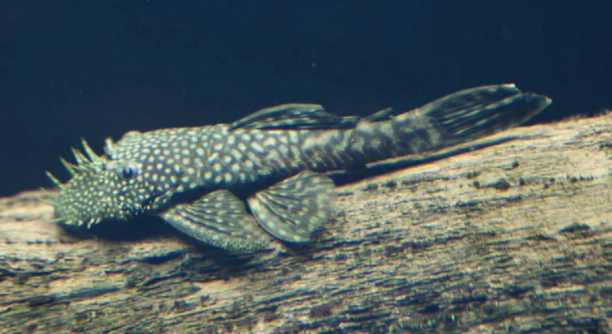
Do you ever notice your pleco acting differently in the tank, swimming less, or hiding more than usual? Small changes in behavior can signal discomfort or stress, even if everything seems normal on the surface.
Several factors can contribute to a pleco’s discomfort, including poor water quality, improper diet, inadequate tank size, insufficient hiding spots, inappropriate tank mates, fluctuating water temperature, and lack of stimulation. Each of these elements can negatively impact their overall well-being.
Recognizing these issues early helps ensure your pleco stays healthy, happy, and active, allowing you to enjoy watching it thrive in a suitable environment.
Poor Water Quality
Dirty or improperly maintained water can stress plecos, affecting their health and behavior. High levels of ammonia, nitrites, or nitrates can cause lethargy, loss of appetite, and unusual hiding. Plecos rely on clean water to breathe properly, regulate their metabolism, and maintain their slime coat, which protects them from infections. Filtration and regular water changes are essential. Even minor fluctuations in pH or hardness can upset them, so testing water weekly is important. Overfeeding can also cloud the water, leading to bacterial growth. Observing your pleco’s activity and checking water clarity can help catch issues early. Plecos are hardy fish, but prolonged exposure to poor water conditions weakens their immune system, making them prone to disease. Keeping the tank clean benefits not only the pleco but the overall tank ecosystem, preventing algae overgrowth and maintaining balanced water chemistry.
Maintaining good water quality requires regular testing, timely water changes, and effective filtration to support the pleco’s health and behavior.
Consistent water maintenance creates a stable environment. Using a water conditioner can neutralize harmful chemicals, and a reliable filter reduces waste buildup. Observing the pleco after changes helps identify improvements or persistent stress. Proper substrate and hiding spots complement water care.
Inadequate Diet
Feeding plecos the wrong foods can lead to malnutrition or digestive problems. They need algae, vegetables, and occasional protein supplements for proper growth and health.
Plecos require a balanced diet that includes fresh vegetables, algae wafers, and occasional protein sources like shrimp pellets or bloodworms. A lack of fiber or variety can cause digestive issues and abnormal behavior.
Providing a mix of foods ensures your pleco receives all necessary nutrients. Leafy greens like spinach and zucchini, along with sinking algae wafers, form the base of a healthy diet. Treats like shrimp pellets or frozen bloodworms can be offered in moderation to stimulate interest and mimic natural feeding. Overfeeding can be harmful, causing water pollution and obesity, so portion control is important. Monitoring the pleco’s eating habits helps detect health problems early, such as loss of appetite or unusual stool. Rotating vegetables and protein sources prevents nutrient deficiencies, keeps the fish active, and supports their natural foraging behavior. A well-fed pleco is more likely to display vibrant color, explore the tank, and interact with its environment.
Inadequate Tank Size
Plecos need space to move and grow. A small tank can cause stress, stunted growth, and unusual hiding behavior. Providing enough room is essential for their physical and mental well-being.
A tank that is too small limits swimming space and exploration. Plecos are active bottom dwellers, and cramped conditions can lead to aggression or territorial disputes, especially with tank mates. They also produce significant waste, which small tanks cannot dilute effectively, leading to poor water quality. A larger tank allows for natural behavior, proper filtration, and the inclusion of hiding spots. Choosing the correct tank size based on the pleco species is vital, as some can grow very large over time. Regular observation helps identify stress caused by overcrowding.
Overcrowded tanks also make it difficult to maintain a clean environment. When water quality deteriorates, plecos become more vulnerable to disease. Ample space promotes healthy growth, better behavior, and stronger immunity. Plants, rocks, and driftwood further enhance the habitat and encourage natural activity.
Lack of Hiding Spots
Plecos feel exposed without places to hide. Insufficient cover increases stress and can reduce activity and appetite.
Providing caves, driftwood, and plants allows plecos to feel safe and reduces stress. They naturally seek shelter during the day, and hiding spots also support territorial needs, especially in community tanks.
Hiding spots simulate the pleco’s natural environment and encourage normal behavior. Driftwood is particularly important, as some species graze on it for fiber and digestive aid. Rocks, PVC pipes, and artificial caves provide alternative shelters, giving plecos options to retreat and rest. Positioning these spots strategically across the tank prevents conflict and allows multiple plecos to coexist peacefully. A well-decorated tank supports mental stimulation, reducing boredom and promoting activity. Observing which hiding spots are preferred helps optimize placement and improve comfort. A pleco that feels secure is more likely to feed regularly, explore, and display healthy colors.
Incompatible Tank Mates
Some fish disturb plecos, causing stress and hiding. Aggressive or overly active tank mates prevent plecos from feeding and resting comfortably.
Peaceful species are best, as plecos need quiet space. Avoid fin-nipping or territorial fish, which can injure or intimidate them.
Fluctuating Water Temperature
Plecos are sensitive to sudden temperature changes. Keeping water stable between 72–82°F prevents stress and illness.
Sudden drops or spikes can weaken their immune system. A reliable heater and thermometer help maintain consistent conditions. Regular monitoring ensures plecos remain active and healthy.
Lack of Stimulation
Plecos can become bored without objects to explore or graze on. A bare tank limits natural behavior and exploration.
Adding driftwood, rocks, and algae encourages grazing and movement. Changing decorations occasionally keeps the environment engaging, promoting overall mental and physical health.
FAQ
How often should I change my pleco’s water?
Plecos need clean water to stay healthy. Performing a partial water change of about 20–30% weekly is usually sufficient. This removes waste and toxins without shocking the fish. Always treat tap water with a conditioner before adding it to the tank to neutralize chlorine and chloramine.
What vegetables are best for plecos?
Plecos enjoy a variety of vegetables, including zucchini, cucumber, spinach, and peas. These provide essential fiber and nutrients for digestion. Blanching vegetables makes them softer and easier to eat. Rotating vegetables ensures your pleco receives a balanced diet while keeping feeding interesting.
How can I tell if my pleco is stressed?
Signs of stress include hiding constantly, reduced appetite, unusual swimming patterns, or rubbing against objects. Stress can result from poor water quality, incompatible tank mates, or lack of hiding spaces. Observing behavior daily helps identify problems early and allows you to adjust tank conditions promptly.
Do plecos need supplemental protein?
Yes, occasional protein like shrimp pellets or frozen bloodworms supports growth and overall health. Protein should be offered in moderation, as overfeeding can lead to water pollution and digestive issues. Vegetables should remain the main component of their diet to ensure proper fiber intake.
How big will my pleco get?
The size depends on the species. Common plecos can reach 12–24 inches, while smaller species like bristlenose plecos stay around 4–6 inches. Knowing the adult size is crucial when selecting a tank, as overcrowding can stress both the pleco and other fish.
Can plecos live with other fish?
Yes, but compatibility matters. Peaceful community fish are ideal. Avoid aggressive species or fin-nippers, as they can injure or stress plecos. Providing hiding spots reduces conflict, allowing plecos to feel safe and maintain normal feeding and resting behavior.
Why is my pleco not eating?
Loss of appetite can indicate stress, illness, or poor water conditions. Check water parameters, temperature, and tank mates first. Offering fresh vegetables or a new type of algae wafer can stimulate interest. Persistent refusal to eat may require veterinary advice to rule out disease.
How do I maintain water temperature?
Use a reliable aquarium heater and thermometer. Plecos thrive in stable temperatures between 72–82°F. Avoid placing the tank near drafts, heaters, or windows to reduce sudden fluctuations. Gradual changes are better than sudden shifts to prevent stress and immune system weakening.
What decorations are best for plecos?
Driftwood, caves, and rocks are ideal. Driftwood provides fiber and grazing opportunities, while caves and hiding spots reduce stress and support natural behavior. Arranging decorations to create multiple hiding areas allows plecos to choose safe spaces while exploring their environment.
How do I prevent algae overgrowth?
Algae control involves proper lighting, regular water changes, and not overfeeding. Plecos eat algae but may not control it entirely. Balancing nutrients and light duration helps maintain a healthy tank without excessive algae growth. Manual removal can also keep algae manageable.
Can plecos recognize their owners?
Plecos may not interact like surface fish, but they can learn feeding routines and become familiar with their caretaker’s presence. They may swim closer during feeding times or react to movement outside the tank. This recognition is subtle but observable with consistent observation.
Do plecos need a special substrate?
Soft substrates like sand or smooth gravel prevent injury to delicate fins and undersides. Rough substrates can cause abrasions or stress. Sand also allows natural foraging behavior, which supports digestion and mental stimulation. Choosing the right substrate contributes to overall tank health.
How often should I clean the tank?
Besides weekly water changes, removing uneaten food, scrubbing algae from surfaces, and checking the filter is necessary. Avoid full water replacement unless absolutely necessary, as it can shock the pleco. Consistent maintenance keeps water parameters stable and prevents disease.
Why does my pleco hide all the time?
Hiding is normal, especially during daylight, but constant hiding may signal stress, poor water quality, or inappropriate tank mates. Ensuring ample cover, stable water parameters, and compatible fish encourages healthy activity without compromising safety. Observation helps distinguish normal hiding from stress-induced behavior.
Can plecos live in cold water?
Most plecos prefer tropical temperatures. Water below 70°F can slow metabolism, reduce appetite, and increase susceptibility to disease. Using a heater to maintain stable temperatures supports health and normal activity levels. Cold water should be avoided for long-term housing.
How do I encourage my pleco to eat?
Introduce fresh vegetables, algae wafers, or occasional protein treats. Changing the location of food or slightly adjusting feeding times can stimulate interest. Observing the pleco’s preferred foods and feeding habits helps maintain consistent nutrition and overall health.
Is it necessary to quarantine new fish?
Yes, quarantining prevents disease transmission. A 2–4 week period allows observation and treatment if needed. Introducing new fish directly to the main tank can expose plecos to parasites, bacteria, or viruses, which can quickly stress or harm them.
Can plecos reproduce in home tanks?
Some species, like bristlenose plecos, can breed in captivity if conditions are ideal. Providing caves, proper diet, and stable water parameters encourages spawning. However, not all species breed readily at home, and some require specific triggers like seasonal temperature changes or increased food availability.
Why does my pleco scrape against objects?
Occasional scraping helps remove algae from their body and maintain the slime coat. Excessive scraping, however, can indicate parasites, poor water conditions, or stress. Observing frequency and water parameters can help determine whether scraping is normal or a sign of a problem.
How do I handle a sick pleco?
Isolation in a hospital tank, maintaining clean water, and monitoring temperature are key. Depending on symptoms, medicated food or treatment may be required. Avoid handling the fish excessively, as plecos have delicate fins and slime coats that protect against infection.
What is the lifespan of a pleco?
Most plecos live 10–15 years with proper care, though some species can exceed 20 years. Stable water, a balanced diet, and adequate space contribute to longevity. Long-term care ensures your pleco remains healthy and active throughout its life.
How do I tell the sex of my pleco?
Sexing plecos can be tricky. Males often have broader heads, larger pectoral fins, and more pronounced bristles in species like bristlenose plecos. Females tend to be rounder in the abdomen, especially when carrying eggs. Observation over time helps identify gender accurately.
Can plecos coexist with shrimp or snails?
Yes, most plecos coexist peacefully with shrimp or snails. However, large or aggressive plecos may disturb smaller invertebrates. Providing hiding spots for both plecos and invertebrates ensures safety and minimizes conflict while maintaining a balanced tank ecosystem.
Do plecos need light at night?
Plecos are nocturnal and prefer darkness during nighttime. Keeping the tank dark allows natural resting patterns, reduces stress, and encourages normal feeding behavior at night. A dim light during observation is fine, but constant illumination can disrupt their routine.
How do I prevent my pleco from overgrowing the tank?
Choose a species suited to your tank size. Common plecos grow large and require spacious aquariums, while smaller species like bristlenose are more manageable. Planning ahead and providing appropriate space ensures healthy growth without overcrowding or stress.
Are plecos sensitive to chemicals?
Yes, plecos react strongly to chlorine, ammonia, and heavy metals. Always treat tap water with a conditioner and avoid using chemicals near the tank. Maintaining water stability is crucial to prevent stress, illness, and behavioral changes.
Can plecos eat live plants?
Some species may nibble on soft plants, though most prefer algae and vegetables. Hardy plants like Java fern or Anubias resist damage. Observing plant damage helps determine feeding habits and protects the tank’s greenery while ensuring plecos get adequate nutrition.
Do plecos need supplements?
Occasional supplements like calcium or vitamins can support health, especially in tanks with minimal natural grazing. Proper diet usually provides most nutrients, but supplements can prevent deficiencies in certain environments or species.
How do I reduce stress during tank maintenance?
Perform gentle water changes, avoid sudden movements, and maintain consistent temperature. Keeping a calm environment and providing hiding spots minimizes stress while ensuring water quality and hygiene remain high.
What signs indicate illness in plecos?
Lethargy, abnormal swimming, clamped fins, white spots, and loss of appetite are common signs. Observing behavior and water parameters helps identify illness early, allowing prompt intervention to improve recovery chances.
Can plecos survive without algae?
Algae is part of their diet but not the only source of nutrition. Vegetables and algae wafers can replace natural algae, ensuring proper fiber and nutrients while maintaining digestive health and normal behavior.
How do I acclimate a new pleco?
Float the bag in tank water to match temperature, then gradually mix tank water into the bag over 30–60 minutes. This reduces shock and allows the pleco to adjust safely to new water conditions.
Is tap water safe for plecos?
Tap water is safe if treated with a water conditioner to remove chlorine, chloramine, and heavy metals. Untreated tap water can harm plecos, causing stress, illness, or death. Regular monitoring ensures safety.
Do plecos need aeration?
Adequate oxygen levels are important. Using an air stone or strong filtration promotes oxygen circulation. Plecos can survive in moderate oxygen, but proper aeration supports health, activity, and overall well-being.
How often should I feed my pleco?
Feeding every 1–2 days is sufficient for most species. Overfeeding can cause water quality issues. Observe appetite and adjust portions to maintain a balanced diet and prevent leftovers from fouling the tank.
What should I do if my pleco stops moving?
Check water parameters, temperature, and tank mates immediately. A lethargic pleco may be stressed, sick, or injured. Isolate if needed and seek veterinary advice if inactivity persists, as prompt intervention improves recovery chances.
How do I encourage breeding in plecos?
Provide caves, optimal water conditions, and a nutrient-rich diet. Gradually raising temperature and offering varied foods can trigger spawning behavior. Species-specific research ensures successful breeding attempts while maintaining health.
Do plecos need a filter?
Yes, strong filtration maintains water quality, removes waste, and supports oxygenation. Plecos produce significant waste, so an efficient filter is essential to prevent ammonia and nitrate buildup, ensuring health and normal activity.
Can plecos survive in a small tank temporarily?
Short-term survival is possible, but stress, poor water quality, and stunted growth are risks. Providing hiding spots, frequent water changes, and monitoring behavior can reduce negative effects until a larger tank is available.
How do I know if my pleco is happy?
A healthy pleco is active at night, eats regularly, explores the tank, and shows normal coloring. Consistent behavior, smooth movement, and interest in food indicate well-being and comfort in its environment.
Can plecos live with goldfish?
Generally, plecos tolerate goldfish, but temperature preference differs. Goldfish prefer cooler water, while plecos thrive in tropical temperatures. Careful monitoring and tank adjustments are needed to ensure both species remain healthy and stress-free.
What water parameters are ideal for plecos?
Temperature 72–82°F, pH 6.5–7.5, ammonia and nitrites at 0 ppm, and nitrates below 20 ppm are ideal. Stable water chemistry supports digestion, immune function, and activity, preventing stress and disease.
Are plecos nocturnal?
Yes, plecos are mostly active at night. Providing hiding spots during the day and feeding in the evening or after lights go off supports their natural behavior and reduces stress from constant exposure.
Do plecos need tank mates?
Plecos are solitary bottom dwellers but can coexist with compatible species. They do not require tank mates for social interaction but benefit from a peaceful community for environmental enrichment and reduced stress.
Can plecos live in a planted tank?
Yes, planted tanks offer hiding spots and grazing surfaces. Hardy plants like Anubias or Java fern are best, as delicate plants may be eaten or uprooted. Plants also help maintain water quality and provide shade.
How long can plecos survive without food?
They can survive a few days to a week depending on size and health. Extended fasting is stressful and should be avoided. Regular feeding ensures proper nutrition and supports overall health.
Do plecos need special lighting?
Moderate lighting is sufficient. Bright lights can stress plecos, while low light or shaded areas mimic natural conditions. Providing hiding spots and plants ensures comfort and supports nocturnal behavior.
Can plecos eat commercial fish food?
Yes, algae wafers and sinking pellets are suitable. They should supplement vegetables and occasional protein sources to provide balanced nutrition while supporting natural grazing behavior.
How do I prevent fungal infections in plecos?
Maintain clean water, avoid injuries, and monitor tank mates. Quarantine new fish, provide hiding spots, and use medicated treatments if infections appear. Good water quality and diet reduce risk.
What are signs of ammonia poisoning in plecos?
Gasping at the surface, red or inflamed gills, lethargy, and loss of appetite indicate ammonia exposure. Immediate water change and filtration adjustment are required to prevent severe damage.
Can plecos live in brackish water?
Most plecos are freshwater species. Some tolerate slight brackish conditions, but prolonged exposure can stress or harm them. Research your specific species before introducing salt to the tank.
Do plecos need a cover on the tank?
Yes, a cover prevents jumping and reduces stress. Plecos may explore edges, and a secure lid keeps them safe while maintaining stable temperature and water conditions.
How do I treat parasites in plecos?
Isolation in a hospital tank and medicated treatments are effective. Follow species-specific instructions and maintain clean water to support recovery. Early detection improves treatment success.
Can plecos live with bettas?
Plecos usually coexist peacefully with bettas, but individual betta aggression may vary. Providing hiding spots and monitoring interactions ensures safety for both species and reduces stress-related behavior.
How do I introduce a new pleco to an established tank?
Float the bag to match temperature, gradually mix tank water, and release the pleco near hiding spots. Monitor behavior for stress or aggression and adjust decorations if needed.
Can plecos eat frozen food?
Yes, frozen shrimp, bloodworms, or brine shrimp are suitable occasional treats. Thaw and rinse before feeding to prevent water contamination while providing extra protein and variety.
What is the best way to clean a pleco tank?
Perform partial water changes, clean the substrate, scrub algae, and maintain the filter. Avoid full water replacement unless necessary to prevent shock. Regular maintenance preserves water quality, health, and normal behavior.
How can I tell if my pleco is aging?
Slower movement, duller colors, and reduced appetite indicate aging. Older plecos may require more frequent observation and gentle care to maintain comfort, nutrition, and overall well-being.
Do plecos need a special diet in winter?
Maintain regular feeding with vegetables, algae wafers, and occasional protein. Indoor tanks usually stay warm, but ensure temperature remains stable, and diet continues to meet nutritional needs to prevent slowed metabolism.
Can plecos tolerate tap water with high hardness?
Some species tolerate harder water, but sudden changes can stress them. Gradual acclimation and regular monitoring of parameters ensure proper adjustment and prevent health issues.
How do I prevent my pleco from injuring itself?
Provide soft substrates, smooth decorations, and avoid aggressive tank mates. Observing swimming patterns and removing hazards ensures safety and reduces stress, promoting normal behavior and health.
Can plecos be kept in a community tank with cichlids?
Some plecos tolerate cichlids if space and hiding spots are sufficient. Monitor for aggression, especially with territorial species. Proper tank layout reduces stress and supports coexistence while maintaining healthy behavior.
Do plecos need a varied diet?
Yes, a mix of vegetables, algae wafers, and occasional protein supports digestion, growth, and color. Variety prevents deficiencies and keeps the pleco engaged with its environment, encouraging natural feeding habits.
How do I prevent plecos from uprooting plants?
Use hardy plants like Java fern or Anubias attached to rocks or driftwood. Providing driftwood for grazing and hiding reduces interference with plants while maintaining a natural tank environment.
Can plecos eat lettuce?
Yes, but it should be blanched and offered in moderation. Lettuce provides fiber but lacks some nutrients, so it should be supplemented with other vegetables and algae wafers for a balanced diet.
How do I know if my pleco is healthy?
Bright colors, active nocturnal behavior, regular feeding, smooth fins, and clean gills indicate good health. Consistent observation and proper tank conditions help maintain these signs of well-being.
Do plecos need special water flow?
Plecos prefer moderate water flow. Strong currents can stress them, while stagnant water may reduce oxygen. Proper circulation supports oxygenation, natural activity, and healthy feeding habits.
Can plecos survive with fluctuating pH?
Frequent pH changes stress plecos and can lead to illness. Maintaining stable pH within species-specific ranges ensures normal metabolism, feeding, and overall health.
How do I reduce pleco stress during water changes?
Perform slow, partial water changes, avoid sudden temperature shifts, and provide hiding spots. Gentle handling and consistent routines minimize stress and maintain water quality simultaneously.
Do plecos need additional calcium?
Calcium supports bone and fin development. Most diets provide enough, but in soft water tanks, supplements may prevent deficiencies. Driftwood and vegetables can also contribute small amounts naturally.
What is the best way to transport a pleco?
Use a secure, water-filled container, avoid rapid temperature changes, and minimize handling. Providing oxygen and padding reduces stress during travel.
Can plecos survive in low-light tanks?
Yes, they are nocturnal and tolerate low light well. Moderate or dim lighting supports natural behavior, reduces stress, and prevents overgrowth of algae.
How do I prevent plecos from fighting?
Provide multiple hiding spots, avoid overcrowding, and monitor interactions. Territorial disputes often arise from limited space or incompatible tank mates. Adjust decorations and space to reduce conflicts and maintain harmony.
Do plecos need UV sterilizers?
Not necessary for general health, but UV sterilizers help control free-floating algae, bacteria, and parasites. They can supplement water maintenance without replacing proper cleaning and filtration.
**Can plecos
Final Thoughts
Taking care of a pleco requires attention to several details that may seem small at first, but each one affects the fish’s overall health. Plecos are resilient, but neglecting water quality, diet, tank size, or hiding spots can quickly lead to stress, illness, or unusual behavior. Ensuring stable water conditions is one of the most important steps. Testing pH, ammonia, nitrites, and nitrates regularly helps prevent problems before they become serious. A clean tank with proper filtration, regular water changes, and a stable temperature creates a comfortable environment that supports natural behavior and growth. Overfeeding or leaving leftover food in the tank can pollute the water and harm your pleco, so monitoring feeding habits is equally important. Paying attention to these details not only keeps your pleco healthy but also makes caring for it less stressful for you.
Diet also plays a major role in your pleco’s well-being. Vegetables like zucchini, spinach, and peas, combined with algae wafers and occasional protein treats, provide balanced nutrition. Feeding the right amounts and rotating foods prevents deficiencies and keeps the fish active. Plecos are bottom feeders, so placing food in accessible areas encourages natural grazing behavior. Some species also benefit from driftwood, which aids digestion and mimics their natural environment. Providing variety in diet and habitat helps reduce boredom, encourages exploration, and strengthens immunity. Observing your pleco’s eating habits can reveal early signs of stress or illness, allowing for timely adjustments to food, water, or tank conditions. A well-fed pleco is generally more active, displays healthy coloration, and adapts more easily to changes in the tank.
Finally, the environment and companions of a pleco matter as much as food and water. Hiding spots like caves, driftwood, and rocks reduce stress and support natural behavior, while compatible tank mates ensure a peaceful setting. Avoid aggressive or overly active fish, as they can intimidate or injure your pleco. The tank should be large enough to provide swimming space and room for growth. Decorations, plants, and proper substrate improve mental stimulation and make the tank more enjoyable for the fish. Regular observation is key—watch for unusual behavior, changes in appetite, or hiding patterns that could indicate stress or health issues. By keeping water clean, providing balanced nutrition, creating a safe and stimulating environment, and monitoring behavior closely, you can help your pleco thrive for years. These steps ensure the fish stays healthy, active, and comfortable while making care manageable and predictable.

Hello,
If you enjoy the content that we create, please consider saying a "Thank You!" by leaving a tip.
Every little bit helps us continue crafting quality advice that supports the health, happiness, and well-being of pets around the world, for pets of all shapes, sizes, and species.
We really appreciate the kindness and support that you show us!