
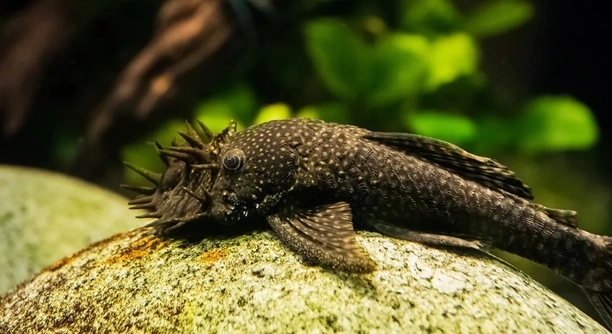
Do your plecos seem to know exactly where their food will appear in the tank? Many aquarium owners notice their bottom-dwelling fish gathering in a familiar spot before feeding time. This behavior can be both fascinating and endearing to observe.
Plecos can recognize their feeding area through a combination of spatial memory and routine. They learn to associate specific locations with food availability, which guides their movement and feeding behavior. This recognition improves efficiency in locating and consuming food.
Understanding this behavior can enhance feeding routines and overall tank management. Observing these patterns provides insight into your plecos’ daily habits and comfort within their environment.
How Plecos Learn Their Feeding Spot
Plecos are remarkable at noticing patterns in their environment. Over time, they begin to link certain areas of the tank with food. This learning usually starts when feeding occurs at the same location regularly. The fish observe where food is placed and gradually adjust their behavior to reach that spot faster. Their sense of sight and ability to remember landmarks within the tank help reinforce this habit. Many aquarium owners notice that plecos will gather near the feeding zone even before food is present. This is not random; it is a response to repeated experiences and anticipation. The more consistent the feeding routine, the stronger the association becomes. Plecos may also use subtle environmental cues, such as shadows or reflections, to confirm where food will appear. This demonstrates a level of intelligence and adaptation that can be rewarding to witness as a caretaker.
Routine feeding can improve your plecos’ confidence and reduce stress. Consistency builds trust in their surroundings.
Observing this behavior closely can offer useful insights. By maintaining a predictable feeding location, you help plecos navigate their environment with ease. It also allows you to monitor their eating habits more accurately. Changes in behavior may signal health issues or stress, making regular observation important. Additionally, understanding their spatial memory can inform tank layout adjustments, ensuring hiding spots and resting areas do not interfere with feeding. Over time, you may notice certain plecos dominate the feeding area while others wait their turn, revealing social dynamics within the tank. Documenting these patterns can help you improve tank management and overall fish wellbeing. Being attentive to their habits strengthens your ability to provide a stable, safe environment that meets both nutritional and behavioral needs.
Signs Your Pleco Recognizes Its Feeding Area
Plecos often display specific behaviors before food arrives. They may hover near the chosen spot or slowly swim around, waiting for the feeding signal.
Consistent feeding helps plecos anticipate the routine. When the area is recognized, they move efficiently toward it, reducing stress and competition. Observing these movements reveals how quickly they adapt to repeated experiences. The behavior also indicates that plecos rely heavily on memory and visual cues rather than random swimming. Some may even seem to “guard” the area, demonstrating that they understand not only the location but the timing of feeding. This awareness can be beneficial for caretakers, as it allows easier monitoring of each fish’s intake. Recognizing these signs helps improve feeding efficiency and ensures that all plecos in the tank receive proper nutrition. It also provides insight into their temperament, showing which fish are more assertive or shy. Adjusting feeding techniques based on these observations can lead to a healthier, more balanced tank environment.
Timing and Routine
Plecos quickly adapt to consistent feeding times. They anticipate when food will appear, often gathering in the feeding area shortly before it is offered. Predictable schedules reduce stress and encourage smoother feeding sessions.
Establishing a clear routine benefits both plecos and caretakers. When food is provided at roughly the same times each day, plecos learn to adjust their activity and remain near the designated area. This reduces unnecessary wandering and keeps the tank environment calmer. Over time, they may even respond to subtle cues like shadows or movements near the feeding zone, signaling that it is time to eat. Routine also allows you to monitor their health, as deviations from expected behavior can indicate illness or stress.
Timing affects social interactions among plecos. Those recognizing feeding schedules may dominate certain areas, while others wait their turn. Understanding this dynamic helps manage multiple fish, ensuring each receives proper nutrition. Scheduling and observing feeding patterns provide insight into individual personalities and the group hierarchy within the tank.
Environmental Cues
Plecos rely heavily on visual and spatial cues to locate food. Objects, decorations, and tank layout influence their feeding efficiency and comfort level.
Clear landmarks and consistent placement of food improve recognition. Plecos use the shapes, colors, and positions of objects to remember where feeding occurs. Changes in layout can confuse them, slowing their response and increasing stress. Even minor adjustments, such as moving rocks or driftwood, can alter their behavior. Caretakers should aim for stability, placing feeding areas near familiar structures. Proper lighting also affects how quickly plecos identify food locations. Bright, uniform light helps highlight the feeding area, while shadows or inconsistent illumination can delay recognition. By understanding how environmental cues affect plecos, you can optimize tank setup to support natural behaviors, reduce stress, and encourage efficient feeding habits.
Feeding Area Familiarity
Plecos quickly become familiar with specific feeding spots. Repeated exposure helps them recognize where food will appear, creating a reliable pattern for daily meals.
This familiarity also reduces stress. When plecos know exactly where to go, they spend less time searching, conserving energy and maintaining a calmer tank environment overall.
Observation and Behavior
Watching plecos during feeding reveals subtle signs of recognition. They may hover near the area, swim in anticipation, or approach immediately once food is introduced.
Adjusting Feeding Practices
Changing feeding locations occasionally can encourage exploration, but abrupt shifts may confuse plecos. Gradual adjustments are more effective for maintaining comfort and consistent eating habits.
Social Dynamics at Feeding
Dominant plecos often reach the feeding area first, while others wait. Recognizing these social patterns helps ensure that all fish receive proper nutrition without excessive competition.
FAQ
Do plecos always go to the same feeding spot?
Plecos usually go to the same spot if feeding is consistent. They rely on routine and memory to locate food efficiently. A stable feeding area helps reduce stress and ensures they do not wander unnecessarily, especially in larger tanks.
How long does it take for a pleco to recognize its feeding area?
Recognition can develop within a few days to a couple of weeks, depending on the fish and feeding consistency. Daily, regular feeding at the same spot strengthens spatial memory, helping plecos quickly learn the location and anticipate mealtime. Patience is key.
Can plecos recognize their feeding area by smell?
Plecos have some ability to detect food using chemical cues in water, but spatial memory and visual cues play a more significant role. They primarily use landmarks, decorations, and tank layout to identify feeding areas rather than relying solely on scent.
What behaviors indicate a pleco knows where it will be fed?
Common signs include hovering near the designated feeding spot, swimming in anticipation, and moving directly to the area when food is introduced. Some may even display subtle waiting behaviors or follow shadows and movements near the feeding zone.
Does tank size affect how plecos recognize their feeding spot?
Yes, larger tanks may require more time for plecos to associate a specific location with food. Landmarks and consistent placement of food become more critical in bigger tanks to ensure the fish can locate the feeding area efficiently.
How do changes in decorations affect feeding recognition?
Moving rocks, driftwood, or plants can confuse plecos temporarily. They rely on visual cues and landmarks, so abrupt changes may slow recognition. Gradual adjustments are better to help them adapt while keeping stress levels low.
Can multiple plecos share the same feeding area without conflict?
Social dynamics play a role. Dominant plecos may reach the food first, while others wait their turn. Observing these interactions helps ensure all fish get adequate nutrition. Using multiple feeding points can reduce competition and stress.
Does feeding at different times impact recognition?
Feeding at consistent times strengthens recognition and reduces confusion. Irregular feeding schedules may delay learning and cause wandering or stress, as plecos rely on routine to anticipate meals.
Are some plecos better at recognizing feeding areas than others?
Yes, individual personality, intelligence, and experience influence learning. Some plecos are more assertive and quickly locate food, while shy or younger fish may take longer to recognize feeding spots.
How can I encourage plecos to recognize a new feeding area?
Introduce the new location gradually and place food consistently there. Using familiar landmarks or partial routines from the old spot helps them adapt more smoothly. Patience and repetition are essential to reinforce the new pattern.
Do plecos ever forget their feeding area?
Plecos generally retain feeding area memory for long periods if routines remain consistent. However, extended changes in tank setup, feeding schedules, or health issues can temporarily affect recognition and behavior. Regular observation helps maintain consistent habits.
Can recognizing a feeding area improve pleco health?
Yes, when plecos know where and when to eat, stress decreases, energy is conserved, and food intake is more reliable. This contributes to overall well-being, encouraging normal growth and behavior patterns.
What role does light play in recognizing feeding areas?
Proper lighting highlights landmarks and the feeding spot, making it easier for plecos to identify where food will appear. Inconsistent or dim lighting can slow recognition and increase hesitation or confusion during feeding.
Is it normal for plecos to guard the feeding area?
Yes, dominant plecos may stay near the food, especially in smaller tanks. This behavior reflects social hierarchy and can be managed by offering multiple feeding points or spreading food to reduce competition.
How can I observe feeding recognition effectively?
Watch for consistent movement toward the feeding area, anticipatory swimming, and reaction to food introduction. Noting these behaviors helps identify patterns, social dynamics, and the effectiveness of your feeding routine.
Does feeding type affect recognition?
Yes, plecos respond faster to familiar foods. Switching food types too often may delay recognition or reduce enthusiasm. Keeping a consistent diet alongside a regular feeding location reinforces predictable behavior.
Can plecos recognize more than one feeding spot?
They can adapt to multiple spots, but it requires clear patterns and repetition. If food is offered at several locations, consistent timing and placement at each site are needed to prevent confusion and ensure all fish eat adequately.
Do plecos recognize feeding areas in community tanks?
Yes, even in community tanks, plecos learn their feeding spots. Observation is important to ensure they are not outcompeted by more aggressive species, and supplemental feeding may be necessary for shy individuals.
How does age affect feeding area recognition?
Younger plecos may take longer to learn feeding locations, while adults usually adapt quickly. Experience, routine, and exposure all contribute to the speed and accuracy of recognition over time.
Are there signs of stress if plecos do not recognize their feeding area?
Yes, excessive wandering, refusal to eat, hiding, or sluggish behavior can indicate confusion or stress. Maintaining a consistent routine and environment helps reduce these negative effects.
Final Thoughts
Observing plecos recognize their feeding area highlights the intelligence and adaptability of these fish. They rely on routine, memory, and visual cues to find food efficiently. Over time, plecos can quickly locate the designated feeding spot and respond to mealtime cues, demonstrating that they are more aware of their surroundings than many realize. Establishing consistent feeding times and maintaining a stable location encourages this behavior, making feeding smoother and less stressful for both the fish and the caretaker. When plecos know what to expect, they spend less energy searching and more energy on natural behaviors such as resting, exploring, and interacting with their environment. This predictability also allows owners to monitor each fish more accurately, noticing any changes in eating habits or health before problems escalate. Even small details, like tank lighting, decorations, and layout, play a role in helping plecos identify the feeding area, showing that attention to the tank environment benefits both fish comfort and care routines.
Consistency in feeding routines provides more than just convenience; it directly impacts the overall well-being of plecos. Fish that can reliably locate food experience less stress and exhibit calmer behavior. Sudden changes in feeding time or location can confuse plecos, causing hesitation or wandering in the tank. This shows that they depend on familiarity and repeated experiences to navigate their environment. Maintaining multiple feeding points can also help manage social dynamics, especially in tanks with more than one pleco or other species. Dominant individuals may try to monopolize the food, while shy fish may hesitate to approach. Spreading food or rotating feeding spots gradually can prevent competition, ensuring that all fish eat properly. Observing these interactions provides insight into their personalities and hierarchy, helping owners tailor care strategies to support each pleco’s needs. Over time, these small adjustments foster a more balanced and harmonious tank environment where feeding is efficient and stress-free.
Understanding how plecos recognize their feeding area can improve both fish health and tank management. By paying attention to their behavior, caretakers can optimize feeding schedules, adjust the environment, and respond to subtle signs of stress or illness. Plecos are capable of learning and adapting, but their success depends on predictable routines and a supportive environment. Careful observation allows owners to identify which fish are thriving and which may require extra attention. This knowledge also provides a sense of satisfaction, as watching plecos navigate their tank confidently and approach their feeding area with anticipation is rewarding. Thoughtful care and attention to detail not only improve daily feeding experiences but also support the long-term health, growth, and natural behavior of plecos, creating a stable and enjoyable aquatic environment.

Hello,
If you enjoy the content that we create, please consider saying a "Thank You!" by leaving a tip.
Every little bit helps us continue crafting quality advice that supports the health, happiness, and well-being of pets around the world, for pets of all shapes, sizes, and species.
We really appreciate the kindness and support that you show us!