
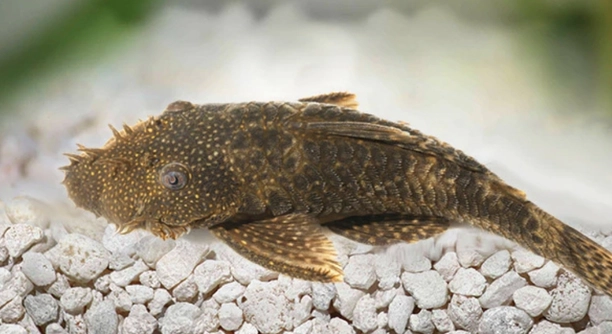
Do bristlenose plecos are popular choices for freshwater aquariums due to their manageable size and algae-eating habits. Their peaceful nature makes them suitable companions for community tanks, adding both activity and utility to aquatic environments.
Bristlenose plecos generally prefer areas with gentle water flow rather than complete stillness. Moderate currents simulate their natural river habitats, promoting healthier behavior, improved oxygenation, and more active feeding patterns, while excessively strong currents may cause stress and inhibit movement.
Understanding their flow preferences helps in designing a tank that encourages natural behaviors and long-term well-being for these fascinating fish. Proper setup ensures they thrive comfortably in any home aquarium.
Understanding Bristlenose Plecos’ Natural Habitat
Bristlenose plecos are native to slow-moving rivers and streams in South America. In these environments, they experience a mix of calm pools and gentle currents. They often hide under rocks, driftwood, or dense vegetation, where water movement is steady but not overwhelming. This combination of flow and stillness helps them feed efficiently and stay safe from predators. In home aquariums, replicating this balance is key. Providing areas with mild current alongside sheltered, calm spots allows plecos to choose where they feel most comfortable. Observing their behavior can guide adjustments. When they cling to decorations or stay in one area for long periods, it may indicate they are avoiding strong currents. Adding air stones, canopies, or strategically placed filters can create zones of varying flow. These small modifications encourage natural behavior, improve oxygenation, and prevent stress. A well-planned habitat ultimately supports their growth and overall health, keeping them active and vibrant.
Creating zones with varied flow ensures bristlenose plecos can maintain comfort and natural behaviors throughout the tank.
Even small adjustments, like repositioning driftwood or adjusting filter output, can dramatically impact their comfort and activity levels. Regular observation allows you to respond to their needs promptly, ensuring they thrive.
Adjusting Flow in Your Aquarium
Properly controlling water movement starts with selecting the right filter.
Choosing the right filter depends on tank size and pleco population. A gentle sponge filter or adjustable canister filter works best, as it provides consistent circulation without overwhelming the fish. Strong currents can tire them out and reduce feeding activity. Positioning the filter outlet to create a soft, indirect flow allows plecos to move freely and rest when needed. Decorations like caves and driftwood act as natural barriers, giving fish options to escape stronger currents. Air stones can enhance oxygenation without increasing current intensity, benefiting both plecos and other tank inhabitants. Monitoring water parameters is also important, as flow impacts oxygen levels and waste distribution. By balancing these elements, you can maintain a healthy environment that mimics their natural habitat. Consistent observation and small adjustments ensure the plecos remain active and stress-free, making tank management easier.
Adjusting water flow carefully can transform a standard aquarium into a space that promotes bristlenose plecos’ natural behavior and well-being.
Managing flow includes testing different setups, observing how fish respond, and making gradual changes to filter placement and tank décor. Patience is key, and creating multiple zones of varying currents encourages activity, feeding, and exploration, resulting in happier, healthier plecos.
Signs Your Pleco Enjoys the Flow
Bristlenose plecos often cling to surfaces or drift slowly with mild currents when comfortable. If they avoid the filter or stay in stagnant areas, it may indicate the flow is too strong. Observing their positioning helps identify their preferred water movement.
When plecos swim actively around the tank or graze algae on rocks and driftwood, it shows they are thriving in the current. Excessive hiding or resting only in calm zones suggests stress from strong flow. Adjusting filter output and rearranging décor can create more balanced conditions. Plecos also benefit from occasional gentle current changes, mimicking natural variations. Maintaining consistent observation allows you to respond to their behavior quickly, ensuring they stay healthy and active.
Clues like fin position and feeding patterns reveal a lot about comfort. Relaxed fins and steady grazing indicate satisfaction, while tightly clamped fins or fleeing from flow show discomfort. Using these subtle signs ensures the tank environment supports natural behavior without overwhelming the fish.
Creating Comfortable Flow Zones
Flow zones are crucial for plecos to choose where they feel safe. Placing rocks, caves, and driftwood near moderate currents creates areas for exploration and rest.
Balancing flow zones means providing both mild currents and calm pockets. Plecos use sheltered areas to rest and escape strong water movement while still having access to flowing zones for oxygen and feeding. Strategically placing decorations near filter outlets softens the current and creates comfortable niches. Air stones can boost circulation without adding excessive force. Observing how plecos move between these zones ensures they use the tank fully, encouraging activity and natural behavior. Proper flow distribution reduces stress and supports overall health, making maintenance easier.
Creating multiple zones with different flow levels allows plecos to choose their preferred spots. It encourages natural movement, prevents fatigue, and improves feeding efficiency. Gradually adjusting these areas based on observation ensures plecos remain comfortable, active, and healthy.
Common Mistakes with Water Flow
Too strong a current can tire out bristlenose plecos, causing them to hide constantly or avoid certain areas of the tank. Overestimating filter power is a frequent issue that disrupts their natural behavior.
Ignoring the need for calm zones is another mistake. Plecos require sheltered areas to rest and feel secure. Without these, stress levels rise, feeding decreases, and overall health may decline. Simple adjustments like repositioning the filter or adding driftwood can correct this quickly, restoring balance and comfort for the fish.
Adjusting Filter Output
Reducing filter flow gradually helps plecos acclimate to the tank environment. Start with the lowest setting and observe their behavior closely.
A sponge filter or adjustable canister filter allows fine control over water movement. Gradually increase output only if plecos actively swim and feed near flowing areas. Rapid changes can stress them, while slow adjustments mimic natural current shifts. Monitoring activity and resting spots helps ensure the flow is comfortable. Creating a balance between gentle current and calm retreats promotes healthier, more active plecos while maintaining proper oxygenation and water circulation.
Observation Tips
Pay attention to how often plecos use flowing versus calm areas. This guides proper flow adjustments.
FAQ
Do bristlenose plecos need strong water flow?
Bristlenose plecos do not need strong water flow. They prefer gentle currents that mimic their natural habitats, allowing them to move comfortably without exhausting themselves. Strong flow can stress them, forcing them to hide or cling to surfaces constantly. Moderate flow provides enough oxygen and keeps waste from settling while keeping the plecos relaxed. Adjusting flow gradually helps them adapt and prevents sudden stress.
Can plecos survive in still water?
Yes, bristlenose plecos can survive in still water, but it is not ideal. Stagnant conditions may reduce oxygen levels and allow waste to accumulate, creating an unhealthy environment. They need at least some movement to promote water circulation and maintain their health. Providing gentle flow even in calm areas encourages feeding, activity, and natural behavior. Small air stones or filter adjustments can improve water movement without creating strong currents.
How do I know if the flow is too strong?
Signs of excessive current include plecos hiding frequently, clinging tightly to surfaces, or refusing to feed in certain areas. Tightly clamped fins, lethargic swimming, or remaining in a single spot are also indicators. Observing these behaviors helps identify areas where the current needs adjustment. Reducing filter output or rearranging tank décor can create calmer zones for the plecos to rest while still maintaining moderate circulation elsewhere.
What decorations help manage water flow?
Driftwood, rocks, and caves are effective in breaking up strong currents. Placing them near filter outlets softens water flow and creates sheltered areas where plecos can rest. Dense plants can also diffuse water movement while providing additional hiding spots. Strategically arranging these decorations balances the tank’s flow, encouraging natural behavior without stressing the fish. It’s helpful to observe how plecos interact with these zones and adjust placement as needed.
Is it better to have one strong current or multiple gentle ones?
Multiple gentle currents are better than a single strong flow. Gentle currents simulate the pleco’s natural environment, allowing them to choose where to swim or rest. Several mild zones also reduce stress and promote exploration, feeding, and natural behavior. Strong, concentrated flow may overwhelm them, causing fatigue or hiding. Adjusting filters and decorations can create a variety of currents without making the tank feel artificial or uncomfortable.
Do plecos prefer flowing water all the time?
No, bristlenose plecos do not prefer constant flow. They naturally alternate between mild currents for activity and calm areas for resting. Providing both ensures they can regulate their energy levels and reduces stress. Calm zones with driftwood, caves, or plants are essential to mimic their natural habitat, giving them control over their environment. Observing how often they move between flowing and still areas helps fine-tune tank conditions.
How often should I adjust the flow?
Flow adjustments should be gradual and based on observation. Sudden changes can stress plecos. Minor tweaks every few days or weeks, depending on their activity and comfort, allow them to adapt. Watch how they feed, rest, and explore before making further changes. Balancing active and calm areas ensures long-term health while keeping the aquarium manageable.
Can air stones replace gentle currents?
Air stones can supplement water movement but should not fully replace gentle currents. They improve oxygenation without creating strong flow, making them useful in calm zones. Pairing air stones with mild filter output provides circulation while maintaining a comfortable environment for plecos. Proper placement ensures bubbles do not disturb resting areas, giving plecos options to move freely.
Will flow preferences change as plecos grow?
Yes, as plecos grow, their flow preferences may shift. Juveniles often hide more and use calmer zones, while adults may explore moderate currents more actively. Adjusting filter output and décor over time helps accommodate changing behaviors and ensures plecos remain comfortable throughout their life stages. Observing their activity at different ages guides these changes.
Does tank size affect flow needs?
Tank size impacts flow distribution. Larger tanks may require multiple flow zones to ensure water circulation throughout, while smaller tanks may only need one gentle current. Proper placement of filters and decorations ensures plecos have both calm and flowing areas regardless of tank size. Balancing these elements maintains health, encourages natural behavior, and reduces stress.
How does temperature interact with flow preferences?
Higher temperatures reduce oxygen levels, making gentle flow more important. Cooler water holds more oxygen, but plecos still need mild circulation. Maintaining appropriate temperature and flow together creates a stable environment. Too much current in warm water can quickly stress plecos, while calm, well-oxygenated zones support their comfort and activity.
What is the easiest way to test if the flow is right?
Observe plecos over several hours or days. If they feed, explore, and rest comfortably without hiding excessively, the flow is appropriate. Adjust filter output or décor if they avoid certain areas, display clamped fins, or become lethargic. Incremental changes help fine-tune conditions and maintain a balanced environment for long-term health.
Bristlenose plecos are small, hardy fish that can thrive in home aquariums when their needs are met. One of the most important factors for their well-being is water flow. In the wild, these fish live in environments with gentle currents and occasional calm areas. Replicating this balance in a tank helps them feel comfortable and promotes natural behavior. Providing zones with varying flow allows plecos to choose where they want to spend their time. Calm areas are essential for resting and hiding, while moderate currents help with oxygenation and feeding. Observing their behavior over time is the best way to ensure the environment is suitable. When plecos are active, grazing on algae, or exploring flowing areas without stress, it indicates the setup is working well.
Proper tank design goes beyond simply controlling flow. Decorations like driftwood, rocks, caves, and plants play a key role in creating a comfortable environment. They break up currents, provide shelter, and allow plecos to move freely without being constantly exposed to strong flow. Adjustable filters or sponge filters are useful because they allow precise control over water movement. Even minor adjustments can make a noticeable difference in pleco behavior. Air stones or bubble wands can also improve oxygenation in calm areas without adding strong currents. By combining flow management with thoughtful decoration placement, aquariums can closely mimic the plecos’ natural habitat, which reduces stress and encourages healthy feeding and activity patterns. Monitoring how plecos interact with these zones helps in making continuous improvements.
Consistency and observation are essential for long-term success. Bristlenose plecos will thrive when they have the choice between calm and flowing areas, but their needs can change as they grow. Juveniles may prefer more sheltered spaces, while adults often explore moderate currents more actively. Gradual adjustments to flow, along with regular observation, help maintain a stable and comfortable environment. Understanding how plecos respond to water movement and providing options for both activity and rest ensures they remain healthy, active, and stress-free. A well-balanced tank setup benefits not only plecos but also other tank inhabitants, promoting overall harmony and stability in the aquarium. Regular monitoring, careful adjustments, and attention to detail are the keys to keeping bristlenose plecos happy and thriving over the long term.

Hello,
If you enjoy the content that we create, please consider saying a "Thank You!" by leaving a tip.
Every little bit helps us continue crafting quality advice that supports the health, happiness, and well-being of pets around the world, for pets of all shapes, sizes, and species.
We really appreciate the kindness and support that you show us!