
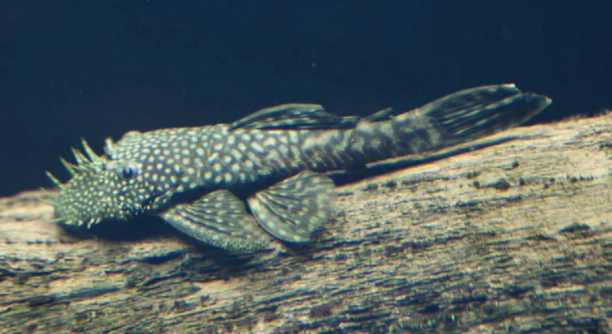
Do you enjoy keeping Bristlenose Plecos but notice them spending most of their time in caves? These small, armored fish have unique habits and preferences that can affect how they use their aquarium space and shelters.
Bristlenose Plecos can outgrow their caves as they mature, especially if the caves are small or designed for juvenile fish. Providing appropriately sized shelters is essential to support their comfort, territorial behavior, and overall well-being in captivity.
Understanding cave size and fish growth will help you maintain a healthier environment and ensure your Plecos remain comfortable and stress-free.
Understanding Bristlenose Pleco Growth
Bristlenose Plecos start small but can grow surprisingly fast, especially in well-maintained aquariums. When young, they fit easily into small caves or hides, but as they mature, their bodies expand in width and length. Many aquarists notice that a cave that once seemed perfect becomes cramped after a few months. Growth depends on factors like diet, water quality, and tank size. A healthy Pleco with plenty of space, balanced food, and clean water can reach six inches or more. Male Plecos may also develop larger bristles on their heads, which adds to their size. Their natural behavior includes hiding, resting, and grazing on algae. If a cave becomes too small, the fish may avoid it entirely or show stress behaviors, such as staying out in the open or constantly moving. Regular observation helps detect early signs of discomfort and prevent health issues. Adjusting the aquarium setup ensures they remain comfortable.
Providing larger caves is a simple way to support your Pleco’s growth and comfort.
As Plecos grow, you may need to replace or expand their hiding spots. A cave should allow the fish to turn around comfortably and provide secure resting areas. Observing how your Pleco interacts with its current shelter helps determine if a change is necessary. Some owners use ceramic or resin caves, while others prefer driftwood or natural rock formations. The key is stability, as loose structures can injure the fish. Additionally, multiple hiding spots reduce stress by giving the Pleco options for retreat, especially if there are tankmates. Proper cave selection contributes not only to physical comfort but also to natural behaviors, like grazing and breeding, creating a healthier environment overall.
Signs Your Pleco Has Outgrown Its Cave
Outgrowing a cave can be subtle at first but becomes noticeable through behavior.
Common signs include frequent attempts to squeeze into the cave, partial entry, or spending less time inside. The Pleco may appear restless or linger near alternative hiding spots. Some fish may display mild aggression toward tankmates if they feel exposed. Physical signs include scraped fins or slight abrasions from tight spaces. Observing your Pleco during feeding and resting times helps assess its comfort. Fish that no longer fully fit may avoid caves entirely, seeking larger gaps or open areas. Adjusting cave size gradually allows your Pleco to adapt naturally without sudden stress. Monitoring growth alongside behavior ensures the tank environment remains suitable. Selecting caves that account for adult size helps prevent recurring issues and supports long-term health, making it easier to maintain a thriving aquarium.
Choosing the Right Cave Size
Caves should be slightly larger than your Pleco’s full adult size. This allows comfortable movement and reduces stress, supporting natural behavior and overall health.
A properly sized cave accommodates growth while maintaining security. Measure your Pleco from nose to tail and select a hide that is at least one to two inches wider and taller. Avoid overly tight spaces, as they can cause injury or prevent the fish from turning around. Multiple caves can also help, giving your Pleco options and reducing territorial stress. Materials like resin, ceramic, or driftwood work well, but stability is key. Loose or sharp-edged caves can lead to fin damage or other injuries, so always ensure the structure is secure. Observing your Pleco’s behavior in the cave helps confirm if the size is appropriate. Adjusting cave dimensions gradually makes the transition easier for your fish.
Some aquarists prefer caves with open entrances to allow ventilation and easier movement. Others choose deeper, enclosed caves for more privacy. Whichever type you select, make sure the cave fits the tank layout and allows cleaning access. Regularly inspecting the caves for debris or algae buildup ensures the environment stays healthy. Placement matters too; avoid areas with strong water currents, as Plecos often prefer calmer spots. Pairing multiple caves of varying sizes can satisfy both adult and younger Plecos if you have multiple fish. Over time, adding or replacing caves may be necessary to match growth stages. Observing your Pleco frequently helps determine if adjustments are needed before discomfort develops.
Maintaining a Comfortable Environment
Stable water conditions contribute to cave comfort and fish health. Proper temperature, pH, and cleanliness reduce stress and encourage cave use.
Bristlenose Plecos thrive in temperatures between 73–81°F and prefer slightly acidic to neutral water. Consistent maintenance, including regular water changes and gravel cleaning, keeps their environment suitable for hiding and grazing. Uneaten food or algae buildup inside caves can cause bacteria growth, so cleaning caves regularly is important. Adding driftwood not only provides natural hiding but also supplements their diet with fiber. Observing your Pleco’s interaction with its cave after maintenance helps ensure the changes are beneficial. A calm and stable tank encourages natural behavior, making your Pleco more active and less stressed. Proper lighting and gentle filtration also help create an environment that supports both growth and comfort, reducing the risk of health issues.
Caves should be arranged to mimic natural habitats, with shaded areas and multiple hiding spots. Avoid overcrowding the tank with decorations that block movement. This setup allows the Pleco to establish territories and reduces conflict with other fish. Monitoring the fish’s behavior during feeding and rest periods reveals whether the environment meets its needs. Adjusting cave placement based on observation can improve access and comfort. Over time, as the Pleco grows, you may need to add larger or deeper caves to maintain suitable conditions. Combining water quality management with appropriate shelters ensures long-term health, comfort, and natural behavior for your Pleco.
Adjusting Caves Over Time
As Plecos grow, caves that once fit may become too small. Regularly check your fish and replace or expand shelters as needed to ensure comfort.
Observing behavior is key. If your Pleco avoids a cave or struggles to enter, it’s time to provide a larger, more accommodating hide that suits its adult size.
Monitoring Behavior Changes
Bristlenose Plecos may show subtle signs when a cave is too small. Restlessness, partial entry, or staying outside indicates discomfort. Watching these behaviors helps determine whether adjustments are necessary, ensuring the fish remains stress-free and healthy in its environment.
Using Multiple Hiding Spots
Providing multiple caves reduces stress and allows territorial choices. Plecos feel more secure with options and are less likely to fight over a single shelter.
Materials That Work Best
Ceramic, resin, and driftwood caves are durable and safe for Plecos. Avoid sharp edges, unstable structures, or easily degraded materials that could harm the fish or make cleaning difficult.
FAQ
Do Bristlenose Plecos need different caves as they grow?
Yes, as Plecos grow, their original caves often become too small. Juvenile Plecos fit easily into small hides, but adults need more space to turn, rest, and feel secure. Providing larger caves or multiple options ensures they remain comfortable and stress-free throughout their life stages.
How can I tell if my Pleco has outgrown its cave?
Behavior is the best indicator. If your Pleco struggles to enter, stays outside, or shows restlessness, the cave may be too small. Physical signs, like scraped fins or slight abrasions, also suggest the fish is not fitting comfortably. Observing your Pleco regularly helps you catch these changes early.
What is the ideal size for a Pleco cave?
A cave should be slightly larger than your Pleco’s full adult size. Measure the fish from nose to tail and choose a hide at least one to two inches wider and taller. This allows the fish to move freely, turn around, and rest safely without feeling cramped.
How many caves should I provide in my tank?
Multiple caves are recommended, especially if you have more than one Pleco or tankmates. This reduces territorial stress and gives each fish options for retreat. Even a single Pleco benefits from having at least two caves, giving it flexibility for resting, hiding, and grazing comfortably.
Which materials are safe for Pleco caves?
Ceramic, resin, and driftwood are the most reliable options. Avoid sharp edges or fragile materials that can break and injure the fish. Driftwood also provides fiber, helping with digestion and supporting natural grazing behavior. Stability is crucial, so ensure the cave won’t tip over or collapse.
Should caves be cleaned regularly?
Yes, maintaining hygiene is important. Uneaten food or algae buildup inside caves can encourage bacteria growth, which may harm your Pleco. Remove debris and scrub the cave gently during water changes. Rinse with tank water rather than soap to avoid chemical contamination.
Can I use natural rocks as caves?
Yes, natural rocks can work if arranged safely. Ensure they are stable and free from sharp edges. Rocks should not shift or trap the fish. Combining rocks with driftwood or ceramic caves provides variety, giving Plecos both hiding spots and surfaces for grazing.
Do Plecos prefer open or enclosed caves?
Preferences vary, but many Plecos enjoy a mix. Some like fully enclosed caves for privacy, while others use partially open structures to feel safe while still observing their surroundings. Providing both types allows the fish to choose based on mood or activity.
How do I adjust caves without stressing my Pleco?
Introduce new or larger caves gradually. Place the new cave near the old one, allowing your Pleco to explore and move at its own pace. Avoid sudden removal of familiar shelters, as this can cause stress and territorial behavior. Observation helps ensure a smooth transition.
Can cave size affect breeding?
Yes, breeding often requires spacious and secure caves. Male Plecos use caves to protect eggs and guard fry. Too small or unstable shelters can discourage breeding or stress the fish, reducing reproductive success. Providing caves that match adult size is essential for natural behavior.
Do Plecos outgrow all types of caves at the same rate?
Growth depends on the fish rather than the material. However, rigid caves like ceramic or resin may feel more restrictive as the fish grows, while driftwood can sometimes accommodate slight size changes. Monitoring the fish’s comfort remains important regardless of cave type.
How often should I check cave suitability?
Regularly inspect your Pleco and its hiding spaces every few weeks. Fish grow quickly in a well-maintained tank, and a cave that fit last month may no longer be suitable. Observing behavior alongside growth ensures timely adjustments.
Is it necessary to replace caves entirely as Plecos grow?
Not always. Some larger caves or flexible driftwood structures may continue to provide enough space. However, if the fish shows signs of discomfort, replacing or supplementing with larger caves is recommended to maintain health and comfort.
What role do caves play in Pleco health?
Caves offer security, reduce stress, and provide resting areas. A well-sized cave allows natural behaviors like hiding, grazing, and, in males, breeding. Stress from inadequate shelter can lead to aggression, poor appetite, or weakened immunity, so cave selection is critical for long-term well-being.
Can small tanks accommodate adult Plecos comfortably?
Smaller tanks limit space for large caves, which may stress adult Plecos. While they can adapt, providing larger tanks or multiple caves helps maintain proper behavior and comfort. Crowded or undersized caves can lead to health issues and restless, stressed fish.
Do Plecos share caves with other tankmates?
Some may tolerate tankmates, but territorial behavior is common. Providing multiple caves ensures all fish have access to hiding spots. Sharing may lead to conflict if caves are too small or scarce, so observing interactions helps prevent stress and injury.
How does cave placement affect Pleco comfort?
Placement matters. Caves should be in calm areas with minimal strong currents and some shaded spots. Avoid placing caves in high-traffic zones of the tank. Observing your Pleco’s preferred resting areas helps you position caves where they feel most secure and relaxed.
Are there signs of stress related to caves?
Yes. Fish avoiding caves, constantly swimming without resting, scraping against decorations, or showing aggression may indicate inadequate shelter. Timely cave adjustments and multiple hiding options help reduce stress and support a healthier, more natural environment for your Pleco.
Can cave adjustments improve Pleco behavior?
Absolutely. Providing properly sized, stable, and multiple caves encourages natural grazing, resting, and territorial behavior. Fish that feel secure are calmer, more active, and healthier, which benefits both the Pleco and the overall tank environment.
How do I balance cave size with tank space?
Select caves that provide enough space without overcrowding the tank. Use a mix of sizes and materials, leaving swimming areas open. Regular observation ensures the setup supports growth while maintaining a healthy, stress-free environment for all inhabitants.
Final Thoughts
Bristlenose Plecos are small fish when you first bring them home, but they grow faster than many expect. A cave that fits comfortably for a juvenile may become cramped within a few months. It’s important to pay attention to their size and behavior as they grow. Properly sized caves allow Plecos to rest, hide, and feel secure. Fish that feel safe in their environment are less stressed, more active, and healthier overall. Stress can lead to health problems, so choosing the right cave is not just about comfort—it’s about keeping your Pleco safe and thriving. Regularly observing your fish gives you clues about when changes are needed, which helps prevent discomfort or injuries.
Providing multiple hiding spots is just as important as size. Even a single Pleco benefits from having more than one cave to choose from. This gives them options for resting and grazing, and reduces stress caused by feeling trapped or exposed. When there are multiple tankmates, multiple caves are essential to avoid territorial disputes. Using a mix of materials such as ceramic, resin, and driftwood creates a more natural environment and adds variety. Some Plecos prefer fully enclosed caves for privacy, while others like partially open hides. Offering both types allows the fish to choose based on mood, activity, or time of day. Observing how your Pleco interacts with each cave helps determine which types work best in your tank.
Maintenance and placement of caves also affect how comfortable your Pleco feels. Keeping water clean, ensuring stable temperature and pH, and removing debris from caves reduces stress and encourages natural behaviors. Proper cave placement is important as well; calm areas with minimal current and some shaded spots are often preferred. Gradually introducing larger or additional caves as your Pleco grows allows for a smooth transition without sudden stress. Over time, some caves may need replacement or adjustment to match the fish’s size. Taking these steps ensures a safe, comfortable environment that supports growth, natural behavior, and overall well-being. By paying attention to cave size, type, and placement, you can help your Pleco thrive throughout its life.

Hello,
If you enjoy the content that we create, please consider saying a "Thank You!" by leaving a tip.
Every little bit helps us continue crafting quality advice that supports the health, happiness, and well-being of pets around the world, for pets of all shapes, sizes, and species.
We really appreciate the kindness and support that you show us!