
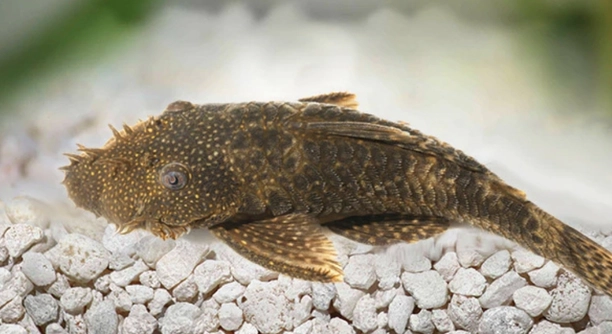
Are your plecos showing more aggression than you expected in your aquarium? Managing their behavior can sometimes feel overwhelming, especially when their territorial instincts start affecting other fish in the tank environment.
Plecos tend to be less aggressive when provided with ample hiding spots, stable water conditions, proper diet, minimal stress, compatible tank mates, adequate space, and regular monitoring. These factors collectively contribute to calmer and more balanced behavior patterns.
Understanding these elements will help you create a peaceful aquarium environment for your plecos and improve the overall harmony among all your fish.
Provide Ample Hiding Spots
Plecos feel more secure when they have places to hide. Rocks, driftwood, and caves give them safe spaces to retreat, reducing stress and territorial behavior. In my tank, I noticed that adding a few driftwood pieces immediately lowered aggressive interactions. Plecos naturally cling to surfaces and crevices, so hiding spots mimic their natural environment. They are nocturnal by nature, so giving them areas to rest during the day makes a noticeable difference. Even simple decorations like PVC pipes or hollow ornaments work well. Overcrowding the tank can make aggression worse, so make sure each pleco has access to its own space. Plants can also provide cover, but ensure they are pleco-safe, as some may get uprooted. Regularly inspecting hiding spots keeps them clean and functional, preventing territorial disputes over dirty or damaged areas. Observing how your plecos use these spaces can guide adjustments to make them feel more at ease and calm.
Adding just a few hiding spots can greatly reduce aggression in plecos and make the tank environment more peaceful for all fish.
Plecos need areas to feel safe. Hiding spots not only give them security but also allow them to rest naturally during the day. By providing caves, driftwood, and other covered spaces, plecos are less likely to chase other fish. Over time, a tank with ample hiding spaces develops a calmer, more balanced environment. Placement matters; spaces should be accessible without overcrowding the tank. Watching plecos explore these areas shows they feel more confident and less stressed. Consistently maintaining these spots ensures that all fish benefit from reduced aggression, leading to healthier interactions and overall better tank harmony.
Maintain Stable Water Conditions
Water changes and monitoring keep plecos calm and healthy. Sudden changes in temperature, pH, or ammonia levels can increase aggression and stress in plecos.
Plecos thrive in consistent water conditions. Regular testing of pH, ammonia, nitrites, and temperature is crucial. Sudden fluctuations can make them territorial or defensive. I found that keeping water stable for weeks noticeably improved behavior. Frequent partial water changes prevent harmful buildups, and using a good filtration system supports overall health. Consistency also affects feeding; stressed plecos may eat less, further increasing irritability. Observing their reactions after maintenance helps identify if adjustments are needed. Proper water parameters support not only pleco health but also harmony among all tank inhabitants.
Stable water ensures plecos remain calm, healthy, and less likely to act aggressively toward other fish. Regular monitoring and gentle adjustments are key to a balanced aquarium.
Feed a Proper Diet
A balanced diet keeps plecos calm and reduces aggression. Offering algae wafers, fresh vegetables, and occasional protein helps meet their nutritional needs and prevents competition over food.
Providing a proper diet ensures plecos remain healthy and less stressed. I noticed my plecos became more peaceful when I included zucchini, cucumber, and spinach in their meals. Algae wafers supply essential nutrients, while vegetables provide fiber and variety. Occasional protein treats like bloodworms can support growth without causing fights. Feeding small portions several times a day helps prevent overeating and reduces food-related aggression. Avoiding sudden changes in diet also keeps them stable. Monitoring how each pleco responds to new foods helps ensure all fish are eating well and not competing excessively, which contributes to a calmer tank overall.
When plecos get proper nutrition, their energy focuses less on territorial fights and more on normal behavior. A consistent diet reduces irritability and encourages healthier interactions in the aquarium. Feeding habits directly impact their mood and aggression levels.
Choose Compatible Tank Mates
Choosing the right tank mates prevents stress-related aggression. Peaceful species that occupy different levels of the tank reduce competition for space and resources.
Plecos are territorial, so tank mates should not be aggressive or compete for hiding spots. I learned that keeping them with mid- to top-dwelling fish, like tetras or gouramis, minimizes confrontations. Avoid other bottom-dwellers that might challenge plecos for territory. The size of tank mates matters; very small fish can become stressed, while very large or aggressive fish may provoke defensive behavior. Observing interactions in the first weeks after introducing new fish is important to ensure harmony. By selecting species with different habits and temperaments, plecos can coexist peacefully and focus on normal activities rather than constant defense.
Careful selection of tank mates helps plecos feel secure and reduces conflict. By understanding their behavior, you can create a more balanced and calm aquarium environment for everyone.
Provide Adequate Space
Plecos need enough room to explore and establish territory. Crowded tanks often lead to aggression and stress, making it harder for them to coexist peacefully with other fish.
A larger tank allows plecos to claim their own areas and reduces frequent confrontations. Giving at least 30 gallons for a single pleco and increasing space for additional fish helps maintain balance. Overcrowding forces them to compete for hiding spots and resources, which often triggers territorial behavior. I noticed that after upgrading my tank size, plecos became calmer, spent more time grazing, and showed less chasing. Space also impacts water quality, as more room reduces waste concentration. Proper tank dimensions are key to keeping plecos relaxed and minimizing conflicts.
Minimize Stress Factors
Reducing sudden movements, loud noises, and rapid water changes keeps plecos calm. Stress increases aggression and can negatively affect their health.
Regular Monitoring
Watching plecos’ behavior daily helps catch early signs of aggression. Noticing changes quickly allows timely adjustments to their environment.
Maintain Consistent Lighting
Consistent light cycles help plecos feel secure. Irregular or intense lighting can cause stress and provoke defensive behavior.
Why is my pleco acting aggressive even with hiding spots?
Plecos can still act aggressively even when hiding spots are present if the tank is overcrowded or if there isn’t enough territory for each fish. I noticed that when I added another bottom-dweller without increasing hiding areas, my plecos became more defensive. Aggression can also appear during feeding or if water conditions fluctuate. Even with caves and driftwood, plecos need their own personal space. Regularly checking how many hiding spots are available versus the number of plecos is important. Sometimes rearranging decorations can help create new territories and reduce conflict.
How often should I feed my pleco to reduce aggression?
Feeding small amounts multiple times a day works best. I used to feed once daily and noticed fights over food. Splitting meals prevents overeating and reduces competition. Algae wafers, vegetables like zucchini and cucumber, and occasional protein treats keep them nourished. Overfeeding can still be a problem because excess food can decay, lowering water quality and causing stress. Monitoring each pleco to ensure it eats enough without taking too much is important. Maintaining a feeding schedule also helps them settle into a routine, which naturally lowers aggression and keeps the tank calmer.
Can plecos live with other bottom-dwellers without fighting?
Some bottom-dwellers may coexist if the tank is large and has enough hiding spaces. I learned that plecos tend to defend territory aggressively, especially in smaller tanks. Compatible species usually occupy different zones in the aquarium. Avoid adding multiple species that compete directly for caves or algae. Observing interactions for the first few weeks after introducing new fish is key. If aggression persists, it may be necessary to separate them or rearrange decorations to give each fish distinct territories. Proper planning before adding tank mates prevents stress and reduces constant conflict in the tank.
Does water temperature affect pleco aggression?
Yes, sudden changes in water temperature can make plecos irritable. I noticed that after a heater malfunction, plecos became more defensive and territorial. Keeping the tank within their ideal temperature range, usually around 74–80°F depending on the species, reduces stress. Consistent temperature prevents mood swings and supports feeding and activity patterns. Avoid sudden shifts during water changes or maintenance, as plecos are sensitive. Gradual adjustments are safer if the temperature needs modification. Maintaining a stable and appropriate temperature ensures plecos are calmer and less likely to exhibit aggressive behaviors toward other tank mates.
Will adding more hiding spots always reduce aggression?
Adding hiding spots usually helps, but it’s not a guaranteed fix. I found that if the tank is too small or overcrowded, plecos still fight over territory. Proper placement is important—spots should be evenly spread and accessible. Clean and functional hiding spaces are essential to avoid disputes. Hiding spots alone won’t resolve stress caused by poor water quality, improper diet, or incompatible tank mates. A combination of space, diet, water stability, and compatible species makes aggression reduction more effective. Observing how plecos use new hiding spots can guide whether additional adjustments are needed.
How do I know if my pleco is stressed?
Stress can show in behavior, appetite, and appearance. I noticed my pleco hiding excessively or chasing others more aggressively when stressed. Changes in color, lethargy, or not eating are common indicators. Stress can result from overcrowding, poor water quality, sudden changes, or aggressive tank mates. Monitoring behavior daily allows early intervention. Providing consistent conditions, enough space, and proper nutrition helps reduce stress. Keeping a stable environment allows plecos to behave normally, explore their tank, and interact peacefully, rather than constantly defending themselves.
Is it normal for plecos to be aggressive at night?
Yes, plecos are nocturnal and may become more active and territorial after lights go out. I noticed my plecos patrolling their space or chasing intruders mainly during nighttime. Ensuring there are enough hiding spots and sufficient space helps minimize conflicts. Avoid disturbing them with sudden lights or movements at night, as this increases stress and aggression. Nighttime behavior is natural, but a well-planned tank reduces excessive fighting while allowing plecos to follow their normal routine. Proper habitat and management keep them calm during both day and night.
Can water changes trigger aggression?
Yes, sudden or large water changes can stress plecos and lead to temporary aggression. I found that switching out 50% of the water at once sometimes triggered chasing behavior. Smaller, regular water changes are better. Checking temperature, pH, and other parameters before adding new water ensures minimal disruption. Stress from water changes can make plecos defensive, even if the tank is otherwise well-maintained. Gradual, consistent changes help maintain calm behavior and support long-term health. Observing plecos during and after water changes helps determine if adjustments are needed for smoother tank management.
How do I balance multiple plecos in the same tank?
Balancing multiple plecos requires space, hiding spots, and monitoring. I kept track of each fish’s behavior and adjusted territory markers like driftwood and caves. Overcrowding causes fights, so tank size is critical. Feeding evenly and maintaining stable water reduces conflict. Observing interactions helps prevent long-term stress and ensures all plecos thrive.
Can diet changes affect aggression?
Yes, abrupt diet changes can make plecos irritable. I noticed increased chasing when I suddenly introduced new foods. Gradual introductions, along with consistent feeding schedules, reduce stress. A balanced diet of vegetables, algae wafers, and occasional protein supports calm behavior. Proper nutrition is directly linked to reduced aggression.
Plecos are naturally territorial fish, but with careful care, their aggression can be minimized. Creating a tank environment that mimics their natural habitat is one of the most effective ways to keep them calm. Hiding spots like caves, driftwood, and plants give plecos places to rest and feel secure. When each fish has its own space, there is less need for chasing or defending territory. Overcrowding can quickly lead to tension, so it’s important to plan the number of plecos based on tank size and layout. Even small changes, like rearranging decorations or adding a new hiding spot, can make a noticeable difference in their behavior. Paying attention to how plecos interact with each other allows you to make adjustments before problems escalate.
Stable water conditions are another key factor in reducing aggression. Sudden changes in temperature, pH, or water quality can cause stress and defensive behavior. Regular testing and consistent water changes help maintain a healthy environment for plecos and other tank mates. Feeding a proper diet also contributes to calmer fish. Providing vegetables, algae wafers, and occasional protein ensures that plecos get the nutrients they need without competing over food. Multiple small feedings can prevent overeating and reduce fights, while sudden diet changes can sometimes trigger irritability. Observing their behavior while feeding gives insight into their comfort level and overall well-being. A well-fed pleco with enough space and a stable environment is far less likely to act aggressively.
Choosing compatible tank mates, maintaining adequate space, and monitoring pleco behavior regularly are all part of creating a balanced aquarium. Peaceful fish that occupy different levels of the tank reduce competition, and proper planning prevents unnecessary stress. Over time, these small, consistent efforts result in a calmer tank and healthier plecos. Stressful situations, like loud noises, irregular lighting, or sudden water changes, can trigger aggression even in otherwise calm plecos, so minimizing these factors is important. By combining thoughtful tank design, proper nutrition, and attentive care, plecos can thrive while coexisting peacefully with other fish. Observing and responding to their needs creates an aquarium that is not only visually pleasing but also a more enjoyable and harmonious environment for all inhabitants.
This approach requires patience and attention, but it pays off in the long run. Aggression in plecos is usually a sign of unmet needs, and addressing these needs carefully and consistently makes a significant difference. Providing hiding spots, stable water conditions, proper diet, adequate space, and compatible tank mates forms the foundation of a calmer tank. Over time, plecos that are given the right environment, care, and monitoring become less territorial, allowing for peaceful interactions. The overall harmony of the aquarium improves, making it easier to maintain and more enjoyable to watch. With dedication and observation, plecos can live comfortably, with less stress and aggression, creating a more balanced aquatic environment for everyone.

Hello,
If you enjoy the content that we create, please consider saying a "Thank You!" by leaving a tip.
Every little bit helps us continue crafting quality advice that supports the health, happiness, and well-being of pets around the world, for pets of all shapes, sizes, and species.
We really appreciate the kindness and support that you show us!