
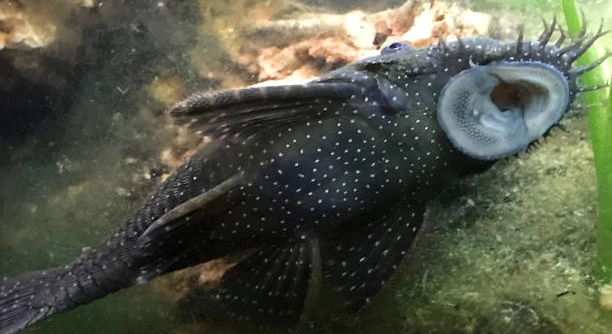
Have you ever noticed that one fish in your tank seems to take over everything, leaving little space for others to move freely? Plecos are known for their size and behavior, which can affect the entire aquarium environment.
Plecos dominate tanks by claiming territories, consuming excessive food, and altering the habitat. Their size, aggressive tendencies, and constant movement can stress other fish and disrupt the balance of the aquatic ecosystem. Proper monitoring is essential to prevent overdominance.
Observing these behaviors early can help maintain harmony and ensure all tank inhabitants thrive comfortably alongside your pleco.
Excessive Hiding Spots
Plecos can take over a tank by claiming every hiding spot available. Rocks, caves, driftwood, and artificial decorations become their territory. Other fish may struggle to find shelter, increasing stress and reducing their activity. This behavior often escalates in smaller tanks where space is limited. I noticed my pleco would wedge itself into every cave and driftwood piece, leaving my tetras no safe zones. Over time, the constant competition for shelter can lead to injuries or even illness in more timid fish. Providing multiple hiding areas and rearranging the tank periodically can help balance space, but plecos may still assert dominance. Observing which areas your pleco favors gives insight into its behavior and can guide tank management. Limiting its access to all spots at once ensures other species maintain their comfort. Maintaining adequate decorations, plants, and open swimming space is key to reducing territorial disputes.
Plecos’ dominance over hiding areas can make other fish avoid certain parts of the tank entirely.
Recognizing this behavior early allows you to adjust tank layout and provide additional shelters. A few extra caves or plant clusters can redirect the pleco’s attention without stressing the rest of the fish. Over time, balanced spacing can reduce aggressive tendencies and maintain peaceful interactions. Keeping track of which areas are avoided ensures all fish have safe spaces, and regular observation is critical to prevent long-term stress.
Aggressive Feeding Habits
Plecos often eat more than their share, leaving little for other fish.
Aggressive feeding can cause nutrient imbalance and stress among tank mates. Plecos may push or chase smaller fish away from food, which can stunt their growth or harm their health. Observing feeding routines helps manage portions and ensure fair distribution.
Plecos’ feeding behavior can dominate the aquarium, especially during mealtime. When I feed mine, he quickly consumes the sinking pellets before other fish can reach them. Smaller species may hesitate or avoid eating altogether, leading to nutritional gaps. Using multiple feeding points or spreading food across the tank helps reduce competition. Some plecos also graze constantly on algae, which can deplete resources for other species. Offering a variety of foods, including vegetables and specially formulated pleco wafers, encourages slower, more distributed feeding. Monitoring how each fish eats and adjusting feeding strategies helps maintain tank harmony. Over time, structured feeding reduces stress, supports healthy growth for all species, and ensures the pleco does not dominate the food supply entirely.
Chasing Smaller Fish
Plecos can chase or bump smaller fish while asserting dominance. This aggressive behavior stresses other tank inhabitants and can limit their movement or feeding opportunities.
I’ve seen my pleco repeatedly follow my smaller tetras, nudging them away from favorite spots. This behavior can increase stress levels, weaken immune systems, and sometimes cause minor injuries. Small fish may hide constantly, avoiding interaction altogether. Tank design can reduce incidents by providing plants, decorations, and open swimming areas that allow smaller fish to escape. Adjusting tank dynamics ensures all species maintain space to move comfortably, reducing constant tension caused by a dominant pleco.
Observation helps identify which fish are targeted and when. Separating overly aggressive plecos temporarily or rearranging the tank can break patterns of intimidation. Over time, creating escape routes and monitoring interactions ensures a healthier, more balanced tank, allowing both plecos and smaller species to coexist without ongoing conflict or stress.
Overgrowth of Algae
Plecos often overconsume or scrape algae in specific areas, leaving uneven patches. This impacts both the tank’s appearance and the diet of other species. Algae growth may be insufficient for other grazers, creating competition.
When my pleco targets one side of the tank, it scrapes off algae faster than it can grow back. This leaves bare surfaces while other areas remain untouched, disrupting the tank’s balance. Over time, this behavior can force smaller fish or algae eaters to adjust feeding habits. Introducing algae wafers or supplemental vegetables can satisfy the pleco’s grazing needs. Rotating decorations and surfaces helps distribute algae evenly. Monitoring which areas are depleted allows intervention before resources are exhausted.
Algae dominance also affects water quality. Uneaten scraps or decaying plant matter can accumulate if the pleco removes only certain sections. Maintaining consistent cleaning routines and observing grazing patterns ensures the tank remains healthy. Providing additional feeding sources reduces competition and prevents plecos from controlling the entire algae supply, keeping all tank inhabitants well-fed and less stressed.
Dominating Decorations
Plecos often claim decorations as their personal territory, sitting on rocks or hiding in caves for long periods. Other fish may avoid these areas entirely, reducing their usable space.
I noticed my pleco always returns to the same driftwood, discouraging my smaller fish from exploring nearby plants and ornaments.
Constant Night Activity
Plecos are nocturnal and may move excessively at night, disturbing resting fish. Their activity can create stress and minor injuries if collisions occur during the dark hours.
Siphoning Substrate
Plecos frequently dig or move substrate while searching for food or making hiding spots. This behavior can uproot plants, cloud water, and disturb other tank inhabitants.
How can I tell if my pleco is dominating the tank?
Dominance in plecos can be observed through their behavior toward other fish. Signs include chasing smaller fish, occupying most hiding spots, and aggressively eating during feeding times. I noticed my pleco would constantly block the tetras from their favorite areas, forcing them into corners. Watching which areas the pleco occupies most often can indicate territorial behavior. Aggressive scraping of algae and movement patterns at night also reveal dominance. Recognizing these behaviors early helps adjust tank layout and feeding strategies to reduce stress on other fish.
What steps can I take to prevent my pleco from taking over?
Providing multiple hiding spots and spreading food throughout the tank can reduce territorial disputes. I rearranged decorations and added caves and driftwood in various areas to give smaller fish escape routes. Feeding vegetables and algae wafers separately from the main pellets also keeps the pleco occupied and less aggressive. Observing interactions regularly allows intervention if chasing or overfeeding continues. Over time, these small changes balance the tank and prevent a single fish from controlling the space or resources.
Is it normal for plecos to push other fish away from food?
Yes, plecos are naturally opportunistic feeders. They often move quickly toward sinking pellets or algae wafers, sometimes nudging or chasing smaller fish aside. In my tank, I’ve seen this happen repeatedly during feeding. Splitting food into multiple locations ensures all fish get a fair share. Consistent monitoring prevents smaller species from being starved or stressed by constant competition.
Can tank size affect a pleco’s dominance?
Absolutely. Smaller tanks limit swimming space and hiding spots, making it easier for a pleco to control the environment. My pleco behaved more aggressively in a 30-gallon tank compared to a 55-gallon setup. Larger tanks provide more room for smaller fish to escape, reducing stress and territorial behavior. Proper tank sizing is one of the most effective ways to prevent pleco dominance and maintain harmony among all fish.
How do plecos affect plants and decorations?
Plecos often dig in substrate or scrape surfaces, which can uproot plants and move decorations. I’ve had driftwood shift entirely after a night of activity. Using heavier pots for plants and securing decorations can minimize disruption. Monitoring their behavior helps determine which areas need reinforcement or extra protection. This prevents constant rearrangement and protects sensitive plant species from damage.
Do plecos harm other fish physically?
They usually do not cause serious injuries, but chasing and bumping can lead to stress, minor scratches, or fin damage in smaller fish. I’ve seen small tetras hide for hours after a pleco chase. Stress lowers immune responses, so observing behavior and providing escape routes is crucial to maintain overall tank health.
What feeding strategies help reduce pleco aggression?
Feeding multiple times a day or using several feeding points works well. I place algae wafers on opposite ends of the tank and supplement with vegetables. This reduces competition and keeps the pleco from monopolizing food. Monitoring portions ensures that all species, including slower or timid fish, get adequate nutrition. Over time, this strategy limits dominance during feeding.
Can plecos coexist peacefully with all fish?
Yes, with proper planning. Tank size, hiding spots, and feeding strategies are key factors. I’ve seen plecos coexist peacefully with tetras, guppies, and corydoras after rearranging the tank and providing multiple resources. Observing interactions and adjusting the environment ensures harmony. Patience and careful monitoring make it possible for all fish to thrive together.
How often should I rearrange the tank to manage pleco behavior?
Periodic rearrangement every few months can reduce dominance. Moving caves, rocks, or plants breaks established territories. I usually rearrange decorations lightly and rotate hiding spots. This keeps the pleco from claiming the same areas permanently and encourages smaller fish to explore safely. Balance and gradual changes work best.
What long-term effects can dominance have on a tank?
If unchecked, dominance can stress other fish, reduce growth, and increase the risk of illness. Constant chasing, limited feeding access, and disruption of the substrate can make the tank environment unstable. I noticed timid species became less active over time in a poorly managed setup. Taking preventive measures early ensures all fish maintain healthy behaviors and a balanced, peaceful aquarium.
How do I know if my pleco is overgrazing algae?
Uneven patches or bare spots on surfaces indicate overgrazing. My pleco often scraped driftwood until little algae remained, forcing other fish to compete for remaining resources. Supplementing with algae wafers and vegetables prevents depletion and maintains a more even, sustainable growth throughout the tank.
Observing a pleco dominate a tank can be frustrating, but understanding its behavior makes managing the aquarium much easier. Plecos are naturally territorial and active, which often leads them to claim hiding spots, chase smaller fish, and take control of feeding areas. These behaviors are not unusual, and they do not mean the fish is “bad.” Recognizing the signs early helps prevent stress on other fish and maintains a balanced environment. Adjustments such as providing multiple hiding spots, spreading out food, and monitoring night activity are effective ways to reduce dominance. I found that simply rearranging decorations and adding extra caves allowed smaller fish to feel safe and explore the tank more freely, reducing overall tension. Being proactive is better than waiting for conflicts or stress to build up among the other inhabitants.
Managing a pleco’s dominance also involves feeding strategies and careful tank maintenance. Plecos often consume more than their share during meals, which can leave other fish without adequate nutrition. Using multiple feeding points, supplementing with vegetables, and providing algae wafers helps balance the diet and keeps the pleco occupied. Watching how the fish interacts with both food and other tank mates gives valuable insight into when adjustments are needed. In addition, substrate and decorations can be affected by a pleco’s digging and scraping. Securing plants and heavier decorations prevents unnecessary disturbances, and regular observation ensures that changes in the tank’s layout or environment do not negatively impact any species. Over time, these strategies help all fish coexist more comfortably, reducing the stress caused by territorial behavior and aggressive feeding.
Finally, understanding a pleco’s behavior encourages a more harmonious aquarium and a healthier environment for all inhabitants. While plecos can be dominant, their behavior can be managed without causing harm to the fish or the tank ecosystem. Observing, adjusting, and providing adequate resources ensures that smaller or timid species are not constantly stressed. Personal experience has shown that a few simple changes, such as additional hiding spots, balanced feeding routines, and regular monitoring, go a long way in maintaining peace. It is important to remember that dominance is a natural trait for plecos, and managing it requires patience and attention rather than punishment. A well-planned tank, combined with careful observation and proactive care, allows the pleco to thrive without negatively affecting the other fish, creating a balanced and enjoyable aquarium for everyone.

Hello,
If you enjoy the content that we create, please consider saying a "Thank You!" by leaving a tip.
Every little bit helps us continue crafting quality advice that supports the health, happiness, and well-being of pets around the world, for pets of all shapes, sizes, and species.
We really appreciate the kindness and support that you show us!