
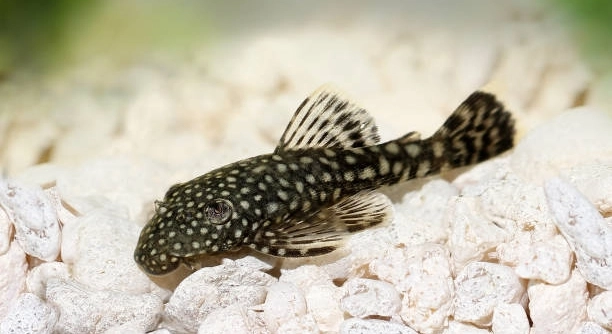
Many aquarists enjoy keeping plecos because of their unique appearance and helpful cleaning habits. These bottom-dwelling fish often hide for long periods, making it tricky to see them regularly or appreciate their full behavior.
To encourage plecos to emerge from hiding, create a stable environment with proper lighting, temperature, and hiding spots. Regular feeding routines using preferred foods like vegetables and algae wafers increase the likelihood of observing active behavior.
Learning how to gently entice plecos can enhance both their wellbeing and your enjoyment of the aquarium environment. Applying simple strategies ensures a more engaging and dynamic tank experience.
Understanding Pleco Behavior
Plecos are naturally nocturnal fish, which means they prefer to stay hidden during the day and become more active at night. In their natural habitat, they use caves, driftwood, and dense vegetation for shelter. Observing them can be challenging, especially in tanks without enough hiding spots. Providing multiple areas where plecos can retreat helps them feel secure and reduces stress, which can otherwise make them hide even more. Environmental stability is also crucial. Sudden changes in water temperature, pH, or lighting can prompt plecos to seek shelter for longer periods. Monitoring water parameters regularly ensures their comfort and encourages normal activity. Understanding their instincts allows you to tailor your aquarium setup. When plecos feel safe and have adequate food sources, they are more likely to emerge. Small adjustments, like rearranging decorations or providing soft lighting, can make a significant difference in how often they are visible.
A consistent environment and appropriate hiding spots encourage plecos to be more active. Feeling secure is key to their behavior.
Plecos also respond to food cues. Offering fresh vegetables, algae wafers, or sinking pellets can motivate them to leave hiding spots. Regular feeding times create predictability, which plecos recognize, making them more likely to appear when it’s mealtime. Combining environmental comfort with strategic feeding increases visibility. Watching them interact with food and explore their surroundings can be rewarding and informative.
Using Light and Feeding to Attract Plecos
Adjusting the lighting schedule can influence pleco activity. Dim or indirect lighting encourages movement while reducing stress from bright lights.
Feeding routines play a significant role in drawing plecos out of hiding. Plecos are primarily herbivores, although some species accept protein-based foods. Offering vegetables like zucchini, cucumber, and spinach encourages them to explore the tank. Algae wafers and sinking pellets placed near hiding areas gradually attract their attention. Timing is important; feeding in the evening aligns with their natural nocturnal tendencies. Avoid overfeeding, as uneaten food can deteriorate water quality, discouraging activity. Observing pleco preferences helps fine-tune feeding methods, as some may favor certain vegetables or pellet types over others.
Over time, combining light adjustments with consistent feeding builds trust and encourages regular activity. You may notice plecos emerging not only for meals but also to explore, interact with tank decorations, or respond to subtle movements outside the tank. Patience is key; these fish respond gradually to environmental and feeding cues. Keeping the tank stable, clean, and predictable ensures that plecos feel comfortable leaving their hiding spots. This approach supports their health while enhancing your ability to enjoy their unique behaviors daily.
Providing Adequate Hiding Spots
Plecos need places to retreat to feel safe. Adding caves, driftwood, and dense plants reduces stress and encourages them to leave hiding spots when they feel secure.
Using driftwood in the aquarium benefits plecos in multiple ways. They use it as a resting place, a hiding spot, and even a food source, as some species rasp on it for nutrients. Natural caves or hollow decorations mimic their environment and provide privacy. Plants, both real and artificial, create shaded areas that make plecos feel more protected. Strategically placing these hiding spots near feeding areas can encourage them to emerge more frequently, allowing you to observe their activity without forcing them into open spaces. A well-structured tank enhances both fish health and visibility.
Spacing hiding spots throughout the tank prevents territorial disputes. Multiple retreats allow plecos to move freely without stress. Rotating decorations occasionally can spark curiosity and exploration while maintaining a comfortable environment. Consistent placement of feeding zones near these areas increases their confidence in leaving shelter to eat. Observing plecos use these spots confirms they feel secure. Over time, the fish develop predictable activity patterns that make them easier to watch and enjoy.
Maintaining Water Quality
Clean water directly influences pleco activity. Regular water changes and filtration prevent stress and promote normal behavior.
Plecos are highly sensitive to water conditions. Ammonia, nitrite, and nitrate levels must be monitored closely. Stable pH and temperature are equally important, as sudden fluctuations can make them retreat. Using a reliable filter and performing weekly water changes keeps the environment safe. Removing uneaten food and debris prevents harmful buildup that discourages activity. Proper aeration ensures oxygen levels remain adequate, supporting healthy metabolism and movement. When water quality is maintained consistently, plecos are more likely to leave hiding spots, explore the tank, and engage with their surroundings.
In addition, observing water clarity provides visual cues about their comfort. Cloudy or dirty water can make plecos more reclusive. Maintaining steady parameters reduces stress, which is a common reason they hide for long periods. Temperature control matters, too; species-specific preferences should be respected to encourage natural behavior. Using a water testing kit regularly allows adjustments before issues arise. By combining proper filtration, routine cleaning, and careful monitoring, plecos become more active and visible, improving both their health and your enjoyment of the tank.
Gentle Tank Disturbances
Light tapping or gentle movement near the tank can encourage plecos to investigate. Sudden or strong vibrations may frighten them, so subtle interactions work best.
Small changes in tank arrangement or decorations can spark curiosity. Plecos often explore new areas when minor adjustments are made, helping them leave hiding spots naturally.
Offering Live or Frozen Foods
In addition to vegetables and algae wafers, plecos respond to occasional live or frozen foods. Bloodworms, brine shrimp, or daphnia can be placed near hiding areas to attract attention. These protein-rich treats stimulate natural foraging behavior and encourage plecos to leave shelter. Introducing small portions gradually ensures they are curious without overwhelming the tank. Observing which foods are preferred allows better planning of feeding routines. Rotating food types maintains interest while supporting nutrition, making the plecos more active and visible. Over time, these targeted feedings can create predictable activity patterns.
Maintaining Consistent Feeding Times
Regular feeding schedules help plecos anticipate food and emerge more reliably from hiding.
FAQ
Why do plecos hide all the time?
Plecos are naturally nocturnal and shy by instinct. In the wild, they spend daylight hours in caves or under plants to avoid predators. In aquariums, they continue this behavior if the environment feels unsafe, lighting is too bright, or there aren’t enough hiding spots. Stress from sudden changes in water temperature, pH, or decorations can also make them retreat more often. By providing multiple caves, driftwood, and shaded areas, plecos feel secure and are more likely to be active during feeding or quieter periods of the day.
How can I tell if my pleco is stressed?
Signs of stress include excessive hiding, reduced appetite, clamped fins, rapid breathing, or unusual swimming patterns. Water quality issues are often the main cause, including high ammonia, nitrite, or nitrate levels, unstable pH, or incorrect temperature. Ensuring regular water changes, stable parameters, and a clean environment can reduce stress. Providing hiding spots and consistent feeding schedules also improves their comfort. Stress over long periods may lead to illness, so careful observation and prompt action are important for keeping plecos healthy.
What foods attract plecos out of hiding?
Plecos primarily eat vegetables and algae, but they respond well to variety. Algae wafers, zucchini, cucumber, spinach, and lettuce are common favorites. Occasionally offering protein sources like bloodworms, brine shrimp, or daphnia can stimulate activity. Placing food near hiding areas encourages plecos to emerge gradually. Regularly rotating foods prevents boredom and ensures balanced nutrition. Observing which foods your plecos prefer allows you to plan feedings that consistently draw them out of hiding, making it easier to monitor their health and behavior.
Do plecos come out more at night?
Yes, plecos are mostly nocturnal. They are naturally more active during low-light periods or at night. Adjusting lighting to dim levels in the evening can encourage activity without causing stress. Evening feedings often see better results because this aligns with their natural behavior. Providing hiding spots with easy access to food ensures plecos feel safe emerging at these times.
Can tank size affect pleco hiding behavior?
Tank size and layout are important for plecos’ comfort. Small or overcrowded tanks increase stress and limit their ability to explore, which can make them hide more. Larger tanks with multiple hiding areas allow for natural movement, reduce territorial disputes, and encourage visibility. Thoughtful placement of decorations and plants creates a secure environment that promotes activity and helps plecos feel confident leaving their shelters.
How often should I clean the tank to encourage pleco activity?
Regular cleaning is essential for both health and visibility. Weekly water changes, removal of uneaten food, and checking filtration prevent harmful buildup. Cloudy or dirty water can discourage plecos from exploring. Maintaining stable water parameters and a clean environment reduces stress, supporting natural behavior. Proper cleaning routines combined with consistent feeding and hiding spots encourage plecos to be more active and visible.
Are plecos more active with other fish in the tank?
Plecos can coexist with other species, but activity depends on tank dynamics. Peaceful, non-aggressive fish can encourage exploration without stress. Overcrowded or aggressive species may make plecos retreat. Monitoring interactions and providing sufficient hiding spots ensures they feel safe while observing natural activity patterns influenced by the presence of tank mates.
Can temperature changes make plecos hide?
Sudden or extreme temperature changes are stressful. Plecos prefer stable, species-specific temperatures. Water that is too cold or too warm can cause hiding or lethargy. Using a reliable heater, thermometer, and gradual adjustments helps maintain comfort. Stable temperature encourages normal feeding, movement, and interaction with the tank environment.
Is it normal for plecos to disappear for days?
Yes, occasional extended hiding is normal, especially during molting, stress, or after changes in the tank. As long as they eat, breathe normally, and return to activity eventually, it’s usually not a problem. Maintaining stability, feeding routines, and hiding spots reduces prolonged hiding periods.
Can rearranging the tank attract plecos out of hiding?
Small, gentle rearrangements can stimulate curiosity. Moving decorations slightly or adding new plants can encourage plecos to explore. Avoid sudden, drastic changes, which can increase stress. Gradual adjustments combined with strategic feeding near hiding areas can make plecos more likely to come out and interact with their environment naturally.
This FAQ covers common concerns and solutions, helping plecos feel secure, active, and visible in a home aquarium. Regular observation, proper care, and gentle encouragement are key to seeing them more often.
Final Thoughts
Plecos are fascinating fish that bring life and character to any aquarium. Their unique behaviors, nocturnal habits, and bottom-dwelling lifestyle make them both interesting and sometimes difficult to observe. Many aquarists struggle to see plecos regularly because they spend much of their time hidden. Understanding the reasons behind this hiding behavior is key to creating a more engaging tank environment. Plecos hide for protection, comfort, and stress avoidance, which are natural responses shaped by evolution. By providing suitable conditions, owners can encourage plecos to be more active while still respecting their natural tendencies. Simple changes to the tank setup, feeding routines, and environmental stability can have a big impact on whether plecos feel secure enough to leave their hiding spots and explore their surroundings.
A consistent and well-maintained environment is one of the most effective ways to ensure plecos feel comfortable. Adequate hiding spots, such as caves, driftwood, and dense plants, allow plecos to retreat whenever they need security. These areas also create a sense of ownership within the tank, giving them multiple options to move freely without conflict. Water quality is equally important; stable temperature, proper filtration, and regular water changes reduce stress and support natural behavior. Feeding routines contribute to this as well, as predictable schedules and preferred foods can gradually draw plecos out of hiding. Plecos respond well to both vegetables like zucchini and lettuce and occasional protein treats such as bloodworms. Combining these factors—security, cleanliness, and consistent feeding—helps create an environment where plecos are more likely to engage with the tank rather than remain hidden.
Observing plecos can be rewarding when their natural behaviors become more visible. Small adjustments, such as dimming lights during active periods, gentle tank disturbances, or minor rearrangements, can encourage curiosity and exploration. It is important to remain patient, as plecos adapt slowly to changes and may not respond immediately. Over time, they can develop predictable activity patterns, making it easier to watch them eat, interact with decorations, and move throughout the tank. Supporting their well-being through proper care and understanding their instincts allows aquarists to enjoy a more dynamic and lively aquarium. The process of encouraging plecos out of hiding is gradual, but with attention to their needs, they can become active, healthy, and visible members of the tank, enhancing both the environment and the enjoyment of observing these unique fish.

Hello,
If you enjoy the content that we create, please consider saying a "Thank You!" by leaving a tip.
Every little bit helps us continue crafting quality advice that supports the health, happiness, and well-being of pets around the world, for pets of all shapes, sizes, and species.
We really appreciate the kindness and support that you show us!