
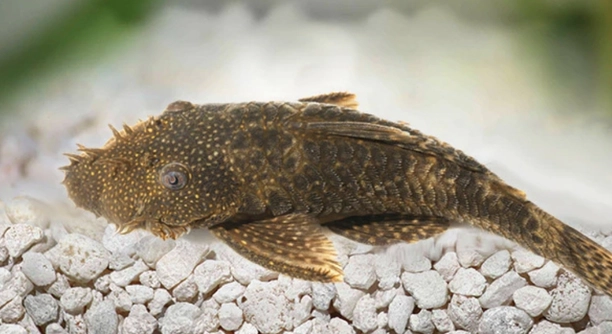
Do you ever notice your pleco barely touches the food in its tank despite regular feeding? Watching them ignore the algae wafers can feel discouraging, especially when you want them to stay healthy and active.
Encouraging pleco foraging requires creating a stimulating and varied environment, offering diverse food types, and maintaining optimal water conditions. Regularly introducing natural foods like vegetables, algae, and driftwood can promote consistent feeding behavior and overall well-being.
Knowing a few simple strategies can transform your pleco’s eating habits and help them thrive in their aquarium.
Offer a Variety of Foods
Plecos can be picky eaters, so providing different food options can make a big difference. I started giving mine a mix of algae wafers, zucchini slices, cucumber, and occasional lettuce. Each type appeals differently depending on their mood and energy level. Some days, they will ignore the wafers entirely but munch happily on vegetables. Fresh vegetables should be blanched first to make them softer and easier to eat. Driftwood also encourages natural scraping behavior, which keeps their teeth healthy. Rotating foods every few days prevents boredom and ensures they get a balanced diet. I’ve noticed my pleco becomes more active and spends more time exploring the tank when it knows a variety of foods will appear. Feeding small amounts multiple times a day also helps, rather than leaving a large portion that can rot quickly. This approach keeps them curious and willing to forage. Consistency in providing options leads to a healthier appetite.
Introducing a variety of foods encourages plecos to explore and forage naturally. Different textures and nutrients stimulate interest and improve overall dietary balance and health.
Over time, I saw clear changes in behavior. My pleco began moving around more and exploring corners of the tank it usually ignored. Even shy or older plecos respond positively to diverse feeding, showing that food variety can spark natural instincts. Small adjustments in portion sizes and types can create lasting foraging habits.
Maintain Optimal Water Conditions
Clean, well-oxygenated water encourages plecos to feed more actively. A stable environment reduces stress, which often suppresses appetite.
Plecos are sensitive to water quality, including pH, temperature, and ammonia levels. Keeping filters clean and performing regular water changes ensures a healthy environment, promoting natural foraging behavior. Consistency is key, as sudden changes can discourage feeding. Aeration also helps, especially in tanks with limited surface movement, ensuring plecos remain active and interested in food. Proper lighting that mimics natural day-night cycles can further support their activity levels, making them more likely to explore and graze. Monitoring water parameters weekly allows early detection of any imbalance. I learned that even small improvements, like adjusting temperature slightly or removing uneaten food promptly, can increase feeding engagement. Observing behavior alongside water conditions helps identify what works best for your pleco. When the tank environment is stable and comfortable, they spend more time foraging, scraping surfaces, and interacting with their surroundings, which ultimately supports better health.
Provide Hiding Spots
Plecos feel safer when they have places to hide. Caves, driftwood, and dense plants reduce stress and encourage them to forage more actively.
When I added several hiding spots in my tank, I noticed my pleco started exploring during the day instead of only at night. These shelters allow them to retreat when they feel threatened, which lowers stress levels and promotes natural grazing behavior. Driftwood also serves a dual purpose by providing a place to scrape and eat, which supports dental health. Over time, the pleco became more confident, venturing out more frequently to find food and interacting with the tank environment more regularly. Properly positioned hiding spots can even prevent territorial disputes with other fish, creating a calmer overall tank atmosphere.
Caves and dense plant arrangements also encourage curiosity. My pleco now moves between hiding areas while searching for food, demonstrating natural foraging behavior. Offering multiple types of shelters keeps them engaged and active throughout the day.
Introduce Live or Fresh Algae
Fresh algae or biofilm can stimulate natural foraging instincts. Plecos are more likely to graze when a natural food source is present.
I started growing small amounts of algae on a separate piece of slate and introduced it into the tank. The pleco immediately began scraping it, showing more consistent activity. Live algae is rich in nutrients and promotes healthier digestion, which synthetic wafers sometimes lack. Over time, this approach strengthened its natural grazing habits, and it began exploring other tank surfaces for similar food sources. Observing it closely, I realized the pleco also spent more time near driftwood and plant stems, indicating it associated those areas with potential grazing opportunities. Regularly rotating algae placements keeps them interested and prevents boredom, which can lead to neglecting food. Live or fresh algae creates a more stimulating environment than relying solely on packaged foods.
Adding fresh algae alongside other vegetables and wafers ensures a balanced diet. It encourages natural scraping behavior and keeps my pleco active throughout the day. Rotating algae locations prevents monotony, and I noticed my pleco consistently seeking out these areas. This method also provides enrichment, helping it develop better problem-solving skills while maintaining a healthier appetite.
Feed at Night
Plecos are naturally nocturnal, so feeding them in the evening encourages active foraging. I noticed my pleco comes out more when lights are dimmed and food is offered at night.
Providing food after sunset aligns with their natural rhythm. Nighttime feeding reduces stress from other active fish and allows the pleco to explore and graze freely, improving overall eating habits.
Use Floating and Sinking Foods
Offering both floating and sinking foods ensures plecos can access food at different levels. My pleco started exploring more surfaces when both types were available. Sinking wafers reach the bottom where plecos naturally graze, while occasional floating vegetables encourage surface exploration. This variety keeps feeding interesting and stimulates natural foraging instincts.
Rotate Feeding Locations
Changing where food is placed encourages movement and exploration. I switch feeding spots every few days, prompting my pleco to search actively. This prevents boredom and keeps them engaged, promoting consistent foraging behavior across the tank.
FAQ
How often should I feed my pleco?
Plecos benefit from small, frequent meals rather than one large feeding. I feed mine once in the evening and again late at night, which aligns with their nocturnal habits. Offering small portions prevents uneaten food from decaying and keeps the water clean. Overfeeding can lead to water quality issues and obesity, while underfeeding slows growth and activity. Observing your pleco’s behavior helps adjust the amount; if they finish food quickly, a slightly larger portion may be appropriate, but always remove excess. Consistency in timing supports natural foraging patterns and reduces stress.
Can plecos eat regular fish flakes?
Plecos can nibble on fish flakes occasionally, but they shouldn’t rely on them as a primary diet. I’ve seen mine ignore flakes when vegetables or algae are available. Flakes often lack the fiber and nutrients plecos need to maintain healthy digestion and dental wear. They require plant matter and wood to scrape naturally, so supplements like algae wafers, fresh vegetables, and driftwood are far more effective for daily nutrition. Flakes can be an occasional treat but should never replace the main diet.
What vegetables are best for plecos?
Zucchini, cucumber, spinach, and lettuce are some of my pleco’s favorites. Blanching these vegetables softens them and makes them easier to eat, especially for younger plecos. I rotate different vegetables to prevent boredom and ensure a range of nutrients. Carrots and peas can also be added occasionally. Removing uneaten vegetables after a few hours prevents water quality issues. Fresh, safe vegetables encourage natural grazing and help maintain proper growth and health. Observing which types your pleco prefers can help you plan balanced meals.
Is driftwood necessary in a pleco tank?
Yes, driftwood is highly beneficial. My pleco spends a lot of time scraping it, which helps wear down teeth that constantly grow. Driftwood also provides hiding spots and encourages natural grazing behavior. It can even contribute to water chemistry by releasing small amounts of tannins, slightly lowering pH and creating a more natural environment. Using smooth, aquarium-safe wood is important to prevent injury. Incorporating multiple pieces in different areas increases enrichment and keeps the pleco active and stimulated.
How can I tell if my pleco is eating enough?
A healthy pleco will be active during feeding times and show consistent weight and body condition. Mine often scrapes surfaces and explores the tank when food is introduced. Uneaten food accumulating for long periods can indicate overfeeding or low activity. Conversely, a thin or lethargic pleco may not be eating enough, which could signal stress, illness, or unsuitable tank conditions. Observing foraging behavior alongside regular tank maintenance helps ensure adequate nutrition. Adjusting feeding frequency and offering a variety of foods often resolves most appetite issues.
Can plecos eat fruits?
Plecos can nibble on some fruits like melon or cucumber occasionally, but fruits should be a small part of their diet. My pleco prefers vegetables and algae most of the time. Fruits are high in sugar, which can upset digestion and affect water quality if left uneaten. They can be offered as a rare treat, but consistent reliance on fruits can harm digestive health. Stick to fibrous vegetables and algae as staples while using fruits sparingly.
Do plecos need supplements?
Generally, a balanced diet with vegetables, algae wafers, and driftwood provides necessary nutrients. I occasionally use mineral blocks or vitamin-enriched foods if I notice signs of deficiency, but most plecos do well with natural sources. Monitoring behavior, growth, and body condition is key to determining if supplements are needed. Over-supplementing can cause imbalances, so I focus on natural, varied foods first. Regular observation ensures my pleco stays healthy without unnecessary additives.
How long should food stay in the tank?
I typically leave food in the tank for two to three hours. Uneaten portions are removed to prevent water quality issues, which can stress plecos and reduce feeding activity. Consistently timed feedings and prompt removal of leftovers maintain a clean environment and encourage regular foraging behavior. Adjusting based on how quickly your pleco eats helps prevent waste.
Encouraging pleco foraging is about understanding their natural habits and creating a supportive environment. Plecos are naturally nocturnal and cautious, so giving them time, safe hiding spots, and the right types of food is essential. I’ve learned that small adjustments, like offering a variety of vegetables or placing food in different areas, can make a noticeable difference in their activity. Providing driftwood and natural surfaces for scraping not only supports their diet but also keeps their teeth healthy. Over time, these small changes helped my pleco become more confident and engaged with the tank environment, showing that consistency and attention to detail really matter. Plecos respond to their surroundings, and making sure the tank is clean, well-oxygenated, and stable in temperature encourages them to explore and feed more naturally.
Feeding routines also play a big role in promoting foraging behavior. Plecos are more likely to graze and move around when meals are small, frequent, and varied. Offering different textures and types of food—algae, vegetables, and occasional wafers—prevents boredom and provides the nutrients they need. I noticed that when food is rotated and placed in multiple spots, my pleco actively searches and investigates, which is a sign of healthy foraging behavior. Nighttime feedings align with their natural rhythm, making them more comfortable to come out and eat. Observing their habits, adjusting portions, and maintaining water quality ensures they stay healthy and active. It also reduces the risk of uneaten food affecting the tank environment, which can stress plecos and discourage feeding. A balanced approach to feeding helps create a more predictable and stimulating routine for them.
Patience is key when trying to encourage pleco foraging. Changes in behavior may not happen immediately, and each pleco has its own personality and preferences. I learned that some plecos respond quickly to new foods or hiding spots, while others take longer to explore and eat confidently. Watching their responses closely and making gradual improvements in their environment leads to lasting results. Small efforts, like cleaning the tank regularly, rotating food, and adding enrichment, add up over time. By focusing on their natural instincts and needs, plecos can develop healthy foraging habits that support both their physical health and mental stimulation. Creating an environment that encourages exploration and consistent feeding makes the aquarium a more dynamic and engaging space for them. Over time, these strategies not only improve their appetite but also strengthen their overall well-being.

Hello,
If you enjoy the content that we create, please consider saying a "Thank You!" by leaving a tip.
Every little bit helps us continue crafting quality advice that supports the health, happiness, and well-being of pets around the world, for pets of all shapes, sizes, and species.
We really appreciate the kindness and support that you show us!