
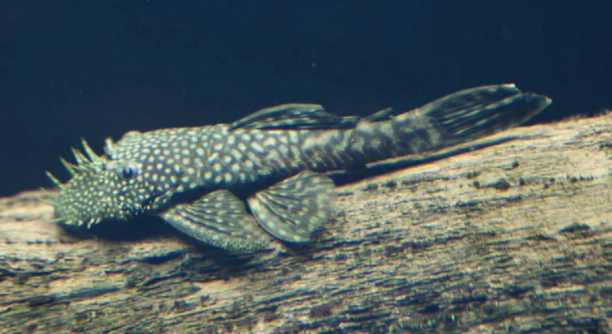
Do plecos spend their days gliding silently across the aquarium, or do they take breaks to rest like other fish species? Observing these armored freshwater fish can be fascinating, revealing a mix of activity and stillness in their routine.
Plecos do take periods of rest throughout the day, often hiding in shaded areas or caves. Their activity levels fluctuate based on light, feeding, and tank conditions, indicating that they are not constantly active but follow natural rest cycles.
Understanding their behavior can improve tank care and ensure a healthier environment for these fish. Observing patterns helps support their natural habits and comfort.
Understanding Pleco Activity Patterns
Observing plecos in my tank has shown me that their behavior changes throughout the day. They often stay near the bottom, moving slowly across surfaces or hiding in decorations. Light levels influence their activity, as they become more active at night and quieter during daylight. Feeding times also affect movement. After eating, plecos may rest in shaded corners or cling to rocks and driftwood. Their breathing slows slightly, indicating periods of rest similar to naps. The tank layout plays a role too. Open spaces encourage swimming, while plenty of hiding spots give them a sense of security. I’ve noticed that they rarely swim continuously; instead, they alternate between exploring, grazing on algae, and resting. Watching this pattern helps me maintain the tank environment, ensuring proper light, hiding spots, and feeding routines to keep them comfortable. Plecos adapt well to stable routines and predictable surroundings.
Rest periods are essential for plecos to maintain energy and overall health, balancing activity and quiet time.
Plecos also respond to changes in water temperature and quality. Warmer water can increase activity, while cooler or low-oxygen water reduces movement. They prefer moderate currents and stable conditions. By paying attention to these factors, I can adjust tank maintenance, feeding schedules, and decoration placement. These adjustments encourage natural behavior, helping plecos feel secure and active at the right times. Observing their habits over weeks reveals patterns that inform better care decisions, making it easier to provide a habitat that supports both their activity and rest cycles.
Signs That Your Pleco Needs Rest
When plecos retreat to caves or cling to surfaces without moving much, they are likely resting. These subtle behaviors indicate low activity periods rather than illness or stress.
Monitoring their sleep and rest is crucial for maintaining health. Inconsistent rest can lead to fatigue and reduced appetite. I’ve found that creating quiet zones and minimizing sudden light changes encourages regular naps. A well-planned tank with adequate shelter ensures plecos can regulate activity naturally. Observing these patterns helps me anticipate behavior changes and adjust care, making daily maintenance smoother while supporting their natural rhythms. Regular rest cycles also reduce stress and promote stronger immune function. By recognizing these signs, I can better balance feeding, light schedules, and interactions to foster a stable environment that respects their rest needs.
Best Tank Setup for Plecos
A proper tank setup keeps plecos active while providing safe resting areas. Include caves, driftwood, and flat surfaces for grazing. Moderate lighting and gentle water flow help mimic natural conditions, supporting both activity and rest.
Driftwood is not just decoration; it serves as a feeding surface and shelter. Plecos scrape algae from wood and other surfaces, keeping them engaged while providing nutrients. Caves and hiding spots reduce stress, allowing them to rest without feeling exposed. I arrange decorations to create open swimming areas alongside sheltered spots, giving plecos freedom to move or hide. Maintaining stable water temperature and regular filtration ensures they remain healthy and active. I’ve noticed plecos explore more when the tank is structured for both movement and privacy.
Water quality plays a crucial role. Regular water changes and monitoring parameters like pH, ammonia, and nitrate levels prevent fatigue and illness. When water is clean and stable, plecos exhibit natural behaviors such as grazing, resting, and exploring. I keep a balance between open space and hiding areas, which allows them to regulate activity levels. Observing their habits helps me fine-tune feeding times and placement of driftwood, rocks, and plants. Consistency in tank maintenance encourages predictable rest cycles, making plecos more comfortable and reducing stress-related behavior.
Feeding and Rest Patterns
Plecos feed primarily on algae, supplemented with vegetables and sinking pellets. Feeding at consistent times encourages predictable activity and rest cycles.
When I feed my plecos, they become noticeably active, moving around the tank and grazing on surfaces. After feeding, they retreat to shaded areas or cling to driftwood, showing clear rest periods. Observing this rhythm helps me plan feeding schedules and tank maintenance around their natural patterns. I avoid overfeeding, which can reduce activity and disrupt rest. Providing a variety of food sources supports energy levels while allowing them to rest without feeling hungry. Consistency in feeding ensures plecos maintain regular activity and rest, contributing to long-term health.
Nighttime Activity
Plecos are naturally more active at night. They explore the tank, graze on algae, and search for food during these hours. Observing their nocturnal behavior shows how light and darkness influence their movement and rest cycles.
Providing dim lighting or a night-only lamp encourages natural nighttime activity. Plecos respond well to gentle illumination, allowing them to stay active without stress. This setup helps maintain a balanced routine of activity and rest, mimicking their natural environment and supporting overall health.
Hiding Spots and Their Importance
Hiding spots reduce stress and provide essential rest areas for plecos. Caves, driftwood, and dense decorations give them security, allowing periods of inactivity. Plecos use these areas to sleep, digest food, and avoid disturbances. Without adequate shelter, they may feel exposed and reduce natural activity, affecting health and behavior.
Observing Pleco Behavior
Watching plecos regularly helps identify patterns in activity and rest. Noticing when they hide, graze, or swim ensures they are healthy and comfortable.
Light and Its Effect
Light intensity and duration directly affect pleco behavior. Too much light may discourage activity, while consistent cycles promote natural rest and active periods.
FAQ
Do plecos sleep like other fish?
Plecos do not sleep in the same way humans do, but they have periods of rest. During these times, they remain mostly still, often hiding in caves or clinging to surfaces. Their breathing slows slightly, indicating a lower activity level. I’ve noticed my plecos retreat to shaded spots after feeding, showing a clear need for rest. These periods are essential for maintaining energy and overall health, even though they remain alert enough to respond to sudden changes in their environment.
How long do plecos rest each day?
Rest periods vary depending on age, tank conditions, and light exposure. On average, plecos may have several shorter resting sessions totaling a few hours throughout the day. Younger plecos tend to be more active, while older fish rest longer. I keep the tank dimly lit during daylight hours and provide ample hiding spots, which encourages natural rest cycles. Observing these behaviors over weeks shows a predictable pattern of grazing, swimming, and resting, which helps me plan feeding and maintenance around their natural rhythm.
Are plecos active during the day?
Plecos are primarily nocturnal, so daytime activity is usually limited. They may move slowly, graze algae, or explore the tank, but most active swimming occurs at night. I arrange the tank with open areas for swimming and shaded hiding spots to let plecos regulate their activity. This balance ensures they remain comfortable and reduces stress caused by bright light or constant disturbances. Daytime observation often reveals subtle movements, showing that they are alert even while resting.
What influences pleco activity and rest?
Light, water temperature, and tank layout play major roles. Bright lights can reduce activity, while moderate light with shaded areas promotes natural behavior. Stable water temperature and quality encourage healthy routines. I maintain consistent filtration, regular water changes, and proper hiding spots to create a stable environment. Feeding schedules also influence activity, as plecos become active around meal times and retreat afterward for rest. Proper tank conditions mimic natural habitats, helping plecos alternate between exploration, grazing, and rest in predictable patterns.
Do plecos need hiding spots?
Yes, hiding spots are essential. Plecos use caves, driftwood, and dense decorations for security and rest. Without adequate shelter, they may feel exposed and reduce activity, which can affect health and feeding habits. I provide multiple options to ensure my plecos have choices for resting and staying safe. This setup encourages natural behavior while reducing stress and promoting overall well-being.
Can plecos be disturbed while resting?
They can be disturbed by sudden light changes, loud noises, or aggressive tankmates. Disturbances may interrupt rest cycles, causing stress or reduced activity. I maintain quiet surroundings and predictable routines, allowing plecos to rest without interruptions. Observing subtle changes in hiding behavior or slower movement helps identify when they are stressed, making it easier to adjust the environment to support their comfort and natural cycles.
Do plecos have different rest habits depending on species?
Yes, different species exhibit varied activity levels and rest patterns. Some plecos are more nocturnal, while others may graze lightly during the day. I research each species to provide tailored tank setups, feeding schedules, and hiding areas that match their specific needs. Observing their habits closely ensures they receive care that supports both active periods and rest cycles effectively. Species-specific knowledge helps maintain healthy, stress-free fish.
How can I tell if my pleco is healthy based on activity?
A healthy pleco alternates between rest and activity, grazes regularly, and explores the tank without signs of distress. I watch for consistent patterns of movement, feeding response, and hiding behavior. Sudden lethargy, lack of grazing, or prolonged hiding can indicate stress or illness, prompting adjustments to tank conditions or consultation with a specialist. Maintaining consistent observation and a stable environment is key to supporting their natural cycles and overall health.
Do plecos nap in groups or alone?
Plecos often rest individually but may share nearby hiding spots if multiple shelters are available. I provide several caves and driftwood areas to accommodate all plecos comfortably. This ensures that each fish can rest without conflict, maintaining social balance while supporting individual rest cycles and reducing stress.
Can changing light cycles affect pleco behavior?
Yes, inconsistent lighting can disrupt natural activity and rest patterns. I maintain a regular light schedule, with moderate daytime light and dim or no light at night, allowing plecos to follow predictable routines. Sudden changes in lighting may cause stress or reduce nocturnal activity, so gradual adjustments are best when modifying tank lighting. Proper light management encourages natural grazing, exploration, and rest patterns, ensuring healthier and more active plecos.
Final Thoughts
Observing plecos in my tank has taught me that these fish are not constantly active but follow natural cycles of activity and rest. They spend much of the day in hiding spots, resting on driftwood, clinging to surfaces, or remaining still in shaded areas. These rest periods are important for maintaining energy levels, digestion, and overall health. Even though they are primarily nocturnal, I have noticed small movements during the day as they graze lightly on algae or explore short distances. Understanding these patterns has made it easier for me to create a tank environment that supports their natural behavior. By providing appropriate lighting, hiding spots, and balanced feeding schedules, plecos can move freely when they want to and rest comfortably when needed. This balance reduces stress, promotes better health, and allows me to enjoy observing their natural habits without interfering with their routine.
The tank setup plays a crucial role in supporting both activity and rest. Driftwood, caves, and dense decorations give plecos areas to retreat and feel secure. Open swimming areas allow them to explore and exercise, while shaded corners provide safe spaces for resting. Water quality, temperature, and light also affect their behavior. Consistent water changes, stable temperatures, and moderate light cycles encourage natural activity during feeding times and proper rest afterward. Feeding schedules influence their movements as well, with plecos becoming more active around meal times and then retreating to rest. Observing these patterns over time helps me adjust tank conditions to suit their needs, making them more comfortable and healthier overall. A well-planned tank encourages natural behaviors, reduces stress, and allows plecos to maintain predictable cycles of activity and rest, which is essential for long-term care.
Plecos may seem simple at first, but their behavior shows subtle complexity. Rest is just as important as activity for these fish, and recognizing their natural rhythms is key to proper care. Over time, I have learned to interpret their movements, hiding behavior, and grazing patterns as indicators of health and comfort. Maintaining a stable environment, offering varied food, and providing multiple resting areas allows them to alternate naturally between exploration, feeding, and resting. By paying attention to their habits, I can support their well-being and create a tank environment that mimics the conditions they would experience in nature. This approach ensures that plecos remain active when they need to be, have safe places to rest, and exhibit behaviors that reflect their natural instincts. Observing these patterns has made caring for plecos more rewarding, as I can see them thriving in a space that respects both their need for activity and rest.

Hello,
If you enjoy the content that we create, please consider saying a "Thank You!" by leaving a tip.
Every little bit helps us continue crafting quality advice that supports the health, happiness, and well-being of pets around the world, for pets of all shapes, sizes, and species.
We really appreciate the kindness and support that you show us!