
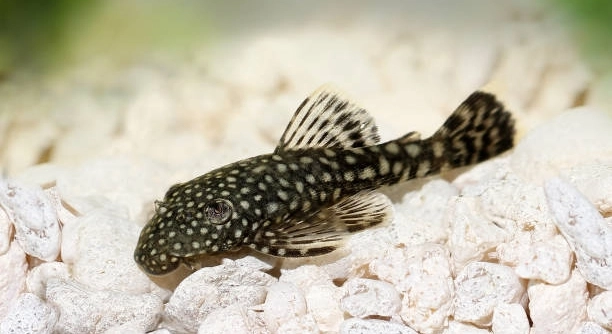
Do you ever wonder how different fish species interact in the same tank, especially when it comes to bottom-dwelling fish? Many aquarists face challenges keeping multiple species peaceful and stress-free in confined spaces.
Plecos generally coexist well with other bottom feeders if the tank is spacious and well-decorated. Territorial disputes can occur, but providing hiding spots, sufficient food, and monitoring behavior helps maintain harmony among bottom-dwelling species.
Learning how to balance tank mates and space effectively can prevent conflicts and promote a healthier environment for your aquatic friends.
Understanding Pleco Behavior
Plecos are generally peaceful fish, but they have specific habits that influence how they interact with other bottom dwellers. They spend most of their time grazing on algae and detritus, which keeps them mostly occupied and reduces conflict. Territorial behavior can emerge, especially in smaller tanks or when multiple plecos are present. Providing plenty of hiding spaces, driftwood, and smooth rocks allows each fish to claim its own area, which lowers stress levels and aggression. Plecos are nocturnal, so they are more active at night, often moving around quietly while other fish rest. Feeding schedules also matter. When food is scarce, plecos may become more competitive, so distributing food evenly across the tank helps maintain peace. Water quality and tank size are equally important; overcrowded or poorly maintained tanks can trigger stress and lead to unusual aggressive behavior even among normally calm species.
Plecos use their suckermouths to anchor themselves and explore the substrate. This helps prevent unnecessary chasing or confrontations.
Knowing these habits allows you to plan tank layouts and feeding times effectively. By observing interactions and adjusting the environment, it becomes easier to maintain a calm community. Each species may have small quirks, but understanding activity patterns and providing enough space significantly reduces tension. Decorating with caves and plants gives fish choices and privacy, which can prevent long-term stress. Some plecos may grow large and dominate the bottom layer if not monitored, so matching sizes is important. Regular maintenance, including partial water changes and cleaning surfaces, helps maintain a stable habitat. Pairing plecos with compatible bottom dwellers such as corydoras, kuhli loaches, or certain small catfish species usually works well, as they occupy slightly different niches. Observing behavior over time ensures everyone remains healthy.
Feeding and Tank Management
Proper feeding ensures plecos and other bottom feeders remain healthy and non-aggressive.
Providing a balanced diet is key to keeping plecos content. They primarily feed on algae, vegetables like zucchini or spinach, and sinking pellets designed for herbivorous fish. Bottom feeders such as corydoras and loaches require protein-based foods, so offering a variety of food types prevents competition. Spacing out feeding locations reduces crowding and stress. Observing each species’ eating habits helps identify potential issues early, such as overfeeding or underfeeding, which can lead to health problems or aggression. Maintaining consistent water quality, including proper filtration and regular water changes, supports overall well-being. Temperature, pH, and ammonia levels should be monitored closely to create a stable environment. By managing these factors, plecos coexist more easily with other bottom dwellers. Proper tank planning, attentive feeding, and environmental control are critical for maintaining a peaceful and healthy aquarium ecosystem.
Tank Size and Space Considerations
A larger tank reduces competition and stress among plecos and other bottom feeders. Crowded conditions often lead to territorial disputes, while extra space allows fish to move freely and establish separate areas without constant confrontation.
Providing at least a 55-gallon tank for multiple plecos is recommended, especially for adult specimens. Extra space allows hiding spots, plants, and decorations without restricting movement. Bottom feeders need room to forage without bumping into one another constantly. Overcrowding can cause aggression and poor water quality, increasing stress levels and susceptibility to disease. A properly sized tank also makes maintenance easier, as waste accumulation is slower and filtration is more effective.
Spacing is not just about volume; layout matters. Hiding areas, driftwood, and caves should be spread out to avoid forcing fish into close contact. Each species benefits from having personal zones. Observing behavior after adding new fish helps adjust placement and prevent territorial disputes. A well-planned environment minimizes stress and promotes natural behaviors, allowing plecos and other bottom dwellers to coexist more peacefully and maintain better overall health.
Compatible Bottom Feeders
Corydoras and kuhli loaches are good companions for plecos because they occupy slightly different niches and avoid competition for territory.
Choosing bottom feeders that differ in size and behavior helps maintain balance. Fast-moving or aggressive bottom dwellers can stress plecos, while slow, peaceful species coexist smoothly. Avoid placing multiple large plecos together unless the tank is very spacious, as they may compete for resources. Observing fish interactions regularly ensures everyone remains healthy and stress-free.
Compatibility also depends on feeding habits and activity patterns. Plecos are mostly nocturnal, while other bottom feeders may be active during the day. This natural separation reduces conflicts. Plants, caves, and soft substrates further improve harmony by providing places to rest and explore. Matching water requirements like temperature, pH, and hardness ensures all species thrive. Careful selection and monitoring are essential to maintain a peaceful bottom layer and avoid unnecessary stress among tank inhabitants.
Observing Aggressive Behavior
Signs of aggression include chasing, nipping, and guarding territory. Plecos may become defensive around new tank mates or when space is limited.
Aggressive behavior often appears when hiding spots are scarce or food is insufficient. Monitoring interactions daily helps prevent escalation and ensures all fish remain healthy and stress-free.
Tank Decorations and Hiding Spots
Providing caves, driftwood, and plants allows plecos and bottom feeders to claim personal spaces. This reduces territorial disputes and encourages natural behavior. Proper placement of decorations ensures easy access and prevents overcrowding, supporting a calmer tank environment for all inhabitants.
Feeding Schedules
Consistent feeding routines prevent competition and stress. Spreading food across the tank ensures plecos and other bottom dwellers receive sufficient nutrition without conflict.
FAQ
Do plecos attack other bottom feeders?
Plecos are generally peaceful, but they may show territorial behavior if the tank is too small or hiding spots are limited. Aggression usually occurs when food is scarce or multiple plecos occupy the same area. Providing enough space and decorations minimizes conflicts.
How many plecos can I keep with other bottom dwellers?
The number depends on tank size and the species of plecos. For smaller tanks, one pleco is usually enough. Larger tanks can support two or more, but extra care is needed to prevent territorial disputes and overcrowding.
Can plecos and corydoras share a tank?
Yes. Corydoras are peaceful, smaller, and active during the day, while plecos are mostly nocturnal. This difference in activity reduces competition. Make sure there is enough space and hiding spots for both species.
Do plecos need special food when living with other bottom feeders?
Plecos primarily eat algae, vegetables, and sinking herbivore pellets. Other bottom feeders may require protein-based foods. Feeding a variety of food types and distributing it across the tank helps reduce competition and stress among species.
Will plecos damage plants in a community tank?
Some plecos may nibble on soft plants, especially if they are hungry or lack other food sources. Using hardy plants or providing extra vegetables helps prevent damage. Driftwood and decorations can also occupy their attention.
How do I prevent plecos from becoming aggressive?
Maintaining proper tank size, adding hiding spots, and monitoring fish behavior are key. Avoid overcrowding, provide consistent feeding, and ensure water quality is stable. Observation after introducing new fish helps detect early signs of stress or conflict.
Are plecos compatible with loaches?
Kuhli loaches generally coexist well with plecos. Loaches are slender, nocturnal, and occupy slightly different areas of the substrate. Ensure plenty of hiding places and avoid combining very large or aggressive pleco species with sensitive loaches.
Do plecos need caves and driftwood?
Yes. Caves, driftwood, and dense plants give plecos spaces to claim territory and rest during the day. Driftwood also supports their digestive system and keeps them healthy. Arranging these carefully helps reduce disputes with other bottom feeders.
What tank conditions are best for plecos with other bottom feeders?
Stable water conditions, proper temperature, pH, and hardness are essential. Clean water reduces stress and prevents disease. A well-maintained filter and regular partial water changes support a healthy environment for all bottom-dwelling species.
Can plecos and shrimp live together?
Some pleco species may tolerate shrimp, but large plecos can accidentally harm them while foraging. Providing dense plants, hiding spots, and monitoring interactions ensures shrimp safety. Choosing smaller, peaceful plecos improves compatibility.
How do I introduce plecos to an existing tank?
Introduce plecos slowly and watch for territorial behavior. Rearrange decorations to reduce established territories and provide new hiding spots. Feeding evenly and monitoring for aggression during the first weeks ensures a smooth transition for both plecos and existing bottom dwellers.
Is it necessary to separate plecos during feeding?
Not usually, but distributing food across multiple locations helps prevent competition. Plecos may dominate a single feeding spot, so spreading algae wafers, pellets, and vegetables reduces stress for other bottom feeders and encourages even feeding.
Can plecos survive without other bottom feeders?
Yes, plecos are adaptable and can live alone, but they still benefit from enrichment like hiding spots and decorations. Tank mates are optional for social interaction but not required for their health.
How do I know if my pleco is stressed?
Signs of stress include hiding constantly, refusing food, excessive aggression, or rubbing against surfaces. Poor water quality, overcrowding, or insufficient decorations are common causes. Observing behavior regularly helps catch stress early and address it promptly.
Are juvenile plecos more aggressive than adults?
Juveniles can be more territorial due to competition for space. Adults are generally calmer but still need adequate hiding spots and space to prevent conflicts with other bottom feeders. Proper tank layout supports peaceful coexistence.
How do I maintain peace in a mixed bottom layer?
Provide enough space, hiding spots, and varied food sources. Choose compatible species with different activity patterns. Monitor behavior, make adjustments as needed, and maintain water quality. Regular observation ensures all fish remain healthy and stress-free in the community tank.
Do plecos need nighttime feeding?
Plecos are nocturnal, so they may be more active at night. Providing food that sinks and can be grazed on over time accommodates their natural feeding schedule without stressing other bottom dwellers.
Can multiple pleco species live together?
It is possible but requires careful planning. Different species may compete for territory or food. Ensure large tanks, abundant hiding spots, and compatible behavior patterns to reduce aggression and promote harmony.
How long does it take for plecos to adjust to new tank mates?
Adjustment time varies, usually a few days to several weeks. Providing adequate space, hiding areas, and regular monitoring helps ensure plecos coexist peacefully with other bottom feeders during this period.
Do plecos bother snails in the tank?
Most plecos ignore snails, but very small or slow-moving snails may occasionally be disturbed. Providing plants and decorations helps plecos focus on algae and food rather than interacting with snails unnecessarily.
Final Thoughts
Plecos can be a peaceful and interesting addition to a community aquarium when paired carefully with other bottom dwellers. Their mostly nocturnal habits mean they are less likely to interfere with other species during the day, reducing stress and potential conflict. However, like all fish, they require proper space, hiding spots, and a well-maintained environment to thrive. Tank size plays an important role in their behavior, as overcrowding can quickly lead to territorial disputes or stress, even among normally calm plecos. By planning the tank layout and providing areas for rest and exploration, you give each fish the ability to establish its own zone, which is key to maintaining harmony in the tank.
Feeding and tank management also have a significant impact on pleco behavior. Providing a balanced diet suited to their herbivorous needs while also accommodating other bottom feeders ensures no one fish dominates mealtimes. Distributing food evenly across the substrate reduces competition and prevents aggression from developing. Water quality is equally important; regular maintenance, proper filtration, and monitoring of temperature, pH, and hardness help create a stable environment. A calm and stable tank encourages natural behaviors and reduces stress, which is beneficial for the long-term health of all bottom-dwelling species. Observing your fish daily allows you to notice early signs of stress or conflict and make adjustments before problems escalate.
Choosing compatible tank mates is another essential factor. Peaceful species like corydoras and kuhli loaches tend to coexist well with plecos because they occupy slightly different areas of the substrate and have complementary activity patterns. Avoiding aggressive or overly territorial bottom feeders helps reduce the likelihood of disputes. Decorations, plants, and driftwood provide multiple hiding spots, giving plecos and other bottom dwellers spaces to retreat when needed. By combining careful species selection, proper tank layout, and consistent care, plecos and other bottom feeders can live together in a balanced and harmonious aquarium. With attention to these factors, a community tank with plecos can remain calm, healthy, and visually enjoyable for years.

Hello,
If you enjoy the content that we create, please consider saying a "Thank You!" by leaving a tip.
Every little bit helps us continue crafting quality advice that supports the health, happiness, and well-being of pets around the world, for pets of all shapes, sizes, and species.
We really appreciate the kindness and support that you show us!