
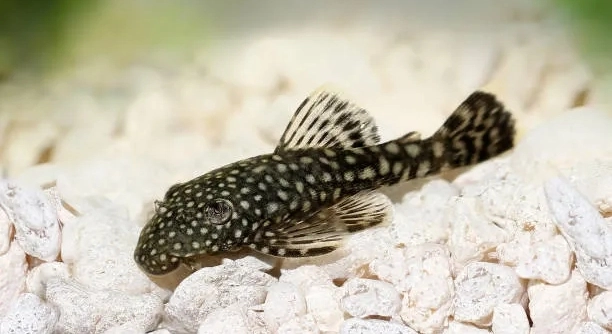
Do you ever find yourself wondering which natural foods will keep your plecos happy, healthy, and eager to eat every time you feed them?
Plecos are omnivorous fish that thrive on a diet rich in natural, plant-based foods. Offering them vegetables, fruits, and certain protein sources supports their digestive health, enhances coloration, and promotes stronger immunity in their aquatic environment.
From leafy greens to nutrient-packed roots, each food plays a vital role in your pleco’s overall well-being and daily satisfaction.
Zucchini Slices
Zucchini is one of the easiest and healthiest natural foods to feed plecos. It’s soft, easy to digest, and packed with fiber that supports digestive health. When prepared correctly, zucchini can be a staple in their diet, promoting steady growth and vibrant color. Simply slice it into thin rounds, blanch it for a few seconds, and allow it to cool before adding it to the tank. Plecos will eagerly rasp away at it for hours, keeping them active and nourished. Its mild taste and tender texture make it suitable for most species, from common plecos to bristlenose varieties.
Zucchini should be removed from the tank after 24 hours to prevent water quality issues. Offering it two or three times per week ensures your plecos receive enough nutrients without overfeeding.
Zucchini is an affordable and accessible option for aquarists. Its nutritional value and texture help maintain your pleco’s appetite while keeping the aquarium environment clean and balanced. It provides essential vitamins, such as A and C, that contribute to overall health. Regular feeding encourages your plecos to display their natural grazing behavior, keeping them satisfied. Incorporating zucchini as a steady part of their diet helps ensure longevity and vibrant appearance, while also maintaining the natural feeding rhythm that plecos thrive on.
Cucumber Treats
Cucumber is another refreshing food that plecos enjoy. Its high water content keeps them hydrated, while its smooth texture makes it easy for them to rasp.
Cucumber provides a light yet nutritious snack that plecos devour quickly. It’s rich in minerals and helps maintain hydration. To prepare it, cut thin slices and secure them at the tank’s bottom using a veggie clip or a fork. Blanching is optional but softens it slightly, making it easier for younger plecos to feed. Avoid overfeeding since cucumbers can lose texture quickly and cloud the water if left for too long. Always remove uneaten pieces after 12–18 hours to preserve cleanliness. Regular feeding with cucumber promotes a varied diet, helping prevent dietary deficiencies. Plecos benefit from alternating cucumber with other vegetables such as spinach or zucchini to ensure balanced nutrition. Its easy preparation and gentle flavor make cucumber a reliable and refreshing addition to your pleco’s meal plan.
Spinach Leaves
Spinach provides essential vitamins and minerals that plecos need for growth and vitality. Its soft texture allows easy grazing, and it’s especially beneficial for young plecos developing strong digestive systems and overall health. Always blanch the leaves before feeding to improve digestibility.
Spinach contains nutrients such as calcium, iron, and vitamin K, which contribute to bone strength and proper metabolic function. Feeding spinach once or twice weekly offers great variety without overwhelming your tank with uneaten greens. Anchor the leaves with a clip or weight to keep them submerged. Remove any leftovers after 24 hours to maintain clean water conditions. Balanced feeding with spinach supports consistent energy levels and enhances natural coloration. Regularly rotating spinach with other vegetables ensures a well-rounded diet that keeps plecos satisfied and active.
Feeding spinach also helps mimic natural feeding habits. Plecos often graze on soft plant matter in the wild, and spinach easily replicates this texture. It encourages healthy scraping behavior, which promotes proper mouth and tooth wear. By offering fresh, blanched spinach, you’re not only providing nutrients but also enriching your plecos’ environment. This addition keeps them busy and reduces stress. When combined with other plant-based foods, spinach helps create a balanced feeding routine your plecos will enjoy.
Sweet Potato Slices
Sweet potatoes are a nutrient-dense treat that provides long-lasting energy and supports healthy growth. Their slightly firm texture encourages natural rasping behavior, and when softened through boiling or blanching, they become an excellent, easily digestible food source for plecos.
Sweet potatoes contain valuable nutrients such as vitamin A, potassium, and fiber, which promote internal health and boost immune function. To prepare them, peel and slice thinly, then blanch until soft before placing in the tank. Plecos will rasp steadily on the slices, often finishing them overnight. It’s best to feed small portions two to three times a week to avoid overfeeding and water pollution. Sweet potatoes also enhance coloration due to their beta-carotene content, which supports pigment production. When combined with leafy greens or algae wafers, they complete a diverse feeding routine that meets plecos’ dietary needs while maintaining a clean aquatic environment.
Peas
Peas are an excellent natural food that supports digestion and reduces bloating in plecos. They provide plant-based protein and essential nutrients that contribute to overall health. Always remove the outer skin and lightly blanch them before feeding to ensure easy consumption.
Feeding peas once or twice weekly helps maintain digestive balance and prevents constipation. Plecos quickly recognize peas as a soft, enjoyable food source. They also help cleanse the digestive tract while offering a mild, natural flavor. Make sure to remove any uneaten portions within 12 hours to maintain water quality.
Green Beans
Green beans are highly nutritious and packed with vitamins A, C, and fiber. When blanched, they soften enough for plecos to rasp easily while still retaining structure. Cutting them into smaller pieces makes feeding easier and keeps the tank clean.
Bell Peppers
Bell peppers are a colorful and vitamin-rich food choice for plecos. They’re packed with antioxidants and provide a gentle crunch when lightly blanched. Feeding small pieces occasionally adds variety and ensures your plecos enjoy a diverse and balanced diet.
FAQ
How often should I feed my plecos natural foods?
Feeding plecos natural foods should be done two to four times per week, depending on their size and activity level. Smaller plecos need smaller, more frequent portions, while larger ones can handle less frequent feedings. Overfeeding can lead to water quality issues and digestive stress, so it’s best to monitor how quickly they finish each serving. A good rule is to provide only what they can eat within a few hours. Balancing fresh foods with sinking wafers or algae tablets helps maintain proper nutrition and keeps their diet diverse.
Can I leave vegetables in the tank overnight?
Yes, but only for a short period. Soft vegetables like zucchini, cucumber, or spinach should not stay longer than 12–24 hours. After that, they begin to break down, releasing nutrients that can cloud the water or cause bacterial growth. Harder vegetables such as sweet potato or green beans may last slightly longer but should still be removed the next day. Consistently cleaning up leftovers ensures your tank remains stable and healthy. Plecos prefer slightly softened foods, so blanching before feeding keeps texture manageable while reducing waste.
Do plecos eat fruits as well?
Plecos can eat small amounts of fruits, but moderation is important. Fruits like melon, papaya, and peeled apple slices are acceptable occasional treats. Because fruits contain natural sugars, they should not be a daily part of their diet. Overfeeding fruit can lead to excess waste and unbalanced nutrition. Always remove skins and seeds, and offer only small, soft pieces that sink easily. Feeding fruit once or twice monthly provides variety without disrupting dietary balance. It’s always best to pair fruits with more fiber-rich vegetables to maintain proper digestion.
Can plecos live on vegetables alone?
No, plecos cannot thrive solely on vegetables. While vegetables form a large part of their diet, they also need proteins for growth and repair. Protein sources like algae wafers, shrimp pellets, or small amounts of blanched peas help maintain strength and immune function. A balanced combination of vegetables and protein-based foods supports healthy coloration and natural rasping behavior. Plecos are omnivorous, so they need both plant and protein nutrients to remain active and strong. Feeding variety ensures all nutritional needs are met without excess or deficiency.
Should vegetables be blanched before feeding?
Yes, blanching is essential. It softens the vegetables, making them easier for plecos to rasp and digest. The process also removes potential pesticides or bacteria that might cling to raw produce. To blanch properly, boil the vegetables briefly for 30–60 seconds, then cool them in cold water before serving. This method preserves nutrients while improving texture. Blanching also helps vegetables sink quickly, preventing them from floating at the surface where plecos can’t easily reach them. Regularly blanching vegetables ensures safe, nutritious feeding every time.
Can I feed frozen vegetables to my plecos?
Absolutely. Frozen vegetables are convenient and often retain most of their nutritional value. Always thaw them completely and rinse before feeding. Some frozen vegetables, like spinach or peas, may already be soft enough and don’t require additional blanching. Others, such as carrots or green beans, may benefit from brief heating to achieve the right texture. Using frozen vegetables is a practical option, especially when fresh produce is unavailable. It’s an easy way to maintain consistent feeding while keeping your plecos healthy and well-fed.
Why are my plecos not eating vegetables?
It’s common for new or shy plecos to ignore fresh food at first. They might take time to adjust to their environment or be accustomed to pellets. To encourage feeding, try offering vegetables at night when plecos are most active. Blanching vegetables to enhance aroma can also help attract them. Consistency is key—introduce one type of vegetable at a time and remove uneaten food promptly. As they become comfortable, they’ll begin exploring and feeding more confidently. Patience and steady routine usually lead to successful eating habits.
What are signs my plecos are eating well?
Healthy plecos appear active, with smooth skin and steady grazing behavior. You’ll often see them rasping along the tank surfaces or directly on the food. Their bellies should appear slightly rounded but not swollen. Consistent feeding patterns and visible waste indicate proper digestion. Vibrant coloration and regular movement are strong indicators of good health. If plecos seem sluggish or disinterested, adjust feeding frequency or food type. Observing their daily habits helps identify what foods they prefer and ensures they’re getting balanced nutrition.
Is it safe to feed plecos vegetables grown at home?
Yes, vegetables from home gardens are safe as long as no pesticides or chemicals are used. Rinse thoroughly to remove dirt or residues, and always blanch before feeding. Home-grown produce can actually be healthier, offering fresher and more natural nutrients. Organic vegetables are ideal for avoiding harmful additives that could affect water quality or fish health. Feeding clean, pesticide-free vegetables ensures your plecos stay strong, active, and stress-free. Consistent use of fresh, chemical-free foods creates a more natural feeding environment your plecos will thrive in.
Final Thoughts
Feeding plecos natural foods is one of the most effective ways to keep them healthy, active, and content in their aquatic home. These gentle bottom-dwellers rely on plant-based nutrition to maintain energy and proper digestion. Vegetables such as zucchini, spinach, cucumber, and sweet potatoes not only satisfy their appetite but also contribute to their long-term health. Including a mix of leafy greens and root vegetables ensures a complete nutrient balance. Blanching vegetables before feeding makes them soft and easier for plecos to rasp, while also helping them sink to the bottom where they prefer to feed. This small preparation step can make a big difference in how easily they eat and how much nutrition they receive. The goal is to provide variety and freshness, allowing your plecos to graze naturally and remain active throughout the day.
A well-fed pleco will display brighter colors, steady movement, and stronger overall vitality. Their natural grazing behavior is an important part of their health, and offering them a consistent feeding routine helps reduce stress. Alternating vegetables with occasional protein-based foods, such as algae wafers or shrimp pellets, supports growth and ensures they receive all essential nutrients. It’s important to remember that moderation is key. Overfeeding can cause water pollution and digestive problems, so only provide what your plecos can consume within a few hours. Regular tank maintenance, including removing uneaten food, helps maintain a stable and healthy environment. A clean aquarium promotes better appetite and prevents harmful bacteria from affecting their food. Over time, you will notice how certain vegetables become favorites, allowing you to adjust their diet based on preference and nutritional value.
Taking the time to understand what plecos enjoy eating helps create a more natural and rewarding aquarium experience. Feeding is not just about nutrition—it’s also a form of care that strengthens the bond between you and your fish. Observing them rasping on a fresh slice of zucchini or gently nibbling at spinach leaves can be both relaxing and fulfilling. Natural foods mimic what they would find in the wild, promoting balanced health and natural behavior. Each feeding becomes a chance to support their growth, color, and longevity in a simple and effective way. With consistency, variety, and attention to cleanliness, your plecos will thrive beautifully. A thoughtful feeding routine built around natural foods not only benefits your fish but also keeps your aquarium cleaner, livelier, and more harmonious overall.

Hello,
If you enjoy the content that we create, please consider saying a "Thank You!" by leaving a tip.
Every little bit helps us continue crafting quality advice that supports the health, happiness, and well-being of pets around the world, for pets of all shapes, sizes, and species.
We really appreciate the kindness and support that you show us!