
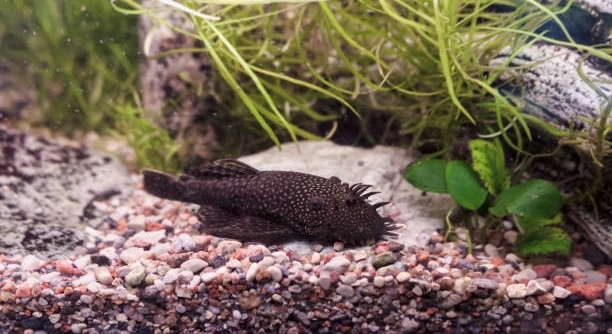
Have you ever noticed your pleco swimming around the tank more eagerly when it’s time to eat? These fascinating fish often develop patterns that seem to match your feeding schedule perfectly.
Plecos can sense feeding time primarily through learned behavior and environmental cues. They associate regular feeding routines, light changes, and human movement near the tank with food availability. Over time, this conditioning strengthens their awareness and response to feeding signals.
Understanding this behavior helps create a more consistent feeding routine, ensuring your pleco stays healthy and active in its underwater environment.
How Plecos Recognize Feeding Time
Plecos are intelligent bottom dwellers that can quickly learn feeding patterns. When feeding happens around the same time each day, they begin to anticipate it. Subtle changes in their environment, such as light levels, movement near the tank, or vibrations from footsteps, often act as signals. Over time, they associate these cues with food. Their strong memory and instinctive responses make them attentive during feeding hours. You might notice them becoming more active, swimming closer to the surface, or searching for food before you even reach for the container. Consistency helps them stay calm and confident, reducing stress while promoting healthy eating habits.
Keeping a routine is essential for maintaining this recognition. Sudden changes in feeding time or environment can confuse them, leading to reduced appetite or irregular behavior. Predictable schedules create balance, keeping your pleco healthy and engaged.
Plecos also rely on their sensory abilities to detect feeding moments. They use their barbels and skin receptors to sense vibrations and movements in the water, allowing them to pick up on feeding signals even before the food touches the surface. The water’s chemistry, temperature, and flow patterns can also play a role in how they react. Over time, these small details become familiar cues that prepare them for feeding. Their natural instincts blend with learned behaviors, helping them adapt to both routine and occasional changes. By observing your pleco’s reactions, you can better understand what triggers its excitement and ensure a more consistent, enjoyable feeding experience.
Why Routine Feeding Matters
Feeding routines are more than just convenience—they support your pleco’s overall health and comfort. Consistent timing helps regulate digestion and reduces unnecessary stress in the tank.
A well-timed feeding schedule also encourages natural behavior. Plecos are nocturnal, meaning they are most active at night. Feeding them around dusk or early evening aligns with their biological rhythm. This allows them to feed comfortably and digest food properly. Inconsistent feeding can lead to overeating, leftover food, and water quality issues. Sticking to a routine keeps both your pleco and tank environment in better condition. It also helps you monitor their eating habits, making it easier to notice any changes in appetite or behavior that may signal health concerns. By creating a predictable feeding rhythm, you ensure your pleco feels secure, well-fed, and active in its habitat.
Signs Your Pleco Knows It’s Feeding Time
Plecos often display small yet clear signs when they sense feeding time approaching. They may start moving more actively, coming out of their hiding spots, or clinging to the glass near the water’s surface where food usually appears.
Another noticeable behavior is their response to your movements. Plecos can recognize patterns, like when you walk near the tank or open the lid. Over time, these actions signal that food is coming. They might start scavenging the bottom, moving their fins quickly, or hovering around favorite feeding spots. These behaviors show how well they adapt to your schedule and environment, demonstrating both memory and conditioning.
It’s also common to see plecos exploring more right before feeding. Their senses heighten as they pick up vibrations or changes in light that match previous feeding experiences. This increased activity is a natural response and a sign that they feel comfortable and expect nourishment soon.
Helping Your Pleco Build Feeding Awareness
Establishing consistency helps strengthen your pleco’s awareness of feeding time. Feeding at the same hour each day encourages routine behavior, helping your fish stay alert and active without stress. Gradually, your pleco will associate the timing, sound, and even your presence with mealtime.
To improve this awareness, minimize disruptions in the tank’s environment. Avoid changing feeding times frequently or turning lights on and off abruptly. Plecos rely heavily on stable surroundings and sensory cues. Use sinking foods to match their bottom-feeding habits and avoid overfeeding, as excess food can disturb both water quality and behavior. Observing your pleco’s reactions helps refine your feeding process, making it more consistent and rewarding. A calm, well-fed pleco not only thrives physically but also shows natural, confident behaviors that make caring for them more enjoyable.
Common Mistakes During Feeding
Feeding plecos too often can cause water pollution and health issues. Excess food decays quickly, leading to poor water quality and stress for your fish. Always remove leftover food to keep the tank environment balanced and clean.
Another mistake is offering the wrong type of food. Plecos need a mix of sinking pellets, vegetables, and occasional protein. Feeding only one type can cause nutritional imbalance. Providing a varied diet ensures they receive essential nutrients for growth, digestion, and overall vitality.
Adjusting Feeding Habits for Better Results
If your pleco seems less responsive during feeding, it may need schedule adjustments. Observe its activity levels and feeding behavior closely. Try offering food when lights are dim, matching its natural nocturnal habits. Consistency is key, but flexibility helps when adapting to your fish’s rhythm.
Encouraging Natural Feeding Behavior
Encourage scavenging by spreading food across different areas of the tank. This keeps your pleco active and reduces competition if other fish are present. It also promotes healthier, more natural feeding behavior over time.
FAQ
Can plecos really tell when it’s feeding time?
Yes, plecos can recognize feeding time through learned behavior and environmental cues. When feeding occurs around the same time every day, they begin to anticipate it. They link regular patterns like lighting changes, sounds, and your presence near the tank with food. Over time, their internal clock becomes synchronized with your routine, allowing them to react accordingly. This conditioning is similar to how other pets, like cats or dogs, know when to expect food. Plecos are intelligent enough to remember patterns and adjust their activity around those cues, showing that they can indeed sense feeding time.
What signs show that my pleco knows it’s feeding time?
You may notice your pleco becoming more active before feeding. It might start swimming around more, come out from hiding, or attach itself to the tank glass near where you usually drop the food. Some plecos even begin exploring the substrate, looking for leftovers, before new food is added. They can also respond to your movements, especially if you have a consistent routine when preparing to feed them. These are clear indicators that your pleco associates your actions and timing with mealtime.
Do plecos rely more on sight or other senses to detect feeding time?
Plecos depend mostly on their other senses rather than sight. Being nocturnal, their vision is limited in bright conditions, but they are excellent at sensing vibrations and changes in the water. They use barbels and skin receptors to detect movement and even small sound waves. This sensitivity allows them to recognize patterns connected to feeding, such as the vibrations caused when you lift the tank lid or pour food in. Their sense of smell also helps them locate food quickly once it’s in the water.
What happens if I change their feeding schedule?
Sudden changes in feeding time can confuse your pleco and cause temporary stress. Since they become accustomed to a specific routine, irregular feeding might lead to less activity or delayed responses during mealtime. However, plecos can adapt over time. If you need to shift the schedule, do it gradually by adjusting feeding times by 15 to 20 minutes each day until you reach the new desired hour. Maintaining consistency after that will help them readjust and stay healthy.
How often should I feed my pleco?
Most plecos do well with one proper feeding per day, ideally in the evening when they are most active. Young or growing plecos may need smaller feedings twice a day. Overfeeding can harm their health and tank conditions, as uneaten food increases waste. Always ensure your pleco finishes what you provide within a few hours. Supplement their diet with vegetables like zucchini, cucumber, or spinach, along with sinking wafers for balanced nutrition.
Why does my pleco ignore food sometimes?
A pleco may ignore food if it’s already full, stressed, or uncomfortable in its environment. Poor water quality, temperature changes, or new tank setups can affect its appetite. Make sure your water parameters are stable and your pleco feels secure. Offering food at dusk, when it’s naturally more active, often helps. If the issue continues, try rotating different types of food, as some plecos prefer plant-based options while others enjoy more protein-rich diets.
Can plecos recognize their owners?
Plecos don’t recognize faces like some other pets, but they do recognize patterns and actions. They can associate your movement near the tank, or the sound of the lid opening, with feeding. Over time, they may become less shy when you approach, especially if they’ve linked your presence with food. This kind of learned behavior builds comfort and trust.
Should I feed my pleco at night or during the day?
Since most plecos are nocturnal, feeding them in the evening or at night is best. This timing matches their natural instincts and ensures they eat actively. If you feed during the day, make sure the tank lighting is dim to simulate dusk. Feeding when they’re comfortable encourages better digestion and helps maintain healthy eating habits.
What kind of food do plecos prefer?
Plecos are mostly herbivorous, though some species need extra protein. Their diet should include algae wafers, fresh vegetables, and occasional protein sources like shrimp pellets or bloodworms. Avoid giving only one type of food, as it can lead to nutritional gaps. Providing a mix helps mimic their natural feeding behavior and keeps them active.
How do I know if I’m feeding my pleco too much?
If you notice leftover food after a few hours or cloudy water, you’re likely overfeeding. Plecos are slow eaters, but they don’t need excessive portions. A small piece of vegetable or one sinking wafer per day is often enough. Monitor their activity and the tank’s cleanliness—healthy plecos remain active and alert, not sluggish or bloated.
Do plecos stop eating when they’re full?
Generally, yes. Plecos eat what they need and will slow down once satisfied. However, they may still graze on algae or driftwood throughout the day, which is normal behavior. It’s important to avoid adding extra food after they stop eating, as excess food can rot and harm water quality. Keeping feeding amounts moderate helps ensure a clean tank and a healthy pleco.
Final Thoughts
Caring for a pleco goes beyond simply dropping food into the tank. These fascinating fish can develop a clear sense of timing and routine when feeding is consistent. Their ability to recognize feeding cues, like movement, sound, or lighting changes, shows how intelligent and observant they are. When you feed them regularly and maintain a stable environment, they begin to link your actions with food, which helps them feel more secure. This consistency not only supports healthy eating habits but also strengthens the bond between you and your fish. Over time, you may notice how easily they adapt to your routine, becoming more active and responsive when feeding time approaches.
Establishing a proper feeding schedule plays a big role in keeping your pleco healthy and stress-free. Feeding them at the same time each day helps regulate their digestion and behavior. Since most plecos are nocturnal, feeding during the evening suits their natural rhythm. Observing your fish during these times also allows you to notice any changes in appetite or activity that could signal a problem. A consistent routine gives structure to their environment, which is especially important in aquariums where conditions depend entirely on your care. It’s also worth remembering that overfeeding can harm both your pleco and the tank’s balance. Providing the right amount of food keeps the water clean and ensures your fish gets what it needs without unnecessary waste.
Plecos are unique creatures that combine instinct with learned behavior. They can sense subtle changes and remember feeding cues, which makes them surprisingly interactive for bottom dwellers. Building a steady feeding pattern and offering a balanced diet help them stay active and content. You don’t need complex techniques—just regular care, observation, and patience. Watching them emerge from hiding spots or glide across the tank as they anticipate their meal can become one of the most rewarding parts of fishkeeping. In the end, the effort you put into understanding their behavior and needs will reflect in their health, appearance, and overall happiness. Feeding time, when done thoughtfully, becomes more than just a daily task—it becomes a small, meaningful connection between you and your pleco, reminding you that even the quietest fish can recognize care and consistency.

Hello,
If you enjoy the content that we create, please consider saying a "Thank You!" by leaving a tip.
Every little bit helps us continue crafting quality advice that supports the health, happiness, and well-being of pets around the world, for pets of all shapes, sizes, and species.
We really appreciate the kindness and support that you show us!