
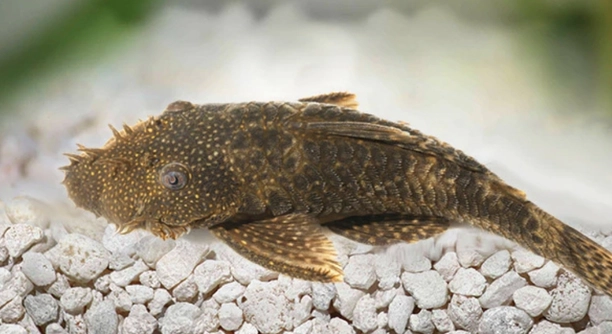
Are your plecos not as active or vibrant as you expected in your tank? Many aquarium owners struggle with creating an ideal environment for these unique fish. Simple adjustments can make a surprising difference in their wellbeing.
The most effective tank adjustments for plecos include regulating water temperature, maintaining clean water, optimizing tank size, providing proper hiding spots, controlling lighting, adjusting diet, and managing water flow. Each change directly impacts pleco health, activity, and longevity.
Making small, thoughtful changes can greatly improve your pleco’s comfort and happiness. Proper care ensures your tank thrives while supporting their natural behaviors and needs.
Regulate Water Temperature
Plecos thrive in stable water temperatures, typically between 74°F and 80°F. Sudden shifts can stress them, affecting their appetite and immune system. I noticed my pleco would hide constantly when the heater malfunctioned. Using a reliable aquarium heater with a built-in thermostat keeps fluctuations minimal. Monitoring with a separate thermometer ensures accuracy. Seasonal changes may also require small adjustments. Avoid placing the tank near windows, vents, or direct sunlight, as these can create spikes or drops in temperature. Consistency in temperature encourages natural behavior like feeding and exploring. Some species have narrower temperature preferences, so researching your specific pleco type is important. Heating the tank slowly after water changes also helps prevent stress. Overheating can be as harmful as cold water, so balance is key. Small changes over time are easier for plecos to handle than sudden extremes. Regular checks and careful adjustments can prevent long-term health issues.
Maintaining a consistent water temperature improves pleco activity and reduces stress, helping them thrive naturally in the tank environment.
Plecos are cold-blooded, meaning their body temperature matches the water. This affects digestion, metabolism, and immune response. If the water is too cold, their digestion slows, and they may refuse food. Too hot, and oxygen levels drop, leading to lethargy or health problems. Stable temperatures create a predictable environment, which plecos find comforting. I learned that adding a small heater and monitoring it daily made a noticeable difference in my pleco’s energy levels. Proper temperature encourages feeding, reduces hiding behavior, and supports overall health.
Maintain Clean Water
Dirty water leads to stress, illness, and algae overgrowth in pleco tanks. Filtration is essential for removing waste and debris. I clean my filter monthly and perform regular partial water changes to keep conditions optimal.
Keeping water clean involves a combination of proper filtration, frequent water changes, and testing for ammonia, nitrite, and nitrate. Overfeeding can increase waste, so measuring food helps maintain clarity. Vacuuming the substrate during water changes removes leftover food and debris that may decompose. I also avoid using soaps or chemicals that can harm the fish. Some plecos produce a lot of waste, so having a filter rated for a larger tank than you own ensures better water quality. Using live plants can help absorb excess nutrients and provide hiding spots. Testing water parameters weekly allows early detection of imbalances, preventing stress or disease. Maintaining clean water supports the immune system, encourages natural behavior, and prevents conditions like fin rot or ich. Small daily habits create a stable environment plecos thrive in over time.
Clean, well-maintained water ensures plecos are healthy, active, and able to express their natural behaviors without risk of disease or stress.
Optimize Tank Size
Plecos need space to move and grow. A crowded tank stresses them, leading to poor health. I upgraded my tank from 20 to 40 gallons, and my pleco became noticeably more active and curious.
A larger tank allows plecos to swim freely, explore, and maintain a stable environment. Crowded conditions increase waste accumulation and make maintaining water quality harder. Hiding spots and decorations need space, too, so a bigger tank ensures they can retreat when stressed. Some species, like common plecos, grow quite large, and small tanks stunt growth and cause health issues. I realized that providing enough room not only improved behavior but also reduced aggression among tank mates. Proper sizing is a simple adjustment that benefits both plecos and the overall tank balance, making maintenance easier and their environment more natural.
Upgrading to a bigger tank improved my pleco’s activity and feeding habits. They began exploring more, resting comfortably, and showing brighter colors, indicating better overall wellbeing and reduced stress levels.
Provide Proper Hiding Spots
Plecos feel safer with places to hide. Adding caves, driftwood, or PVC pipes helps them rest and reduces stress in the tank.
Hiding spots mimic their natural environment and give plecos a secure retreat. Without proper shelters, they may hide constantly or act skittish. I noticed my pleco spent most of the day under a single rock until I added driftwood and a small cave. Now, it chooses where to rest, sometimes coming out to explore or graze on algae. Hiding spots also help reduce conflicts with other fish and provide areas for territorial behavior. Placement is important—spaces should be accessible but not overcrowded. Using natural materials like driftwood also offers benefits like algae growth and a surface for plecos to graze on, supporting diet and enrichment. Creating multiple, comfortable hiding options fosters a healthier, happier pleco environment.
Control Lighting
Plecos prefer dim lighting and shaded areas. Bright lights stress them and encourage hiding. I added floating plants and lowered my tank light, which helped my pleco become more active during the day.
Providing natural light cycles with subdued brightness supports pleco activity. Too much light causes stress, reduces feeding, and increases algae growth.
Adjust Diet
Feeding plecos a balanced diet ensures proper growth and health. Vegetables, algae wafers, and occasional protein treats meet their nutritional needs. I learned that rotating food types kept my pleco interested and eating consistently.
Manage Water Flow
Plecos appreciate moderate water flow that mimics their natural habitats. Strong currents can exhaust them, while stagnant water reduces oxygen levels. Adjusting the filter flow made my pleco more active and comfortable.
FAQ
Why is my pleco hiding all the time?
Plecos hide when they feel stressed, unsafe, or uncomfortable. Poor water quality, bright lighting, or lack of hiding spots can make them retreat constantly. I noticed my pleco stayed hidden until I added driftwood, a small cave, and dimmed the lights. Giving them secure, dark areas allows them to feel safe, which improves feeding behavior and activity. Stressful tank conditions can also cause hiding, so checking water parameters and reducing sudden disturbances is important.
How often should I clean my pleco tank?
Regular cleaning is essential. I perform partial water changes every week, removing 20–30% of the water, and clean the filter monthly. Plecos produce a lot of waste, so maintaining cleanliness prevents ammonia buildup and keeps the tank safe. Substrate vacuuming removes leftover food and debris that can rot and affect water quality. Keeping a clean tank also reduces algae overgrowth and disease risks. A consistent schedule ensures stable conditions, supporting health and natural behavior.
What should I feed my pleco?
Plecos are mostly herbivorous but need a balanced diet. Algae wafers, fresh vegetables like zucchini or cucumber, and occasional protein treats like shrimp pellets keep them healthy. I rotate foods to prevent boredom and ensure nutrients. Overfeeding can pollute the tank, so I give only what they can finish in a few hours. Proper feeding encourages growth, brightens color, and supports digestive health. Some species require specific diets, so researching your pleco type is essential for their wellbeing.
Can plecos live with other fish?
Yes, plecos can live with peaceful tank mates. Aggressive or territorial species can stress them, so I pair my pleco with tetras and gouramis. Plecos need space and hiding spots to avoid conflicts. Providing multiple shelters helps them retreat and reduces stress. Large plecos may unintentionally harm smaller fish if space is limited. Observing interactions is important, and adjusting tank layout or species mix may be necessary. Proper management allows plecos to coexist comfortably while exhibiting natural behavior.
Why is my pleco not eating?
Loss of appetite usually signals stress, illness, or improper diet. I once noticed my pleco refused food due to low water temperature and strong currents. Checking water parameters, adjusting flow, and offering fresh vegetables or algae wafers helped restore appetite. Illnesses like fin rot or parasites can also reduce feeding, so careful observation and intervention are key. Maintaining stable conditions and proper diet prevents prolonged refusal to eat and supports long-term health.
How big will my pleco grow?
Size depends on the species. Common plecos can reach 18–24 inches, while smaller varieties, like bristlenose, stay under 6 inches. I initially underestimated my pleco’s growth and upgraded the tank to give it enough space. Providing adequate room and proper diet ensures healthy growth. Overcrowded tanks stunt development and cause stress. Understanding species-specific needs prevents surprises and allows for better tank planning. Regular measurements and observation help track growth and adjust care accordingly.
Do plecos need live plants?
Live plants are not required but highly beneficial. They provide shade, reduce nitrate levels, and offer grazing surfaces. I added anubias and floating plants, which my pleco enjoyed hiding among and nibbling on occasionally. Plants create a natural environment that reduces stress and encourages exploration. They also contribute to water quality and help maintain balance in the aquarium. Using hardy plants ensures they survive alongside pleco activity. Incorporating plants improves tank aesthetics and supports the fish’s wellbeing.
How can I tell if my pleco is healthy?
Healthy plecos are active at night, have bright colors, and feed consistently. I check fins for damage, monitor for unusual spots, and observe behavior. Lethargy, loss of appetite, or faded color signals possible health issues. Regular water testing, proper diet, and consistent tank conditions support overall wellbeing. Observing interactions with tank mates and hiding behavior also helps detect stress early. Early detection of problems allows prompt adjustments to diet, water quality, or environment, ensuring plecos remain healthy and active.
How often should I test water parameters?
Testing weekly is ideal. I check ammonia, nitrite, nitrate, and pH levels to ensure stability. Plecos are sensitive to fluctuations, so consistent monitoring prevents stress and disease. Rapid changes in temperature, pH, or nitrogen compounds can negatively affect health. Maintaining records helps identify trends and address issues before they escalate. Regular testing allows timely adjustments, such as partial water changes or filter maintenance, which keep the tank balanced and safe for plecos. Proper monitoring supports growth, activity, and longevity.
Can plecos tolerate different water hardness levels?
Plecos generally tolerate soft to moderately hard water, but species differences matter. I researched my pleco’s preferred range and adjusted tank conditions accordingly. Stable hardness prevents stress, promotes proper growth, and supports immune function. Sudden changes in hardness can cause shock, reduce appetite, and affect metabolism. Using test kits helps monitor levels, and adding minerals gradually adjusts water without harming the fish. Maintaining consistency is more important than achieving a perfect number. Observing the pleco’s behavior and appearance helps determine if water conditions are suitable and healthy.
Final Thoughts
Taking care of plecos may seem straightforward at first, but small details can make a big difference in their health and happiness. Plecos are hardy fish, yet they thrive best in conditions that mimic their natural habitat. I have learned that consistent attention to water quality, temperature, diet, and hiding spots makes all the difference. Even small changes, like adjusting water flow or adding a cave, can improve their comfort significantly. Observing their behavior over time helps identify what works best, as each pleco can have slightly different preferences. Making thoughtful adjustments gradually is more effective than sudden changes, which can stress the fish. Maintaining patience and consistency is key, and it allows plecos to show natural behaviors, such as grazing on algae, exploring the tank, and resting comfortably in shaded areas. The more stable and suitable their environment, the healthier and more active they become.
Providing proper care for plecos is not only about keeping them alive but also about supporting their long-term wellbeing. A clean tank, proper hiding places, and balanced nutrition all contribute to reducing stress and preventing health issues. Over time, I noticed that my pleco became more confident, exploring the tank more and showing brighter colors, which was a clear sign of improvement. Watching these subtle changes reminded me that plecos respond well to thoughtful care and attention. Monitoring water parameters, adjusting the tank size as needed, and providing a diet tailored to their needs all help create a healthy environment. Even the smallest details, like dimming the lighting or rearranging decorations, can make them feel secure. This makes caring for plecos a rewarding experience, as you get to see the results of your efforts in their behavior, activity levels, and overall health.
Finally, caring for plecos is a combination of science and observation. Understanding their needs and creating an environment that meets them ensures that they live full, healthy lives. I have learned that taking the time to research specific species, provide adequate space, and maintain stable water conditions reduces problems and improves their longevity. Regularly checking on them, maintaining clean water, and offering variety in diet are simple steps with lasting effects. Plecos may not always be as interactive as other fish, but providing the right environment allows them to show natural behaviors and thrive quietly and comfortably. Over time, you can see how these adjustments enhance their wellbeing, making the effort worthwhile. Proper care and attention result in a healthier, more active, and content pleco that truly benefits from the environment you create for it.

Hello,
If you enjoy the content that we create, please consider saying a "Thank You!" by leaving a tip.
Every little bit helps us continue crafting quality advice that supports the health, happiness, and well-being of pets around the world, for pets of all shapes, sizes, and species.
We really appreciate the kindness and support that you show us!