
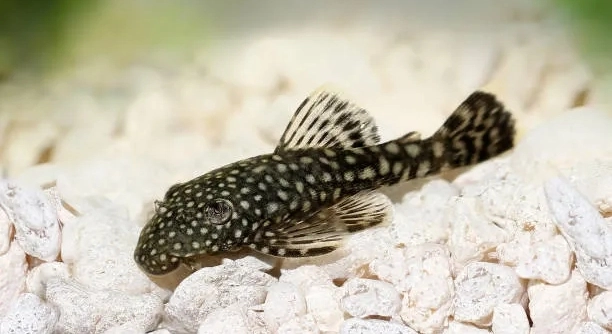
Do you ever notice your pleco disappearing into its cave right after a water change? Many aquarists see this behavior and wonder why their usually active fish suddenly chooses to hide away. Plecos are sensitive creatures.
The primary reason plecos hide after a water change is due to stress from sudden changes in water parameters. Even small shifts in temperature, pH, or chemical composition can trigger hiding behavior as a natural response to protect themselves from perceived threats.
Observing these subtle reactions can help you maintain a calmer environment and understand your pleco’s behavior more clearly in the long term.
Understanding Pleco Stress After a Water Change
Plecos are very sensitive to changes in their environment. Even minor shifts in water temperature, pH, or hardness can make them feel unsafe. After a water change, they may hide for hours or even a full day. This behavior is their natural way of coping with stress. They retreat to caves, driftwood, or other shelters to feel secure. Some plecos are more timid than others, so their reaction may vary. Large water changes can be particularly stressful because they suddenly alter the water chemistry. Using a water conditioner and matching temperature and pH as closely as possible to the original tank water helps reduce stress. Over time, plecos may adjust more quickly if changes are done gradually. Keeping decorations and hiding spots consistent can also make them feel more comfortable. Observing your pleco’s behavior after changes provides insight into its comfort level and overall health.
Plecos often hide simply to feel safe. Giving them space and avoiding sudden handling can reduce stress and promote calm behavior.
Regular observation helps you notice patterns in hiding behavior. Some plecos prefer certain hiding spots or substrates. Adjusting water change routines gradually and keeping consistent tank conditions makes them feel secure. Over time, this helps reduce hiding frequency and supports a healthier, calmer pleco. Understanding their preferences and responses also makes caring for them more predictable and less stressful for both you and the fish.
Tips to Reduce Hiding After Water Changes
Maintaining stable water conditions is key to keeping plecos comfortable. Gradual water changes and consistent parameters help them adjust without stress.
To minimize hiding, match the new water’s temperature and chemistry closely to the tank water. Use a dechlorinator and avoid changing more than 20-25% of the water at once. Providing ample hiding spots and keeping the layout consistent allows plecos to feel secure. Observing your pleco’s behavior before, during, and after water changes helps identify if stress levels are high. Some plecos are naturally more cautious, so patience is necessary. Feeding after water changes may encourage them to come out, but avoid forcing interaction. Over time, consistent routines and a stable environment reduce hiding, making the fish more active and easier to observe. Simple adjustments can greatly improve your pleco’s comfort and overall health, creating a calmer tank environment for all your aquatic inhabitants.
Adjusting Water Change Practices
Small, gradual water changes are easier for plecos to handle. Sudden shifts in water parameters often cause hiding and stress, so slower adjustments make them feel safer. Consistency in timing and procedure also helps reduce anxiety over time.
When performing a water change, avoid replacing too much water at once. Changing 10-20% of the tank weekly is generally enough to maintain clean water while keeping parameters stable. Make sure the new water matches the tank’s temperature, pH, and hardness as closely as possible. Using a water conditioner removes harmful chemicals like chlorine or chloramine, which can shock plecos. Sudden changes in water chemistry can lead to stress behaviors like hiding, refusal to eat, or lethargy. Watching your pleco’s response helps you fine-tune your water change routine and ensures they remain healthy and active.
Gradual acclimation works well for plecos that consistently hide after water changes. You can pre-mix new water in a separate container and adjust parameters slowly before adding it to the tank. This prevents sudden chemical or temperature shifts. Providing multiple hiding spots allows plecos to retreat if they feel insecure. Observing their behavior over several weeks shows whether your adjustments are effective. Small, consistent practices build a stable environment that reduces stress and encourages natural activity. Over time, plecos tend to hide less and become more confident in their surroundings.
Monitoring Tank Conditions
Regularly testing water helps catch small changes before they stress your pleco. Maintaining stable conditions keeps them more comfortable and reduces hiding.
Using test kits to monitor pH, ammonia, nitrite, nitrate, and temperature is essential. Even small fluctuations can trigger hiding behavior. Keeping a log of readings before and after water changes allows you to spot trends and adjust your routine as needed. Consistent maintenance of filters, substrate, and decorations also contributes to stability. Plecos rely on a predictable environment to feel safe, so sudden changes in tank setup or water chemistry can make them anxious. Observing their behavior alongside water parameters gives insight into what conditions make them comfortable and promotes a calmer, healthier tank overall.
Providing Hiding Spots
Plecos need secure places to retreat after a water change. Caves, driftwood, and dense plants give them the comfort they seek. These spots reduce stress and encourage natural behavior without forcing interaction.
Consistent hiding areas also help plecos feel in control of their environment. Moving decorations too often can increase anxiety.
Feeding After Water Changes
Feeding plecos after a water change can encourage them to emerge. They are more likely to come out when they feel safe and hungry. Offering food near hiding spots helps them associate activity with security.
Watching Behavior Patterns
Observing your pleco’s behavior daily helps identify stress triggers. Note how long they hide and what conditions provoke it. Patterns indicate which adjustments work and allow you to improve their comfort.
Maintaining Clean Water
Clean water reduces stress and promotes activity. Regular partial water changes, filtered water, and removed debris ensure plecos stay healthy and comfortable.
FAQ
Why does my pleco hide immediately after a water change?
Plecos are sensitive to sudden changes in water conditions. Even minor shifts in temperature, pH, or water chemistry can cause them to retreat to hiding spots. Hiding is their natural coping mechanism, helping them feel safe and protected while their environment stabilizes.
How long will my pleco stay hidden after a water change?
Most plecos will hide for a few hours up to a full day. Timid or stressed individuals may remain in hiding longer. Gradual water changes and consistent tank conditions can shorten hiding periods and encourage them to return to normal activity more quickly.
Are there ways to reduce hiding after water changes?
Yes. Performing smaller, more frequent water changes, matching water parameters closely, and using a water conditioner all help. Providing multiple secure hiding spots and maintaining a consistent tank layout also reduces stress, allowing plecos to feel safe while adjusting.
Does hiding mean my pleco is sick?
Not always. Hiding after a water change is usually stress-related rather than a sign of illness. However, prolonged hiding combined with other symptoms like loss of appetite, rapid breathing, or unusual swimming could indicate health problems, and testing water quality or consulting a veterinarian may be necessary.
Can feeding help my pleco come out of hiding?
Feeding after a water change can encourage activity. Placing food near their hiding spots allows them to eat while still feeling secure. Over time, this can build positive associations with the tank environment and reduce excessive hiding.
Do different pleco species react differently to water changes?
Yes. Some pleco species are naturally more cautious or territorial, making them more likely to hide after water changes. Observing the specific habits of your species helps you tailor water change routines and tank setup to reduce stress.
Is hiding worse in newly set-up tanks?
New tanks often have unstable water parameters, which can increase hiding behavior. Young or recently relocated plecos may take longer to adjust. Regular monitoring and gradual changes help build a stable environment, encouraging them to feel secure faster.
Should I interact with my pleco while it’s hiding?
It’s best to avoid disturbing a hiding pleco. They need time to adjust and feel safe. Handling or tapping the glass may increase stress and prolong hiding. Observing quietly and ensuring water quality is stable is more effective.
Can water temperature changes trigger hiding?
Yes. Sudden temperature fluctuations are stressful for plecos. Even a few degrees difference can cause them to retreat. Using a heater and testing water before and after changes helps maintain consistent temperatures and reduces hiding.
How do I know if my hiding pleco is stressed or just resting?
Stress-related hiding usually occurs after water changes or other environmental disruptions and may last longer. Resting or nocturnal hiding is part of normal behavior. Observing patterns, such as timing and duration, along with overall activity, helps distinguish between the two.
Do decorations affect hiding behavior?
Yes. Plecos rely on caves, driftwood, and plants to feel secure. Lack of adequate hiding spaces can make them overly stressed and cause excessive hiding. Maintaining consistent hiding spots encourages natural behavior and reduces anxiety.
Is it normal for a pleco to hide during the day?
Plecos are mostly nocturnal and naturally spend daytime in hiding. After a water change, this behavior can intensify as a response to stress. Ensuring stable water conditions and secure hiding areas allows them to feel safe and return to normal activity on their own.
Can water changes affect pleco appetite?
Yes. Stress from water changes can temporarily reduce appetite. Offering food near hiding spots or waiting a few hours for the fish to feel secure usually restores normal eating behavior. Consistent tank routines minimize appetite disruption over time.
Are there signs my pleco is adjusting well after a water change?
Yes. Emerging from hiding, resuming normal swimming patterns, and feeding within a few hours indicate they are adjusting. Consistent water parameters, gradual changes, and secure hiding spots help plecos regain comfort faster after a water change.
How often should I monitor my pleco after water changes?
Daily observation is helpful. Watching behavior for signs of prolonged hiding, stress, or changes in appetite ensures you can intervene early if conditions are causing discomfort. Recording patterns also helps optimize water change routines.
Can hiding behavior be prevented entirely?
Hiding can’t be completely prevented because it’s a natural stress response. However, smaller, gradual water changes, stable water parameters, consistent tank setup, and multiple hiding spots can significantly reduce the frequency and duration of hiding behavior.
Does tank size influence hiding behavior?
Yes. Larger tanks with multiple hiding spots allow plecos to retreat while exploring, reducing stress. In smaller tanks, hiding areas may be limited, making sudden water changes feel more disruptive and increasing stress-related hiding.
Is using a water conditioner important for pleco comfort?
Absolutely. Removing chlorine, chloramine, and heavy metals helps prevent stress during water changes. Conditioned water ensures safer transitions, reducing hiding behavior and supporting overall health.
Can lighting affect hiding behavior after a water change?
Bright lighting can make plecos feel exposed and increase hiding. Keeping lighting consistent and providing shaded areas or plants helps them feel secure while adjusting to water changes.
How long does it take for plecos to fully adjust to regular water changes?
Adjustment time varies. Some plecos acclimate within hours, while others may take several weeks. Gradual water changes, stable parameters, and secure hiding spots help them feel comfortable and reduce stress over time.
Should I change water less frequently to reduce hiding?
Reducing frequency isn’t ideal because water quality must remain high. Instead, smaller, more gradual changes are safer. Frequent but gentle adjustments maintain clean water while minimizing stress and hiding behavior.
Do stress-related hiding and illness look different?
Yes. Stress-related hiding usually resolves within hours or a day and doesn’t include other symptoms. Illness often involves lethargy, abnormal swimming, discoloration, or loss of appetite. Observing behavior in combination with water testing helps distinguish the cause.
Can tank mates influence hiding behavior after a water change?
Yes. Aggressive or territorial tank mates may increase hiding. After water changes, plecos may feel more vulnerable, so providing secure hiding spaces is essential for safety and stress reduction.
Is it normal for a pleco to never leave its hiding spot?
If a pleco remains hidden for days with no activity, feeding, or movement, it may indicate serious stress or illness. Checking water quality, observing for symptoms, and seeking veterinary advice is recommended to ensure the fish’s health.
Can seasonal changes affect hiding behavior?
Seasonal changes in room temperature, daylight, or water conditions can influence hiding behavior. Maintaining stable water temperature, lighting, and regular water changes helps plecos feel secure throughout the year.
Does tank cleaning frequency matter for hiding?
Yes. Infrequent cleaning can degrade water quality and stress plecos, increasing hiding. Regular, partial water changes, substrate cleaning, and filter maintenance maintain a stable environment and reduce stress-related behavior.
Is it normal for plecos to hide after multiple consecutive water changes?
Yes. Even with regular maintenance, some plecos may remain cautious. Gradual changes, consistent routines, and secure hiding areas help them regain confidence faster over time.
What should I do if my pleco hides excessively after a water change?
Check water parameters, ensure hiding spots are available, and verify the water temperature and chemistry match the tank closely. Small, gradual adjustments and patience are key to helping your pleco feel safe and reduce prolonged hiding.
Does age affect hiding behavior?
Younger plecos may hide more frequently due to inexperience and sensitivity. Older plecos often adjust more quickly but still benefit from consistent water conditions, hiding spaces, and gradual changes to reduce stress after water changes.
Can decorations reduce hiding stress?
Yes. Driftwood, caves, and plants create secure retreats. Consistent placement allows plecos to feel safe and reduces the stress of adjusting after water changes. Moving decorations too often can increase hiding behavior.
Is it normal for plecos to hide at night after a water change?
Yes. Plecos are naturally nocturnal and may continue hiding if stressed. Ensuring proper water parameters and secure hiding spaces helps them adjust and resume normal nocturnal activity.
Do different water change methods affect hiding?
Yes. Large, rapid water changes increase hiding and stress, while smaller, gradual changes minimize disruptions. Using a siphon and pre-conditioned water helps make the process less stressful and encourages normal activity.
Can hiding behavior indicate long-term stress?
Prolonged hiding, especially if combined with reduced appetite or lethargy, can signal chronic stress. Consistent water maintenance, stable parameters, and sufficient hiding spots help prevent long-term stress and promote a healthier, more confident pleco.
Is it okay for plecos to hide behind equipment after a water change?
Yes. Equipment like filters or heaters provides security. Plecos often use these spots to feel safe until water parameters stabilize. Observing behavior and ensuring they can leave freely is important for health.
Does water hardness affect hiding behavior?
Yes. Sudden changes in hardness can stress plecos. Matching the new water’s hardness to existing tank water during changes reduces hiding and helps maintain comfort and stability.
Can I use less bright lighting during water changes?
Yes. Dim lighting reduces stress and makes plecos more willing to emerge from hiding. Consistency in lighting schedules supports overall comfort and encourages normal activity.
Do plecos hide more in planted tanks after water changes?
Even in planted tanks, sudden changes in water can trigger hiding. Plants provide security, but consistency in water quality, temperature, and maintenance is necessary to prevent stress-related hiding.
How do I know if my pleco is adjusting well over time?
Emerging sooner after water changes, feeding normally, and exploring the tank indicate good adjustment. Gradual acclimation and consistent environment help plecos feel secure and reduce stress-related hiding behaviors.
Can sudden noise or movement worsen hiding?
Yes. Loud noises or tapping the glass can increase stress, especially after a water change. Maintaining a calm environment supports faster adjustment and encourages plecos to resume normal activity.
Are plecos more likely to hide in small tanks after water changes?
Yes. Limited space and fewer hiding options make them feel more exposed. Adding secure spots and performing gentle, gradual water changes reduces hiding and supports a calmer environment.
Do water conditioners reduce hiding behavior?
Absolutely. Removing chlorine, chloramine, and heavy metals prevents stress from chemical shocks. Conditioned water promotes a safer environment and decreases hiding frequency.
Can plecos get used to regular water changes?
Yes. Gradual, consistent routines help them anticipate changes and reduce stress. Over time, hiding periods shorten as plecos become accustomed to the process, especially with stable water parameters and secure hiding spots.
Does feeding schedule impact hiding after water changes?
Yes. Feeding at predictable times, especially after water changes, helps plecos feel secure. Food near hiding spots encourages activity while still allowing them to retreat when needed.
Is it normal for plecos to hide more in warm water after a change?
Warm water increases metabolism and activity, but sudden temperature changes can still stress plecos. Matching water temperatures and performing gradual adjustments reduces hiding even in warmer conditions.
Can excessive hiding affect pleco health?
Yes. Stress from prolonged hiding may reduce appetite and weaken the immune system. Maintaining stable water, hiding spots, and gradual changes supports physical and mental well-being.
Do plecos hide more when tank mates are aggressive?
Yes. Aggressive tank mates increase stress, especially after water changes. Providing multiple hiding spots and observing interactions ensures plecos feel safe and reduces prolonged hiding.
Should I separate my pleco if it hides too much?
Not necessarily. Separation may help in extreme cases, but usually, gradual water changes, stable parameters, and secure hiding spots are enough. Isolation should only be used if aggression or illness is a factor.
Can plecos hide due to bright or flashing lights after water changes?
Yes. Sudden bright lighting increases stress. Providing shaded areas and consistent lighting schedules reduces hiding and encourages normal behavior.
Do plecos hide more after large water changes?
Yes. Large, sudden changes in water volume and chemistry are stressful. Smaller, gradual changes minimize hiding and allow plecos to adjust comfortably.
Is it normal for plecos to hide after water changes even in a healthy tank?
Yes. Hiding after a water change is often a natural stress response, even when the tank is well-maintained. Observing behavior, maintaining stable parameters, and providing secure hiding spots ensures comfort and safety.
Can adding driftwood reduce hiding behavior?
Yes. Driftwood provides natural hiding spaces and security. Plecos often feel more comfortable exploring after a water change when they have reliable shelters available.
Does the time of day affect hiding after a water change?
Yes. Plecos are mostly nocturnal, so daytime water changes may trigger more hiding. Performing changes during low activity periods or dim lighting helps reduce stress.
Can I use gentle water flow to encourage plecos to leave hiding spots?
Yes. Mild currents near feeding areas can prompt cautious plecos to explore. Avoid strong flows that may stress them further, especially immediately after water changes.
Does tank size, decorations, and hiding spots work together to reduce stress?
Absolutely. A combination of adequate space, secure hiding areas, and consistent decor provides comfort, reduces stress, and minimizes hiding after water changes.
How can I tell if hiding is normal or a problem?
Short-term hiding after water changes is normal. Persistent hiding with appetite loss, lethargy, or unusual behavior may indicate stress or illness, requiring water checks or veterinary attention.
Can frequent water testing reduce hiding?
Yes. Monitoring water parameters allows you to maintain stability. Stable conditions reduce stress and help plecos feel secure, minimizing hiding behavior after water changes.
Are some plecos naturally more secretive?
Yes. Certain species are naturally cautious and prefer to hide. Recognizing species-specific behavior helps adjust tank setup and water change practices to reduce stress.
Does hiding affect growth or health long-term?
Occasional hiding does not harm plecos. Chronic stress from frequent hiding without proper water maintenance, nutrition, or hiding spots can impact growth, appetite, and immune health over time.
Can observing multiple water changes help understand hiding patterns?
Yes. Recording behavior after each change reveals trends. This helps identify stress triggers, optimize water change routines, and provide a comfortable environment that minimizes hiding.
Are there behavioral signs that indicate a pleco is stressed during water changes?
Signs include extended hiding, rapid gill movement, loss of appetite, and unusual swimming. Recognizing these behaviors allows adjustments to water change practices and tank conditions to reduce stress.
Do plecos hide more when water is cloudy or dirty?
Yes. Poor water quality increases stress and encourages hiding. Maintaining clear, clean water with regular partial changes, filtration, and substrate cleaning promotes comfort and reduces hiding.
Can plecos become more confident over time with consistent water changes?
Yes. Gradual changes, stable water parameters, and secure hiding spots help plecos adjust and reduce hiding. Over weeks or months, they often emerge more quickly after water maintenance and become more active.
Does hiding behavior differ between nocturnal and diurnal plecos?
Yes. Nocturnal species naturally hide during the day and may increase hiding after water changes. Understanding their activity patterns helps optimize timing, lighting, and tank setup to minimize stress.
Can stress from water changes affect pleco coloration?
Yes. Temporary stress may dull color. Maintaining stable water parameters and providing secure hiding spots reduces stress and helps plecos maintain normal coloration over time.
Do plecos hide more after water changes in community tanks?
Yes. Interaction with other fish can increase perceived threat, especially after changes. Secure hiding spots and stable conditions help reduce stress-related hiding in community tanks.
How important is patience in dealing with hiding behavior?
Very important. Plecos need time to adjust. Consistent water parameters, gradual changes, and secure hiding spots, along with patience, ensure they regain comfort and reduce prolonged hiding behaviors.
Can feeding variety influence hiding behavior?
Offering a variety of foods encourages exploration and can reduce hiding. Plecos may emerge to eat, especially if food is placed near hiding spots, promoting activity without forcing them out prematurely.
Does acclimating new plecos reduce hiding after water changes?
Yes. Proper acclimation to the tank environment helps them adjust faster. Gradual introduction and stable water conditions minimize stress-related hiding and support overall well-being.
Can hiding be a sign of environmental preference rather than stress?
Yes. Some plecos naturally prefer shaded or concealed areas. Not all hiding indicates stress. Observing activity patterns, feeding, and overall health distinguishes preference from anxiety or discomfort.
Does substrate type affect hiding behavior?
Yes. Soft or smooth substrates with hiding options allow plecos to feel secure. Rough or bare substrates may increase stress and prolong hiding, especially after water changes.
Is it normal for plecos to hide after partial water changes rather than full changes?
Yes. Even partial changes can slightly alter water chemistry. Small, frequent changes minimize stress and reduce the duration of hiding while keeping water quality high.
Can providing multiple hiding options reduce aggression and hiding?
Yes. Multiple shelters allow plecos to retreat without competition, lowering stress and encouraging normal activity after water changes.
Do plecos hide more in aquariums with fluctuating lighting or temperature?
Yes. Consistency in lighting and temperature helps plecos feel secure. Fluctuations increase stress and hiding behavior, especially after water changes or other disturbances.
How can I tell if hiding is due to water change or tank mate interaction?
Observe timing and context. Hiding immediately after a water change usually points to environmental stress. Hiding triggered by other fish, chasing, or aggression indicates social stress. Both factors may require adjustments to reduce hiding behavior.
Does water change method affect hiding duration?
Yes. Gentle, gradual changes with pre-conditioned water reduce hiding time. Large, rapid changes increase stress, making plecos remain hidden longer and potentially affecting appetite and behavior.
Can consistent tank decor help reduce hiding?
Yes. Predictable hiding spots, driftwood, and plants create security. Frequent changes in decor can increase stress and prolong hiding, so maintaining consistency supports natural behavior and comfort.
Is it normal for plecos to hide more during breeding season?
Yes. Plecos may become more territorial or cautious. Secure hiding areas help them feel safe, reducing stress-related hiding during these periods.
Can stress from water changes impact social interactions?
Yes. Stress may cause plecos to avoid other fish or become more territorial. Gradual water changes and adequate hiding spots help maintain normal social behavior and reduce hiding.
Does water pH adjustment influence hiding behavior?
Yes. Sudden pH changes are stressful. Matching the pH of replacement water to the tank and making gradual adjustments minimizes
Final Thoughts
Caring for a pleco requires understanding that hiding is a natural behavior, especially after water changes. Plecos are sensitive to changes in water chemistry, temperature, and overall tank conditions. Even small shifts can make them feel unsafe, prompting them to retreat into caves, behind driftwood, or among plants. Observing their hiding behavior is not a sign of failure as an aquarist; it is simply their way of coping with stress. By paying attention to how your pleco reacts, you gain insight into its comfort and well-being. Hiding after a water change is normal, but noticing patterns over time can help you make small adjustments that improve your pleco’s quality of life.
Consistency is key when maintaining a pleco tank. Performing gradual water changes, matching the new water’s temperature and chemistry to the existing tank, and using a water conditioner all contribute to reducing stress. Large, sudden water changes can be jarring, even for healthy fish, so smaller, more frequent changes are preferable. Providing secure hiding spots, such as caves, driftwood, and plants, allows plecos to feel protected during times of transition. These measures create an environment where your pleco can adjust comfortably and naturally, without the added pressure of sudden environmental shocks. Over time, plecos learn to feel safer and emerge more quickly after changes, showing normal activity and feeding behavior.
Patience and careful observation are essential parts of pleco care. Not all plecos will react the same way, and some may remain hidden longer than others due to temperament, species, or previous experiences. Understanding your individual pleco’s preferences helps you create a stable environment that minimizes stress. Watching behavior, keeping a log of hiding patterns, and maintaining stable water parameters will allow you to anticipate their needs and reduce prolonged hiding. While it may be tempting to try to force a pleco out of hiding, allowing them the time and space to adjust naturally is more beneficial for their health. With consistency, attention, and care, your pleco will become more comfortable in its environment, showing its personality and natural behaviors more confidently over time.

Hello,
If you enjoy the content that we create, please consider saying a "Thank You!" by leaving a tip.
Every little bit helps us continue crafting quality advice that supports the health, happiness, and well-being of pets around the world, for pets of all shapes, sizes, and species.
We really appreciate the kindness and support that you show us!