
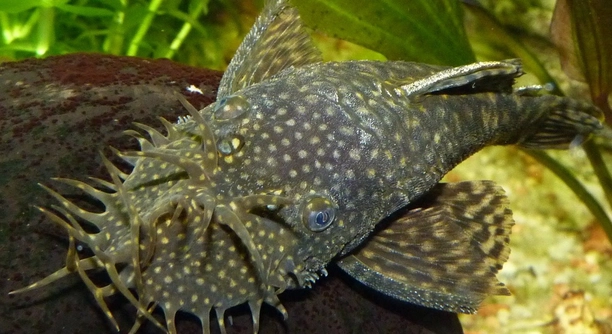
Do you ever find yourself observing your plecos and noticing unusual behaviors during tank maintenance? Breeding season can bring out new patterns in these fish that are both fascinating and informative to watch closely.
Plecos exhibit several distinct breeding behaviors that can indicate readiness to spawn. These include territorial guarding, increased hiding, nest preparation, specific mating dances, fin displays, changes in feeding habits, and protective care of eggs and fry. Recognizing these behaviors ensures proper management.
Observing these behaviors can help you support your plecos’ natural breeding instincts and maintain a healthy aquarium environment for them.
Territorial Guarding
During breeding season, plecos often become highly territorial. Males will stake out a specific area of the tank, usually around a cave or other hiding spot. They may chase away other fish that come too close. This behavior is essential for protecting potential eggs and ensuring the male’s chosen site remains safe. You might notice your pleco patrolling the area regularly or resting inside the cave for long periods. The intensity of territorial guarding can vary between individual fish, depending on age and size. Consistent observation helps you identify which pleco is the dominant breeder and where eggs are likely to be deposited. Providing multiple hiding spots can reduce stress for other tank mates and prevent injuries. If you notice aggression rising, temporarily separating fish may be necessary. Territorial guarding is a natural part of pleco breeding and indicates that your tank setup is suitable for successful spawning.
Territorial guarding signals readiness to breed and helps protect the male’s chosen site from intruders.
Keeping track of this behavior allows you to adjust tank layout, ensuring plecos feel secure and eggs are safely protected from other fish. Observing their patterns daily helps maintain a calm environment and supports successful breeding outcomes.
Nest Preparation
Nest preparation is a critical step in pleco breeding. Males will begin cleaning and enlarging their chosen cave or crevice. They may scrape surfaces or move small debris to create a secure spot for eggs. This process can last several days, with the male continuously monitoring and adjusting the nest. The effort ensures that the eggs have a safe and oxygen-rich environment for development. You may notice increased activity around the nest area, including repeated inspection trips and minor digging behaviors. Some plecos also use their mouths to remove dirt or algae from surfaces, keeping the site pristine. Providing smooth surfaces or hollow decorations helps facilitate nest building. Observing these preparations can give you insight into which males are actively breeding and help you anticipate when eggs will be laid. Nest preparation is a clear sign that breeding is imminent.
Nest preparation indicates the male is ready to spawn and is creating a safe site for eggs.
Increased Hiding
During breeding, plecos often spend more time hiding in caves or under decorations. This behavior helps them feel safe and reduces stress while they prepare for spawning.
Plecos increase their use of hiding spots to protect themselves and their potential eggs from disturbances in the tank. They may stay out of sight for hours, emerging only to feed or inspect their surroundings. This can be more noticeable in males who are guarding a nest, but females also use hiding spots to feel secure. Providing multiple caves, driftwood, or smooth rock crevices allows them to express this natural behavior. Observing which areas are favored can help identify nesting sites and monitor breeding activity without disturbing the fish. Hiding is a natural, protective instinct that supports successful reproduction.
Hiding also reduces conflicts with other tank mates and maintains calm conditions for plecos. Regularly checking on their favored spots helps track breeding progress without causing stress.
Mating Dances
Males perform specific movements to attract females to their nest. This includes circling, fin flaring, and gentle nudging.
The mating dance is a combination of gestures designed to signal readiness and attract a mate. Males often move in a rhythmic pattern around the nest, sometimes lightly bumping the female to guide her toward the eggs. Fin flaring is common during this display, showing strength and health. The female responds by exploring the nest or positioning herself near the male. These dances can last several minutes or longer, depending on the fish. Observing these behaviors can confirm which male is actively courting and when spawning is imminent, helping you manage tank conditions to support successful breeding.
Mating dances also indicate that eggs are likely to be laid soon. Watching these interactions gives insight into pleco pairing and helps anticipate nest activity.
Fin Displays
Plecos use fin displays to communicate readiness and dominance. Males often spread their fins wide to impress females and warn other fish to stay away.
These displays are usually accompanied by subtle body movements, emphasizing the male’s size and health. Fin displays are more frequent during peak breeding periods.
Changes in Feeding Habits
Breeding plecos often adjust their eating patterns. Males guarding nests may eat less as they focus on protecting eggs, while females may increase feeding to support egg production. Observing these changes helps track which fish are actively involved in spawning and can indicate breeding progress within the tank.
Protective Care of Eggs
After spawning, males typically guard the eggs closely. They fan water over them to provide oxygen and prevent fungus, staying vigilant until the fry hatch. This behavior ensures higher survival rates for the offspring and reflects natural parental instincts in plecos.
Observing Fry Development
Watching the fry grow allows you to monitor their health and ensure proper tank conditions. Early observation helps prevent overcrowding and ensures the young plecos thrive.
FAQ
How can I tell when my pleco is ready to breed?
Breeding readiness in plecos can be identified through several behaviors. Males become more territorial, selecting and guarding a cave or hiding spot. They also perform mating dances, flare their fins, and clean their chosen nesting site. Females may appear slightly fuller-bodied and increase feeding as they prepare to lay eggs. Observing consistent hiding, frequent visits to the nest, and interactions between males and females can help you determine when breeding is imminent.
What type of environment supports pleco breeding?
Plecos require a stable, well-maintained environment with adequate hiding spots such as caves, hollow decorations, or smooth rocks. Water conditions should be clean, with moderate flow and stable temperature appropriate for the specific species. Providing multiple nesting areas reduces stress and aggression. Diet should include protein-rich foods to prepare both males and females for spawning. A secure, calm environment encourages natural breeding behaviors and increases the likelihood of successful egg laying and fry development.
How often do plecos spawn?
Plecos do not have a fixed spawning schedule. Frequency depends on species, age, diet, and tank conditions. Some may breed multiple times a year, while others spawn only once. Optimal water quality, sufficient hiding spots, and a varied diet improve the chances of repeated breeding. Observing behavioral cues like territorial guarding and nest preparation helps anticipate spawning periods. Males may continue to guard multiple clutches if conditions remain favorable.
Do males or females care for the eggs?
In most pleco species, males primarily care for the eggs. They remain close to the nest, fanning water to provide oxygen and removing debris or fungus. Females typically leave after laying eggs, although they may return occasionally. Male parental care ensures higher survival rates for the offspring. Consistent monitoring of the nest can help prevent disturbances from other fish and maintain healthy conditions for hatching.
How long do pleco eggs take to hatch?
Hatching time varies depending on species and water conditions but usually ranges from 4 to 10 days. Eggs should remain undisturbed in a well-oxygenated environment. Maintaining stable water temperature and flow improves hatching success. After hatching, fry rely on residual yolk sacs for nutrition before they begin feeding independently. Observing the eggs daily helps track development and ensures timely intervention if conditions become unsuitable.
What should I feed breeding plecos?
A balanced diet is crucial for successful breeding. Protein-rich foods like bloodworms, shrimp, or specialized pleco pellets help prepare both males and females. Supplementing with vegetables such as zucchini, cucumber, or spinach provides necessary fiber. Consistent feeding supports egg production and overall fish health. Adjusting the diet during breeding reduces stress and encourages natural spawning behaviors, making the environment more conducive to reproductive success.
Can I breed plecos in a community tank?
Breeding in a community tank is possible but challenging. Territorial males may become aggressive toward other fish, potentially stressing females and fry. Providing multiple hiding spots and separating breeding pairs when necessary helps reduce conflicts. Observing interactions closely ensures eggs and fry remain safe. Some aquarists prefer using a dedicated breeding tank to improve survival rates and minimize disruptions.
How do I care for the fry after hatching?
Once the fry hatch, ensure water quality remains stable and oxygenated. Feed them finely crushed algae wafers or specialized fry foods. Avoid overcrowding and monitor growth to prevent competition for food. Gradually introducing them to the main tank once they are large enough helps maintain health and reduces stress. Consistent care during this period is critical for long-term survival and healthy development of juvenile plecos.
Are there signs of unsuccessful breeding?
Unsuccessful breeding can be indicated by unfertilized eggs, fungus growth, or eggs disappearing from the nest. Stress, poor water quality, or aggression from other fish are common causes. Addressing environmental factors, separating aggressive tank mates, and monitoring water parameters can improve success rates in future breeding attempts.
How long should I monitor breeding behavior?
Monitoring breeding behavior should begin once males establish territories and continue until fry are free-swimming. Daily observation of nest sites, interactions, and feeding patterns helps ensure a safe environment. Early detection of issues allows intervention before eggs or fry are compromised, supporting healthy reproductive outcomes.
Observing plecos during breeding season can be both rewarding and educational. Each behavior they display, from territorial guarding to nest preparation, provides insight into their natural instincts. Watching these subtle patterns helps understand how plecos interact with their environment and each other. Providing a well-maintained tank with proper hiding spots, clean water, and a balanced diet supports these behaviors and encourages successful spawning. Over time, noticing these behaviors can help you predict breeding activity and identify which fish are ready to reproduce. It is important to remember that patience is key, as plecos may take time to feel comfortable enough to engage fully in their breeding routines. Maintaining consistent care while observing their actions ensures that both adult fish and future fry remain healthy.
Breeding plecos requires attention to detail and careful observation. Changes in behavior, such as increased hiding, fin displays, or altered feeding habits, are all signs that reproduction may be approaching. Males play a significant role in protecting the eggs, while females contribute by laying them in secure nesting areas. By recognizing these behaviors, aquarists can provide appropriate support without causing unnecessary stress. Adjusting the tank environment when needed, such as adding extra caves or smoothing surfaces for nest building, enhances breeding success. Monitoring water quality, temperature, and diet during this period is equally important, as these factors directly influence reproductive outcomes. Understanding and responding to the natural instincts of plecos ensures that breeding is managed responsibly, creating an environment where both adults and fry thrive.
Even after spawning, attention to the care of eggs and fry remains essential. Male plecos continue to guard and oxygenate the eggs until hatching, while fry need a stable environment and suitable food once they are free-swimming. Observing their growth and behavior allows for adjustments to diet, tank setup, and overall management to promote healthy development. Breeding plecos is not just about producing offspring but also about maintaining a supportive environment for all stages of life. Consistent observation, patience, and proper care ensure that breeding efforts are successful while minimizing stress for both adults and young fish. By understanding these behaviors and their purposes, aquarists can create a balanced and thriving tank ecosystem, making breeding a rewarding experience that enhances both knowledge and enjoyment of pleco care.

Hello,
If you enjoy the content that we create, please consider saying a "Thank You!" by leaving a tip.
Every little bit helps us continue crafting quality advice that supports the health, happiness, and well-being of pets around the world, for pets of all shapes, sizes, and species.
We really appreciate the kindness and support that you show us!