
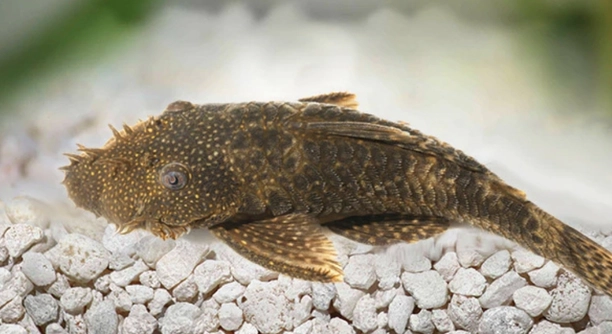
Have you ever noticed your pleco turning away from the blanched vegetables you prepared for it? Many fish owners spend time carefully prepping veggies, only to see them ignored, leaving both fish and owner puzzled.
Plecos may refuse blanched vegetables due to a combination of taste preferences, texture issues, and prior dietary habits. Some fish favor fresher or firmer foods, while others may simply be reluctant to accept changes in their established diet routines.
Understanding these tendencies can make feeding time smoother and more enjoyable for both you and your pleco. Small adjustments can greatly improve your fish’s acceptance of nutritious options.
Common Reasons Plecos Reject Blanched Vegetables
Plecos may refuse blanched vegetables for several simple reasons. Texture is often a key factor; some plecos prefer firmer foods and find soft, overcooked vegetables unappealing. Taste also matters. The natural sweetness of certain vegetables can be diminished during blanching, making them less interesting to your fish. Additionally, prior dietary habits shape acceptance. If a pleco has been fed mostly algae wafers or live plants, it may be hesitant to try new options. Water temperature and quality can influence appetite, too, as fish are sensitive to their environment. Even minor changes, such as cooking time or vegetable type, can affect whether your pleco decides to eat. Observing your fish over time can reveal patterns and preferences that guide which vegetables work best. Patience and consistency are important when introducing new foods to ensure they gradually accept a balanced diet.
Blanching too long can make vegetables unappealing, reducing their scent and firmness.
Small adjustments in preparation, such as slightly undercooking or offering different vegetables, often improve acceptance and make feeding more successful.
Tips for Encouraging Vegetable Consumption
Start by offering small amounts of fresh, lightly cooked vegetables.
Gradually introducing new textures helps plecos adapt. You can combine favorite foods with vegetables to increase interest. Timing is important; offering vegetables when the fish is slightly hungry encourages them to explore new options. Monitoring your pleco’s reactions over several feedings will show which vegetables are accepted and which are ignored. Repetition and consistency increase the likelihood of adoption, while abrupt changes can result in continued refusal. Different vegetables provide varied nutrients, so it’s beneficial to rotate types and preparation methods to maintain a balanced diet. Some plecos respond to subtle enhancements, like a light sprinkle of algae powder, to increase flavor appeal. Avoid forcing the fish to eat, as this can stress them.
Creating a consistent feeding routine with observation allows you to adjust preparation and variety, gradually encouraging healthier eating habits. By noting preferences, adjusting texture, and offering moderate portions, you can ensure your pleco receives proper nutrition while minimizing waste. Observing natural behavior and respecting their pace promotes a positive feeding experience, enhancing both fish health and your confidence as a caregiver. Over time, these small steps often lead to successful incorporation of blanched vegetables into their diet without stress or resistance.
Adjusting Preparation Methods
Blanching time affects both texture and flavor. Shorter cooking keeps vegetables firmer and more appealing. Peeling or slicing vegetables into smaller pieces can also encourage plecos to try them, especially if they are used to nibbling on softer foods.
Altering preparation can make a big difference. Some plecos respond better to vegetables that retain a slight crunch. Overly soft vegetables lose structure and become less attractive. Lightly steaming or blanching briefly preserves nutrients and natural flavor, which helps encourage feeding. Offering a variety of sizes and shapes can cater to different preferences, making it easier for your pleco to explore new foods. Monitoring their reactions lets you refine your approach, helping establish a more consistent feeding routine.
Another technique is pairing vegetables with familiar foods. Combining small portions of blanched vegetables with algae wafers or sinking pellets can increase interest. Gradually increasing vegetable amounts over several feedings helps your pleco adjust without stress. Adjusting preparation methods, portion sizes, and presentation ensures a smoother transition and encourages consistent consumption. Observing and adapting to your pleco’s behavior is key to improving acceptance.
Understanding Dietary Preferences
Plecos have individual tastes and textures they prefer, shaped by past feeding habits. Some favor leafy greens, while others enjoy root vegetables more.
Recognizing these preferences helps in selecting the right vegetables. A pleco accustomed to algae may initially ignore unfamiliar foods, but repeated exposure and subtle flavor additions, like a light sprinkle of spirulina or vegetable mash, can encourage them. Preferences can also be seasonal or influenced by water conditions, so observing changes over time is important. Offering variety while respecting individual choices increases nutrient intake and reduces food waste, helping maintain a healthy and balanced diet.
Offering vegetables in different textures and types ensures your pleco’s diet remains interesting and nutritious. Rotating options and testing new preparation methods allows you to see which foods are most readily accepted. This attention to dietary preferences also helps prevent selective feeding, ensuring your pleco receives adequate nutrients. Combining familiar favorites with new vegetables gradually fosters acceptance. By observing and responding to your fish’s reactions, you can create a feeding strategy that aligns with their natural tendencies and promotes consistent healthy eating.
Timing and Feeding Schedule
Feeding your pleco at consistent times helps regulate appetite. Offering vegetables when the fish is slightly hungry increases the chance they will try new foods.
Avoid overfeeding with pellets or wafers before vegetables. A pleco that is full is unlikely to explore new textures or flavors, making patience and timing important for successful vegetable introduction.
Temperature and Water Conditions
Plecos are sensitive to water temperature and quality, which can affect appetite. Colder or unstable water may reduce interest in food. Maintaining proper temperature, pH, and cleanliness encourages consistent feeding habits and improves the likelihood your pleco will accept blanched vegetables.
Introducing New Vegetables Slowly
Start with small amounts and gradually increase over time. This prevents overwhelming the fish and allows them to adjust to taste and texture. Consistent, patient introduction helps them explore new options without stress or resistance.
Observing Behavioral Cues
Watch how your pleco reacts to different vegetables. Signs of interest or hesitation can guide preparation and selection. Adjusting based on these cues improves acceptance and helps maintain a balanced diet for long-term health.
FAQ
Why does my pleco ignore zucchini after blanching?
Blanched zucchini may be too soft for some plecos, causing them to lose interest. Texture plays a major role in feeding preference. Offering slightly firmer slices or steaming for a shorter time can help maintain structure and natural flavor, which makes it more appealing. Some plecos also respond better to a light sprinkle of algae powder or a few pieces of their usual food mixed in. Repeated, patient exposure encourages acceptance over time, while abrupt changes in preparation may result in continued refusal.
Can overblanching affect taste and nutrition?
Yes, overblanching vegetables can diminish both taste and nutrients. Extended exposure to hot water breaks down cell structure, making vegetables mushy and less aromatic. This can make even typically accepted vegetables less attractive to plecos. Light blanching or brief steaming preserves natural flavors and keeps the texture firm, which most plecos prefer. It also retains vitamins and minerals, supporting overall health. Rotating vegetables and observing responses ensures your fish receives proper nutrition while minimizing waste.
Are some vegetables naturally less appealing to plecos?
Certain vegetables, like overly soft carrots or pale squash, may be less appealing due to lower aroma or sweetness. Plecos are more attracted to foods with stronger scent or firmer texture. Leafy greens like spinach or romaine often work better. Combining less appealing vegetables with familiar favorites can improve acceptance, gradually encouraging your pleco to explore new options. Consistency and patience in feeding routines help your fish develop a broader diet without stress.
How long should I blanch vegetables for my pleco?
Blanching should be brief—usually 1–3 minutes depending on the vegetable. The goal is to soften it just enough for the pleco to chew while keeping structure intact. Overcooking removes firmness and flavor, which may reduce interest. Testing different times and observing your pleco’s response helps find the optimal balance. Small adjustments often yield better feeding results and maintain nutrient content.
Is peeling vegetables necessary?
Peeling isn’t always required, but it can improve texture and reduce bitterness. Some plecos may avoid vegetables with thick skin or fibrous layers. Removing outer layers of squash, cucumber, or carrots can make them easier to nibble. This simple step often increases acceptance, especially for more hesitant fish. Offering a variety of preparation styles can reveal what your pleco prefers most.
How do I know if my pleco is getting enough nutrition from vegetables?
Vegetables alone may not provide all nutrients. Observing growth, energy, and overall health helps gauge adequacy. Supplementing with algae wafers or occasional protein sources ensures a balanced diet. Rotating vegetables and preparation methods supports variety and nutrient intake. Consistent observation and small adjustments ensure your pleco stays healthy and active.
Can water conditions influence vegetable consumption?
Yes, water quality and temperature directly affect appetite. Colder water or fluctuating pH may reduce interest in food. Maintaining stable, optimal conditions encourages consistent feeding habits. Observing behavior under different conditions can help identify environmental factors affecting vegetable acceptance. Simple adjustments often improve both interest and overall health.
Is it normal for plecos to refuse vegetables occasionally?
Occasional refusal is common. Plecos may prefer algae wafers, pellets, or live plants at times. Seasonal changes, water conditions, or minor stressors can influence appetite. Offering vegetables regularly and patiently usually results in gradual acceptance. Ensuring variety and proper timing increases success without causing stress or overfeeding.
How can I encourage picky plecos to try new vegetables?
Start small, pair with familiar foods, and adjust texture or size. Repeated exposure without forcing encourages exploration. Some plecos respond to lightly seasoned options, such as a thin algae coating. Observing behavior, rotating vegetables, and maintaining consistent feeding routines often helps even the pickiest fish gradually accept blanched vegetables as part of a balanced diet.
What vegetables are safest and most accepted by plecos?
Leafy greens like romaine, spinach, and kale are generally well-received. Zucchini, cucumber, and carrots, when lightly blanched, are also popular. Offering a mix of textures and flavors ensures better acceptance while supporting nutritional balance. Testing small portions allows you to determine personal preferences for your pleco, increasing success with feeding time.
How often should I offer blanched vegetables?
Offering vegetables 2–3 times a week is usually sufficient, supplemented by algae wafers or pellets. Regular, consistent feeding prevents overfeeding while maintaining interest. Rotating types and preparation methods ensures variety and keeps the diet balanced. Observing responses helps fine-tune portion sizes and timing for optimal acceptance.
Can I freeze vegetables for plecos?
Yes, freezing is safe if done properly. Blanch briefly before freezing to preserve texture and nutrients. Thaw completely and check for firmness before feeding. Freezing can be convenient, but fresh vegetables often provide stronger aroma and flavor, which can be more enticing for your pleco. Small adjustments improve acceptance.
How do I know when my pleco prefers a different vegetable?
Observing which vegetables are consistently eaten or ignored reveals preferences. Some plecos gradually switch favorites over time. Adjusting preparation or offering alternatives ensures continued interest. Rotating vegetables and monitoring consumption patterns promotes a balanced diet while catering to evolving tastes.
Can stress affect feeding habits?
Yes, stress from water changes, tank mates, or illness can reduce appetite. Plecos may temporarily refuse vegetables during stressful periods. Maintaining stable conditions, minimizing sudden changes, and monitoring behavior helps them return to normal feeding patterns and encourages regular consumption of blanched vegetables.
Are there signs of malnutrition from rejecting vegetables?
Signs include slow growth, pale coloration, lethargy, or decreased activity. Plecos refusing vegetables consistently may need alternative sources of fiber and vitamins. Offering a mix of algae-based foods, pellets, and vegetables helps prevent nutrient deficiencies and ensures long-term health. Consistent observation allows early intervention if necessary.
How can I make vegetables more appealing?
Lightly blanching, slicing into smaller pieces, or combining with algae wafers improves appeal. Some plecos respond to gentle rubbing of vegetables with spirulina or other natural enhancers. Gradually increasing vegetable portions while observing reactions ensures acceptance without stress, keeping feeding routines manageable and balanced.
Is it normal for some plecos to never eat certain vegetables?
Yes, individual preferences vary. Even with careful preparation, some vegetables may always be ignored. Offering alternatives and focusing on accepted options ensures proper nutrition. Patience and observation allow you to tailor feeding strategies without forcing your pleco, maintaining health and reducing frustration.
What if my pleco refuses all blanched vegetables?
If refusal is consistent, rely on high-quality algae wafers or pellets for fiber and nutrients. Try gradual introduction, different textures, or combining with favorite foods. Patience, consistency, and careful observation can eventually encourage acceptance, but some plecos may remain selective throughout their life.
Can variety improve acceptance?
Yes, rotating vegetables and preparation methods prevents boredom and promotes a balanced diet. Offering multiple options increases the chance your pleco will try new foods. Observing preferences allows you to adjust selection while maintaining nutritional adequacy, making feeding both effective and stress-free.
How long does it usually take for plecos to accept new vegetables?
It can take several days to weeks of consistent exposure. Gradual introduction, pairing with familiar foods, and adjusting texture or preparation increases success. Patience is key, as forcing changes may cause stress. Observing reactions ensures a smooth transition to a more varied diet.
Are frozen or canned vegetables as effective as fresh?
Frozen vegetables can work if properly blanched, but canned vegetables may contain additives or excess sodium, which can be harmful. Fresh vegetables often retain better flavor, texture, and nutrients, making them more likely to be accepted by plecos. Choosing fresh or lightly frozen options supports health and feeding success.
Can I feed the same vegetable every day?
Feeding the same vegetable daily may lead to selective feeding and reduced nutrient variety. Rotating types and preparation methods ensures a balanced diet, supports health, and encourages continued interest. Observation helps determine which vegetables are accepted and how often they should be offered.
Is it okay if my pleco only eats vegetables occasionally?
Yes, occasional consumption is normal if other foods like algae wafers or pellets provide necessary nutrients. Regularly offering vegetables maintains variety and supplements fiber intake. Consistency and gradual introduction improve acceptance, but individual feeding habits vary and can still support a healthy diet.
Can mixing vegetables together help?
Yes, combining small portions of multiple vegetables can increase appeal. Plecos may try one piece while nibbling on another. Mixing textures and flavors encourages exploration and gradual acceptance, ensuring nutrient diversity while keeping feeding manageable.
How important is cutting vegetables into small pieces?
Small, manageable pieces are easier to nibble, especially for younger or smaller plecos. It reduces waste and increases the chance they will try new foods. Adjusting size based on the fish’s size and preference improves feeding efficiency and acceptance.
Do plecos prefer raw or cooked vegetables?
Lightly blanched or steamed vegetables are generally preferred over raw, as they are easier to chew. Overcooked vegetables may lose appeal, while raw may be too tough. Finding the right balance of firmness and flavor is key to encouraging consistent consumption.
What role does variety play in a pleco’s diet?
Variety prevents boredom, ensures balanced nutrition, and encourages exploration of new foods. Rotating vegetables and preparation methods supports overall health and helps plecos develop consistent feeding habits. Observation and adaptation to preferences are essential for long-term dietary success.
Can plecos develop sudden vegetable preferences?
Yes, preferences can change with age, environment, or past experiences. A previously rejected vegetable may become accepted over time. Gradual reintroduction and observation allow you to cater to evolving tastes while maintaining proper nutrition.
Is it necessary to remove uneaten vegetables quickly?
Yes, uneaten vegetables can rot and affect water quality. Removing leftovers within a few hours prevents waste, keeps the tank clean, and reduces the risk of disease or poor water conditions, which could further discourage feeding.
How do I encourage shy plecos to try vegetables?
Offer vegetables in hiding spots or near their favorite resting areas. Pairing with familiar foods and gradual exposure reduces stress and encourages exploration. Patience and observation are key to slowly introducing new options to hesitant fish.
Are there vegetables plecos should never eat?
Avoid vegetables high in oxalates or pesticides unless properly prepared. Spinach and certain greens should be given in moderation. Wash all vegetables thoroughly and rotate types to minimize risk while ensuring a safe, balanced diet.
Can plecos be picky about vegetable shapes?
Yes, shape and size affect interest. Thin strips or small chunks may be more appealing than large, flat slices. Observing reactions helps determine preferred presentation and increases chances of acceptance without stress.
How important is consistency in feeding vegetables?
Consistent routines encourage predictable appetite and reduce refusal. Offering vegetables at the same times and in similar ways builds familiarity and comfort, improving overall consumption and acceptance while supporting a balanced diet.
What should I do if my pleco rejects a new vegetable repeatedly?
Don’t force feeding. Try smaller portions, different textures, or pair with familiar foods. Patience, observation, and gradual introduction usually result in eventual acceptance while preventing stress or disruption to overall diet.
Can plecos learn to like vegetables over time?
Yes, repeated exposure, gentle encouragement, and variation in texture and presentation often result in eventual acceptance. Individual pacing is important, and observing preferences ensures a smooth transition toward consistent consumption.
Does age affect vegetable acceptance?
Younger plecos may be more flexible, while older fish can be set in their habits. Gradual introduction, patience, and observation help encourage acceptance at any age, although progress may vary depending on the individual’s previous diet.
Are there ways to make vegetables more nutritious for plecos?
Light blanching preserves nutrients, and sprinkling algae powder or finely chopped supplements can enhance nutritional value. Rotating vegetables ensures a balanced intake of vitamins, minerals, and fiber for optimal health.
How do I track my pleco’s vegetable consumption?
Monitor which vegetables are eaten, leftovers, and changes in appetite. Keep notes on preferences, preparation methods, and timing. Tracking helps refine feeding strategies and ensures balanced nutrition over time.
Can plecos overeat vegetables?
Yes, excessive vegetable consumption can lead to digestive issues. Offering moderate portions ensures they get nutrients without causing bloating or waste. Balance with algae wafers and protein sources maintains overall health.
Is patience the key to vegetable acceptance?
Absolutely. Gradual exposure, consistent routines, and observation foster acceptance over time. Forcing or rushing feeding can cause stress. Patience allows your pleco to adapt naturally to new foods while maintaining a healthy, balanced diet.
Final Thoughts
Feeding plecos blanched vegetables can be challenging, but understanding their preferences and natural tendencies makes the process much smoother. Plecos are selective eaters, and their refusal of certain vegetables does not always indicate a health problem. Often, texture, taste, and previous feeding habits determine whether a vegetable is accepted. Overcooked or overly soft vegetables are usually less appealing, while firmer, lightly blanched options are more likely to be eaten. Paying attention to your fish’s reactions during feeding can help you identify which vegetables work best and which should be offered less frequently. Small adjustments in preparation, such as slicing vegetables into manageable pieces or pairing them with familiar foods, often make a noticeable difference in acceptance. Consistency is also important, as sudden changes in diet or preparation can confuse or discourage a pleco from trying new foods. Gradual introduction and repetition give the fish time to adapt without causing stress, leading to a more balanced and enjoyable feeding routine.
It’s also essential to consider the overall environment when feeding plecos. Water temperature, pH, and cleanliness all influence appetite and willingness to eat. A pleco that refuses vegetables might simply be affected by minor stressors in the tank. Maintaining stable, optimal water conditions not only supports their health but also encourages more predictable feeding behavior. Observing behavioral cues, such as hesitation or cautious nibbling, can help guide preparation and presentation. Sometimes, even minor changes like offering vegetables near a hiding spot or in a more familiar area can make a difference. Understanding that each pleco has individual preferences allows you to tailor feeding strategies to their needs. Patience and observation are crucial, and the effort pays off when your fish gradually accepts a wider range of nutritious foods. This approach ensures that feeding time is both productive and stress-free for both the pleco and the caregiver.
Ultimately, the goal is to provide a balanced diet that supports long-term health while respecting the pleco’s natural tendencies. Introducing vegetables slowly, experimenting with textures and preparation methods, and monitoring responses allows you to create a routine that works. Even picky plecos can develop acceptance over time if new foods are offered consistently and in manageable portions. Combining blanched vegetables with favorite foods or supplements can enhance appeal and ensure nutrient intake. Rotating types of vegetables and varying preparation methods keeps meals interesting and promotes overall wellness. By observing preferences, adjusting feeding methods, and maintaining a stable tank environment, you can help your pleco enjoy a diverse and healthy diet. With patience and attention, feeding blanched vegetables becomes less of a challenge and more of an opportunity to support your pleco’s growth and happiness in the tank. This careful, consistent approach ensures that your pleco not only eats well but thrives in its environment over time.

Hello,
If you enjoy the content that we create, please consider saying a "Thank You!" by leaving a tip.
Every little bit helps us continue crafting quality advice that supports the health, happiness, and well-being of pets around the world, for pets of all shapes, sizes, and species.
We really appreciate the kindness and support that you show us!