
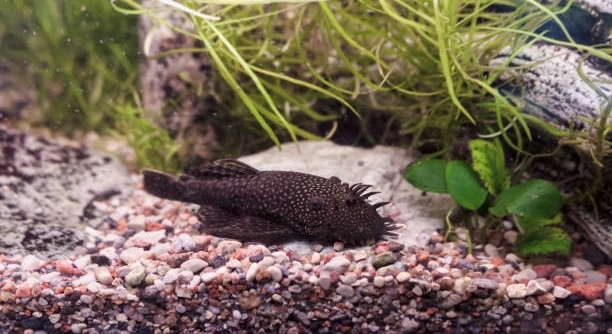
Do your aquariums feel a little bare despite your best efforts? Bristlenose plecos bring life and activity, but arranging decorations can sometimes stir uncertainty about their comfort. Understanding their habits can improve their environment.
Bristlenose plecos generally prefer stability in their habitat. Frequent movement of decorations can cause stress or territorial confusion, while occasional rearrangements for cleaning are usually tolerated. Maintaining consistent hiding spots supports their natural behavior and overall well-being.
Observing how your plecos respond to minor changes can reveal surprising details about their preferences and personality in the tank. These insights help create a more harmonious aquatic environment for them.
Understanding Bristlenose Plecos’ Behavior
Bristlenose plecos are naturally cautious fish. They rely on stable environments to feel secure and are sensitive to sudden changes in their tank. When decorations are moved frequently, plecos may hide more often or avoid areas they once used comfortably. Observing their behavior helps in understanding which spots they prefer for resting or grazing. These fish spend much of their time scraping algae from surfaces, so maintaining familiar surfaces is important. Changes in layout can cause mild stress, which may impact feeding habits and overall activity. Over time, they learn which areas are safe and which may be temporarily unsafe due to disturbances. Being mindful of their reactions allows you to make adjustments without causing unnecessary anxiety. A well-planned arrangement respects their natural tendencies, promoting health, comfort, and longevity. Creating small consistent zones in the tank can help plecos feel secure, even when minor cleaning or decoration changes are necessary.
Consistency in tank layout supports plecos’ comfort, reducing stress and encouraging normal behavior. They adapt best to gradual changes.
Observing their patterns closely allows you to anticipate reactions. For example, moving a hiding cave may cause hesitation near that area. Some plecos will inspect changes cautiously before resuming normal activities. Others may avoid the new arrangement entirely until it becomes familiar. Providing multiple hiding spots and stable surfaces for grazing helps mitigate stress. Small decorations like driftwood, rocks, or plants should be moved sparingly, with attention to how the fish respond. Plecos thrive in environments that mimic their natural habitats, which are typically calm, with steady structures. Avoiding excessive rearrangements ensures they can establish territories and maintain daily routines.
Tips for Moving Decorations Safely
When you do need to rearrange, keep changes minimal and gradual. Sudden shifts can overwhelm plecos and disturb their established routines.
Start with small adjustments rather than moving everything at once. Introduce new decorations one at a time to observe how plecos react. Monitor their grazing and hiding behaviors for signs of stress, such as clinging to one spot or hiding excessively. Clean and rinse decorations thoroughly before repositioning to prevent introducing debris or harmful residues. Driftwood or rocks should be anchored securely to avoid tipping, which could injure fish. Plant placements can be shifted carefully, ensuring root systems are protected. It is also helpful to maintain water parameters consistently during changes, as plecos are sensitive to sudden fluctuations. Gradual changes reduce stress, allowing fish to acclimate without disruption to feeding or social behaviors. Over time, small, careful adjustments can refresh the tank without negatively affecting plecos’ comfort or health. Observing and responding to their reactions creates a stable, enjoyable habitat for the fish.
Preferred Hiding Spots
Bristlenose plecos favor secure and dark areas where they can retreat. Driftwood, caves, and dense plant clusters are ideal. These spots reduce stress and give the fish confidence to explore the rest of the tank. Regular placement helps them feel stable.
Providing multiple hiding areas allows plecos to choose their preferred spots. Driftwood should be anchored so it does not shift, and caves should have enough space for them to move freely. Dense plants mimic their natural environment, offering shelter and privacy. Plecos often rotate between hiding spots depending on activity levels, lighting, and feeding times.
Observing their use of hiding areas reveals preferences and comfort zones. Some plecos may prefer elevated spots near surfaces, while others stay closer to the substrate. Moving a decoration slightly can influence which areas they frequent, but drastic changes often result in avoidance. Maintaining consistency while gradually introducing new elements ensures the fish feel secure, promoting natural behaviors like grazing, resting, and interacting with tankmates.
Effects of Frequent Changes
Frequent rearrangements can increase stress, causing plecos to hide more or stop feeding temporarily. Their behavior is closely tied to environmental stability.
Stress from constant changes can manifest in reduced activity and reluctance to explore. Plecos may cling to familiar surfaces, avoiding new or moved decorations. Over time, this can disrupt normal feeding and grazing habits. Their sensitivity to sudden shifts makes it important to plan adjustments carefully. Stress can also affect coloration, making plecos appear duller and less vibrant. Providing a stable layout while introducing minor changes helps them adapt without long-term behavioral issues. Observing reactions after each adjustment allows owners to gauge comfort levels.
Gradual changes are more manageable and prevent long-term stress. Introducing one new element at a time allows plecos to acclimate naturally. Anchoring decorations securely avoids accidental shifts that could startle them. Maintaining consistent water conditions during these changes is also essential, as plecos are sensitive to fluctuations. Watching their activity, hiding patterns, and feeding behavior provides insight into how well they are adjusting. Over time, carefully planned rearrangements can refresh the tank’s appearance while keeping plecos comfortable and healthy. Balance between stability and novelty ensures the tank remains engaging without causing unnecessary anxiety.
Choosing the Right Decorations
Bristlenose plecos respond best to natural decorations like driftwood, rocks, and caves. Smooth surfaces reduce the risk of injury, and natural hiding spots support their comfort and territorial instincts. Avoid sharp or unstable items that could harm them.
Plants with sturdy roots are ideal. Plecos enjoy areas with foliage for shelter, but delicate plants may be uprooted easily. Using heavier items prevents accidental shifts, ensuring stability. These choices create a safer and more predictable environment, which plecos appreciate, promoting consistent grazing and resting habits.
Material Considerations
Decorations should be non-toxic and aquarium-safe. Driftwood may release tannins, which are generally safe and can benefit water chemistry. Rocks and caves must be smooth to prevent scraping or injury. Avoid metals or untreated woods that can leach harmful substances. Proper cleaning before placement ensures safety.
Positioning Decorations
Place larger items near the substrate for stability. Ensure caves and hiding spots are easily accessible. Avoid overcrowding to allow swimming space while providing security.
FAQ
Do Bristlenose plecos mind when decorations are moved?
Bristlenose plecos generally prefer stability. They rely on familiar hiding spots and surfaces to feel secure. Minor rearrangements for cleaning are usually tolerated, but frequent or drastic changes can cause stress. Observing their behavior after adjustments helps ensure they remain comfortable. Gradual changes are always better.
How can I tell if my pleco is stressed by a new tank layout?
Signs of stress include hiding more than usual, reduced feeding, or clinging to familiar surfaces. Some plecos may become less active or avoid areas that were once frequently used. Changes in coloration or unusual behavior can also indicate discomfort. Keeping decorations consistent helps minimize stress.
Can plecos adapt to new decorations over time?
Yes, plecos can adapt if changes are introduced gradually. Adding one new item at a time allows them to explore safely. Observing their response to each new element ensures they feel secure. Consistency in water conditions and layout stability supports this adaptation.
Are there decorations plecos prefer more than others?
Plecos favor natural decorations like driftwood, rocks, and caves. These provide surfaces for grazing and areas to hide. Dense plants offer additional cover. Smooth, non-toxic materials are essential, as rough or sharp items can cause injury or stress. Repeating familiar elements creates comfort.
How often can I safely rearrange my tank decorations?
Rearrangements should be infrequent. Moving a few items occasionally for cleaning is fine, but frequent changes can disrupt established routines and hiding spots. Observing how plecos react to even minor adjustments will help determine a safe schedule for rearranging. Stability is key.
Do plecos need multiple hiding spots?
Yes, multiple hiding spots reduce stress and provide options. Plecos often rotate between shelters depending on activity, lighting, and feeding times. Offering several secure spaces ensures they have choices and can maintain natural behaviors without feeling confined or threatened.
Will moving decorations affect pleco feeding habits?
Sudden changes can temporarily disrupt feeding. Plecos may avoid newly positioned areas or hide more often, limiting access to food. Gradual adjustments help maintain normal feeding behavior. Ensuring consistent locations for food and grazing surfaces minimizes disruption.
Is driftwood important for Bristlenose plecos?
Driftwood is highly beneficial. Plecos graze on the biofilm and algae that form on it, and it also provides a stable hiding spot. Anchoring driftwood securely prevents shifting, which could startle or injure the fish. Regular observation ensures they use it comfortably.
Can plants be moved without stressing plecos?
Yes, but with care. Sturdy plants can be repositioned gradually, while delicate plants may be uprooted easily. Ensure root systems remain protected and avoid moving multiple plants at once. Gradual, cautious adjustments reduce stress and maintain a stable environment.
How do I balance stability and tank aesthetics?
Maintain consistent hiding spots while slowly introducing new elements to refresh the tank. Avoid major rearrangements at once. Observing pleco behavior after each change ensures they remain comfortable. Anchored decorations and stable surfaces allow you to improve aesthetics without causing unnecessary stress.
Are there signs that plecos enjoy the changes?
Plecos may explore new decorations, graze on added surfaces, or rest near new elements. Increased activity or curiosity indicates comfort. Avoid forcing interaction and give them time to acclimate. Observing these subtle behaviors helps gauge whether adjustments are beneficial.
What precautions should I take before moving decorations?
Clean all items thoroughly to avoid introducing debris or harmful residues. Ensure stability, smooth surfaces, and safe materials. Monitor water conditions, as sudden shifts can affect sensitive plecos. Planning adjustments and moving items gradually minimizes risk and maintains their well-being.
How long does it take for plecos to get used to changes?
Adaptation varies by fish. Some plecos adjust within hours, while others take days to explore new spaces confidently. Gradual changes, consistent hiding spots, and stable water conditions support quicker acclimation and reduce stress over time.
Can overhandling or frequent cleaning stress plecos?
Yes. Frequent tank disturbances, excessive cleaning, or constant repositioning of decorations can increase stress levels. Plecos prefer calm environments and minimal interference. Maintaining a balance between necessary cleaning and stability ensures they remain healthy and active.
Are there alternative ways to refresh a tank without moving decorations?
Yes. Adding new plants, adjusting lighting, or introducing harmless natural textures can provide visual interest. Small additions allow aesthetic improvements while keeping existing hiding spots intact. This approach minimizes stress while keeping the tank engaging for plecos.
How can I monitor pleco comfort effectively?
Watch their hiding, grazing, and resting patterns closely. Changes in activity, location, or coloration signal stress. Maintaining consistent water quality and observing responses to adjustments ensures their comfort. Recording behavior over time can help identify patterns and preferred spaces.
What is the safest way to introduce new decorations?
Introduce one item at a time and place it in a stable, accessible location. Observe pleco behavior and ensure food and hiding spots remain unaffected. Gradual integration minimizes stress while allowing the fish to explore safely. Repeat cautiously for additional items.
Do plecos prefer open swimming areas or covered spaces?
They prefer a mix. Open swimming areas allow activity and grazing, while covered or enclosed spaces provide security. Balancing both ensures plecos feel safe while being able to explore and exercise naturally, maintaining overall health and comfort.
Can moving decorations improve pleco behavior?
Minor, careful adjustments can encourage exploration and interaction. However, drastic changes often cause stress. Gradual rearrangements with secure hiding spots allow plecos to engage safely with new surfaces without compromising their well-being. Observing their response is essential for success.
How important is observation after changes?
Observation is critical. Watching how plecos react to new arrangements ensures they are not stressed or avoiding areas. It helps identify preferred hiding spots, feeding locations, and comfort zones, allowing adjustments to be made responsibly. Consistent monitoring promotes long-term health and satisfaction.
What precautions are needed for multiple plecos?
Provide sufficient hiding spots and secure surfaces to reduce territorial disputes. Avoid overcrowding and ensure food is accessible. Gradual adjustments affect multiple fish differently, so observing interactions and reactions is crucial to maintaining harmony and minimizing stress.
Can lighting changes affect pleco reactions to decorations?
Yes, lighting influences activity and comfort. Sudden bright light may cause hiding, while dimmer settings encourage exploration. Combine gradual lighting adjustments with stable decoration placement to support natural behavior and reduce stress.
Is it better to plan tank layout in advance?
Planning ensures hiding spots, grazing surfaces, and swimming space are optimized. Thoughtful placement reduces the need for frequent rearrangements. Anticipating pleco behavior helps maintain stability while achieving an aesthetically pleasing environment.
How does water flow interact with decorations?
Strong currents can shift lightweight decorations, causing stress or injury. Placing heavier items in high-flow areas or anchoring them ensures stability. Proper flow also encourages pleco activity without compromising safety. Balancing current and decoration placement supports natural behavior.
Can plecos be trained to tolerate changes?
Yes, gradually exposing them to small changes helps build tolerance. Consistent routines and careful adjustments allow plecos to become comfortable with minor rearrangements. Patience and observation are key to successful acclimation.
Are there common mistakes when moving decorations?
Frequent, drastic changes, unsecured items, or sudden lighting shifts are common errors. Ignoring pleco reactions or disrupting hiding spots can increase stress. Slow, planned adjustments with observation prevent these issues and maintain a healthy tank environment.
What is the role of substrate in decoration placement?
A stable substrate supports heavy decorations and plants. It prevents tipping and provides surfaces for grazing. Soft or uneven substrate may cause instability, increasing stress for plecos. Choosing appropriate substrate ensures security and supports natural behavior.
Do plecos need time alone after changes?
Yes, giving plecos time to acclimate without disturbance is important. Reducing human interaction and tank activity after adjustments allows them to explore and settle, minimizing stress and encouraging normal behavior.
How can I tell if a new decoration is harmful?
Observe pleco reactions and inspect surfaces. Sharp edges, unstable items, or toxic materials can cause injury or stress. Testing decorations before full placement and monitoring responses ensures a safe environment.
Is there a difference in response between juveniles and adults?
Juvenile plecos may be more curious but also more sensitive to stress. Adults tend to have established territories and may resist changes more. Adjustments should consider age and behavior to maintain comfort for all fish.
How do seasonal changes affect pleco behavior with decorations?
Seasonal temperature or lighting shifts can influence activity. Plecos may hide more in cooler periods or become more active in warmer months. Maintaining consistent decoration placement helps reduce stress during these natural fluctuations.
Can rearranging encourage natural behavior?
Yes, careful and gradual adjustments can stimulate exploration and grazing. However, sudden or frequent changes can be counterproductive. Providing a mix of familiar and new elements encourages engagement without causing distress.
How important is routine for plecos?
Routine supports comfort and security. Consistent feeding, hiding spots, and grazing surfaces reduce stress. Even minor changes can disrupt established habits, so planning and observation are essential for maintaining stability.
Can plecos get attached to certain decorations?
Yes, they often favor specific caves, driftwood, or plant clusters. Removing or moving these preferred areas can cause stress. Gradual changes and maintaining some familiar elements help preserve comfort.
How do I combine aesthetics with pleco comfort?
Balance stable hiding spots with new decorations placed gradually. Use natural materials and maintain open swimming areas. Observation ensures plecos are comfortable while keeping the tank visually appealing. This approach avoids unnecessary stress.
What should I do if plecos refuse to use a new decoration?
Leave it in place without forcing interaction. Gradually, they may explore and use it. Ensure familiar hiding spots remain accessible to prevent stress. Patience allows them to acclimate naturally.
Can frequent observation itself stress plecos?
Excessive hovering or tapping can startle them. Observe from a distance and limit handling to maintain a calm environment. Minimizing disruption ensures normal behavior continues while monitoring comfort.
How can I refresh a tank safely?
Introduce one new item at a time, maintain stable hiding spots, and monitor reactions. Small, gradual changes preserve comfort while keeping the environment engaging. Consistency and patience are key.
Is there an ideal number of decorations?
There is no fixed number. Provide enough hiding spots, grazing surfaces, and swimming space without overcrowding. Balance ensures plecos feel secure while maintaining tank aesthetics. Observation guides the optimal setup.
Do plecos prefer natural over artificial decorations?
Yes, natural materials like driftwood and rocks are preferred. They provide grazing surfaces, hiding spots, and mimic natural habitats. Artificial items can be used sparingly if safe, but natural decorations are generally better for comfort.
How long should I wait between changes?
Wait at least several days to a week between adjustments. This allows plecos to explore, settle, and establish comfort in the modified environment. Gradual pacing reduces stress and promotes consistent behavior.
What maintenance tips support decoration stability?
Anchor heavy items, use sturdy plants, and clean decorations carefully. Avoid frequent moves and monitor for shifts caused by currents. Stable setups prevent stress and injuries, supporting healthy behavior.
Can plecos coexist peacefully with multiple new decorations?
Yes, if changes are gradual and hiding spots are sufficient. Overcrowding or sudden rearrangements can trigger stress or territorial disputes. Balance space, security, and novelty to maintain harmony.
How does water quality interact with decoration changes?
Shifts in decorations can disturb substrate or plants, affecting water parameters. Maintaining consistent water conditions ensures plecos remain comfortable and reduces stress during adjustments. Monitoring is essential.
Do plecos recognize specific decorations?
Yes, plecos often remember preferred hiding spots, grazing surfaces, and safe areas. Moving these items abruptly can cause avoidance behavior or stress. Gradual placement helps them acclimate without disrupting established routines.
Can changes in tank layout affect pleco health?
Yes, stress from frequent or drastic changes can impact feeding, behavior, and immune function. Careful, gradual adjustments help maintain overall health and ensure plecos thrive in their environment.
Are there benefits to rearranging occasionally?
Yes, small, controlled adjustments can encourage exploration and engagement. It keeps the environment stimulating without causing significant stress. Observation ensures plecos adapt comfortably.
What is the best way to introduce new caves or driftwood?
Place new items gradually in stable locations, ensuring they do not block existing hiding spots. Monitor plecos closely to see how they interact, allowing acclimation over time.
Can plecos sense human handling during rearrangements?
Yes, they may become cautious or hide when decorations are moved. Minimizing tank disturbances and using gentle handling techniques reduces stress and encourages normal behavior.
How do tank size and decoration density interact?
Larger tanks allow more decorations without overcrowding, while smaller tanks require careful planning to avoid limiting swimming space. Balancing density and available space supports comfort and natural activity.
Are plecos territorial with decorations?
Yes, they may claim caves, driftwood, or areas near plants as territory. Frequent moves can disrupt these zones, causing stress or mild aggression. Maintaining consistent spaces helps prevent conflicts.
Do plecos show preference for vertical or horizontal spaces?
Both are important. Driftwood or caves near the substrate provide shelter, while elevated surfaces allow resting and grazing. Providing a mix ensures plecos utilize the tank fully and feel secure.
How important is gradual introduction for juvenile plecos?
Juveniles are more sensitive to change. Introducing decorations slowly allows them to explore safely, reduces stress, and supports normal growth and behavior patterns. Consistency in hiding spots and feeding areas is critical.
Can rearranging decorations improve social behavior?
Occasionally, it may encourage interaction between plecos, but only if changes are minor and gradual. Sudden shifts often cause hiding or avoidance, which can disrupt social dynamics. Observation is key to success.
Do plecos prefer textured surfaces?
Yes, textured surfaces like driftwood and rough rocks allow grazing and biofilm consumption. Smooth or artificial surfaces may be less engaging. Providing varied textures supports natural behavior and health.
Can plecos become stressed by new plant types?
Yes, unfamiliar or delicate plants may cause avoidance if roots are exposed or placement is unstable. Gradual introduction and secure planting minimize stress while adding environmental enrichment.
How can I encourage exploration of new decorations?
Place new items near existing hiding spots and allow gradual interaction. Avoid forcing movement. Monitoring behavior ensures plecos explore safely and comfortably. Patience and observation are essential.
Do plecos need time to adjust after water changes combined with decoration moves?
Yes, combining changes increases stress potential. Allow time for acclimation, maintain stable parameters, and monitor behavior to ensure comfort. Gradual adjustments reduce cumulative stress.
Are certain types of rocks better for plecos?
Smooth, aquarium-safe rocks are preferred. Avoid sharp edges or reactive stones that alter water chemistry. Rocks should be stable to prevent shifting and injury. Natural stones enhance comfort and provide surfaces for grazing.
How often should I check decorations for stability?
Regularly, especially after rearrangements or water changes. Ensuring decorations remain secure prevents accidents, reduces stress, and maintains a safe environment for plecos.
Do plecos ever ignore decorations entirely?
Occasionally, plecos may avoid certain decorations due to placement, lighting, or personal preference. Maintaining multiple options ensures they have preferred areas while still exploring other parts of the tank.
How do plecos interact with decorations at night?
They often use hiding spots during nighttime for rest. Providing secure, dark areas ensures safe resting spaces. Observing night behavior can indicate comfort and habitat suitability.
Can multiple plecos share the same hiding spot?
Some may tolerate it, but overcrowding can cause stress or minor territorial disputes. Providing several shelters reduces competition and promotes harmony. Observation ensures all fish are comfortable.
What role does substrate height play in decoration placement?
Higher substrate areas support driftwood and plants, while flat areas allow stable rock placement. Proper substrate planning prevents tipping and ensures decorations remain secure for pleco use.
Do plecos prefer open caves or enclosed ones?
Enclosed caves provide security, while open caves allow resting and grazing. A mix caters to different needs and activity levels, ensuring plecos feel safe and comfortable.
How do I prevent algae overgrowth on new decorations?
Maintain consistent water quality and introduce algae-eating habits gradually. Driftwood and rocks may naturally attract biofilm, which plecos graze on. Regular observation helps maintain balance without overgrowth.
Can plecos adapt to artificial decorations?
Yes, if safe, smooth, and non-toxic. Natural materials are preferred, but well-designed artificial items can provide hiding spaces and surfaces for grazing. Gradual introduction reduces stress and encourages exploration.
How do seasonal lighting changes affect pleco interaction with decorations?
Longer light periods may increase exploration, while dimmer or shorter periods may lead to more hiding. Consistent placement of hiding spots reduces stress during these seasonal fluctuations.
Do plecos rearrange decorations themselves?
They may move small items or disturb plants slightly while grazing. Observing this behavior shows interaction preferences. Ensuring heavy items are anchored prevents accidents while allowing safe exploration.
Can tank mates influence pleco reaction to decorations?
Yes, active or territorial tank mates can affect hiding behavior. Plecos may avoid areas occupied by more dominant species. Providing multiple hiding spots ensures all fish have secure zones.
Is it better to rearrange decorations gradually or all at once?
Gradual rearrangement is always better. Moving one or two items allows plecos to adapt, minimizing stress. Sudden changes can disrupt hiding routines and feeding habits. Patience ensures a comfortable environment.
Do plecos recognize changes over time?
Yes, they remember preferred spots and surfaces. Gradual changes allow them to adjust without stress. Sudden or frequent modifications may lead to avoidance or unusual behavior.
Can adding new substrates count as moving decorations?
Yes, significant substrate changes can affect hiding spots, grazing areas, and stability. Gradual adjustments minimize stress while allowing plecos to acclimate naturally. Monitoring behavior ensures comfort.
How important is pleco observation after each adjustment?
Observation is crucial. Monitoring hiding, feeding, and swimming patterns ensures changes are not causing stress. Behavioral cues guide further adjustments, supporting a healthy and comfortable environment.
Do plecos prefer dark or light-colored decorations?
Dark-colored decorations often mimic natural habitats and provide a sense of security. Light-colored items are tolerated but may be less favored for hiding. A mix can provide visual variety without compromising comfort.
Can plecos differentiate between stable and unstable decorations?
Yes, plecos quickly recognize unstable items and may avoid them. Securing decorations and observing interactions ensures safety and encourages natural grazing and resting behaviors.
How do I introduce multiple decorations at once safely?
Introduce gradually, spacing items apart to
Final Thoughts
Bristlenose plecos are sensitive to changes in their environment, and understanding their needs is essential for maintaining a healthy and comfortable tank. These fish thrive in stable surroundings where hiding spots, grazing surfaces, and open swimming areas are predictable and safe. Decorations such as driftwood, rocks, caves, and dense plants provide the structure they need to feel secure. Sudden or frequent rearrangements can create stress, which may manifest as excessive hiding, reduced feeding, or unusual behavior. Observing your plecos closely after any change allows you to gauge their comfort and adapt your tank setup accordingly. Gradual, thoughtful adjustments are always preferable to abrupt shifts, ensuring that the fish can explore new areas at their own pace. Providing a balance between stability and occasional novelty keeps the environment engaging without compromising their well-being.
Maintaining natural materials and safe surfaces is important for both the health and comfort of your plecos. Driftwood not only offers grazing surfaces for biofilm but also acts as a stable hiding spot when placed securely. Smooth rocks and caves allow fish to explore and rest without risk of injury. Even artificial items can be used, provided they are non-toxic and sturdy, though natural decorations tend to be more effective in mimicking the plecos’ natural habitat. Plants with strong root systems create additional shelter, while open areas allow them to swim freely. Careful positioning of decorations ensures they are accessible and stable, which reduces stress and promotes normal behavior. Small, incremental changes, rather than moving everything at once, help plecos acclimate while allowing you to refresh the appearance of your tank. Regular observation of behavior, feeding patterns, and preferred spots provides insight into how well they are adapting, giving you the guidance to make informed adjustments without causing unnecessary anxiety.
Creating a pleco-friendly environment is about understanding their preferences and respecting their natural tendencies. These fish enjoy exploring but need security, which comes from consistent hiding spots and grazing areas. Gradual rearrangements, careful selection of decorations, and attention to water quality all contribute to a balanced and stress-free habitat. Plecos often show clear signs of comfort, such as active grazing, exploration, and relaxed resting near favored spots. By observing these behaviors, you can tailor the tank layout to their needs while maintaining an appealing aesthetic. Patience and attention to detail are key in ensuring that the fish remain healthy, confident, and engaged with their environment. Over time, providing a stable, natural, and thoughtfully arranged habitat allows plecos to thrive, demonstrating that small, careful decisions in decoration placement can have a significant impact on their long-term well-being and happiness.

Hello,
If you enjoy the content that we create, please consider saying a "Thank You!" by leaving a tip.
Every little bit helps us continue crafting quality advice that supports the health, happiness, and well-being of pets around the world, for pets of all shapes, sizes, and species.
We really appreciate the kindness and support that you show us!