
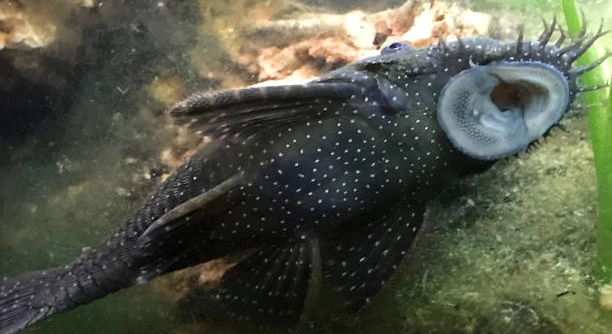
Do you enjoy keeping a peaceful freshwater tank but notice your Bristlenose Pleco often hiding in corners? These hardy fish are popular for their algae-eating habits and unique appearance. Their calm demeanor makes them a favorite among hobbyists.
Bristlenose Plecos generally do not mind tank mates as long as the aquarium is spacious and properly maintained. Territorial disputes are rare, and they coexist peacefully with most non-aggressive species, provided hiding spots and sufficient food are available.
Learning how they interact with other fish can improve your tank’s harmony. Observing their behavior closely helps ensure a calm and balanced aquatic environment.
Bristlenose Pleco Temperament
Bristlenose Plecos are known for their calm and gentle nature, which makes them easy to keep with a variety of tank mates. They are nocturnal by habit, spending much of the day hiding under driftwood, rocks, or caves. This behavior reduces potential conflicts with more active or aggressive species. They are not overly territorial, but males may become slightly protective of their chosen hiding spots, especially during breeding. They thrive in tanks with plenty of hiding places and decorations to create visual boundaries. Their diet mainly consists of algae, sinking pellets, and occasional vegetables, so competition for food is usually minimal. Observing their interactions over time shows that they adapt well to a mixed community tank, often ignoring other fish unless provoked. Consistent water quality, stable temperatures, and a peaceful environment further reduce stress, making them tolerant of various species and enhancing overall tank harmony. Their low-maintenance nature allows you to enjoy a balanced aquatic ecosystem with minimal interference.
They rarely show aggression toward other fish, preferring to stay in their own space and avoid conflicts whenever possible.
Even with their calm nature, Bristlenose Plecos need attention to detail in tank setup. Providing caves, driftwood, and plants ensures they have personal spaces to retreat. Males often guard these spaces, particularly when preparing to breed, but this rarely disturbs the other fish. Proper feeding is also essential. Their diet is not demanding, yet they require sufficient algae or supplements to maintain health. Observing their behavior daily can help detect early signs of stress, disease, or territorial disputes. Plecos adjust slowly to sudden changes in tank dynamics, so adding new species should be done gradually. Over time, they become accustomed to tank mates’ routines, creating a peaceful coexistence. Their adaptability and resilience make them excellent residents for community aquariums, as long as their environment remains stable, food is provided adequately, and hiding spots are abundant. With patience, the tank can thrive with minimal disruptions.
Compatible Tank Mates
Bristlenose Plecos generally do well with non-aggressive fish that occupy different levels of the tank, such as tetras, rasboras, or guppies.
When choosing tank mates, consider species that are not overly competitive for food and do not harass slower-moving fish. Avoid large, aggressive cichlids that may stress the Plecos or limit access to hiding spaces. Catfish species, like Corydoras, often coexist peacefully due to their bottom-dwelling habits, sharing similar feeding zones without conflict. Mid-level swimmers such as mollies or platies provide activity in other parts of the tank, creating a balanced distribution of movement and reducing encounters that could trigger defensive behavior. Keeping schooling fish can also diffuse attention and maintain a calm atmosphere. When introducing new species, observe interactions closely for at least a week, ensuring that no fish are showing signs of prolonged stress or aggression. Adjusting decorations and rearranging hiding spots can help maintain harmony, giving all inhabitants their own territory. A well-planned tank encourages cooperation among fish and supports the Pleco’s overall health.
Feeding Behavior
Bristlenose Plecos primarily feed on algae but enjoy supplemental foods like zucchini, cucumber, and sinking pellets. Their slow, deliberate eating style rarely causes competition with faster fish, allowing them to maintain good nutrition without disturbing other tank inhabitants.
These fish use their sucker mouths to graze surfaces, scraping algae from glass, decorations, and driftwood. They often prefer fresh vegetables over pellets if offered consistently. Feeding them once or twice daily is sufficient, as overfeeding can lead to water quality issues. Observing their grazing patterns helps ensure they are receiving enough nutrients, and placing food in multiple locations reduces competition and stress among other bottom dwellers. Proper diet supports their health, vibrant color, and longevity, keeping them active during their nocturnal periods. Their simple feeding requirements make them reliable residents for community tanks.
Providing a variety of foods ensures Bristlenose Plecos remain healthy and satisfied. They particularly enjoy blanched vegetables, which supplement their natural algae intake. Occasional protein sources, like bloodworms or brine shrimp, support growth and overall vitality. Over time, they become familiar with feeding routines, allowing easy observation of appetite changes. Monitoring their diet also helps detect early health issues, as a drop in eating can indicate stress or illness. Combining natural grazing with supplemental feeding ensures a balanced, nutritious approach that supports their long-term well-being while maintaining harmony in a mixed-species aquarium.
Tank Environment
Bristlenose Plecos thrive in tanks with stable water conditions, hiding spaces, and gentle filtration. Maintaining temperature, pH, and clean water is essential for their well-being.
They prefer soft to moderately hard water, with temperatures around 74–80°F and a slightly acidic to neutral pH. Decorations, caves, and driftwood create safe retreats that reduce stress and territorial behavior. Regular water changes and a reliable filtration system prevent toxin buildup, which can harm sensitive Plecos and other tank mates. Providing smooth surfaces avoids injuries to their delicate fins.
Plants and driftwood serve multiple purposes: they offer hiding places, grazing surfaces, and help maintain water quality. Driftwood, in particular, supplies cellulose, which aids digestion and encourages natural scraping behavior. Choosing non-aggressive plants ensures Plecos can graze without damage, and anchoring plants securely prevents uprooting during nocturnal activity. Light flow should mimic natural cycles, giving them night periods to feed and explore. A well-arranged tank balances open swimming areas for other species with dense hiding spots for Plecos, supporting both security and active interaction. Maintaining these elements consistently reduces stress and promotes healthy, long-lived fish.
Social Interaction
Bristlenose Plecos are mostly solitary, spending time on surfaces or in hiding spots. They interact occasionally with other bottom dwellers but rarely engage in social behaviors, preferring to stay within their personal space.
Males may show mild territorial behavior around caves, especially during breeding. This is brief and usually does not affect peaceful tank mates.
Breeding Behavior
During breeding, males guard eggs and clean surfaces in caves or driftwood. They become more active at night, ensuring eggs are ventilated and safe. Females deposit eggs inside the shelter, leaving the male to care for them until hatching. Spawning frequency depends on water quality, diet, and tank stability.
Signs of Stress
Stress in Bristlenose Plecos can show through hiding more than usual, reduced feeding, or faded colors. Monitoring behavior helps catch issues early and maintain a healthy environment.
FAQ
Do Bristlenose Plecos need a lot of space?
Bristlenose Plecos do best in moderately sized tanks, usually at least 20 gallons. They are bottom dwellers and appreciate room to explore, hide, and graze without feeling crowded. More space reduces stress, helps maintain water quality, and allows other tank mates to coexist peacefully.
Can Bristlenose Plecos live with aggressive fish?
Aggressive fish can stress Plecos, even if they don’t attack directly. Large cichlids or fast, nippy species may harass them or prevent them from reaching food. Choosing peaceful, non-territorial tank mates ensures Plecos remain calm, healthy, and able to use hiding spots safely.
How often should I feed a Bristlenose Pleco?
Feeding once or twice daily is enough. They graze on algae naturally, but supplemental foods like sinking pellets or blanched vegetables provide needed nutrients. Overfeeding can reduce water quality and cause health issues, so observing their appetite and adjusting portions is important.
Do Bristlenose Plecos need special decorations?
Yes, caves, driftwood, and hiding spots are essential. Driftwood helps with digestion and provides surfaces to graze. Caves reduce stress, give males a territory during breeding, and allow Plecos to retreat when the tank is busy. Plants and smooth decorations add security without causing injury.
Are Bristlenose Plecos nocturnal?
Mostly yes. They are more active at night, grazing and exploring when other fish are less active. During the day, they often rest in caves or under driftwood. Providing proper lighting cycles helps maintain natural behavior and reduces stress.
How do I tell if my Pleco is stressed?
Signs include hiding constantly, refusing food, color fading, or unusual movements. Stress can come from poor water quality, aggressive tank mates, or insufficient hiding spots. Monitoring their daily behavior helps catch problems early and maintain a peaceful tank environment.
Do Bristlenose Plecos need live plants?
Live plants are optional but beneficial. They provide extra hiding places and surfaces for algae growth, contributing to a natural environment. Secure plants are best to prevent uprooting, and non-aggressive species work well with Plecos’ grazing habits.
Can Bristlenose Plecos breed in a community tank?
Yes, but males need caves or shelters for egg-laying. Females deposit eggs inside, and males guard them until hatching. Stable water conditions, proper diet, and minimal disturbances increase the chance of successful breeding without affecting other tank mates.
Do Plecos clean the tank by themselves?
They help control algae but do not replace regular maintenance. Bristlenose Plecos are not self-cleaning; you still need water changes, substrate cleaning, and monitoring of water parameters to maintain a healthy environment.
How long do Bristlenose Plecos live?
With proper care, they can live 5–10 years. Providing stable water, a balanced diet, and adequate hiding spots supports longevity. Observing behavior and health regularly ensures they remain active and vibrant for many years.
Can I keep more than one Bristlenose Pleco together?
Multiple Plecos can coexist if there’s enough space and hiding spots. Males may show minor territorial behavior, but it’s usually limited. Providing multiple caves and driftwood ensures each fish has its own area, reducing conflict and supporting peaceful community life.
What water conditions do Bristlenose Plecos prefer?
They thrive in temperatures between 74–80°F, with slightly acidic to neutral pH. Soft to moderately hard water is ideal. Maintaining consistent conditions with reliable filtration and regular water changes minimizes stress and supports overall health and well-being.
Do Bristlenose Plecos need supplements?
Occasional vegetable supplements or algae wafers provide vitamins and fiber. Driftwood aids digestion naturally. Protein sources like bloodworms can be added sparingly, but a primarily algae-based diet with balanced supplementation is sufficient for healthy growth.
How do I introduce Plecos to a new tank?
Acclimate slowly using the drip method or floating bag technique to prevent shock. Ensure the tank has proper hiding spots, stable water conditions, and compatible tank mates. Observing behavior during the first few days helps confirm they adjust safely.
Are Bristlenose Plecos aggressive during breeding?
Males may defend their chosen cave or territory, but aggression is minimal and usually directed only at intruders near eggs. Providing extra shelters reduces stress on both Plecos and other tank inhabitants. Proper monitoring ensures breeding activity does not disrupt the community.
Can Plecos survive on algae alone?
Algae alone is not enough for long-term health. Supplemental vegetables, pellets, or occasional protein sources provide essential nutrients for growth, vibrant color, and overall well-being. Observing eating habits ensures they receive adequate nutrition.
Do Plecos need a strong filter?
Moderate filtration is best. Plecos prefer gentle water flow that does not disturb them. Strong currents can stress them, while stagnant water can reduce oxygen and water quality. A reliable, balanced filtration system maintains health and cleanliness.
Is tank size important for breeding?
Yes. Breeding Plecos need extra space to reduce stress and allow males to guard caves without disturbing other fish. A larger tank also supports multiple hiding spots, which encourages natural behavior and successful egg-laying.
How do I prevent my Pleco from injuring itself?
Provide smooth surfaces, driftwood, and safe decorations. Avoid sharp rocks or rough ornaments that can damage fins or bodies. Observing behavior ensures they navigate the environment safely, particularly during nocturnal activity.
Can Plecos tolerate community tanks long-term?
Yes, with proper setup. Stable water, sufficient hiding spots, compatible tank mates, and consistent feeding allow them to coexist peacefully for many years. Monitoring daily ensures a calm, balanced environment for all species.
Do Plecos require lighting adjustments?
Moderate lighting works best. Too much light can stress them, while darkness supports their nocturnal activity. Using plants or driftwood to create shaded areas allows natural behavior and comfortable hiding spots during the day.
How do I clean a Pleco tank without stressing them?
Perform gentle water changes, clean substrate slowly, and avoid disturbing hiding spots. Remove debris carefully, and maintain steady water conditions. Minimizing sudden changes helps prevent stress and preserves health.
What is the best way to monitor Pleco health?
Observe eating habits, color, activity, and interactions with tank mates. Regularly check water parameters and inspect for signs of disease. Early detection of changes allows prompt action and supports long-term health.
Do Plecos need companions?
No, they are mostly solitary. They appreciate the presence of peaceful tank mates, but social interaction is not necessary. Their well-being depends more on environment, hiding spots, and stable conditions than company.
Can I use artificial plants with Plecos?
Yes, but choose soft, flexible plants to prevent fin damage. Artificial plants provide hiding spaces and decoration without maintenance. Combining with driftwood and caves ensures a secure environment that supports natural behavior.
How often should I check water parameters?
Weekly checks for temperature, pH, ammonia, nitrites, and nitrates are sufficient. Stable water reduces stress, promotes health, and prevents disease. Immediate adjustments are important if any readings fall outside safe ranges.
What signs show my Pleco is healthy?
Active grazing at night, vibrant color, clear eyes, smooth fins, and normal breathing indicate good health. Regular observation of feeding and movement confirms overall well-being and comfort in the tank environment.
Can Plecos live alone?
Yes, they are fine as a single bottom dweller. Adequate hiding spots, proper diet, and clean water are more important than companionship. Many aquarists successfully keep a single Pleco with a peaceful community.
How do Plecos affect water quality?
They produce waste like all fish, which contributes to ammonia and nitrate levels. Regular water changes and filtration are essential. While they graze on algae, this does not replace proper maintenance for a healthy, balanced tank.
Do Plecos need special care in winter?
Maintain consistent temperature with a reliable heater. Avoid sudden drops in water quality, as Plecos are sensitive to changes. Regular feeding and monitoring behavior help prevent stress during cooler months.
Can Plecos adapt to different tank mates over time?
Yes, they gradually adjust to peaceful species. Sufficient hiding spaces and stable conditions support coexistence, reducing stress and promoting calm behavior in a mixed-species tank.
Are Plecos prone to disease?
They can be affected by common freshwater illnesses if stressed or kept in poor water conditions. Preventative care, proper diet, and clean water reduce risk, and early detection of symptoms allows effective treatment.
How long should I quarantine a new Pleco?
Two to four weeks is standard. Quarantine prevents disease introduction, allows monitoring of health, and ensures acclimation to water parameters before adding to the main tank.
Do Plecos recognize their owners?
They do not form personal bonds but may react to movement near the tank during feeding. This behavior is linked to anticipation of food rather than recognition or affection.
Can Plecos coexist with shrimp or snails?
Yes, generally. They may graze on algae that snails consume, but conflicts are minimal. Ensure adequate food and hiding spots to reduce competition and allow peaceful coexistence.
What is the ideal water hardness for Plecos?
Soft to moderately hard water is best. Extreme hardness can stress them, while very soft water may affect health. Stable conditions with proper pH and minerals support growth, digestion, and overall vitality.
Do Plecos need a varied diet?
Yes, variety ensures balanced nutrition. Algae, vegetables, sinking pellets, and occasional protein sources keep them healthy, maintain vibrant coloration, and prevent dietary deficiencies over time.
Can Plecos survive in low-light tanks?
Yes, they adapt well to moderate or dim lighting. Shaded areas mimic natural habitats, allowing nocturnal grazing while providing comfort during daytime rest periods.
How do I tell if a Pleco is sick?
Signs include reduced appetite, faded color, fin damage, unusual swimming, or rapid gill movement. Early intervention with water adjustments, diet, or treatment prevents serious health issues.
Do Plecos interact with humans?
Interaction is limited to recognizing feeding routines. They rarely approach, but may be more active when movement signals food. This behavior is instinctual rather than social.
Can Plecos survive in a bare-bottom tank?
Yes, but hiding spots and driftwood are essential. Bare substrate limits natural grazing surfaces and retreat areas, so decorations are necessary for comfort and stress reduction.
Are Bristlenose Plecos suitable for beginners?
Yes, they are hardy, adaptable, and require straightforward care. With proper water conditions, diet, and hiding spots, they thrive in community tanks, making them accessible for first-time aquarists.
How do I prevent Plecos from being stressed by lights?
Provide shaded areas, moderate lighting, and consistent day-night cycles. Avoid bright, direct light for long periods. Creating a natural balance supports their nocturnal activity and reduces stress.
Do Plecos need water movement?
Gentle flow is sufficient. They prefer calm conditions, and strong currents can cause stress or disrupt grazing and hiding. Balanced filtration supports water quality without excessive movement.
How do I safely handle a Pleco?
Minimize handling. If necessary, use a soft net to reduce injury risk. Wet hands or gloves prevent slime coat damage, which is crucial for protection against infection.
Can Plecos live with goldfish?
They can coexist if the tank is spacious and hiding spots are available. Goldfish may compete for food, but slow-feeding Plecos usually manage. Monitor water quality, as goldfish produce more waste.
Do Plecos produce a lot of waste?
Moderate waste is normal. Regular cleaning and filtration prevent ammonia or nitrate buildup. Monitoring water quality ensures a healthy environment for Plecos and other tank inhabitants.
Can Plecos tolerate slightly salty water?
Minimal salinity for medicinal purposes is tolerable, but long-term exposure is not ideal. They are freshwater fish and thrive best in stable freshwater conditions.
Do Plecos need frequent water changes?
Weekly or biweekly changes maintain water quality. Regular water changes reduce toxins, support health, and prevent stress. Frequency depends on tank size, stocking levels, and filtration efficiency.
Are Bristlenose Plecos noisy?
No, they are quiet fish. Any sounds are minimal scraping noises when feeding, not disruptive. Their presence is peaceful in a community aquarium.
Can Plecos survive in slightly acidic water?
Yes, slightly acidic to neutral water is preferred. pH stability is more important than the exact number. Rapid swings can stress them and affect health.
Do Plecos eat algae only at night?
Mostly, but they may graze during the day if algae is abundant. Night activity is natural, and they use daytime hiding to rest safely.
Can Plecos be kept with bettas?
Yes, if the tank is spacious and hiding spots are available. Bettas are territorial at times, so observe interactions and ensure Plecos have retreat areas.
Are Bristlenose Plecos active swimmers?
They move slowly along surfaces and decorations. Their activity is mostly bottom-focused, grazing and resting, rather than exploring the entire tank like mid-level species.
Do Plecos require supplements for breeding?
A nutrient-rich diet helps. Vegetables, protein, and algae encourage spawning. Stable water and proper hiding spots are equally important for successful reproduction.
Can Plecos survive without algae?
Algae alone is insufficient. Supplemental foods are required for nutrition, growth, and health. Driftwood, pellets, and vegetables support a balanced diet.
Do Plecos recognize feeding times?
Yes, they anticipate food based on routine. Movement or light changes may signal feeding, prompting increased activity. This behavior is instinctual, not social recognition.
Are Plecos compatible with neon tetras?
Yes, they occupy different tank levels, reducing competition. Tetras swim mid to upper levels, while Plecos remain on the bottom, allowing peaceful coexistence.
Can Plecos be kept with African cichlids?
Generally not recommended. Aggressive cichlids may harass or stress Plecos. Only very large, well-structured tanks with multiple hiding spots reduce conflict.
Do Plecos require a heater?
Yes, maintaining 74–80°F ensures comfort and health. Stable temperature prevents stress and supports feeding, activity, and breeding behaviors.
How do I prevent fin damage in Plecos?
Provide smooth decorations, driftwood, and soft plants. Avoid sharp surfaces and rough handling. Proper tank setup and gentle care reduce risk of injury.
Can Plecos live with angelfish?
Yes, if tank is large and hiding spots are available. Angelfish usually occupy mid-levels, allowing Plecos to graze and rest without interference.
Are Bristlenose Plecos shy?
Yes, they are generally reserved. They prefer hiding and nighttime activity, only surfacing to feed or explore quietly.
Do Plecos need a varied diet for breeding?
Yes, varied foods improve health, color, and reproductive success. Vegetables, algae, pellets, and protein sources support energy and egg production.
Can Plecos live in small tanks?
They tolerate small tanks temporarily but thrive in larger spaces. Limited room increases stress, reduces hiding opportunities, and may affect health over time.
Do Plecos clean decorations?
They graze surfaces for algae, but do not replace regular cleaning. Manual maintenance and filtration remain necessary for tank health.
Are Bristlenose Plecos hardy?
Yes, they tolerate minor water fluctuations and adapt to various community setups, provided basic care, diet, and shelter needs are met.
Do Plecos need driftwood?
Yes, driftwood aids digestion and offers grazing surfaces. It also creates natural hiding spots and reduces stress, supporting overall well-being.
Can Plecos live with gouramis?
Yes, peaceful gouramis coexist well. Different swimming levels reduce conflict, and both species can thrive in a well-maintained tank with sufficient hiding spots.
Do Plecos produce bubbles?
No, they do not produce bubbles like some fish. Observed activity is primarily feeding or movement-related, not respiratory or territorial display.
How do I know if Plecos are happy?
They graze actively at night, rest comfortably in hiding spots, maintain vibrant color, and show normal behavior without signs of stress or aggression.
Can Plecos survive sudden water changes?
Sudden changes can stress them. Gradual water replacement and monitoring temperature, pH, and hardness prevent shock and maintain health.
Do Plecos need a strong current?
No, they prefer gentle water flow. Strong currents disrupt grazing and resting, causing stress. Balanced filtration maintains water quality without excess movement.
Are Plecos compatible with tetras?
Yes, tetras swim in mid to upper levels, avoiding competition. Both species coexist well in peaceful community setups with stable conditions.
Can Plecos live with snails long-term?
Yes, with sufficient food and hiding spots. Plecos and snails share bottom levels but rarely compete aggressively, making coexistence feasible.
Do Plecos need night feeding?
Not strictly. They are nocturnal, but routine feeding during the day is usually sufficient if supplemental food is provided and algae is available.
How long do Plecos take to adjust to a new tank?
Several days to a couple of weeks. They need time to explore, find hiding spots, and adapt to water parameters and tank mates.
Can Plecos survive in cold water?
No, temperatures below 70°F can stress them. Maintaining 74–80°F is essential for metabolism, activity, and long-term health.
Do Plecos need constant monitoring?
Regular observation is helpful but not intensive. Checking behavior, feeding, and water quality ensures health while allowing them to thrive independently.
Can Plecos live with barbs?
Peaceful barbs work, but aggressive or fin-nipping species may stress Plecos. Selecting calm, community-friendly barbs is important for coexistence.
Are Plecos sensitive to water changes?
Moderate sensitivity exists. Gradual changes maintain stability and prevent stress, supporting consistent feeding, activity, and overall health.
Do Plecos eat leftover food?
Yes, but they prefer algae and vegetables. Supplemental pellets provide balanced nutrition, while relying solely on leftovers may be insufficient.
How do Plecos interact with mid-level swimmers?
They mostly ignore them, occupying the bottom while mid-level species swim above. This separation reduces competition and stress.
Can Plecos live with loaches?
Yes, if sufficient hiding spots exist. Both are bottom dwellers but usually avoid direct conflict when the environment has enough space and shelters.
**Do Plecos need special lighting for
Bristlenose Plecos are calm, adaptable fish that bring both personality and function to a community tank. Their peaceful nature makes them easy to keep alongside many other species, provided the tank has enough space and hiding spots. These fish are mostly bottom dwellers, grazing on algae and supplemental foods, which helps maintain a clean environment without relying entirely on them for tank maintenance. Observing their behavior over time reveals a gentle, methodical routine that adds balance to the aquarium. Even though they are not particularly social, they adjust well to the presence of other fish, often staying in their chosen areas and avoiding conflicts. Their slow, deliberate movements and unique appearance make them enjoyable to watch, particularly during feeding or nighttime activity, when they are naturally more active.
Providing the right environment is key to their health and longevity. They thrive in tanks with driftwood, caves, and smooth decorations, which offer places to hide and graze. Driftwood is particularly beneficial, as it supports digestion and provides natural surfaces for algae growth. Proper water conditions are equally important, including stable temperatures between 74–80°F, slightly acidic to neutral pH, and regular monitoring of ammonia, nitrite, and nitrate levels. Gentle filtration and consistent water changes ensure a healthy environment while minimizing stress. Adequate feeding, including vegetables, algae wafers, and occasional protein sources, keeps them nourished and vibrant. Their diet is simple, but variety is necessary to support growth and color. With these considerations, Bristlenose Plecos are resilient, low-maintenance fish that adapt well to community tanks while maintaining their unique characteristics.
Understanding their natural behavior and needs helps ensure a harmonious tank for all inhabitants. While they are solitary by nature, providing multiple hiding spots and adequate space prevents territorial disputes, especially during breeding periods. Males may guard eggs or caves, but this rarely disrupts other fish if the environment is set up correctly. Observing daily activity can reveal early signs of stress, illness, or imbalance, allowing timely intervention. Over time, their predictable routines and low-maintenance care make them rewarding aquarium residents. They contribute both functionally and aesthetically, offering algae control, interesting nocturnal behavior, and a peaceful presence in a community setup. With patience, careful tank planning, and consistent care, Bristlenose Plecos can thrive for many years, creating a calm and healthy aquatic environment that benefits all tank inhabitants.

Hello,
If you enjoy the content that we create, please consider saying a "Thank You!" by leaving a tip.
Every little bit helps us continue crafting quality advice that supports the health, happiness, and well-being of pets around the world, for pets of all shapes, sizes, and species.
We really appreciate the kindness and support that you show us!