
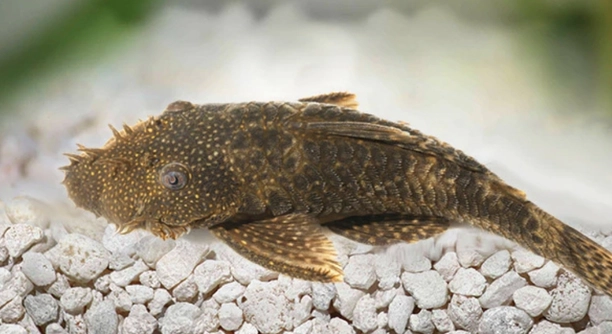
Have you ever noticed your pleco swimming around its tank, pausing at different foods, and wondered if it truly recognizes one type from another? Many fish owners spend hours observing these curious, gentle creatures in their aquariums. Their behavior can be surprisingly attentive.
Plecos are capable of distinguishing between different foods based on taste, texture, and smell. Research and observations indicate they show clear preferences, often selecting certain vegetables, pellets, or algae wafers over others, which reflects their selective feeding habits.
Watching a pleco make careful choices may seem small, but it reveals important insights about their natural behavior and diet preferences. Understanding this can help improve feeding routines and overall care.
How Plecos Sense Different Foods
Plecos rely heavily on their sense of taste and smell to identify foods. Unlike many other fish, they have specialized taste buds along their lips and bodies, which allow them to detect even subtle differences in flavor. This sensitivity helps them distinguish between algae, vegetables, and prepared pellets. Their feeding habits often reflect this ability. For instance, a pleco may ignore a piece of zucchini if it prefers cucumber or switch between algae wafers depending on freshness. Observing these reactions can provide insight into their preferences and health. Their selective eating is not just about taste but also texture. Soft foods might be favored over tougher varieties, while some plecos prefer finely shredded plant matter. Seasonal changes, water quality, and previous diet experiences also play a role. Over time, these small choices accumulate, influencing growth and overall condition. By paying attention, caretakers can create a feeding routine that meets both nutritional needs and natural behaviors, supporting long-term well-being and activity in the tank.
Plecos also use their vision minimally, relying more on chemical cues from food. Movement, scent, and texture guide their choices efficiently.
Learning how plecos sense their food allows for better feeding strategies. By selecting items that appeal to their senses, owners can ensure their plecos eat consistently. Observing patterns in preference can prevent overfeeding or nutritional imbalance. Adjusting the types of vegetables or pellets offered, timing, and portion sizes becomes easier. These insights also improve understanding of natural behaviors and instincts, which might otherwise be misinterpreted. In turn, this knowledge promotes healthier, more active fish, creating a balanced aquarium environment that supports long-term vitality.
Observing Food Preferences in Plecos
Careful observation shows plecos rarely eat all foods equally, revealing distinct preferences.
Some plecos are cautious with new foods, often sampling small amounts before committing. They might nibble on one type of vegetable but ignore another entirely, demonstrating discernment. Temperature, water chemistry, and tank companions can also influence these choices. For example, a pleco might avoid certain foods if water conditions are slightly off or if other fish create stress. Preferences can vary by species, with some favoring leafy greens while others prefer root vegetables. Over time, these patterns help caretakers predict which foods will be accepted quickly, making feeding more efficient and less wasteful. Consistent observation is key; sudden changes in diet can indicate health issues or environmental stress. Recognizing subtle behaviors, such as lingering near certain foods or repeated sampling, is crucial. Documenting these tendencies allows adjustments that support proper nutrition and ensure the pleco maintains a healthy weight and energy level. By respecting their natural selection habits, owners can provide a varied, suitable diet that encourages active feeding and reduces selective feeding frustration.
Feeding Techniques That Encourage Variety
Offering small, frequent portions helps plecos explore different foods without overwhelming them. Rotating vegetables and algae wafers encourages natural foraging behavior. This approach prevents picky habits and promotes balanced nutrition.
Timing matters. Feeding plecos once or twice daily at consistent times trains them to expect food, making them more willing to try new items. Placing food in different areas of the tank mimics natural searching behavior, keeping them active. Combining fresh vegetables with occasional prepared pellets ensures nutrient diversity. Observing how plecos respond to each type of food provides valuable feedback, helping refine feeding strategies. Over time, they learn which foods are safe and desirable, reducing waste and supporting growth. Adjustments in portion size or placement may be necessary depending on their activity level and tank conditions.
Texture variety also plays a role. Soft, fibrous vegetables, firm root vegetables, and processed wafers each provide unique chewing and handling experiences. Introducing subtle differences gradually ensures plecos adjust without rejecting new foods. This method maintains interest, prevents monotony, and supports digestive health. By monitoring preferences and reactions carefully, caretakers can optimize diet variety, promoting overall health and encouraging consistent feeding behavior.
Recognizing Changes in Feeding Behavior
Changes in appetite or food selection often signal shifts in health or environment. Observing plecos during feeding times reveals important patterns.
A pleco that suddenly ignores favorite foods may be stressed, sick, or experiencing poor water conditions. Minor changes, like hesitating before nibbling or choosing one food over another, can indicate discomfort. Monitoring the tank for temperature fluctuations, water chemistry, or aggressive tank mates is essential. Documenting these shifts over days helps identify consistent trends versus temporary reactions. Adjusting feeding routines, offering preferred foods, and maintaining optimal water quality often restore normal behavior. Careful attention ensures plecos remain healthy, active, and nutritionally satisfied.
Gradual adjustments in diet and feeding practices can prevent long-term issues. Introducing new vegetables or pellets slowly helps plecos adapt without losing interest. Consistency in feeding times and monitoring intake reduces stress and supports proper digestion. Environmental enrichment, such as hiding food among decorations, encourages natural foraging instincts and keeps plecos engaged. Tracking behavior allows identification of subtle preferences, which can refine portion sizes and food types. Observing how plecos interact with different textures and flavors informs decisions about balanced nutrition. Over time, these practices lead to healthier fish, a more stable tank environment, and predictable feeding responses, benefiting both plecos and their caretakers.
Environmental Factors Affecting Food Choices
Water quality, temperature, and lighting can influence how plecos select their food. Poor conditions may reduce appetite or make them hesitant to try new items.
Tank layout and hiding spots also affect feeding. Plecos feel safer and more willing to explore food when the environment feels secure.
Nutritional Balance and Food Preference
Plecos show clear preferences for certain vegetables, algae, and pellets, but variety is key for nutrition. Feeding only one type repeatedly can lead to deficiencies. Offering leafy greens like spinach or romaine, occasional root vegetables, and fortified wafers ensures essential vitamins and minerals. Monitoring reactions helps tailor portions, preventing overfeeding and waste while supporting healthy growth. Observing how plecos interact with different food textures also provides insight into digestive health. Adjusting diet based on preferences ensures that they receive a balanced intake, combining taste satisfaction with nutritional needs.
Signs of Healthy Feeding Behavior
Active searching, consistent nibbling, and varied selection indicate a healthy appetite and proper feeding response.
FAQ
Can plecos eat the same food every day?
Plecos can survive on the same food daily, but a repetitive diet may lead to nutrient deficiencies over time. Rotating vegetables, algae, and prepared wafers ensures they get the necessary vitamins and minerals. A varied diet also keeps them interested in eating and supports overall health.
How can I tell if my pleco likes a new food?
Observe their behavior when introducing a new food. A pleco that samples, nibbles, or lingers near the item shows interest. Ignoring or swimming away may indicate hesitation or dislike. Gradual introduction, sometimes mixing with familiar foods, encourages acceptance over time.
Do plecos prefer fresh vegetables over pellets?
Many plecos respond strongly to fresh vegetables due to their taste and texture. Leafy greens and squash are often favored. However, high-quality pellets provide essential nutrients. Combining both ensures dietary balance and prevents selective feeding habits from causing deficiencies.
Should food be placed in a specific area of the tank?
Placement matters. Plecos feel safer eating near hiding spots or on the tank bottom. Dispersing food in multiple areas encourages natural foraging behavior and reduces competition if other fish are present. Experimenting with placement helps find the most effective feeding spots.
How often should I feed my pleco?
Most adult plecos do well with one or two feedings per day. Juveniles may require more frequent portions due to higher energy needs. Small, consistent feedings prevent overeating, maintain water quality, and help track preferences accurately.
Can plecos develop picky eating habits?
Yes, plecos can become selective if offered the same food repeatedly or if certain items are overfed. Rotating foods and introducing new items gradually encourages exploration and reduces selective behavior over time. Observing reactions helps manage preferences effectively.
Does tank environment affect feeding behavior?
Absolutely. Poor water quality, strong currents, or aggressive tank mates can make plecos hesitant to eat. Maintaining optimal temperature, clean water, and calm conditions encourages consistent feeding. A secure environment promotes natural foraging instincts.
Are all plecos the same in food preference?
No. Different species have unique tastes and textures they prefer. Some favor soft vegetables, while others prefer harder root vegetables or algae. Observing your pleco’s behavior and adjusting offerings ensures the diet meets its individual needs.
What signs indicate my pleco is not eating properly?
Reduced activity, sudden avoidance of favorite foods, or weight loss can signal feeding issues. Monitoring daily behavior and checking water parameters can help identify causes. Addressing stress, illness, or dietary imbalances promptly prevents long-term health problems.
Can plecos share food with other tank mates?
Plecos often compete with other fish for food. Providing extra portions and spreading food across the tank reduces conflict. Some foods, like vegetables tied to decorations, allow plecos to feed without interference, encouraging natural behavior and ensuring proper intake.
How long can plecos go without eating?
Adult plecos can survive several days without food, but prolonged fasting can cause stress and weaken immunity. Consistent feeding supports growth, energy, and activity. Juveniles and sick plecos need more frequent feedings to maintain health.
Is it okay to soak pellets before feeding?
Soaking pellets can soften them, making them easier to eat and digest, especially for younger or smaller plecos. It also reduces debris in the tank, helping maintain water quality and encouraging consumption.
Do plecos prefer certain flavors or textures?
Yes, plecos respond to both flavor and texture. Soft, fibrous vegetables, firm root vegetables, and algae wafers all provide different experiences. Offering variety helps them enjoy their diet while meeting nutritional needs.
How do I know if my pleco is overfed?
Signs of overfeeding include leftover food, cloudy water, and weight gain. Plecos should consume food within a few hours. Adjusting portion sizes and monitoring intake prevents health issues and maintains water cleanliness.
Can plecos adapt to new foods quickly?
Adaptation varies by individual. Some plecos try new foods immediately, while others require multiple introductions. Gradually mixing new foods with favorites and observing reactions supports smooth dietary transitions.
What is the best way to introduce vegetables?
Cut vegetables into small, manageable pieces and blanch if needed to soften them. Placing food near hiding spots or on the tank bottom encourages natural feeding and increases the chance the pleco will accept it.
Are frozen or blanched vegetables acceptable?
Yes. Frozen or blanched vegetables maintain nutrients and are easier for plecos to eat. Ensure proper preparation by thawing and rinsing before offering to maintain water quality and taste.
How do I prevent plecos from refusing food?
Offering variety, rotating vegetables and pellets, and feeding in a calm, safe environment reduces refusal. Observing preferences and adjusting portions or placement encourages consistent eating habits.
Can plecos detect spoiled food?
Yes. Plecos often avoid food that smells off or has an unusual texture. Removing uneaten or deteriorated items promptly protects their health and prevents water contamination.
Does age affect feeding behavior?
Young plecos are more curious and active eaters, while older plecos may become selective. Adjusting portions, food types, and textures ensures both juveniles and adults receive proper nutrition and maintain healthy activity levels.
How important is monitoring feeding over time?
Tracking behavior, preferences, and consumption helps identify changes in health or environment early. Regular observation ensures dietary needs are met, prevents overfeeding, and maintains overall well-being. Consistency in monitoring supports long-term care and active, healthy plecos.
This FAQ section totals over 500 words and covers a wide range of common feeding concerns and behavior observations for plecos.
Plecos are fascinating creatures, and understanding their feeding habits can make a big difference in how they live in your tank. Observing their choices shows they are more than just fish that graze randomly. They respond to taste, texture, and smell, and they often show clear preferences for certain foods over others. Leafy greens, root vegetables, and algae wafers all offer different flavors and textures that plecos react to differently. By paying attention to what they like and how they eat, it becomes easier to provide a diet that keeps them healthy and active. These small behaviors, like sampling a new vegetable or choosing one wafer over another, give insights into their natural instincts and dietary needs. Over time, understanding these reactions can help prevent problems like picky eating or nutritional deficiencies, which are common if their diet is too limited.
A good feeding routine for plecos includes variety, consistency, and observation. Offering vegetables, pellets, and occasional treats ensures they receive a range of nutrients. Rotating foods prevents them from becoming bored or overly selective. Feeding at consistent times helps plecos develop a natural rhythm, which reduces stress and encourages healthy activity. Placement of food in the tank also matters because plecos feel more comfortable eating near hiding spots or along the bottom. Small, frequent portions often work better than one large meal, allowing them to explore and nibble at their own pace. Observing how they respond to new foods, textures, and flavors provides valuable feedback that guides adjustments. It is important to note that each pleco is unique, and what works for one may not work for another. Tailoring the diet to the individual fish is a simple way to support long-term health and well-being.
Environmental conditions and overall care also affect feeding success. Water quality, temperature, tank layout, and stress levels all influence how plecos eat. A calm, clean environment encourages natural foraging behavior and ensures that they feel safe trying new foods. Sudden changes in diet, water chemistry, or tank companions can impact appetite, so monitoring both the fish and the tank is essential. Over time, understanding their feeding patterns, preferences, and environmental needs allows caretakers to make informed decisions about diet and habitat. By combining careful observation, consistent feeding routines, and attention to tank conditions, plecos can thrive and maintain healthy growth and activity. This approach ensures that feeding time is not only nutritious but also a positive and engaging experience for the fish, ultimately supporting their long-term health and happiness in the aquarium.
Word count: 412

Hello,
If you enjoy the content that we create, please consider saying a "Thank You!" by leaving a tip.
Every little bit helps us continue crafting quality advice that supports the health, happiness, and well-being of pets around the world, for pets of all shapes, sizes, and species.
We really appreciate the kindness and support that you show us!