
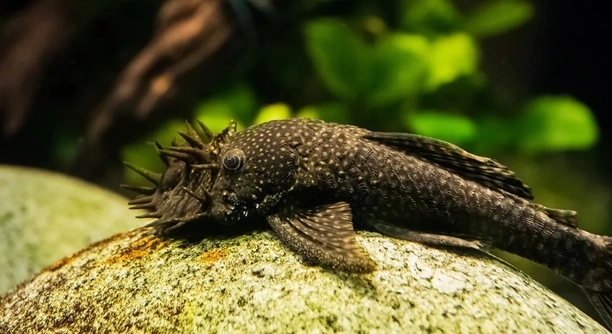
Do you ever notice your pleco acting restless or hiding more than usual in its tank? Even in well-kept aquariums, these fish can experience stress from unexpected sources that are easy to overlook.
Plecos can become stressed by changes in water flow, lighting, temperature fluctuations, overcrowding, improper diet, sudden loud noises, and the presence of aggressive tank mates. Each factor affects their behavior, health, and overall well-being in significant ways.
Recognizing these stressors can improve your pleco’s health and help create a calmer, more balanced environment for your aquatic companion.
Sudden Changes in Water Flow
Plecos thrive in stable environments, and sudden changes in water flow can easily stress them. Strong currents or rapid shifts in water movement can make it difficult for them to find hiding spots or rest properly. Even minor adjustments to filters or pumps may disrupt their usual swimming patterns. Many aquariums unintentionally create turbulence by adding decorations too close to pumps or by adjusting water features too quickly. These changes can lead to fatigue, erratic swimming, or even refusal to eat. Observing your pleco after modifying water flow is important to notice subtle signs of discomfort. Slow, gradual changes allow the fish to acclimate without unnecessary stress. Proper placement of pumps and understanding your tank’s natural flow patterns can make a significant difference in keeping plecos calm and healthy. Maintaining steady water conditions is essential for their long-term well-being.
Keeping water flow consistent helps plecos feel secure and supports normal behavior, reducing stress and preventing health issues caused by abrupt turbulence.
Adjusting flow should always be done gradually. Start with small changes and monitor behavior closely. Providing hiding spots near strong currents can give plecos refuge while they adapt. Over time, they will navigate currents more confidently, showing normal feeding and resting behaviors. Regular observation ensures any signs of stress are caught early, helping maintain a peaceful environment in your tank.
Inadequate Hiding Spots
Plecos feel unsafe without enough hiding places, making them more prone to stress.
Hiding spots reduce stress by giving plecos areas to retreat, rest, and avoid direct interaction with other fish. Natural caves, driftwood, and dense plants offer comfort and security.
A pleco’s need for hiding spots is often underestimated, but it directly affects behavior and health. In bare tanks, they may become more aggressive, restless, or shy away from feeding. Providing multiple shelters of different sizes allows plecos to choose their preferred location and feel in control of their environment. Driftwood not only offers hiding spaces but also supports natural scraping behavior, which helps with digestion and keeps them engaged. Dense plants or PVC tubes mimic natural habitats, giving them a sense of protection. Even slight rearrangements of decorations can trigger stress, so it’s important to maintain consistency. By observing where your pleco prefers to hide, you can create a safe and calming environment tailored to its needs, which reduces stress and promotes healthier daily routines.
Overcrowding in the Tank
Too many fish in one tank can create stress for plecos. Crowding reduces swimming space, increases competition for food, and raises waste levels, which can lead to poor water quality and discomfort.
Overcrowding makes plecos more defensive and skittish. They may hide constantly or become aggressive toward tank mates to secure space. High population density can increase ammonia and nitrate levels, stressing their immune system and making them prone to illness. Even if all fish are compatible, limited space prevents plecos from following natural behaviors like grazing or resting quietly. Monitoring the number of fish relative to tank size ensures that plecos have enough room to move freely and establish territories. Adequate space directly impacts their overall health, growth, and behavior, making it essential to avoid overstocking.
Reducing overcrowding involves removing excess fish or upgrading to a larger tank. Maintaining proper filtration, monitoring water parameters, and providing enough hiding spots can help plecos adjust better in a shared environment. Structured spaces allow them to rest, feed, and interact without constant stress.
Sudden Temperature Fluctuations
Plecos are sensitive to temperature changes, which can shock their system and disrupt normal behavior. Consistency is key for their health.
Rapid shifts in water temperature can lead to lethargy, reduced appetite, and increased susceptibility to disease. Even a few degrees of change can trigger stress responses. Using a reliable heater or chiller and monitoring daily variations helps maintain a stable environment. Gradual adjustments allow plecos to acclimate without risking their immune system. Sudden cold or hot water can shock internal organs, making them more vulnerable to infections or abnormal behavior.
Temperature swings also affect oxygen levels in the tank, which plecos rely on for comfort and normal activity. A stable environment ensures their metabolism functions correctly and helps them feel secure. Providing shaded areas and keeping heaters away from strong currents helps maintain even temperatures. Consistency in heating equipment and avoiding rapid water changes are practical steps to prevent unnecessary stress and promote long-term well-being. Observing behavior after any adjustment can indicate if the temperature is suitable.
Improper Diet
Plecos need a balanced diet with both vegetables and protein sources. Feeding too little or too much can cause stress and affect their health.
Lack of variety in food may lead to malnutrition or digestive issues. Providing algae wafers, fresh vegetables, and occasional protein helps maintain energy and normal behavior.
Loud Noises
Plecos are sensitive to vibrations and loud sounds. Sudden bangs or consistent noise can make them skittish and hide more often than usual.
Aggressive Tank Mates
Aggressive fish can intimidate plecos, limiting their movement and access to food. Constant harassment increases stress and may cause injury or illness.
How can I tell if my pleco is stressed?
Signs of stress in plecos can be subtle. They may hide more often, swim erratically, or show reduced appetite. Fading colors, clamped fins, or excessive scraping on surfaces are also common indicators. Observing their daily routine carefully helps you notice unusual behavior early.
Stress can weaken the immune system, making plecos prone to infections. Changes in water parameters or tank setup often trigger these behaviors. By keeping a log of feeding habits, swimming patterns, and interactions with tank mates, you can identify triggers. Early detection allows you to adjust the environment before stress affects their health severely.
What is the best diet for plecos to reduce stress?
A balanced diet is key to keeping plecos healthy and stress-free. They need vegetables like zucchini, cucumber, or spinach, supplemented with algae wafers for essential nutrients. Occasional protein sources like shrimp pellets or bloodworms help maintain growth. Feeding the same type of food repeatedly may lead to nutrient deficiencies and stress.
Offering food in multiple locations reduces competition with other fish and ensures the pleco can eat without fear. Removing uneaten food promptly prevents water contamination, which can add to stress. Observing eating habits and adjusting portions according to size and activity helps keep them healthy and content.
How often should I change the water to prevent stress?
Regular water changes are critical for pleco health. Changing 20–30% of the water weekly helps maintain stable parameters, removing waste and toxins. Inconsistent or large water changes can shock plecos, leading to stress and erratic behavior.
Maintaining water temperature, pH, and hardness within recommended ranges also prevents stress. Using a siphon to remove debris and partial changes rather than full swaps reduces disruption. Observing water clarity and fish activity after changes ensures the environment remains stable. Consistency is more important than the frequency of changes.
Can tank decorations affect pleco stress?
Yes, decorations significantly impact pleco comfort. Lack of hiding spots, sharp edges, or overcrowded layouts can increase stress. Driftwood, caves, and dense plants provide shelter and mimic natural habitats, helping them feel secure.
Rearranging decorations suddenly can also stress plecos, as they rely on familiar territory. Maintaining consistency while offering multiple hiding options reduces anxiety and supports natural behavior. Proper spacing prevents conflicts with other fish and gives plecos the freedom to graze and rest safely.
Do plecos get stressed by water temperature changes?
Plecos are sensitive to temperature fluctuations. Sudden increases or decreases can shock their system, causing lethargy, reduced appetite, or illness. Maintaining a stable temperature within the recommended range for the species is essential.
Using a reliable heater or chiller and monitoring daily variations prevents unnecessary stress. Gradual changes allow them to acclimate without impacting health. Shade and hiding areas can buffer minor fluctuations, and observing behavior after any adjustment helps ensure conditions are suitable. Consistency promotes normal metabolism and activity levels.
Are plecos affected by aggressive tank mates?
Aggressive fish can make plecos feel unsafe. Constant chasing or nipping limits their movement, reduces feeding opportunities, and increases stress levels. This can lead to injuries or weakened immunity.
Providing enough space, hiding spots, and compatible tank mates reduces tension. Observing interactions carefully and separating aggressive fish when necessary ensures plecos remain calm. Stress from other fish may appear gradually, so consistent monitoring is important. A balanced social environment is key to their well-being.
How do I reduce stress from water flow changes?
Plecos prefer stable water currents. Sudden changes from filters, pumps, or decorations can cause fatigue or hiding behavior. Gradually adjusting flow allows them to adapt safely.
Placing shelters near stronger currents gives plecos refuge while they acclimate. Observing swimming patterns and feeding habits after adjustments ensures they are comfortable. Maintaining consistent flow supports normal activity and reduces chronic stress.
Can lighting affect pleco stress?
Bright or inconsistent lighting can make plecos nervous. They are nocturnal and feel safer in dimmer conditions. Providing shaded areas or floating plants allows them to control exposure and reduces stress.
Avoid sudden light changes, and maintain a consistent day-night cycle. Overly bright or flickering lights can trigger hiding, erratic swimming, or reduced feeding. Proper lighting helps regulate natural behavior and supports overall health.
What should I do if my pleco is stressed?
Identify the source of stress first, whether it’s water quality, diet, tank mates, or environmental changes. Adjusting the tank setup, improving hiding spots, stabilizing water conditions, or changing diet can relieve stress.
Observation is essential. Note changes in behavior, appetite, and swimming patterns. Intervene gradually and consistently to prevent additional stress. Maintaining a calm, stable environment ensures recovery. Reducing triggers and monitoring progress helps plecos regain normal activity and health effectively.
How important is tank size for pleco stress?
Tank size directly affects pleco comfort. Overcrowded tanks limit swimming space, increase competition for food, and can lead to aggression or hiding. A spacious tank allows plecos to establish territory and follow natural behaviors.
Providing appropriate space, combined with hiding spots and consistent water conditions, reduces stress significantly. Regularly evaluating tank capacity relative to fish size helps maintain long-term health and stability. Spacious environments encourage feeding, resting, and normal interactions, supporting overall well-being.
Plecos are often seen as hardy fish, but they can be surprisingly sensitive to their environment. Many of the stressors they experience are subtle and easy to overlook, from sudden changes in water flow to aggressive tank mates. Even small adjustments in lighting, water temperature, or tank decorations can cause noticeable changes in behavior. As caretakers, it’s important to observe them carefully and recognize early signs of stress. Hiding more than usual, refusing food, or showing erratic swimming are all indicators that something in their environment may need attention. By paying close attention to their daily habits, you can catch these signs before they lead to serious health issues, ensuring your pleco remains calm and healthy.
Creating a stable environment for plecos involves maintaining consistent water conditions, providing sufficient hiding spots, and choosing compatible tank mates. Water flow, temperature, and quality all play a major role in their overall well-being. Using proper filtration and monitoring systems can prevent sudden changes that might upset them. Hiding spots, such as driftwood, caves, and dense plants, give plecos places to retreat when they feel threatened. Even the arrangement of decorations can influence their sense of security, so keeping a consistent layout while offering multiple shelters is important. Choosing peaceful, compatible tank mates prevents unnecessary competition and allows your pleco to feed and rest comfortably. Small changes in these areas can make a significant difference in reducing stress and promoting healthy behavior.
Diet and routine are equally important for keeping plecos stress-free. Offering a balanced diet of vegetables, algae wafers, and occasional protein helps maintain their health and supports natural grazing behavior. Feeding in multiple locations ensures that plecos can eat without competing aggressively with other fish. Routine water changes, done gradually and consistently, prevent harmful fluctuations and keep the environment stable. Even everyday noises and vibrations should be minimized, as plecos are sensitive to loud or sudden sounds. By combining careful observation with thoughtful care, you can create a peaceful tank that supports your pleco’s physical and mental well-being. Understanding these small yet impactful factors allows you to respond quickly to any issues, making it easier to keep your pleco happy, healthy, and stress-free for years to come.

Hello,
If you enjoy the content that we create, please consider saying a "Thank You!" by leaving a tip.
Every little bit helps us continue crafting quality advice that supports the health, happiness, and well-being of pets around the world, for pets of all shapes, sizes, and species.
We really appreciate the kindness and support that you show us!