
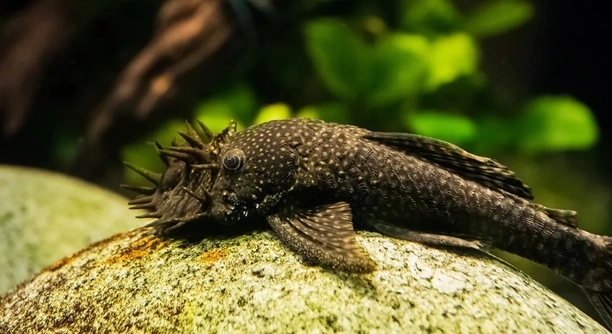
Have you ever noticed your pleco lingering near the surface, appearing sluggish or unusually bloated? Many fish owners unintentionally feed their plecos too much, which can cause stress and affect their overall health. Observing feeding habits is important.
Overfeeding in plecos is typically indicated by bloating, slowed swimming, leftover food in the tank, and unusual behavior. Maintaining portion control and a balanced feeding schedule is crucial to prevent health complications associated with excessive food intake.
Learning to recognize these signs early can help maintain your pleco’s health. Small adjustments in feeding habits make a big difference over time.
Signs Your Pleco Is Overfed
Overfeeding a pleco can manifest in several visible ways. One common sign is bloating, where the fish appears rounder than usual. You may also notice leftover food accumulating at the bottom of the tank, which is a clear indication of excessive feeding. Another symptom is lethargy; an overfed pleco often swims slowly and spends more time resting on surfaces rather than exploring. Changes in behavior, like reduced interest in hiding spots or tankmates, can also occur. The water quality may decline more quickly due to uneaten food decomposing, which can lead to higher ammonia levels. Maintaining a consistent feeding schedule with measured portions helps prevent these issues. Observing your pleco’s appetite carefully is essential, as sudden overeating or refusal to eat may signal digestive problems. Adjusting the type of food offered and ensuring a varied diet also supports overall health. Early intervention can prevent long-term complications.
Overfed plecos may develop digestive problems. Paying attention to their daily habits helps prevent stress and illness.
Regular monitoring of feeding amounts allows you to spot changes before serious problems arise. By noting how much your pleco eats and removing uneaten food promptly, you maintain a healthier tank. Adjusting feeding frequency and quantity according to the fish’s size and activity helps maintain balance. Some plecos may require less food than recommended, depending on tank conditions and water temperature. Keeping the tank clean and checking for bloating or unusual behavior ensures overfeeding is avoided. Establishing a routine creates a more stable environment.
Managing Pleco Feeding Effectively
Tracking how often and how much your pleco eats makes a significant difference in its health.
To manage feeding properly, start by measuring the food you provide. Offer small portions once or twice daily, depending on your pleco’s size. Remove uneaten food after a few hours to prevent water contamination. Including a mix of algae wafers, vegetables, and occasional protein treats ensures a balanced diet. Overfeeding can strain internal organs, so consistency in portion size is key. Observing how your pleco responds to different amounts of food helps refine feeding practices. Environmental factors, such as water temperature and tank size, influence metabolism and appetite. Adjusting for these factors prevents stress and encourages healthy growth. Maintaining clean water by performing regular tank maintenance supports digestion and reduces disease risk. Understanding your pleco’s natural eating patterns also allows for a more accurate feeding schedule. With careful observation and adjustments, overfeeding becomes avoidable, keeping your pleco active, healthy, and thriving.
Adjusting Portion Sizes
Small adjustments in portion sizes can quickly improve your pleco’s health. Start by reducing the amount of food slightly and observing how your fish responds.
Carefully measure each feeding. Using a teaspoon or a small scoop helps prevent giving too much at once. Monitor how much your pleco consumes within a few hours and remove leftovers immediately. Over time, you can fine-tune the portion to match your pleco’s appetite and activity level. Smaller, more frequent meals often work better than one large feeding. Avoid feeding out of habit; watch the fish rather than relying on a fixed routine alone.
Observing behavior after adjusting portions is essential. A pleco that swims actively and consumes most of the food in the tank indicates proper portioning. Watch for bloating, leftover food, or signs of stress. Adjustments should be gradual to prevent sudden dietary changes that can upset digestion. Keeping a simple log of feeding times, amounts, and observations helps identify the ideal portion. By paying attention, overfeeding problems can be corrected without disrupting the pleco’s routine or tank environment.
Choosing the Right Food
Selecting appropriate food is key to preventing overfeeding and maintaining a balanced diet.
Opt for foods designed specifically for plecos, such as algae wafers, sinking pellets, and vegetables. Avoid high-protein foods in excess, as they can contribute to digestive issues and obesity. Fresh vegetables like zucchini, cucumber, or spinach provide fiber that aids digestion. Occasionally, a small protein supplement can be added, but it should never replace the staple diet. Observing which foods your pleco eats quickly helps determine preferences and nutritional needs. Avoid leftover foods that float and decay, as these affect water quality and can confuse portion control.
Variety is important to keep your pleco healthy. Rotate between vegetables, algae wafers, and occasional protein treats. Monitor how quickly the pleco consumes each type to prevent overfeeding. Certain foods may float or sink slowly, which can affect intake and leftover accumulation. Adjust the portions based on the fish’s size, age, and activity. Providing foods with high fiber content supports digestion and reduces bloating risk. Maintaining a consistent feeding plan with appropriate food choices helps prevent health issues while keeping your pleco satisfied and active. Watching reactions to new foods ensures changes are safe and effective.
Monitoring Feeding Frequency
Feeding too often can quickly lead to overfeeding. Stick to once or twice daily, depending on your pleco’s size and appetite.
Keep a consistent schedule. Observing how your pleco responds to each feeding helps you adjust frequency without causing bloating or leftover food accumulation.
Observing Behavior Changes
Behavior changes are strong indicators of overfeeding. Lethargy, spending more time hiding, or unusual swimming patterns often point to digestive stress. Monitoring these behaviors daily allows timely adjustments to feeding habits and helps maintain your pleco’s health.
Tank Cleanliness
A clean tank prevents leftover food from causing water issues. Regular removal of uneaten food keeps the environment safe and reduces stress on your pleco.
FAQ
How do I know if my pleco is overfed?
Signs of overfeeding include bloating, lethargy, leftover food in the tank, and changes in swimming behavior. Plecos that appear rounder than usual or are less active may be struggling with excess food. Monitoring daily feeding habits and checking the tank regularly helps identify overfeeding early.
Can overfeeding harm my pleco?
Yes. Overfeeding can lead to digestive problems, obesity, and stress, which weaken the immune system. Uneaten food can also degrade water quality, increasing ammonia and nitrite levels. Long-term overfeeding may shorten your pleco’s lifespan and lead to serious health complications if not corrected.
How much should I feed my pleco?
The amount varies with size, species, and tank conditions. A small portion once or twice a day is usually enough. Start with what your pleco can eat in about 10–15 minutes and remove leftovers. Adjust gradually based on appetite and activity.
Is it okay to feed vegetables daily?
Yes. Vegetables like zucchini, cucumber, and spinach are excellent sources of fiber and nutrients. They aid digestion and prevent bloating. Offer a variety of vegetables and occasionally rotate with algae wafers or sinking pellets to ensure a balanced diet without overfeeding.
What if my pleco refuses food?
Refusal to eat may indicate illness, stress, or incorrect food types. Check water parameters and tank conditions, and try offering a different type of food. Small, frequent feedings may encourage eating, but prolonged refusal should be addressed with a vet familiar with fish health.
Can I feed too many protein-based foods?
Yes. Excess protein can cause digestive issues and liver strain. Plecos primarily need plant-based foods, with protein treats given sparingly. Stick to algae wafers, vegetables, and occasional protein snacks to maintain a healthy diet and prevent overfeeding.
How often should I clean leftover food from the tank?
Leftover food should be removed after each feeding, usually within a few hours. Regular tank maintenance helps maintain water quality, prevents bacteria buildup, and reduces the risk of health problems associated with overfeeding. Clean the substrate and decorations as needed.
Does tank size affect feeding needs?
Yes. Smaller tanks may require smaller portions and more careful monitoring to prevent food accumulation and water quality issues. Larger tanks allow more space for the pleco to explore, but feeding should still be based on appetite and species requirements rather than tank size alone.
Can overfeeding cause bloating?
Absolutely. Bloating is a primary sign of overfeeding. It indicates the digestive system is struggling to process excess food. Reducing portion sizes, feeding slower-digesting foods, and monitoring behavior can help manage bloating and maintain overall health.
Are there any quick fixes for overfeeding?
Immediate adjustments include reducing portion sizes, removing uneaten food, and temporarily fasting your pleco for a day or two. Monitor water quality closely and ensure the diet is balanced. Consistent long-term feeding practices are more effective than quick fixes alone.
How can I prevent overfeeding in the future?
Establish a consistent feeding schedule with measured portions, observe daily behavior, and rotate foods to maintain variety. Track how much your pleco eats, adjust portions gradually, and maintain a clean tank. Preventing overfeeding is easier than correcting it after problems arise.
Is it normal for plecos to beg for food?
Plecos may seem eager at feeding times, but this doesn’t always mean they need more food. Watch actual consumption rather than behavior alone. Overfeeding due to begging can quickly lead to health problems, so portion control is important even with an eager pleco.
What foods should I avoid giving my pleco?
Avoid high-fat or high-protein foods in excess, human leftovers, and foods that decay quickly in water. These can cause digestive upset and water quality problems. Stick to pleco-friendly algae wafers, vegetables, and occasional protein treats to maintain balance.
How long should I wait between feedings?
Once or twice daily is usually sufficient, depending on size and species. Avoid feeding too frequently, as this increases the risk of leftover food and digestive stress. Observing appetite and tank behavior will guide appropriate intervals between meals.
What role does water temperature play in feeding?
Warmer water increases metabolism, so plecos may eat more, while colder water slows digestion. Adjust portion sizes according to temperature and activity level to prevent overfeeding and digestive issues. Maintaining stable conditions supports healthy feeding patterns.
Can overfeeding affect other fish in the tank?
Yes. Excess food can lead to poor water quality, affecting all tank inhabitants. Uneaten food may also trigger competition or aggression if other fish attempt to eat it. Proper portion control benefits both your pleco and tank mates.
Is fasting a good method to control overfeeding?
Occasional fasting for a day or two can help reset digestion, but it should not become routine. Monitor behavior and adjust feeding gradually. Fasting works best combined with portion control and observation to maintain overall health.
How long does it take to correct overfeeding?
Improvement can be seen within days if portion sizes are reduced and tank maintenance is maintained. Full recovery depends on the severity of overfeeding, water quality, and individual fish health. Patience and consistent care are key to restoring normal behavior and appearance.
Should I consult a vet for overfeeding issues?
Yes, especially if bloating, lethargy, or unusual behavior persists despite adjustments. A vet specializing in fish can provide guidance on diet, health checks, and treatment options to ensure long-term wellness.
Are there preventive tools to avoid overfeeding?
Using a measuring scoop, setting a feeding timer, and keeping a log of amounts and times helps prevent overfeeding. Observing appetite, tank conditions, and behavior ensures a balanced diet while reducing the risk of health problems.
Can overfeeding lead to long-term health problems?
Chronic overfeeding can lead to obesity, liver damage, digestive issues, and reduced lifespan. Maintaining proper portions, consistent schedules, and a balanced diet is essential to prevent long-term consequences and keep your pleco active and healthy.
How do I balance variety with overfeeding concerns?
Rotate between vegetables, algae wafers, and occasional protein treats while monitoring portion sizes. Introduce new foods gradually and observe intake. Variety supports nutrition without increasing risk, as long as feeding remains controlled and leftovers are removed promptly.
What is the best way to track feeding habits?
Keeping a simple log of feeding times, amounts, and observations of behavior or leftover food is effective. Note any changes in appetite or activity. Regular tracking helps maintain proper portions and prevents overfeeding before issues arise.
How important is observing my pleco’s appetite?
Very important. Appetite is a direct indicator of health and proper feeding. Overfeeding can mask true hunger, so watch for consistent intake patterns, remove uneaten food, and adjust portions to maintain balance.
Are algae wafers safe for daily feeding?
Yes, they are suitable as part of a balanced diet. Combine with vegetables and occasional protein treats. Feeding the right amount prevents overfeeding and ensures fiber intake for healthy digestion.
Can overfeeding affect breeding behavior?
Yes. Overfed plecos may become lethargic or less interested in breeding. Maintaining proper portions, water quality, and a balanced diet supports reproductive health and overall activity levels.
How do I know if my feeding adjustments are working?
Watch for reduced bloating, improved swimming activity, and less leftover food. Consistent monitoring, gradual portion changes, and maintaining clean tank conditions indicate that feeding adjustments are effective and the pleco’s health is improving.
What are the most common mistakes fish owners make when feeding plecos?
Giving too much food at once, feeding too frequently, ignoring leftover food, and offering improper diet types are common mistakes. Observing behavior, portioning carefully, and maintaining variety prevent overfeeding and long-term health issues.
Is overfeeding reversible?
Yes, with consistent portion control, proper diet, and good tank maintenance. Observing your pleco and making gradual adjustments can reverse most overfeeding effects and restore health over time.
How do I maintain long-term feeding balance?
Establish a routine with measured portions, monitor behavior, rotate foods, and keep the tank clean. Adjust for size, age, and activity. Consistent observation ensures your pleco remains healthy and prevents overfeeding from recurring.
Are frozen or fresh vegetables better than pellets?
Both are beneficial. Vegetables provide fiber and nutrients, while pellets are convenient and formulated for plecos. A mix of both ensures variety and supports digestion without overfeeding when portions are controlled.
What should I do if overfeeding persists despite adjustments?
Consult a vet if bloating or unusual behavior continues. Review tank conditions, feeding schedule, and diet. Persistent issues may indicate digestive or health problems requiring professional attention.
How do I prevent other fish from overeating when feeding my pleco?
Feed each species separately if possible, monitor portions, and remove uneaten food promptly. Ensure foods sink to the bottom for plecos and avoid high-protein treats that other fish might overconsume.
Can stress contribute to overfeeding issues?
Yes. Stressed plecos may eat less efficiently or appear to beg for food. Maintaining stable water conditions, proper hiding spots, and minimal disturbances reduces stress and helps regulate appetite.
How long should plecos be observed after changing feeding routines?
Observe daily for at least one to two weeks. Look for changes in appetite, behavior, and leftover food. Gradual adjustments with consistent monitoring ensure feeding routines are effective and overfeeding is avoided.
Does overfeeding affect water parameters?
Yes. Excess food decomposes and increases ammonia, nitrites, and nitrates. Poor water quality can stress plecos and other tank inhabitants. Removing uneaten food promptly and performing regular water changes maintains a healthy environment.
What is the role of fiber in preventing overfeeding issues?
Fiber from vegetables helps digestion, reduces bloating, and ensures proper nutrient absorption. Including fibrous foods regularly supports a healthy digestive system and balances the effects of occasional protein treats.
How do I manage multiple plecos in one tank?
Feed measured portions to each fish individually if possible, observe consumption, and remove leftovers. Maintain clean water and adjust feeding frequency based on combined appetite and tank size to prevent overfeeding and health issues.
Can overfeeding affect a pleco’s lifespan?
Chronic overfeeding can shorten lifespan due to obesity, liver strain, and increased disease risk. Maintaining proper feeding practices, balanced diet, and clean tank conditions supports longevity and overall well-being.
Are treats necessary for a pleco’s diet?
Treats are optional. Occasional protein snacks or new vegetables provide variety but are not essential. Limiting treats prevents overfeeding while still supporting enrichment and balanced nutrition.
How do I know if my pleco is getting enough food without overfeeding?
Monitor appetite, behavior, and leftover food. A healthy pleco will eat all portions in a short time, remain active, and avoid bloating. Adjusting gradually ensures proper nutrition without excess.
What are the best vegetables to rotate for plecos?
Zucchini, cucumber, spinach, kale, and peas provide fiber, vitamins, and minerals. Rotating vegetables prevents monotony, supports digestion, and balances nutrition without contributing to overfeeding.
Can overfeeding cause water cloudiness?
Yes. Uneaten food decomposes, increasing bacteria and waste, which clouds water. Regular portion control, prompt removal of leftovers, and water maintenance prevent this problem and maintain a clear, healthy tank.
How do I balance feeding plecos with other tank mates?
Feed species-specific foods, monitor consumption, and remove leftovers. Ensure plecos receive sinking food while other fish get appropriate diets. Observing behavior helps prevent overfeeding and maintains harmony in the tank.
Is it safe to skip a day of feeding to prevent overfeeding?
Occasional fasting is safe and can aid digestion. Plecos are resilient and can tolerate a day without food. Avoid frequent skipping, and maintain balance with regular portions on feeding days.
How often should I re-evaluate my pleco’s feeding routine?
Review routines every few weeks, especially after growth, seasonal changes, or water temperature shifts. Adjust portions, frequency, and diet based on behavior, leftover food, and overall health to prevent overfeeding.
Can I use automated feeders for portion control?
Yes. Automated feeders help maintain consistent portions and feeding times. Monitor to ensure correct amounts are dispensed and check that food reaches the pleco without excess accumulation.
Does pleco species affect feeding needs?
Yes. Some species have higher activity levels and different dietary requirements. Research your specific pleco type to adjust portions, food type, and feeding frequency appropriately for optimal health.
Are algae supplements necessary?
Algae supplements support natural grazing behavior and provide fiber. They are useful if tank algae is insufficient but should be part of a balanced diet, not the sole food source, to prevent overfeeding.
How long can plecos survive without food?
Plecos can survive several days without food, depending on size and health. Occasional fasting is safe, but prolonged periods without food can lead to stress and weakness. Regular observation ensures proper intake.
Can overfeeding affect breeding success?
Yes. Overfed plecos may become inactive and less likely to breed. Balanced portions, healthy diet, and proper tank conditions promote natural reproductive behavior and support overall health.
Is it better to feed smaller meals more often?
Smaller, controlled meals reduce bloating and prevent leftover food accumulation. Observing appetite and digestion allows fine-tuning meal size and frequency for healthy, balanced feeding without overfeeding.
Do plecos need different food at different ages?
Yes. Juveniles require smaller, more frequent meals and higher protein for growth, while adults need less protein and controlled portions. Adjust diet based on age and activity to prevent overfeeding.
How can I tell if my adjustments are too little or too much?
Monitor behavior, leftover food, and bloating. Active plecos consuming all portions with minimal leftovers indicate balanced feeding. Reduce or increase gradually as needed to find the correct amount.
Are there signs of nutritional deficiency from reducing portions?
Yes, but rare if a balanced diet is maintained. Watch for dull coloration, decreased activity, or poor growth. Adjust portions or food variety to meet nutritional needs without overfeeding.
Can seasonal changes affect feeding needs?
Yes. Warmer water increases metabolism, requiring slightly more food; colder water slows digestion. Adjust portions and frequency accordingly to maintain health without overfeeding.
What is the best way to train myself to avoid overfeeding?
Measure food, keep a feeding log, observe behavior, and resist giving extra portions. Consistency, observation, and routine make controlled feeding second nature, preventing overfeeding while maintaining a healthy pleco.
How do I handle plecos with slow eating habits?
Offer smaller portions and monitor intake. Remove leftovers promptly to prevent water issues. Slow eaters may need slightly adjusted feeding schedules but still require portion control to avoid overfeeding.
Are there specific signs that overfeeding has caused long-term damage?
Chronic bloating, obesity, lethargy, liver issues, and reduced lifespan indicate long-term effects. Early intervention, portion control, and dietary adjustments can mitigate some damage, but prevention is most effective.
Can I feed multiple plecos at once?
Yes, but portion each individually if possible. Monitor intake and remove leftovers. Adjust for size and appetite differences to prevent overfeeding any individual fish while ensuring all receive proper nutrition.
How important is water testing in preventing overfeeding problems?
Very important. Overfeeding leads to excess waste and deteriorating water quality. Regular testing for ammonia, nitrites, and nitrates ensures a healthy environment and supports proper feeding practices.
What is the best way to introduce new foods without overfeeding?
Offer small amounts of new foods alongside regular diet. Observe consumption and digestion before increasing portions. Gradual introduction prevents overfeeding and helps identify preferred and safe foods.
How do I adjust feeding if my pleco is overweight?
Reduce portion size, monitor intake, and limit high-protein treats. Maintain a consistent feeding schedule with balanced foods. Regular observation helps track weight loss and prevents further overfeeding.
Can overfeeding cause swim bladder problems?
Yes. Overfeeding may lead to digestive bloating that presses on the swim bladder, causing swimming difficulties. Reducing portions and providing fibrous foods helps prevent these issues.
Are there tools to help measure correct portions?
Yes. Small measuring spoons, scoops, and portion-controlled feeders are effective. Consistently measuring food ensures proper amounts are given and overfeeding is avoided.
How do I ensure young plecos aren’t overfed?
Feed smaller, more frequent portions, observe growth and appetite, and remove leftovers promptly. Juveniles need balanced nutrition without excess to prevent bloating and digestive stress.
Can overfeeding affect the color of my pleco?
Yes. Overfeeding can stress the fish, causing dull coloration. Proper portions, balanced diet, and clean water help maintain vibrant, healthy colors.
Is fasting better than portion reduction for overfed plecos?
Portion reduction is safer long-term. Occasional fasting helps digestion but should complement, not replace, controlled feeding. Gradual adjustments are less stressful and more effective for correcting overfeeding.
How long should I continue monitoring after correcting overfeeding?
Observe daily for several weeks to ensure behavior, appetite, and bloating return to normal. Consistent monitoring confirms adjustments are successful and prevents recurrence of overfeeding.
Can overfeeding lead to aggressive behavior?
Yes. Competition over excess food may trigger aggression. Controlled feeding and proper portioning reduce conflict and maintain peace in a community tank.
Does tank decoration affect feeding habits?
Yes. Hiding spots can slow food consumption and reduce stress. Ensure decorations allow natural grazing and avoid trapping uneaten food to maintain proper feeding control.
Are there specific supplements that prevent overfeeding issues?
No supplement replaces proper feeding practices. Fiber-rich vegetables and balanced diet are most effective. Supplements may help nutrition but do not prevent overfeeding without portion control.
How do I know if my pleco is satisfied after eating?
A pleco that stops eating, swims actively, and avoids leftover food indicates satisfaction. Observe behavior rather than offering more food to prevent overfeeding.
Can overfeeding affect plecos with pre-existing health conditions?
Yes. Fish with digestive issues, obesity, or organ problems are more vulnerable. Careful portion control and monitoring are critical to prevent worsening their condition.
How do I gradually reduce portions without causing stress?
Reduce small amounts at each feeding while monitoring behavior and appetite. Gradual reduction allows adaptation, prevents digestive upset, and maintains overall health.
Are algae wafers sufficient for all nutritional needs?
No. They provide fiber and some nutrients but should be combined with vegetables and occasional protein treats to ensure a balanced diet and prevent deficiencies.
Can temperature fluctuations affect overfeeding risks?
Yes. Higher temperatures increase appetite, risking
Overfeeding a pleco is a common issue, but it can be managed with careful observation and consistent feeding practices. Paying attention to portion sizes, feeding frequency, and the type of food offered helps prevent bloating, digestive problems, and water quality issues. A pleco’s appetite can vary based on size, age, species, and tank conditions, so it is important to monitor behavior and adjust feeding accordingly. Smaller, controlled meals are usually better than one large feeding, and removing leftover food promptly keeps the tank clean and reduces stress for the fish. Vegetables such as zucchini, cucumber, and spinach provide fiber and nutrients, while algae wafers or occasional protein treats can be included to maintain a balanced diet. By combining careful feeding with regular observation, most overfeeding problems can be prevented before they cause serious health issues.
Maintaining a clean and stable environment is just as important as controlling food intake. Uneaten food can quickly degrade water quality, increasing ammonia and nitrite levels that stress your pleco and other tank inhabitants. Performing regular water changes, checking water parameters, and cleaning the substrate help maintain a healthy tank. Observing the fish daily can also provide early signs of overfeeding, such as lethargy, bloating, or unusual swimming behavior. Monitoring appetite and behavior allows for adjustments in portion size and feeding frequency, which are often sufficient to correct overfeeding issues without resorting to more drastic measures. A consistent feeding routine and a balanced diet go hand in hand with proper tank maintenance, ensuring your pleco remains active, healthy, and thriving.
Understanding your pleco’s natural eating habits is crucial for long-term health. Overfeeding may seem harmless, but repeated excesses can lead to long-term problems like obesity, digestive issues, and a shorter lifespan. By learning to measure food accurately, rotate different types of suitable foods, and observe how your pleco reacts to each feeding, you can maintain a balanced diet that supports both physical health and natural behaviors. Paying attention to environmental factors, such as water temperature and tank size, also helps regulate appetite and prevents overfeeding. Simple habits like keeping a feeding log or using small measured scoops can make a noticeable difference. Over time, these practices create a stable, healthy environment that allows your pleco to eat properly without risk, keeping the fish happy, active, and safe.

Hello,
If you enjoy the content that we create, please consider saying a "Thank You!" by leaving a tip.
Every little bit helps us continue crafting quality advice that supports the health, happiness, and well-being of pets around the world, for pets of all shapes, sizes, and species.
We really appreciate the kindness and support that you show us!