
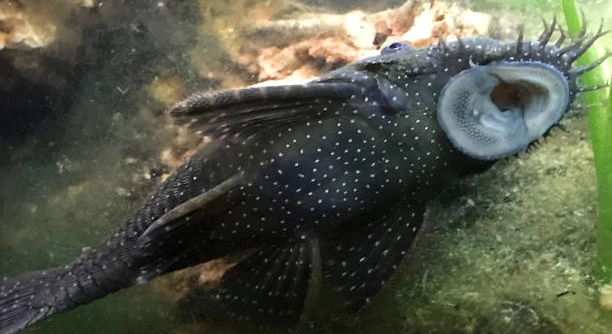
Are your plecos spending more time alone than you expected? Many owners assume these fish enjoy company, yet plecos are naturally solitary creatures. Their behavior often surprises aquarists who hope for a more social tank dynamic.
Plecos may avoid companionship due to territorial instincts, stress from overcrowding, or incompatible tank mates. Their natural behavior favors solitary living, and forcing social interaction can lead to aggression, hiding, or reduced feeding. Understanding their needs ensures healthier, less stressed fish.
Learning about these tendencies can improve your tank management and help create an environment that respects your pleco’s natural preferences.
Understanding Pleco Behavior
Plecos are naturally solitary fish that spend most of their time hiding in caves or among plants. They prefer quiet, undisturbed areas where they can feel safe. When other fish crowd their space, plecos may become stressed, which can lead to reduced activity, loss of appetite, or even health issues. Observing their behavior carefully helps you notice when they are uncomfortable. Overcrowding, poor water conditions, or incompatible tank mates often cause them to retreat. Providing sufficient hiding spaces, stable water parameters, and low-stress tank companions allows your pleco to exhibit its natural behaviors without fear. Many owners notice that plecos are more active at night, moving around the tank to graze on algae or driftwood. By adjusting lighting and maintaining a consistent routine, you can support your pleco’s comfort. Understanding that their solitude is normal rather than a sign of illness can reduce worry and improve tank management.
Most plecos do better in tanks with plenty of space and fewer competing fish, allowing them to thrive.
Some plecos may show curiosity toward other fish, but their preference is always to remain in secluded areas. Even when housed with compatible species, they often maintain a personal zone, surfacing occasionally to feed or explore. Observing these patterns ensures you respect their natural instincts while keeping the tank harmonious.
Tank Setup and Environment
Providing the right environment is crucial for your pleco’s well-being. Proper hiding spots, such as driftwood, caves, or dense plants, reduce stress and encourage natural behavior.
Plecos need stable water conditions with proper filtration. They thrive in clean water with consistent temperature and pH levels. Adding driftwood not only creates shelter but also supplements their diet. Soft substrate prevents injury while allowing them to forage naturally. Overcrowding should be avoided, and tank decorations should provide enough territory divisions to prevent aggression. By monitoring their behavior and adjusting the setup, you can maintain a healthy balance. Regular observation helps identify any signs of stress, illness, or territorial disputes. Small changes, such as rearranging hiding spots, can improve comfort without forcing social interaction. Understanding these environmental factors ensures that plecos remain healthy, stress-free, and more likely to display natural behaviors. Ultimately, respecting their solitary nature while creating a safe habitat leads to a more successful aquarium experience for both the fish and the keeper.
Feeding Habits and Social Interaction
Plecos primarily graze on algae and driftwood, often ignoring other fish while feeding. Their diet needs are specific, and competition can make them retreat. Providing separate feeding areas reduces stress and encourages natural foraging without forcing interaction with tank mates.
Feeding plecos properly involves understanding their nocturnal tendencies. They are most active at night, grazing slowly on surfaces and driftwood. Offering sinking pellets, algae wafers, and occasional vegetables ensures they receive enough nutrients. During the day, they may hide or rest, which is normal. Observing their feeding patterns helps you adjust portions and prevent overfeeding, keeping both plecos and other tank fish healthy. It’s important not to crowd them during feeding times, as this can cause stress and aggression.
Even when other fish are nearby, plecos often stick to their grazing routine, avoiding direct contact. Providing multiple hiding spots and spreading food throughout the tank allows them to feed comfortably. Some plecos may show curiosity toward slow-moving fish, but they rarely seek interaction. Respecting their grazing habits while maintaining clean water and adequate food ensures plecos stay healthy, calm, and less likely to hide excessively or show signs of stress.
Recognizing Stress and Health Issues
Stress in plecos can manifest as hiding excessively, loss of appetite, or unusual swimming patterns. Immediate adjustments to the tank environment often improve their comfort.
Identifying stress requires careful observation. Changes in water quality, overcrowding, or aggressive tank mates are common triggers. Plecos may scrape against surfaces or cling to decorations more than usual when stressed. Regular water testing, proper filtration, and providing multiple hiding spots reduce these risks. Diet also plays a role; inconsistent feeding or poor-quality food can exacerbate stress. Behavioral monitoring helps spot subtle signs before they develop into serious health issues, allowing for prompt intervention.
Preventing illness involves maintaining stable conditions and observing for abnormal behaviors. Plecos are sensitive to ammonia, nitrites, and sudden temperature changes, which can weaken their immune system. Quarantining new fish before adding them to the tank reduces the risk of disease. Supplements like driftwood or fresh vegetables help maintain gut health and digestion. Keeping stress low through proper environment and careful observation ensures your pleco remains active, healthy, and comfortable, reflecting its natural solitary behavior.
Tank Mates and Compatibility
Plecos often avoid aggressive or fast-moving fish. Choosing calm, non-territorial species reduces conflict. Their solitary nature makes them more comfortable with fish that occupy different areas of the tank. Observing interactions early helps prevent stress and promotes a peaceful environment.
Compatibility also depends on size and habitat needs. Large plecos may intimidate smaller fish, while overly active species can cause hiding. Ensuring space and adequate hiding spots allows each species to coexist without forcing social interaction. Proper planning of tank mates supports both pleco health and overall tank harmony.
Lighting and Activity Patterns
Plecos are nocturnal, preferring dim lighting or shaded areas. Bright lights can cause them to hide and limit natural grazing. Adjusting light schedules and providing caves or plants creates a more comfortable environment that supports their regular activity and feeding cycles.
Water Quality Maintenance
Stable water conditions are essential. Regular testing and consistent cleaning prevent stress and disease. Proper filtration and avoiding sudden changes help your pleco remain healthy and calm.
FAQ
Why does my pleco hide all the time?
Plecos naturally prefer hiding spots to feel secure. Constant hiding is normal, especially during the day, as they are nocturnal. Make sure your tank has caves, driftwood, and dense plants. Overcrowding or bright lights can increase hiding behavior. Ensuring enough space and shaded areas allows your pleco to feel comfortable.
Can plecos live with other fish?
Yes, but compatibility is key. Plecos do best with calm, non-territorial species. Avoid aggressive or overly active fish that can stress them. Large plecos may intimidate smaller fish, while fast swimmers can prevent grazing. Providing sufficient space, hiding spots, and distinct feeding areas helps maintain harmony in a shared tank.
How do I know if my pleco is stressed?
Signs of stress include excessive hiding, loss of appetite, unusual swimming patterns, scraping against surfaces, or rapid breathing. Stress often results from poor water quality, overcrowding, or aggressive tank mates. Regular observation, stable water parameters, proper filtration, and adequate hiding spots reduce stress and support healthy behavior.
What should I feed my pleco?
Plecos mainly graze on algae and driftwood but also need sinking pellets, algae wafers, and occasional vegetables like zucchini or cucumber. Feed in multiple spots to reduce competition. Overfeeding can pollute water, while underfeeding can cause malnutrition. Understanding their nocturnal feeding habits ensures they receive enough nutrition without interference from other fish.
How often should I clean my pleco tank?
Partial water changes of 20–30% weekly are recommended. Clean substrate to remove waste but avoid disturbing hiding spots too much. Proper filtration keeps water stable and reduces stress. Consistent cleaning routines maintain a healthy environment and prevent water quality issues that can affect pleco health.
Why does my pleco scrape against surfaces?
Scraping is often normal grazing behavior, helping them feed on algae. Excessive scraping may indicate irritation, parasites, or poor water quality. Observe for other signs of stress or disease. Providing driftwood, plants, and smooth surfaces helps minimize accidental injury while supporting natural feeding habits.
Is it normal for plecos to be inactive during the day?
Yes. Plecos are nocturnal and naturally less active in daylight. They usually hide and rest, becoming more active at night. Avoid disturbing them during the day, as forcing activity can increase stress. Adjusting lighting to mimic natural day-night cycles supports their natural rhythm.
Can plecos recognize their owners?
Plecos may become familiar with the presence of their caretaker, often reacting to routine feeding or movement near the tank. While not social in the same way as other fish, they can learn patterns and associate you with food. Respecting their solitary nature while observing closely helps strengthen this bond.
How do I prevent aggression between plecos and other fish?
Provide plenty of space and hiding spots. Avoid overcrowding and ensure compatible tank mates. Large plecos may intimidate smaller fish, and active species can provoke stress. Feeding in multiple areas and maintaining stable water conditions reduces territorial disputes. Observing interactions early allows adjustments before conflicts escalate.
When should I be concerned about my pleco’s health?
Immediate concern is warranted if you notice prolonged hiding, rapid breathing, loss of appetite, unusual swimming, or visible injuries. These can indicate illness, stress, or poor water conditions. Prompt testing, environment adjustments, and consulting a specialist if needed ensures the pleco recovers and remains healthy.
Do plecos need driftwood in their tank?
Yes, many species rely on driftwood for grazing, hiding, and maintaining gut health. It supplements their diet naturally and offers shelter. Providing multiple pieces ensures that your pleco has enough territory and reduces competition for resources, supporting their natural solitary behavior.
How large should the tank be for a pleco?
Tank size depends on the species, but most plecos need at least 30–50 gallons, with larger species requiring more. Adequate space allows hiding spots, grazing areas, and proper swimming room. Crowded tanks increase stress and aggression, so planning the right size is essential for long-term health.
What temperature and pH do plecos prefer?
Most plecos thrive in temperatures between 72–82°F and a pH of 6.5–7.5. Consistency is more important than exact numbers. Sudden changes in water parameters can cause stress, illness, or hiding. Regular testing and stable conditions help your pleco maintain its natural behaviors comfortably.
How can I encourage my pleco to explore more?
Providing varied hiding spots, driftwood, and gentle lighting changes encourages movement without forcing interaction. Plecos will gradually explore during their active periods, especially at night. Avoid overcrowding and ensure tank mates are calm. Observing them over time helps identify preferred areas and activity patterns.
Can plecos live long in a home aquarium?
Yes, with proper care, plecos can live 10–15 years or more. Consistent water quality, a balanced diet, adequate space, and stress-free conditions all contribute to longevity. Respecting their solitary nature and natural behaviors supports a long, healthy life in your tank.
This FAQ covers the main concerns about pleco companionship, tank setup, feeding, and health, providing practical guidance to support their natural behavior and well-being.
Word count: 517
Final Thoughts
Plecos are naturally solitary creatures, and understanding this is key to keeping them healthy and stress-free. Many owners hope their plecos will interact with other fish, but these fish thrive in their own space. Providing plenty of hiding spots, such as caves, driftwood, and dense plants, allows them to feel secure. Overcrowding or forcing social interaction can increase stress, which affects both their behavior and overall health. Observing your pleco carefully helps you recognize what is normal and what may signal discomfort or illness. Their nocturnal habits mean they are often less active during the day, which is completely natural. Adjusting tank lighting and offering shaded areas supports their daily rhythm and encourages grazing during active periods.
Feeding your pleco properly is another crucial aspect of care. Plecos graze primarily on algae and driftwood but also benefit from sinking pellets and occasional vegetables like zucchini or cucumber. Feeding in multiple areas of the tank helps reduce competition with other fish, which can cause stress and hiding. Overfeeding should be avoided, as it can pollute the water and affect overall tank health. Observing their feeding patterns, especially at night, ensures they receive adequate nutrition. Maintaining stable water parameters, consistent filtration, and a clean tank environment further supports their well-being. Plecos are sensitive to sudden changes in water conditions, so careful monitoring and routine maintenance are essential to prevent illness and stress.
Choosing compatible tank mates and creating the right environment is equally important. Calm, non-territorial fish work best, while aggressive or fast-moving species can provoke hiding and defensive behavior. Adequate space, multiple hiding areas, and careful observation help reduce conflicts and create a peaceful tank. Driftwood, plants, and smooth surfaces not only provide shelter but also allow natural grazing and exploration. Respecting their natural solitary tendencies while maintaining proper tank conditions ensures plecos remain healthy, active, and comfortable. By understanding their behavior, feeding habits, and environmental needs, you can create a balanced, stress-free habitat that allows your pleco to thrive in a way that suits its nature.
Word count: 416

Hello,
If you enjoy the content that we create, please consider saying a "Thank You!" by leaving a tip.
Every little bit helps us continue crafting quality advice that supports the health, happiness, and well-being of pets around the world, for pets of all shapes, sizes, and species.
We really appreciate the kindness and support that you show us!