
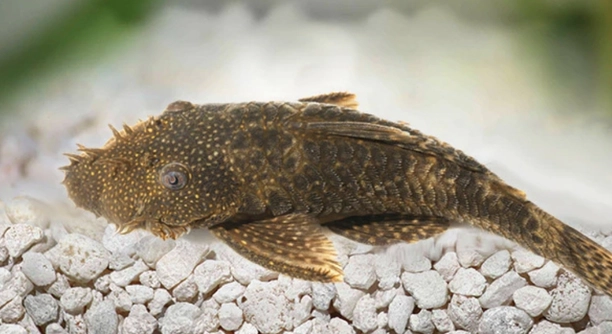
Do plecos are popular freshwater fish, known for their unique patterns and algae-eating habits. Many fishkeepers enjoy watching them glide across the tank, yet their need for comfort and security often goes unnoticed.
Plecos benefit from hiding spots to feel secure, as these areas reduce stress and mimic their natural environment. Providing caves, driftwood, or dense plants allows them to retreat and maintain regular behaviors, supporting overall health and well-being.
Understanding the importance of hiding spots can transform your aquarium setup and help your pleco thrive in a more natural and comfortable habitat.
Why Hiding Spots Matter for Plecos
Plecos are naturally shy and nocturnal fish. In the wild, they spend much of their time hiding under rocks, driftwood, or in crevices along riverbeds. Without proper hiding places in an aquarium, they can become stressed, which may lead to illness or erratic behavior. Stress can reduce their appetite, slow growth, and make them more susceptible to disease. Hiding spots give plecos a sense of safety, allowing them to rest during the day when they are less active. Materials like caves, ceramic ornaments, and densely planted areas mimic natural shelters and help create a secure environment. Driftwood is particularly useful, as many plecos like to graze on the biofilm and algae that grow on it. By providing multiple hiding spots, you can reduce competition with other tank mates and allow plecos to express natural behaviors, improving their overall health and comfort in the tank.
Providing hiding spots keeps plecos calmer and encourages natural activity patterns, enhancing both their health and your enjoyment of the aquarium.
A well-planned tank should include a variety of hiding options. Driftwood, caves, and plants work together to create layers of shelter. Some plecos prefer horizontal surfaces, while others like vertical crevices. Observing your fish’s behavior helps determine the best placement. Avoid overcrowding, but make sure each pleco has a personal retreat. Hiding spots also help reduce stress from more active or aggressive tank mates. Over time, plecos may choose different spots depending on lighting and feeding schedules. Offering multiple locations allows them to move freely and maintain comfort. A thoughtful arrangement encourages exploration while keeping them safe. These hiding areas are more than decoration—they are essential for supporting a healthy, confident fish that behaves naturally in your aquarium.
Types of Hiding Spots for Plecos
Natural elements like driftwood or rocks are ideal, as they replicate the fish’s habitat and offer edible surfaces.
Caves and ceramic ornaments provide secure retreats and help manage territorial behavior. Driftwood also benefits plecos by allowing grazing on algae and biofilm, supporting their diet. Plants offer shade and additional shelter. When choosing hiding spots, ensure they are safe, stable, and free from sharp edges. Observing plecos’ preferences can guide placement, creating a balanced tank where each fish feels secure. A combination of natural and artificial shelters ensures plecos have options, reducing stress and encouraging natural routines throughout the day. Properly arranged hiding spots contribute to a healthier and more active aquarium environment.
Placement Tips for Hiding Spots
Place hiding spots in quiet areas of the tank, away from strong currents and bright lights. This allows plecos to retreat comfortably and reduces stress during the day.
When arranging hiding spots, consider the tank layout and size. Driftwood pieces can be placed horizontally or vertically, depending on the pleco species. Caves and ceramic ornaments should be stable to prevent tipping or injury. Placing plants around hiding spots adds cover and creates natural pathways for exploration. Avoid clustering all hiding spots in one area, as this can create territorial conflicts. Instead, distribute them to allow multiple plecos to have personal retreats, supporting healthy social behavior. Observing how your fish use these areas can guide future adjustments, ensuring the tank remains a safe and comfortable environment.
Monitor plecos after introducing new hiding spots to see their preferences. Some may favor shaded corners, while others use elevated driftwood or caves. Adjust placement over time to encourage movement and natural behaviors. Rotate or add new shelters gradually, letting fish explore at their own pace. Keeping hiding spots varied and accessible improves comfort and reduces stress, supporting overall health and growth.
Choosing Materials for Hiding Spots
Select materials that are safe and non-toxic, avoiding sharp edges or chemically treated items. Natural materials are often best.
Driftwood is highly recommended, as it provides both shelter and surfaces for grazing algae. Smooth rocks and slate create durable caves, while ceramic or resin ornaments offer controlled shapes for retreat. Live plants add visual cover and shade, contributing to a secure environment. Avoid materials that can leach harmful substances or alter water chemistry drastically. When combining different materials, ensure stability to prevent collapse. Observing plecos’ interactions with these spots helps determine which options are most suitable for your tank. A thoughtful selection of materials supports long-term comfort, encourages natural behaviors, and maintains a balanced aquarium environment.
Common Mistakes with Hiding Spots
Overcrowding the tank with hiding spots can stress plecos rather than help them. Too many obstacles restrict swimming space and natural movement.
Placing hiding spots in high-traffic areas or near strong filters can make plecos avoid using them. They need quiet, stable areas to feel secure.
Signs Your Pleco Feels Unsafe
A pleco that constantly hides, stops eating, or scrapes against surfaces may be stressed. Limited movement and erratic swimming also indicate discomfort. Observing these behaviors helps determine if adjustments to hiding spots are needed.
Maintaining Hiding Spots
Regular cleaning is essential. Remove debris and algae build-up to prevent water quality issues.
Adjusting to Multiple Plecos
When housing more than one pleco, ensure each fish has its own retreat. Sharing a single hiding spot can cause territorial disputes and stress, so distribute shelters evenly across the tank to maintain harmony.
FAQ
Do plecos really need hiding spots to feel secure?
Yes, plecos benefit greatly from hiding spots. These fish are naturally nocturnal and shy, spending much of their time in sheltered areas in the wild. Providing caves, driftwood, or dense plants in your tank helps them feel safe, reduces stress, and encourages normal behaviors. Without these retreats, plecos may become anxious, avoid feeding, or display erratic swimming patterns. Multiple hiding spots also help them establish personal territories, especially when multiple plecos or tank mates are present, supporting overall health and comfort.
What types of hiding spots are best for plecos?
Natural materials like driftwood and smooth rocks work very well, as they replicate the pleco’s natural habitat. Driftwood is particularly useful because it provides both shelter and surfaces to graze on algae and biofilm. Caves made from slate or ceramic ornaments offer secure retreats and can be arranged in different orientations to suit various pleco species. Live plants provide shade and additional cover, creating a layered environment that plecos enjoy. When choosing hiding spots, always ensure they are stable and free from sharp edges to prevent injury.
How many hiding spots should I provide in a tank?
The number of hiding spots depends on tank size and the number of plecos. At least two to three hiding areas per fish are ideal. This allows each fish to establish a personal retreat and reduces stress from competition. Even in smaller tanks, providing multiple options is important. Hiding spots should be varied, combining caves, driftwood, and plants, so fish can choose based on comfort and lighting. Observing your plecos over time will show which spots are preferred and if additional shelters are needed.
Where should I place hiding spots in the tank?
Hiding spots should be placed in quiet areas with lower light and minimal water flow. Plecos often prefer corners, shaded regions, or the base of plants. Avoid placing shelters directly under strong filters or near high-traffic areas where other fish may disturb them. Distributing hiding spots evenly helps multiple plecos coexist peacefully. Watching how your plecos interact with these areas over time can guide rearrangement to better suit their needs. Proper placement encourages natural behaviors and helps plecos feel secure throughout the day.
Can hiding spots improve my pleco’s health?
Yes, secure hiding spots can significantly improve a pleco’s health. Reducing stress helps prevent appetite loss, slows the onset of disease, and encourages normal activity. Fish that feel safe are more likely to feed consistently and interact with their environment naturally. Providing hiding areas also supports territorial needs, reducing conflicts with other tank mates. By creating an environment that mimics natural conditions, you promote overall well-being, growth, and longevity. Proper shelter is not just decorative—it is essential for both physical and mental health.
Do plecos prefer natural or artificial hiding spots?
Many plecos favor natural options like driftwood, rocks, and plants because they closely resemble their wild environment. Driftwood also provides edible surfaces, making it more attractive. However, ceramic or resin caves are also accepted, especially if they are smooth and stable. A mix of natural and artificial hiding spots can give plecos choices and increase the likelihood they will use them consistently. Observing your fish will show their preferences and help you adjust the tank setup for optimal comfort and security.
How do I clean hiding spots without stressing my pleco?
Remove and gently scrub driftwood, rocks, and ornaments outside the tank using tank water to preserve beneficial bacteria. Avoid strong chemicals or soaps. For plants, trim dead leaves carefully and rinse under clean water. Cleaning should be done gradually so plecos can continue using other shelters. Rotate cleaning tasks to prevent sudden disruption and maintain water quality. Regular maintenance ensures hiding spots remain safe and appealing while supporting a healthy, stress-free environment.
Will hiding spots prevent aggression in a community tank?
Providing multiple hiding spots helps reduce aggression, especially in tanks with more than one pleco or other territorial fish. Adequate shelters allow each fish to claim its own space, preventing conflicts. Dense plant cover or caves also offers escape routes and reduces visibility, lowering stress from dominance behavior. While hiding spots do not eliminate aggression entirely, they significantly improve coexistence and overall tank harmony. Properly distributed retreats contribute to calmer, healthier fish.
Can I make my own hiding spots for plecos?
Yes, DIY options like clean driftwood, PVC pipes, or stacked smooth rocks can work well. Ensure all materials are safe for aquarium use, free from toxins, and stable to avoid collapsing. Sand or gravel around bases can prevent movement. Adding natural elements like moss or algae growth improves comfort and encourages exploration. DIY shelters are a cost-effective way to provide multiple retreats while customizing the tank layout. Observing plecos’ behavior will show whether they accept the homemade options or prefer other spots.
How often should I update or change hiding spots?
Hiding spots don’t need frequent changes, but occasional rearrangement can encourage natural exploration. Introducing new shelters slowly allows plecos to adapt without stress. Replace damaged or unstable pieces as needed. Adding variety over time keeps the environment stimulating and supports mental well-being. Regular monitoring ensures shelters continue to meet your fish’s comfort and security needs while maintaining a healthy and balanced aquarium setup.
This FAQ provides practical guidance on creating secure environments for plecos, helping them thrive while reducing stress and promoting natural behaviors.
Would you like me to continue with the next headers following your format?
Final Thoughts
Providing hiding spots for plecos is one of the most important steps in creating a healthy aquarium environment. These fish are naturally shy and nocturnal, so they spend much of their time in sheltered areas in the wild. Without safe retreats, plecos can experience stress, which may lead to illness, reduced appetite, or unusual behaviors. A well-planned tank with caves, driftwood, rocks, and plants allows plecos to retreat when needed, helping them feel secure. Each hiding spot should be placed thoughtfully, considering water flow, light levels, and the activity of other tank mates. Proper placement ensures the fish can rest, explore, and feed comfortably while minimizing stress.
When setting up hiding spots, variety and stability are key. Driftwood is particularly valuable because plecos can graze on the biofilm and algae that grow on it, providing both food and shelter. Smooth rocks, slate, and ceramic caves offer different shapes and textures that plecos enjoy. Live plants add natural cover, creating shaded areas and soft boundaries. Avoid overcrowding the tank, as too many obstacles can restrict swimming space and create tension among fish. Observing your plecos’ behavior is the best way to determine whether the hiding spots are being used effectively. Over time, you may notice certain caves or driftwood pieces are preferred, which can guide future adjustments. Offering multiple options ensures that each pleco has its own retreat, reducing territorial disputes and promoting calm behavior.
Regular maintenance and thoughtful adjustments help keep the aquarium both safe and stimulating. Hiding spots should be cleaned periodically to remove algae or debris without disturbing beneficial bacteria. Slowly introducing new shelters or rearranging existing ones encourages exploration while minimizing stress. Providing multiple secure areas not only reduces anxiety but also supports natural behaviors, overall health, and long-term well-being. A tank that includes adequate hiding spots allows plecos to thrive and behave naturally, resulting in a more balanced and harmonious environment. Taking the time to plan, monitor, and maintain these shelters ensures that your plecos remain comfortable, healthy, and active, making the aquarium more enjoyable for both the fish and the keeper.

Hello,
If you enjoy the content that we create, please consider saying a "Thank You!" by leaving a tip.
Every little bit helps us continue crafting quality advice that supports the health, happiness, and well-being of pets around the world, for pets of all shapes, sizes, and species.
We really appreciate the kindness and support that you show us!