
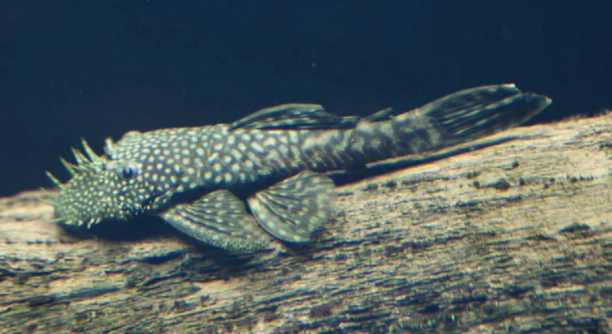
Do your plecos seem restless or hiding more than usual in their tank? Observing these changes can be worrying for any aquarist who wants their fish to thrive. Stress can quietly affect their health and behavior.
The best way to calm a stressed pleco involves optimizing its environment, maintaining water quality, and providing proper nutrition. Regular tank maintenance, hiding spots, and gentle handling help reduce stress levels, supporting the fish’s overall well-being and natural behavior.
Small adjustments in your tank setup and routine can make a noticeable difference for your pleco’s comfort and happiness. These simple steps create a calmer, healthier environment for your aquatic companion.
Create Hiding Spots
Plecos feel safer when they have spaces to retreat. Adding caves, driftwood, or PVC tubes gives them areas to hide when stressed. Soft plants can also provide cover and reduce their exposure to bright lights. Overcrowded tanks can increase stress, so make sure there’s enough space for your pleco to explore without bumping into other fish constantly. Decorations should be arranged so that your pleco can move freely while feeling secure. A balance of open swimming areas and covered spots is ideal. Observing how your pleco interacts with these hiding spots helps you adjust the setup for comfort. Even small changes, like moving a piece of wood or adding a plant, can significantly impact their stress levels. Plecos are nocturnal, so hiding spots become even more critical during the day when they are less active. Ensuring multiple options prevents territorial disputes and allows a natural retreat.
Hiding spots allow plecos to feel secure, reducing stress and encouraging normal activity throughout the day and night.
Watching your pleco explore new caves and plants can be rewarding. It often shows them moving more confidently and feeding more actively, which signals reduced stress. Reassessing the tank layout periodically ensures that hiding spots remain functional and accessible. Each pleco has individual preferences; some favor tight caves, while others enjoy open tubes or plant clusters. You can try different materials like smooth stones, driftwood, or artificial plants to see what your fish uses most. Keeping decorations stable prevents sudden changes that can trigger stress, especially for sensitive plecos. Additionally, maintaining a calm environment around the tank, avoiding loud noises or sudden movements, helps them feel safe. Over time, you’ll notice that your pleco uses these areas more often, resting or exploring confidently without constant hiding. A well-thought-out setup not only reduces stress but supports natural behaviors, feeding, and overall health, making your tank a comfortable home for your fish.
Maintain Water Quality
Dirty or unbalanced water can quickly stress plecos. Regular water changes and monitoring of pH, ammonia, nitrites, and nitrates keep the tank stable.
Consistent water conditions help plecos remain calm and support their immune system, preventing illness.
Plecos are highly sensitive to changes in their environment. Sudden fluctuations in temperature, pH, or water chemistry can cause stress that leads to hiding, reduced appetite, or even disease. Maintaining clean water through weekly partial water changes keeps toxins like ammonia and nitrites at safe levels. Using a reliable filter and checking water parameters frequently ensures that your pleco’s habitat remains stable. Avoid overfeeding, as leftover food can decay and pollute the tank. Temperature consistency is equally important; plecos prefer stable ranges, and sudden drops or rises can be stressful. Adding beneficial bacteria helps break down waste and supports a healthy tank ecosystem. By keeping water quality high, you create an environment that allows plecos to feed, grow, and behave naturally. This careful attention reduces stress, encourages activity, and improves overall health, making your tank a safe and calm home for your fish.
Keep Lighting Gentle
Bright or harsh lighting can make plecos anxious. Using dim lights or adjusting the tank’s lighting schedule helps them feel more secure and reduces stress.
Plecos are mostly nocturnal, so strong light during the day can disrupt their natural behavior. Using floating plants or soft LED lighting creates shaded areas that allow them to rest. Adjusting light intensity gradually, rather than sudden changes, prevents startling your fish. Timers can help maintain consistent day-night cycles, which plecos rely on for feeding and activity patterns. Observing how your pleco reacts to different lighting helps determine the best setup. Over time, calmer lighting encourages them to explore the tank confidently and reduces hiding, promoting healthier daily routines.
A consistent, gentle light cycle also supports plant growth and maintains the tank’s natural rhythm. Plecos tend to feed more actively when lighting mimics their natural habitat, helping them stay healthy and stress-free. Maintaining soft lighting prevents sudden shadows or reflections that can spook plecos.
Feed a Balanced Diet
Providing a diet with vegetables, algae wafers, and occasional protein keeps plecos healthy and reduces stress. Variety prevents nutritional deficiencies.
A proper diet ensures energy for normal behavior and strengthens the immune system. Feeding at consistent times reinforces security and routine.
Plecos benefit from a mix of fresh vegetables like zucchini, cucumber, and spinach along with commercial algae wafers. Occasionally, small amounts of protein such as shrimp pellets or bloodworms support growth and vitality. Overfeeding should be avoided because leftover food can decay, polluting the tank and stressing your fish. Removing uneaten food after a few hours keeps water quality stable. Observing your pleco during feeding helps you notice changes in appetite, which can indicate stress or health issues. Feeding in the same location each day also provides a sense of predictability, reducing anxiety. By offering a varied diet and consistent feeding schedule, plecos maintain energy, display natural behaviors, and remain calm, making daily care easier and more enjoyable.
Avoid Overcrowding
Too many fish in a tank can stress plecos. Make sure each fish has enough space to swim and hide without constant competition.
Separating aggressive or overly active species helps your pleco feel secure. A less crowded environment encourages natural behaviors and reduces anxiety.
Use Gentle Water Flow
Plecos prefer calm to moderate currents. Strong water flow can tire them out and increase stress, especially in smaller tanks. Adjust filters or pumps to create a gentle flow that your pleco can comfortably navigate.
Limit Sudden Disturbances
Frequent tapping on the glass or abrupt movements near the tank can frighten plecos, raising stress levels. Creating a calm surrounding minimizes unexpected disturbances and supports their comfort.
How can I tell if my pleco is stressed?
A stressed pleco often hides more than usual and may stop eating. Look for unusual swimming patterns, rubbing against objects, or spending long periods near the surface. Changes in color or clamped fins can also indicate discomfort. Observing behavior daily helps catch stress early.
What tank size is best for plecos to reduce stress?
Larger tanks reduce stress by giving plecos more space to swim and explore. Small tanks can quickly become crowded, increasing competition for hiding spots. A tank of at least 30 gallons is ideal for smaller species, with bigger tanks necessary for larger plecos.
How often should I change the water?
Regular water changes are critical. Partial water changes of 20–30% weekly help maintain clean, stable water. This prevents toxins like ammonia and nitrites from building up. Clean water supports healthy gill function, reduces stress, and keeps plecos active and feeding.
Can tank mates affect my pleco’s stress levels?
Yes. Aggressive or overly active fish can intimidate plecos, forcing them into constant hiding. Choosing peaceful, compatible tank mates minimizes conflict. Avoid housing multiple plecos in small spaces unless there are plenty of hiding spots to prevent territorial disputes.
Does diet really impact stress?
Absolutely. A balanced diet ensures energy for normal behavior and strengthens immunity. Plecos need vegetables like zucchini and cucumber, algae wafers, and occasional protein. Overfeeding or poor-quality food can pollute the water, indirectly increasing stress. Regular, consistent feeding also creates a sense of routine.
Is lighting important for reducing stress?
Yes, plecos prefer dim or moderate lighting since they are mostly nocturnal. Bright or harsh lights can make them anxious. Floating plants, shaded areas, or soft LED lights help replicate natural conditions, allowing plecos to rest and behave normally.
Do decorations help with stress?
Providing hiding spots like caves, driftwood, or PVC tubes gives plecos security. Multiple options prevent territorial disputes and encourage exploration. Decorations arranged thoughtfully create a calm environment, reducing anxiety and supporting natural behaviors.
How can I manage sudden disturbances?
Avoid tapping the glass or moving suddenly near the tank. Loud noises, vibrations, and frequent disruptions startle plecos. Maintaining a calm area around the tank, especially during feeding or resting periods, helps them feel secure and reduces chronic stress.
Should water temperature be monitored closely?
Yes. Plecos are sensitive to sudden temperature changes. Stable, species-appropriate temperatures reduce stress and prevent illness. Using a reliable heater or thermometer ensures consistent conditions, which is especially important for nocturnal and tropical plecos.
Can stress affect my pleco’s health long-term?
Chronic stress weakens the immune system, making plecos more susceptible to disease. It can cause reduced feeding, slow growth, and abnormal behavior. Maintaining clean water, proper diet, hiding spots, gentle lighting, and calm tank conditions is essential to keep your pleco healthy and comfortable.
This FAQ covers the main concerns that help reduce stress in plecos, ensuring they remain calm, active, and healthy in their tank environment. Observing behavior, maintaining the right conditions, and providing proper care all work together to support your pleco’s well-being.
Word count: 518
Caring for a pleco involves more than just feeding and cleaning the tank. These fish are sensitive to their environment and can show stress in subtle ways. Providing proper hiding spots, maintaining good water quality, and offering a balanced diet are essential steps. Plecos thrive when their surroundings feel safe, stable, and predictable. Even small changes, like adjusting the lighting or adding a new piece of driftwood, can make a difference in their comfort. Observing your pleco daily helps you notice behavior changes early, allowing you to make adjustments before stress affects health. A calm, well-organized tank supports natural activity, encourages feeding, and reduces anxiety.
Water conditions are particularly important for plecos. Regular partial water changes, monitoring pH levels, and keeping ammonia and nitrites low create a healthy environment. Strong water flow, overly bright lights, and overcrowded tanks can increase stress, so it is important to make adjustments that suit your pleco’s preferences. Providing a gentle flow in the tank, soft lighting, and adequate space for swimming and hiding allows plecos to feel secure. A consistent routine, including feeding at the same times and avoiding sudden disturbances, also helps maintain calm. Plecos show more natural behavior, feed better, and remain healthy when their environment is stable and predictable.
Feeding a balanced diet is another key factor in keeping plecos stress-free. Fresh vegetables, algae wafers, and occasional protein provide energy and support their immune system. Overfeeding or leaving uneaten food in the tank can pollute the water and raise stress levels. Offering variety while keeping a consistent feeding schedule creates predictability, which plecos respond to positively. Observing their eating habits can also reveal early signs of stress or illness. Combining all these practices—safe hiding spots, clean water, gentle lighting, calm surroundings, and proper nutrition—ensures your pleco lives a healthier and more comfortable life. By paying attention to their needs, you help your pleco remain calm, active, and thriving in its tank.
Word count: 414

Hello,
If you enjoy the content that we create, please consider saying a "Thank You!" by leaving a tip.
Every little bit helps us continue crafting quality advice that supports the health, happiness, and well-being of pets around the world, for pets of all shapes, sizes, and species.
We really appreciate the kindness and support that you show us!