
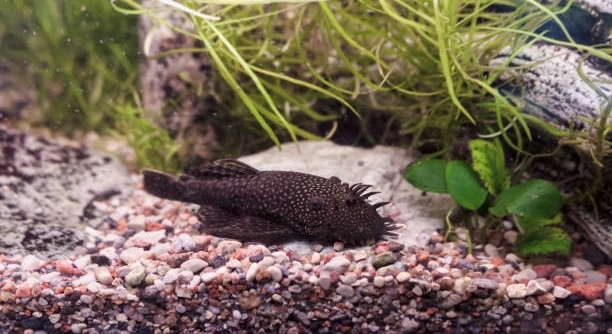
Moving a pleco to a new tank can feel challenging, especially if you want to avoid stressing your fish. Proper preparation and gentle handling make the transition smoother, keeping your pleco calm and healthy during the move.
The key to moving a pleco without stress lies in maintaining stable water conditions, minimizing handling, and gradually acclimating the fish to its new environment. Consistent temperature, clean water, and a careful approach prevent unnecessary stress and health issues.
Following simple, well-planned steps ensures your pleco adjusts comfortably, helping it thrive in its new home while avoiding unnecessary risk or discomfort.
Prepare the New Tank in Advance
Before moving your pleco, make sure the new tank is fully set up. Fill it with clean, conditioned water and check the temperature and pH levels to match the old tank. Add decorations, hiding spots, and substrate so your pleco feels secure immediately. A well-prepared tank reduces stress and encourages natural behavior. Avoid making sudden changes to water chemistry, as plecos are sensitive to fluctuations. Clean the tank thoroughly, but skip harsh chemicals that could linger. Lighting should be gentle, and any filtration system should be running and stable. Keeping the environment consistent will help your pleco settle in faster.
Preparing everything ahead of time saves unnecessary handling and allows the pleco to move in calmly. Minimal disruption helps maintain its health.
Taking the time to set up the new tank carefully makes the transfer smoother. Once the tank is ready, moving the pleco becomes a simple, controlled process. Small details like hiding spots, temperature stability, and water quality are crucial. Ensuring that the new environment mirrors the old one as closely as possible reduces shock. Even minor differences in water parameters can trigger stress responses, so testing and adjusting the water beforehand is essential. Decorations and substrate provide comfort, while a running filter helps maintain oxygen and water circulation. By paying attention to these factors, the pleco feels safe and secure, making adaptation quicker and preventing health problems. Every step focused on stability contributes to a calm and successful transition.
Use a Proper Transport Container
Choose a container that is clean, secure, and large enough for your pleco to move comfortably.
Use a container with smooth surfaces to avoid injury and ensure it has a lid to prevent jumping. Add water from the original tank to reduce stress. Maintain stable temperature by keeping the container in a cool, shaded area and avoid sudden movement. Do not overcrowd; one pleco per container is best. Soft padding like a clean towel can help reduce jostling during transport.
Transporting plecos carefully requires attention to water quality, temperature, and safety. Fill the container partially with tank water to allow space for the fish to breathe and move. Keep the lid secure and avoid rapid shaking. Minimize transport time and handle the container gently. During travel, monitor for sudden changes in temperature, vibrations, or loud noises that may disturb the fish. Using a dark cloth to cover the container can reduce visual stress. For longer trips, check water oxygen levels and consider using an aerator. Planning the route ahead of time and avoiding unnecessary stops ensures the pleco remains calm. When arriving at the new tank, allow a period for acclimation before introducing it fully. Proper preparation and care during transport prevent injuries, stress, and long-term health issues.
Acclimate Your Pleco Gradually
Start by floating the transport bag in the new tank for 15–20 minutes. This helps equalize the water temperature between the container and the tank. Avoid opening the bag immediately to prevent sudden changes that can stress the fish.
After temperature adjustment, slowly add small amounts of tank water to the bag every 5 minutes. This allows the pleco to adjust to the water chemistry gradually, reducing shock. Continue this process for at least 20–30 minutes until the water in the bag matches the tank water. Gradual acclimation minimizes stress and helps your pleco adapt smoothly to its new environment.
Once acclimated, gently release your pleco into the tank. Avoid pouring the bag water directly; instead, use a net if necessary. Ensure the pleco finds hiding spots and observe its behavior closely. Early signs of stress include rapid gill movement or frantic swimming. Maintaining calm and consistent conditions during the first few hours is key to helping your pleco feel secure and begin exploring the tank naturally.
Handle with Care
Always use a soft net or wet hands when handling your pleco to prevent injury.
Plecos have delicate fins and slippery bodies that can tear or get damaged easily. Handle them as little as possible, and never squeeze. Move slowly and calmly to reduce panic, and support the fish’s body if lifting is necessary. Keeping hands wet prevents removing protective slime, which helps the fish fight infections.
During any maintenance or transfer, minimize handling to lower stress. Prepare all necessary equipment beforehand so you can act efficiently. Avoid sudden movements, loud noises, and bright lights during handling. If you need to inspect or move your pleco, do it over a soft, padded surface or directly over the tank to prevent falls. Consistently gentle handling will protect the fish’s health, maintain its natural coating, and build trust between the environment and your pleco’s behavior. Following these practices reduces stress, prevents injuries, and promotes long-term well-being.
Maintain Stable Water Conditions
Check water temperature, pH, and hardness before and after moving your pleco. Sudden changes can cause stress or illness.
Use a reliable thermometer and test kit. Adjust parameters gradually if needed to match the old tank. Consistent conditions help the pleco stay healthy and calm.
Provide Hiding Spots
Plecos feel safer with places to hide. Add caves, driftwood, or plants immediately after moving.
Hiding spots reduce stress and encourage natural behavior. Your pleco will explore the tank more confidently once it feels secure in its environment.
Monitor Feeding
Offer food after the pleco has settled for a few hours. Avoid overfeeding during the first day to prevent digestive stress.
Observing feeding behavior helps identify if the pleco is adjusting well. Provide familiar food types and remove uneaten portions promptly. Maintaining a regular feeding schedule supports health and helps the fish regain normal activity after the move.
Keep the Tank Calm
Minimize loud noises, sudden movements, and bright lights around the new tank.
A calm environment prevents unnecessary stress and allows your pleco to acclimate comfortably.
FAQ
How long should I acclimate my pleco to the new tank?
Acclimation should take at least 20–30 minutes. Float the transport bag in the new tank to equalize the temperature. Gradually add small amounts of tank water every few minutes. This allows your pleco to adjust slowly to the new water chemistry and reduces stress.
Can I move more than one pleco at a time?
It is better to move plecos individually. Each fish requires its own space during transport to prevent injury and stress. Overcrowding can lead to aggression or accidental damage. Using separate containers ensures safety and gives you full control over acclimation for each pleco.
Do I need to feed my pleco before moving it?
It is best to skip feeding for 12–24 hours before moving. Feeding can increase waste in the transport container and affect water quality. A slightly empty stomach reduces digestive stress during transit and keeps your pleco healthier while adjusting to the new tank.
How do I know if my pleco is stressed?
Signs of stress include rapid gill movement, frantic swimming, hiding excessively, or loss of appetite. Some plecos may cling to surfaces more than usual. Observing your pleco closely in the first few hours helps identify stress, allowing you to adjust conditions or provide extra hiding spots.
Can I use tap water in the new tank?
Tap water must be treated with a water conditioner before adding your pleco. Chemicals like chlorine or chloramine are harmful. Testing temperature, pH, and hardness is essential. Properly conditioned water ensures a stable environment that supports your pleco’s health and reduces stress during adaptation.
How do I handle my pleco safely?
Always use a soft net or wet hands. Avoid squeezing or letting the fish flop on hard surfaces. Wet hands prevent removing the protective slime coat, which helps fight infections. Move slowly and calmly to minimize panic, and keep handling to an absolute minimum.
Is it necessary to keep the tank dark during the first few hours?
A dim or covered tank can help reduce stress. Bright lights may startle your pleco and make it retreat excessively. Providing shaded areas or covering the tank lightly allows the fish to adjust to its surroundings without feeling exposed or threatened.
What should I do if my pleco refuses to eat after moving?
Refusal to eat for a day or two is common. Continue observing its behavior and ensure water conditions are stable. Offer familiar foods once the fish appears more comfortable. Avoid overfeeding, as uneaten food can degrade water quality and increase stress.
How can I make the transport safer for long trips?
Keep the container stable and avoid sudden movements. Use soft padding to reduce jostling and maintain a shaded environment. Monitor water temperature and oxygen levels. For longer trips, a small battery-operated aerator can help maintain oxygen. Plan your route to minimize travel time.
Should I remove decorations or substrate during the move?
It’s best to leave decorations and substrate in the new tank rather than moving them. This keeps the pleco in familiar surroundings and reduces the chance of injury. Transport the fish in clean, smooth containers with minimal objects to avoid scratches or entanglement.
How often should I check water parameters after the move?
Check temperature, pH, and ammonia levels within the first 24 hours. Daily monitoring for the next few days ensures the pleco is in a stable environment. Adjustments should be gradual to prevent stress or health issues. Stable water conditions are critical for recovery and adaptation.
What is the best way to help my pleco explore its new tank?
Provide hiding spots, gentle lighting, and minimal disturbance. Plecos explore at their own pace. Avoid chasing or forcing the fish out of hiding. Let it gradually discover the new environment while keeping conditions calm. Patience and observation support confidence and long-term well-being.
This FAQ covers the most common concerns about moving a pleco and keeping it healthy. Following these tips ensures a smoother transfer, less stress, and a faster adjustment to the new tank. Safe handling, stable water, and gradual acclimation are key.
Word count: 518
Final Thoughts
Moving a pleco can feel like a big task, but with proper planning, it becomes much simpler and less stressful for both you and your fish. The key is to prepare everything ahead of time. A clean, well-set-up tank with the correct water parameters, decorations, and hiding spots gives your pleco a safe and familiar environment to settle into. Matching temperature, pH, and hardness as closely as possible to the old tank reduces the risk of stress or illness. Even small details, like soft lighting and minimal noise around the tank, make a noticeable difference in how comfortable your pleco feels during and after the move. Taking these steps shows that careful preparation pays off, and it allows the transition to happen more smoothly.
Handling and transport are equally important in making the move stress-free. Using a soft net or wet hands, avoiding squeezing or sudden movements, and keeping the fish in a secure container with tank water all help prevent injuries. Gradual acclimation to the new tank, adding small amounts of water over time, ensures that your pleco adjusts to new water chemistry without shock. During transport, maintaining stable temperature and avoiding jostling are critical. Even though these precautions may seem small, they all work together to protect your pleco’s health and reduce the chances of stress-related behaviors, such as hiding excessively, refusing to eat, or rapid gill movement.
After the move, it is important to observe your pleco closely while giving it space and time to adjust. Providing familiar foods, a calm environment, and plenty of hiding spots helps your pleco explore at its own pace. Daily monitoring of water quality ensures stability and prevents problems that can arise from sudden changes in ammonia or pH levels. Remember, every pleco adapts differently, so patience is essential. By focusing on preparation, careful handling, and a stable environment, you can make moving a pleco a manageable task. Following these steps not only protects your pleco’s health but also encourages natural behavior, allowing it to thrive in its new tank without unnecessary stress.
Word count: 404

Hello,
If you enjoy the content that we create, please consider saying a "Thank You!" by leaving a tip.
Every little bit helps us continue crafting quality advice that supports the health, happiness, and well-being of pets around the world, for pets of all shapes, sizes, and species.
We really appreciate the kindness and support that you show us!