
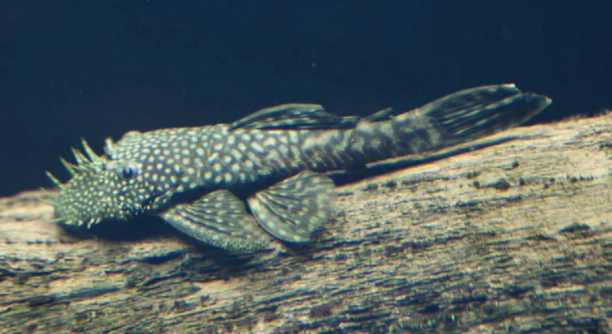
Plecos are fascinating freshwater fish that brighten any aquarium with their unique patterns and behaviors. Ensuring they receive proper lighting is essential for their health, growth, and activity. Light plays a subtle yet important role in their daily routine.
Plecos require moderate, indirect lighting to maintain their natural circadian rhythm, support algae growth for grazing, and prevent stress. Excessive or insufficient light can disrupt these patterns, impacting feeding behavior, coloration, and overall health. Careful observation ensures optimal lighting conditions.
Proper light management benefits both plecos and the aquarium environment. Learning the signs of adequate lighting will help maintain a healthy and balanced tank ecosystem.
Signs Your Pleco Is Getting Enough Light
Plecos show subtle cues when their lighting needs are met. Healthy plecos are active during their usual hours and maintain a consistent grazing pattern on algae or biofilm in the tank. Their colors appear vibrant, with patterns that are distinct and clear. Proper light exposure encourages natural behaviors, including hiding during bright hours and emerging when light softens. Observing your pleco’s daily routine can reveal much about its comfort level. If you notice consistent feeding habits, alert movements, and natural responses to light changes, these are strong indicators that the lighting setup is suitable. Over time, adequate lighting supports not just visibility but also physiological health, promoting proper metabolism and stress reduction. Adjusting the light gradually can prevent sudden behavior changes and ensure the fish acclimates naturally. Monitoring tank plants alongside plecos provides additional insight, as thriving plants often signal appropriate light levels that also benefit your fish’s overall environment.
Consistent behavior, alert movements, and vibrant patterns are key signs that plecos are receiving sufficient and suitable light.
Regularly checking how your pleco interacts with its environment helps maintain optimal lighting. Observing feeding times, resting spots, and color vibrancy gives a clear picture of lighting adequacy. Subtle changes, such as lethargy or faded patterns, indicate adjustment is needed. Setting a proper day-night cycle, avoiding overly bright or harsh lights, and mimicking natural conditions helps the fish stay healthy. Additionally, monitoring plant growth alongside pleco behavior provides extra assurance that light levels are balanced. Overexposure can stress plecos, causing hiding or erratic swimming, while too little light reduces grazing activity. Keeping a stable routine allows plecos to follow natural rhythms and remain active during their preferred periods. By noting these cues daily, you can maintain an environment that supports both the fish and the tank ecosystem. Lighting should complement water temperature, filtration, and feeding schedules for overall well-being. Small adjustments over time prevent shock and promote long-term health.
Adjusting Light Levels for Optimal Health
Small changes in light duration or intensity can improve pleco health. Gradual adjustments prevent stress.
Finding the perfect light balance for plecos requires careful observation and incremental changes. Start by setting a consistent day-night cycle that mimics their natural habitat, usually around 10 to 12 hours of light. Use indirect or diffused lighting to prevent harsh exposure, which can cause stress or encourage hiding. Monitor the fish’s behavior closely after each adjustment. If the pleco remains active, feeds regularly, and displays vibrant colors, the changes are appropriate. Conversely, excessive hiding, lethargy, or faded patterns indicate the need for correction. Consider the interaction between light and algae growth, as healthy algae provide a natural food source and contribute to environmental enrichment. Light should support both visual appeal and biological needs without disrupting circadian rhythms. Maintaining consistent intensity and timing promotes long-term well-being, while flexibility allows adaptation to seasonal or tank-specific factors. Documentation of light settings and fish responses can guide future adjustments.
Proper light ensures balanced algae growth and encourages natural pleco behaviors. Regular monitoring is essential to maintain these benefits.
Choosing the Right Light for Plecos
Selecting suitable lighting is crucial for plecos’ health and activity. Indirect, moderate light prevents stress and encourages natural behaviors. Avoid overly bright bulbs that can cause hiding or erratic swimming patterns.
Choosing the right light involves considering both intensity and spectrum. Plecos thrive under soft, diffused lighting that mimics their natural environment. LED lights with adjustable settings are ideal because they allow control over brightness and duration. Full-spectrum bulbs support plant growth, which indirectly benefits plecos by promoting natural grazing opportunities. Avoid harsh, direct lighting that can overwhelm your fish and disrupt their day-night cycle. Proper placement ensures even coverage while preventing shaded dead zones in the tank. Monitoring how plecos respond to lighting changes helps fine-tune the setup. Gradual adjustments prevent stress and encourage regular activity.
Light spectrum also matters for observing color patterns and behavior. Warm-toned lighting enhances pleco coloration, making patterns stand out while supporting algae growth. Blue or cooler tones simulate deeper water conditions. Combining light types can create a balanced environment that meets both biological and aesthetic needs. Maintaining a predictable schedule reinforces their circadian rhythm, encouraging consistent feeding and resting habits. Regular evaluation of pleco responses, including activity levels, color vibrancy, and grazing patterns, ensures light settings remain appropriate. This approach provides both a visually appealing tank and a healthy, stress-free environment for your fish.
Monitoring Pleco Behavior Under Light
Watching pleco behavior under different lighting helps identify optimal conditions. Active grazing and regular movement indicate comfort, while hiding suggests stress or imbalance.
Behavioral observation is key for understanding pleco lighting needs. Fish that are active during softer light periods, feed consistently, and explore the tank freely show they are comfortable. Sudden changes in swimming patterns, increased hiding, or reduced grazing suggest adjustments are needed. Keep notes on activity levels, preferred hiding spots, and feeding responses to track trends. Light cycles should be consistent, allowing plecos to follow natural rhythms. Tank decor, plant placement, and water clarity can affect light distribution, so consider these factors when monitoring behavior. Gradual changes in intensity or duration help the fish acclimate without stress. Observation over several weeks gives a reliable picture of lighting suitability.
In addition to general activity, color vibrancy and fin movement reveal how well plecos adapt to light. Healthy plecos display bright, clear patterns and smooth, steady movements. Stress can manifest as faded coloration, clamped fins, or erratic swimming. Algae consumption is another indicator; plecos feeding regularly on tank surfaces suggest appropriate light levels. Combining behavioral cues with environmental factors allows precise adjustments. Balancing light with other aspects like filtration, temperature, and plant density ensures overall tank harmony. Systematic monitoring reduces the risk of long-term stress or health issues, creating a stable and supportive environment.
Adjusting Light Duration
Light duration affects pleco health and activity. Maintaining a consistent day-night cycle helps regulate their behavior and supports natural grazing patterns.
Gradual changes in light duration prevent stress. Sudden shifts can cause hiding, lethargy, or disrupted feeding. Aim for 10–12 hours of light daily, adjusting slowly to find the balance that keeps plecos active without overexposure.
Using Timers for Consistency
Timers create a predictable light schedule, reducing stress. Automated cycles mimic natural day-night patterns and simplify tank maintenance.
Effects of Improper Lighting
Improper lighting can lead to faded colors, decreased activity, and poor algae growth. Plecos may hide excessively or show irregular feeding habits if light is too intense or too dim. Consistent monitoring helps prevent these issues.
Balancing Light With Tank Decor
Tank decor can block or reflect light. Proper placement ensures even distribution, supporting both plecos and plants.
FAQ
How much light do plecos need daily?
Plecos thrive under a moderate light schedule, generally 10 to 12 hours a day. Maintaining consistency helps regulate their circadian rhythm, feeding patterns, and activity levels. Avoid sudden changes, as abrupt shifts can stress the fish and affect behavior. Gradual adjustments ensure comfort and adaptability.
Can plecos get too much light?
Yes, excessive light can cause stress, reduce activity, and encourage hiding. Overexposure may also lead to algae overgrowth that is difficult to manage. Using indirect or diffused lighting prevents harsh conditions, creating a calm environment for your fish. Observing behavior helps determine if light levels are appropriate.
What type of light is best for plecos?
Soft, indirect LED lights with adjustable intensity are ideal. Full-spectrum bulbs support plant growth and enhance the fish’s natural coloration. Blue or cooler-toned lighting can mimic deeper water conditions, while warmer tones highlight patterns. Combining these can create a balanced environment.
How do I know if my pleco is stressed by light?
Stress signs include hiding for long periods, faded coloration, clamped fins, and erratic swimming. Reduced grazing or sudden inactivity also indicate discomfort. Monitoring these behaviors daily helps ensure the fish remain healthy and active.
Should I use a timer for lighting?
Timers are highly recommended. They maintain a consistent day-night cycle, reducing stress and preventing overexposure. Automatic schedules simplify tank management while supporting natural behaviors. Gradual changes in duration can be programmed to help plecos adapt to seasonal shifts.
Does light affect algae growth for plecos?
Yes, light influences algae, which is a natural food source for plecos. Moderate lighting promotes steady growth, supporting grazing habits. Too much light can cause uncontrolled algae blooms, while too little may reduce available food. Observing both plants and fish ensures balance.
Can plecos live in low-light tanks?
Plecos can survive in low-light conditions, but optimal activity and coloration may decline. Limited light can reduce algae growth, impacting feeding. Adding indirect light or providing algae supplements ensures they receive proper nutrition and maintain healthy behavior.
How do I adjust light without stressing my pleco?
Make small, gradual changes over several days or weeks. Reduce intensity or duration incrementally, observing reactions closely. Avoid sudden shifts in lighting, as abrupt changes can lead to hiding, lethargy, or irregular feeding patterns. Consistency is key for a stress-free environment.
Does tank decoration affect lighting for plecos?
Yes, decorations, rocks, and plants can block or reflect light, creating shaded areas or uneven exposure. Proper placement ensures even lighting across the tank, supporting algae growth and natural fish activity. Adjust light positions as needed to maintain balance.
What’s the role of light in pleco health?
Light influences circadian rhythm, feeding, activity, and coloration. Adequate lighting supports stress reduction, proper metabolism, and natural behaviors. Observing responses to light adjustments helps maintain a healthy, balanced environment for both fish and plants.
Can seasonal changes affect pleco lighting needs?
Yes, seasonal shifts in daylight may require minor adjustments. Gradually modifying light duration maintains consistency and prevents stress. Using timers and monitoring behavior ensures plecos remain active and healthy year-round.
Is indirect light better than direct light?
Indirect, diffused light is preferred. Direct, harsh light can cause hiding, stress, and irregular behaviors. Indirect lighting mimics natural conditions and encourages regular activity, proper grazing, and consistent coloration.
How do I balance light for both plants and plecos?
Use moderate full-spectrum lighting that supports plant growth without overwhelming the fish. Adjust duration and intensity gradually to accommodate both algae and plant health. Observing pleco activity and plant vitality ensures a balanced environment.
Can plecos adapt to new lighting setups quickly?
Plecos adapt slowly. Sudden changes may cause stress or hiding. Gradual adjustments in intensity and duration allow acclimation. Monitoring behavior and feeding ensures the transition is smooth and maintains overall health.
What should I do if plecos are inactive under current lighting?
Assess light intensity, duration, and spectrum. Ensure there are shaded areas and gradual transitions between bright and dark zones. Adjust settings slowly and monitor activity. Reduced activity can also indicate other tank issues, so consider water quality and temperature alongside lighting.
Are there long-term effects of poor lighting on plecos?
Yes, inadequate lighting can lead to stress, weakened immune systems, reduced growth, poor coloration, and irregular behavior. Consistent, suitable lighting promotes long-term health, supporting natural feeding, activity, and metabolic functions. Proper observation and adjustments prevent long-term problems.
How can I track if lighting is optimal?
Monitor pleco behavior, grazing patterns, color vibrancy, and activity levels. Track plant and algae growth, and note any hiding or lethargy. Consistent observation over weeks provides insight into whether adjustments are needed to maintain a healthy environment.
Does lighting affect breeding behavior in plecos?
Yes, proper lighting supports natural rhythms that encourage breeding activity. Consistent day-night cycles and gradual transitions help create conditions conducive to mating, while improper lighting can reduce breeding interest or success.
Can multiple plecos share the same light setup?
Yes, but consider tank size and hiding spots. Adequate space and evenly distributed lighting ensure all fish receive appropriate exposure. Observing interactions and activity helps prevent dominance-related stress.
How often should I review my pleco lighting setup?
Regular review every few weeks is recommended. Observe fish behavior, algae growth, and plant health. Adjust light intensity, duration, or placement as needed to maintain optimal conditions and prevent stress or health issues.
Does water clarity influence lighting for plecos?
Yes, murky or tinted water reduces light penetration, affecting visibility and algae growth. Clear water ensures even distribution, supporting both pleco activity and natural behaviors. Monitor water quality alongside light for best results.
Can plecos survive without light at all?
Plecos can survive in complete darkness temporarily, but long-term absence of light affects feeding, behavior, and overall health. Providing at least indirect or low-level light ensures proper circadian rhythm, activity, and access to natural food sources.
What is the easiest way to test if lighting is sufficient?
Observe activity, grazing, and color vibrancy. Healthy, active plecos with vibrant patterns and consistent feeding indicate adequate light. Combine behavioral observation with monitoring algae and plant growth to confirm optimal conditions.
Final Thoughts
Proper lighting is an essential part of keeping plecos healthy and active. It directly affects their behavior, feeding patterns, and overall well-being. When plecos receive the right amount of light, they are more likely to maintain natural routines, including grazing on algae, exploring their tank, and resting in shaded areas. Observing these behaviors consistently helps identify whether adjustments are needed. Healthy plecos are usually more active during periods of moderate light and will seek cover or hide during brighter conditions. Maintaining a predictable day-night cycle supports their natural rhythm and reduces stress, which is vital for long-term health. Consistency is just as important as intensity, and small, gradual changes are preferable over sudden shifts that could disturb their behavior.
Choosing the right lighting setup involves several considerations. Soft, indirect LED lights or full-spectrum bulbs are often the best options because they provide adequate illumination without being overwhelming. These types of lights also support plant growth, which indirectly benefits plecos by encouraging natural grazing habits. The spectrum and tone of the light can enhance pleco coloration, making patterns more distinct, while cooler or warmer tones can replicate natural water conditions. Proper placement of lights ensures that all areas of the tank are evenly lit, while shaded spots remain available for hiding. Using timers can further improve consistency by automating the day-night cycle and reducing the risk of overexposure. Monitoring how plecos respond to light adjustments allows you to fine-tune settings for both comfort and overall tank balance.
Regular observation and awareness of subtle changes are crucial. Plecos may show signs of stress if lighting is too strong, too dim, or inconsistent. Indicators include hiding for prolonged periods, reduced grazing, faded colors, or erratic swimming. By keeping track of their activity, color vibrancy, and feeding behavior, adjustments can be made early, preventing long-term issues. Environmental factors like tank decor, water clarity, and plant density also influence how light reaches your plecos, so it is important to consider the entire setup. A well-planned lighting approach not only ensures the health of the plecos but also promotes a thriving tank ecosystem. Over time, maintaining appropriate light levels contributes to consistent behavior, robust coloration, and a balanced environment where both fish and plants can flourish together.

Hello,
If you enjoy the content that we create, please consider saying a "Thank You!" by leaving a tip.
Every little bit helps us continue crafting quality advice that supports the health, happiness, and well-being of pets around the world, for pets of all shapes, sizes, and species.
We really appreciate the kindness and support that you show us!