
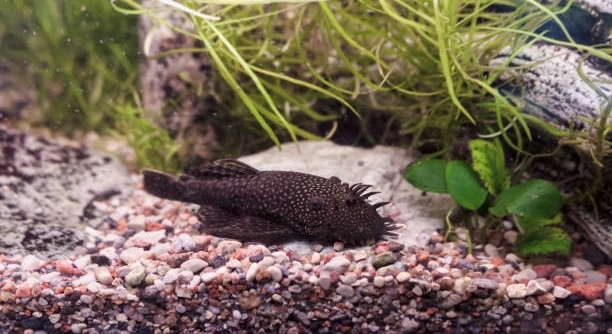
Is your pleco moving around more at night and rearranging the substrate in your aquarium? Many owners notice small holes or dug-up areas and wonder why their peaceful fish suddenly become active after dark.
Plecos dig holes at night primarily due to natural nocturnal behavior and territorial instincts. They excavate substrate to create hiding spots, forage for food, or establish breeding areas. Environmental factors such as tank setup, substrate type, and available shelter influence this activity.
Observing your pleco’s digging habits can provide insight into its needs, health, and environment, helping you maintain a balanced and comfortable aquarium.
Understanding Nocturnal Digging
Watching my pleco at night always reminds me how active these fish can be once the lights go off. Plecos are naturally nocturnal, meaning their most active hours are after dark. Digging is a part of their instinctive behavior, often linked to foraging for food or exploring their surroundings. In a tank without sufficient hiding spaces or soft substrate, they might dig more aggressively. Observing the patterns of their activity can reveal what they need, whether it is extra shelter, softer substrate, or more stimulation. Additionally, some species dig to create territories or nesting areas. Providing logs, caves, or dense plants can help reduce stress and prevent excessive digging. Understanding these habits allows you to accommodate their natural behavior while keeping the tank clean and balanced. A little adjustment in the tank setup can make a noticeable difference in how they behave overnight.
Nocturnal digging is normal and often indicates a healthy, active pleco adjusting to its environment.
Ensuring the right environment is key. Plecos thrive with soft substrate, hiding places, and a clean tank. Sand or smooth gravel is preferred, as it allows safe digging without injuring their fins or undersides. Driftwood, rocks, and caves provide secure areas where they can rest during the day and feel comfortable digging at night. Proper feeding routines are also important; well-fed plecos are less likely to dig excessively for food. Tank size matters too—overcrowded tanks can increase stress and lead to more digging. Monitoring water quality is essential because poor conditions can change their behavior, making them restless and more likely to disturb the substrate. Observing their nightly patterns gives insight into their health, preferences, and comfort level, allowing adjustments to keep them happy while maintaining a clean tank environment.
Feeding and Substrate Considerations
Diet affects digging behavior.
Plecos may dig at night searching for food that has settled in the substrate. Offering a balanced diet with sinking pellets, vegetables, and occasional protein treats reduces this need. Soft substrates like sand or fine gravel encourage safe digging and prevent injury. Hard, sharp substrates can lead to abrasions or stress, making the fish more restless. Changing the substrate to one that allows natural behavior without damage can reduce digging while keeping the tank clean. Providing hidden food occasionally mimics natural foraging but limits excessive substrate disruption. Observing their response to diet and substrate changes is key to maintaining their health and overall activity levels. Adjusting feeding schedules to align with nocturnal activity can also reduce unnecessary digging, keeping the tank tidy while meeting their instinctive needs. A well-fed pleco with proper substrate digs less destructively and shows healthier behavior patterns overall.
Tank Setup and Hiding Spaces
Plecos need secure areas to feel comfortable. Caves, driftwood, and dense plants allow them to rest and reduce excessive digging at night.
Providing proper hiding spaces mimics their natural environment. Plecos are territorial, so they benefit from multiple shelters to claim their own space. Logs, PVC pipes, or commercially available aquarium caves give them options to retreat. Without adequate hiding spots, plecos may dig more aggressively, trying to create their own secure areas. Arranging shelters with enough space in between reduces stress and prevents conflicts with tank mates. A well-structured tank encourages natural behavior while keeping digging contained and controlled. Observing how your pleco interacts with these spaces can guide adjustments to optimize the layout.
Substrate placement matters as well. Fine sand or smooth gravel allows plecos to dig safely while creating natural burrows. Uneven or harsh substrate can cause injuries or stress, leading to restless digging. Spacing decorations and plants carefully gives them room to explore while minimizing chaos in the tank.
Monitoring Water Quality
Stable water conditions support healthy behavior. Sudden changes in pH, temperature, or ammonia levels can increase nocturnal digging.
Maintaining water quality requires consistent testing and regular maintenance. Plecos are sensitive to pollutants and shifts in water parameters. Uneaten food and waste contribute to ammonia buildup, which can cause stress and restless digging. A proper filtration system and regular water changes are essential to keep conditions optimal. Monitoring temperature and pH ensures the tank environment remains stable, reducing stress-induced behaviors. Adjusting water conditions gradually prevents shock, allowing plecos to remain calm and maintain their natural nocturnal routines. Observing their behavior alongside water parameters helps identify if digging is related to environmental stress or natural activity.
Nighttime Activity Patterns
Plecos are naturally more active at night. This nocturnal behavior includes exploring, foraging, and digging in the substrate. Their activity is instinctive and does not usually indicate a problem.
Adjusting lighting schedules can help manage activity. Dim or timed lighting encourages natural patterns and reduces stress-related digging.
Breeding and Territorial Behavior
During breeding periods, plecos become more territorial. Digging holes or rearranging the substrate is part of creating a suitable nesting area. Males often guard these spots while females lay eggs, making nighttime activity more noticeable. Providing enough space and multiple shelters reduces conflicts and supports natural reproduction behavior.
Environmental Stress
Changes in water, tank mates, or decorations can increase nocturnal digging. Plecos react to stress by seeking safety through digging.
FAQ
Why is my pleco digging so much at night?
Digging is often a natural nocturnal behavior. Plecos are more active at night and use this time to explore, forage, or create hiding spaces. Lack of shelter or soft substrate can make digging more noticeable. Adjusting the tank layout and adding caves or driftwood can help.
Is nighttime digging harmful to my pleco?
Generally, no. Digging is a normal behavior as long as the substrate is safe. Fine sand or smooth gravel prevents injuries. Avoid sharp or coarse substrates, as these can damage fins and undersides. Observing their activity ensures they remain healthy while digging naturally.
How can I reduce excessive digging?
Providing hiding spaces, proper substrate, and a structured environment helps. Logs, caves, and plants give plecos options to feel secure. Feeding properly and offering a balanced diet reduces the need to dig for food. Consistent water quality also decreases stress-driven digging.
Do plecos dig more during breeding?
Yes. During breeding, males often create nests by digging holes or moving substrate. This is normal and shows healthy reproductive behavior. Providing multiple shelters and enough space reduces territorial disputes and stress during this period.
Does diet affect digging behavior?
Yes. Plecos may dig in search of food that sinks into the substrate. Offering sinking pellets, vegetables, and occasional protein treats reduces the need for excessive substrate digging. Proper feeding schedules also help keep activity balanced at night.
Can tank mates cause increased digging?
Yes. Aggressive or overly active tank mates may stress plecos, leading them to dig more as a defensive or escape behavior. Ensuring compatible tank mates and providing hiding spaces reduces this stress and helps maintain natural nocturnal routines.
How does substrate type influence digging?
Soft substrates like sand or smooth gravel are ideal. Plecos can dig safely without hurting themselves. Hard or sharp gravel may cause abrasions, leading to restlessness and more aggressive digging. Arranging the substrate evenly and allowing space around decorations encourages safe digging behavior.
Should I worry about water quality affecting digging?
Absolutely. Sudden changes in pH, temperature, or ammonia levels stress plecos, making them more active at night and more likely to dig. Consistent water testing, proper filtration, and regular water changes keep them calm and maintain normal behavior patterns.
Do plecos dig for hiding or exploring?
Both. Plecos use digging to create hiding spaces and to explore their environment. Providing caves, driftwood, and plant cover supports these instincts while minimizing damage to the tank. Observing their digging patterns helps identify their specific needs.
Can nighttime digging be completely stopped?
Not entirely, and it shouldn’t be. Digging is a natural behavior. The goal is to manage it safely by offering proper substrate, hiding spots, and a clean environment. Supporting their natural instincts ensures a healthy, happy pleco without excessive tank disruption.
How do I know if digging is a sign of stress?
Excessive or destructive digging, paired with loss of appetite or hiding during the day, may indicate stress. Check water quality, tank mates, and tank setup. Adjusting these factors often reduces stress-related digging while maintaining healthy nocturnal activity.
Are there specific times when digging is worse?
Yes. Digging is often more noticeable at night due to natural nocturnal activity. During breeding periods, it can increase, and after changes in the tank setup or water parameters, plecos may dig more frequently. Tracking their patterns helps predict and manage activity.
Does lighting affect nighttime digging?
Indirectly. Bright lights can stress plecos and alter their natural nocturnal behavior. Using dim lighting or timers helps maintain consistent night-day cycles and reduces anxiety-driven digging. Observing their behavior under adjusted lighting gives insight into their comfort levels.
Can digging damage plants or decorations?
Yes, plecos may uproot plants or move lightweight decorations while digging. Using heavier or anchored plants and arranging decorations to withstand digging minimizes damage while still supporting natural behavior.
How can I make digging safer for my pleco?
Choose soft substrate, provide shelters, maintain good water quality, and feed appropriately. Spacing decorations to allow free movement and exploration reduces risk of injury. These adjustments support nocturnal habits safely.
Is digging linked to boredom?
Sometimes. Plecos in unstimulating tanks may dig more out of curiosity or boredom. Providing varied environments, hiding spots, and occasional enrichment items helps reduce unnecessary digging and encourages healthy nighttime activity.
How long should I expect my pleco to dig each night?
Activity levels vary by species, age, and tank setup. Some may dig briefly, others for longer periods. Monitoring their patterns helps understand normal behavior and informs adjustments to substrate, shelters, and feeding schedules.
Can digging indicate illness?
Rarely. While normal digging is healthy, excessive or frantic digging paired with other symptoms—like lethargy, discoloration, or abnormal breathing—may indicate illness. Monitoring health and water quality is important to differentiate natural behavior from health concerns.
Does tank size matter for digging behavior?
Yes. Crowded tanks limit space and increase stress, which can lead to more digging. Larger tanks allow plecos to establish territories and dig naturally without conflict. Properly scaled tanks support healthy nocturnal behavior and overall wellbeing.
How do I track my pleco’s digging habits?
Observing nighttime activity, noting substrate changes, and monitoring shelter use helps identify patterns. Regular observation informs adjustments in tank setup, feeding, and water quality to maintain healthy, safe digging behavior.
What is the safest substrate depth for digging?
A few inches of fine sand or smooth gravel is usually enough. Too shallow prevents proper digging; too deep may trap debris. Observing their activity helps adjust depth for safety and comfort.
Are all pleco species equally likely to dig?
No. Some species, like bristlenose plecos, dig more than others. Researching your pleco’s natural behavior guides expectations and tank setup adjustments. Providing species-specific shelters and substrate helps support their instincts safely.
Can rearranging the tank reduce digging?
Yes. Creating multiple hiding spots and arranging decorations to allow exploration reduces stress and territorial digging. Avoid frequent rearrangement, as sudden changes can increase nighttime digging until fish adapt.
Do plecos dig more in new tanks?
Often. New tanks can increase activity as plecos explore and claim territories. Providing temporary shelters, soft substrate, and monitoring water quality helps ease their adjustment while allowing natural digging behavior.
Can digging help keep the tank clean?
Indirectly. Digging can expose trapped debris or uneaten food, making it easier to remove during maintenance. Observing how plecos interact with substrate helps maintain cleanliness while supporting natural activity.
How do I balance natural digging with tank aesthetics?
Use anchored plants, heavier decorations, and well-placed shelters. This allows plecos to dig safely while maintaining an organized appearance. Understanding their habits lets you design a tank that accommodates activity without constant disruption.
Should I worry if digging patterns change suddenly?
Yes. Sudden changes may indicate stress, illness, or water quality issues. Checking tank parameters, health, and environmental changes helps determine whether adjustments are needed to restore normal behavior.
How long does it take for plecos to settle into a new tank?
It can take days to weeks. During this time, digging may increase as they explore and establish territories. Providing hiding spots, soft substrate, and stable water conditions helps them adjust safely.
Can I prevent nighttime digging completely?
No. Nighttime digging is a natural behavior. The goal is to manage it safely through proper substrate, hiding spaces, and a clean environment, not eliminate it entirely. Supporting instincts keeps plecos healthy and reduces destructive digging.
Are there signs that digging is excessive?
Yes. Signs include uprooted plants, damaged substrate, frantic or constant movement, and stress indicators like hiding during the day. Adjusting tank setup, feeding, and water quality usually reduces excessive activity.
Does age affect digging behavior?
Younger plecos are often more active and dig more while exploring. Older plecos may settle into routines but still display nocturnal digging for foraging or territory. Observing age-related changes helps maintain a suitable environment.
Can digging indicate reproductive readiness?
Yes. Males digging holes or moving substrate often signal nest preparation. Providing multiple shelters reduces competition and supports natural reproductive behavior.
How does tank enrichment affect digging?
Adding hiding spots, decorations, and varying feeding locations provides stimulation. Enriched tanks reduce unnecessary digging caused by boredom and encourage healthy nocturnal activity.
Are there signs that digging is harmful?
Yes. Injuries, fin damage, or stress-related behavior indicate unsafe digging conditions. Adjusting substrate, shelters, and tank maintenance ensures safe activity and supports health.
How do I maintain balance between natural digging and cleanliness?
Regular substrate cleaning, proper feeding, anchored decorations, and observing behavior maintains balance. Supporting instincts while preventing mess keeps the tank healthy and visually appealing.
Can digging affect other fish in the tank?
Yes. Territorial or excessive digging can disturb tank mates, especially smaller or passive species. Providing ample shelters and space minimizes conflict and allows coexistence.
Does water temperature influence digging?
Indirectly. Comfortable temperatures reduce stress and encourage normal nocturnal activity. Extreme temperatures can increase restlessness and substrate digging. Regular monitoring helps maintain stable conditions.
What should I do if digging becomes destructive?
Reassess substrate, shelters, water quality, and diet. Making adjustments to accommodate natural behavior safely reduces destructive digging and supports pleco wellbeing.
Can lighting cycles help manage digging?
Yes. Using timers or dim lighting supports natural nocturnal behavior, reducing stress-induced digging and helping plecos maintain consistent activity patterns.
Are there specific decorations that encourage or discourage digging?
Anchored plants, heavy rocks, and driftwood provide secure areas for digging. Lightweight or unstable decorations may be moved or uprooted, increasing messy activity.
How often should I observe my pleco to monitor digging?
Nightly observation for the first few weeks, then periodically, ensures you understand patterns, identify stress, and adjust tank setup for safe activity.
Do plecos dig differently in planted tanks?
Yes. Dense plants may reduce digging in open substrate but encourage movement around roots. Soft substrate around plants supports safe exploration and natural behavior.
Is digging more common in certain tank sizes?
Smaller tanks can increase territorial digging due to limited space. Larger tanks allow more natural exploration and reduce stress-driven digging.
Can substrate depth changes influence digging?
Yes. Shallow substrate may prevent proper digging, while very deep substrate can trap debris. Observing activity helps determine optimal depth for safety and comfort.
Should I provide multiple types of hiding spots?
Yes. Different shelters cater to various behaviors, including resting, foraging, and territorial claims. Multiple options reduce stress and excessive digging while supporting natural instincts.
Does digging behavior change with feeding schedules?
Yes. Plecos may dig more if food is insufficient or not reaching the substrate. Aligning feeding with natural nocturnal activity can reduce unnecessary digging.
Can digging indicate boredom or lack of stimulation?
Yes. Bored plecos may dig excessively to explore or occupy themselves. Adding decorations, enrichment, and feeding variety helps reduce unnecessary activity.
How can I encourage safe digging?
Use soft substrate, provide shelters, maintain water quality, and offer proper nutrition. Safe digging supports natural behavior without damage or stress.
Does species affect digging style?
Yes. Some plecos dig gently, others move larger amounts of substrate. Knowing your species’ habits helps manage tank setup and reduce mess or stress.
Are there signs that digging is linked to illness?
Frantic, constant digging combined with lethargy, discoloration, or abnormal breathing may indicate health issues. Observing symptoms alongside digging helps identify problems early.
Can digging interfere with other tank maintenance?
Yes. Displaced substrate or uprooted plants may require more frequent cleaning. Arranging decorations and substrate thoughtfully reduces extra maintenance while supporting natural behavior.
Is digging more frequent in newly established tanks?
Yes. Plecos explore and establish territories more actively in new tanks. Providing temporary shelters and monitoring water quality helps them adjust safely while exhibiting natural behavior.
How do I know if my pleco is happy with its digging spots?
Consistent use of shelters, gentle substrate movement, and calm behavior indicate comfort. Observing habits over time helps ensure they are satisfied with tank arrangements.
Can digging patterns change seasonally?
In indoor tanks, seasonal changes are minimal, but slight temperature or light fluctuations can alter activity. Observing patterns helps maintain consistent comfort.
How do I provide enrichment that complements digging?
Introduce anchored plants, driftwood, and hidden food in substrate. These encourage safe exploration and satisfy natural instincts without excessive disruption.
Does tank lighting intensity affect digging behavior?
Bright lights may stress plecos and reduce activity. Timed or dim lighting supports natural nocturnal routines and reduces stress-related digging.
How can I ensure digging doesn’t harm tank mates?
Provide sufficient shelters, soft substrate, and space. Monitor interactions to prevent territorial disputes and reduce risk to other fish.
Are certain substrates better for breeding plecos?
Yes. Soft sand or smooth gravel allows males to create nests safely. Combined with caves and hiding spots, it supports natural reproductive behavior while minimizing injury.
Can digging become obsessive?
Excessive, frantic, or damaging digging may indicate stress, boredom, or poor conditions. Adjusting tank setup, diet, and environment usually restores balance.
How do I know if digging is exploratory or stress-driven?
Exploratory digging is gentle, patterned, and often accompanied by calm behavior. Stress-driven digging is frantic, excessive, or paired with hiding, loss of appetite, or aggression. Observing overall behavior helps differentiate the cause.
Does feeding live food reduce substrate digging?
Sometimes. Sinking pellets, vegetables, and occasional live treats satisfy foraging instincts. Live food encourages natural behavior without excessive substrate disruption.
Can digging behavior change with age or size?
Yes. Younger plecos dig more frequently while exploring. Larger or older plecos may dig less but still maintain natural nocturnal activity patterns.
Is substrate type the most important factor for safe digging?
It is a major factor. Soft sand or smooth gravel allows safe digging and burrowing. Combined with proper shelters, diet, and water quality, it ensures natural, safe nocturnal behavior.
Can decorations be arranged to control digging areas?
Yes. Anchoring plants, spacing caves, and placing heavier decorations in high-traffic areas directs digging while maintaining natural behavior. Observation helps optimize arrangement.
Does water flow affect digging?
Strong currents can stress plecos, leading to more digging. Gentle flow with calm areas allows natural nocturnal activity without unnecessary substrate disruption.
How can I tell if my pleco is digging for food or comfort?
Food-related digging is focused around substrate with debris. Comfort or territorial digging is often near shelters or nesting areas. Observing patterns helps differentiate the purpose.
Are there enrichment items that reduce destructive digging?
Yes. Driftwood, hiding caves, and anchored plants offer stimulation while containing digging to safe areas. Occasional hidden food also satisfies foraging instincts.
How do I maintain a balance between natural behavior and a tidy tank?
Use soft substrate, anchored decorations, multiple shelters, and proper feeding. Regular maintenance and observation ensure natural nocturnal digging without excessive mess.
Can tank rearrangement reduce or increase digging?
Proper rearrangement with sufficient shelters reduces stress-related digging. Frequent or abrupt changes may increase activity until plecos adapt. Careful planning ensures balance.
Does substrate color or texture influence digging?
Indirectly. Plecos may prefer soft, smooth, and comfortable substrates. Darker colors can mimic natural habitats, reducing stress and supporting calmer nocturnal behavior.
Can digging cause long-term harm?
Not if the environment is suitable. Safe substrate, proper shelters, and good water quality prevent injury and support healthy, natural behavior over time.
How often should I check substrate for damage or debris?
Regular checks during weekly maintenance prevent buildup of waste or sharp objects. Keeping substrate clean supports safe and natural digging habits.
Can digging behavior indicate reproductive cycles?
Yes. Males digging to prepare nests signals readiness. Providing multiple shelters supports reproductive behavior while minimizing stress and territorial conflicts.
Does tank decoration density affect digging?
Yes. Dense decorations may reduce substrate digging but encourage movement around plants. Sparse tanks may increase open substrate digging. Balancing density supports exploration and natural habits.
How do I know if my pleco is comfortable digging at night?
Calm, consistent digging, use of shelters, and regular nocturnal activity indicate comfort. Frantic or destructive digging may suggest adjustments are needed.
Can lighting color influence digging?
Dim or natural-colored lighting supports nocturnal activity. Harsh or bright lights may stress plecos and alter normal digging behavior.
Are there signs that digging is related to boredom?
Yes. Repetitive, aimless, or excessive substrate movement without apparent foraging or territorial purpose may indicate a need for enrichment and stimulation.
Can substrate type affect water quality?
Yes. Fine sand can trap waste, requiring careful cleaning. Gravel allows water flow but may injure fish if coarse. Balancing substrate type ensures safe digging and stable water conditions.
Does temperature fluctuation increase digging?
Sudden changes can stress plecos, leading to more nocturnal digging. Maintaining stable temperatures reduces stress-driven activity.
How do I support natural nocturnal behavior safely?
Provide soft substrate, multiple shelters, proper lighting, and balanced diet. Observing activity helps maintain natural instincts while minimizing risk.
Are there long-term benefits to allowing digging?
Yes. Digging supports natural foraging, exploration, and territorial instincts. Providing safe opportunities promotes healthy behavior and overall wellbeing.
How do I distinguish between playful and stressful digging?
Playful digging is calm, focused, and consistent. Stressful digging is frantic, excessive, and accompanied by hiding, aggression, or loss of appetite. Observation and environmental adjustments clarify the cause.
Can substrate depth changes alter behavior?
Yes. Too shallow prevents natural digging; too deep may trap debris. Adjusting depth ensures safe activity and comfort.
Is digging more common in certain pleco species?
Yes. Some species are naturally more active diggers. Researching species-specific behavior helps design safe and stimulating tanks.
How can I enrich a tank without increasing destructive digging?
Use anchored plants, driftwood, and multiple hiding spots. Hidden food and gentle enrichment encourage safe exploration and satisfy instincts.
Does substrate maintenance affect digging frequency?
Yes. Clean substrate encourages normal behavior, while debris buildup may increase stress-driven or destructive digging. Regular maintenance supports healthy nocturnal activity.
Can digging be a sign of boredom in older plecos?
Sometimes. Older plecos may dig out of curiosity or boredom. Adding enrichment or rearranging shelters reduces unnecessary digging while supporting natural habits.
**How do I know if digging is excessive for the
Final Thoughts
Observing your pleco’s behavior can teach a lot about its needs and natural instincts. Nighttime digging is a common activity for most plecos and is usually not a cause for concern. This behavior allows them to explore, forage, and create secure spaces, which helps them feel safe and comfortable in their environment. Understanding that digging is natural can reduce worry and help you focus on creating conditions that support your pleco’s wellbeing. Providing the right substrate, such as soft sand or smooth gravel, ensures that your pleco can dig safely without risk of injury. Similarly, including hiding spots like caves, driftwood, and plants gives them areas to retreat and reduces stress. Watching how your pleco interacts with these features can reveal its preferences and guide adjustments to the tank layout, making its environment both functional and supportive of its natural habits.
Maintaining a stable tank environment is also key to healthy behavior. Plecos are sensitive to changes in water quality, temperature, and pH levels. Sudden fluctuations can increase stress, leading to more active digging or other restless behaviors. Regular water testing, proper filtration, and consistent maintenance keep the tank clean and reduce the risk of stress-related digging. Feeding habits play an important role too. A balanced diet with sinking pellets, vegetables, and occasional protein treats provides sufficient nutrition and reduces the likelihood that your pleco will dig excessively in search of food. Observing the timing and frequency of their nocturnal digging helps identify if it is instinctual or related to environmental factors, allowing you to make informed adjustments. Supporting both their dietary needs and tank conditions creates a healthier, more stable environment that encourages natural behavior without compromising the tank’s cleanliness.
It is important to accept that digging will never be entirely eliminated, nor should it be. Plecos are naturally active at night, and their digging is a reflection of instinct, comfort, and sometimes reproductive behavior. Adjusting tank design, substrate, feeding, and enrichment ensures that this behavior remains safe and controlled. Monitoring their activity over time helps identify patterns and provides insight into their wellbeing. By providing appropriate spaces, soft substrate, and a stable environment, you can support natural nocturnal activity while minimizing any potential disruption to your aquarium. A careful balance between supporting natural instincts and maintaining tank order ensures your pleco remains healthy, comfortable, and engaged, while you enjoy a visually pleasing and well-functioning aquatic habitat. Observing and understanding these behaviors strengthens your ability to care for your pleco effectively, creating a long-term, healthy, and harmonious aquarium environment.

Hello,
If you enjoy the content that we create, please consider saying a "Thank You!" by leaving a tip.
Every little bit helps us continue crafting quality advice that supports the health, happiness, and well-being of pets around the world, for pets of all shapes, sizes, and species.
We really appreciate the kindness and support that you show us!