
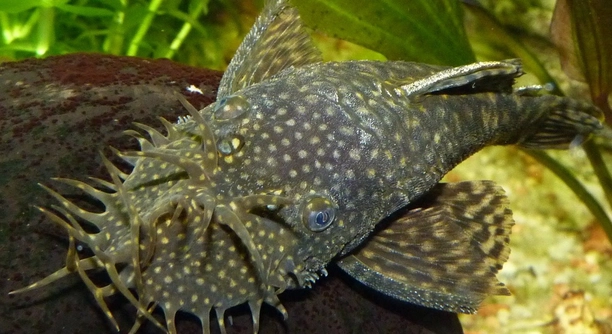
Do you ever find yourself wondering how long your plecos can survive without the algae that usually lines the surfaces of your aquarium? These fish are well-known for their algae-eating habits and unique care requirements.
Plecos can typically survive without algae for one to two weeks, provided they are supplemented with alternative food sources such as sinking pellets, vegetables, or algae wafers. Prolonged absence of algae without proper nutrition may compromise their health and growth.
Understanding these survival limits is essential for maintaining a healthy aquarium environment and ensuring your plecos thrive even when algae is scarce.
Why Plecos Need Algae
Algae is a natural part of a pleco’s diet. It provides essential nutrients and roughage that support digestion and overall health. In an aquarium without enough algae, plecos may struggle to meet their dietary needs. While some plecos can survive on alternative foods, they still rely on algae as a staple. Observing your fish can help you identify if they are not getting enough. Signs include reduced activity, weight loss, or aggression over limited food sources. Providing vegetables like zucchini, cucumber, or leafy greens can supplement their diet. Algae wafers and sinking pellets are also effective alternatives. Regular maintenance of the tank ensures surfaces remain clean but still allows some algae growth. Balancing cleanliness with natural food sources helps your plecos thrive. Even short periods without algae can stress them, so monitoring food intake and behavior is important. A healthy diet contributes to longevity and vibrancy.
Algae contributes not just to nutrition but also to natural grazing behaviors, keeping plecos active and engaged.
Providing consistent food options ensures plecos remain healthy even when algae is limited in the tank. Maintaining variety is key.
How to Supplement Pleco Diets
When algae is scarce, offering vegetables and prepared foods becomes essential. Plecos enjoy soft vegetables like zucchini, cucumber, and spinach, which provide fiber and vitamins. Algae wafers and sinking pellets can replace natural algae intake. Gradually introducing new foods helps them adapt without stress. Removing uneaten portions prevents water quality issues and keeps the tank clean. Feeding at consistent times supports routine and reduces aggression among tank mates. Observing which foods plecos prefer helps tailor their diet effectively. Some plecos may nibble on driftwood, which aids digestion while providing enrichment. Variety ensures they receive nutrients they would normally get from algae. Over time, plecos learn to rely on supplemental foods without negative health effects. Using a mix of fresh vegetables and commercial options balances nutrition. A properly managed tank with dietary supplementation supports growth, immunity, and overall vitality. This approach helps plecos remain healthy during periods when algae is not available.
Consistency in feeding schedules ensures that plecos remain energetic and active. Regular observation helps detect dietary deficiencies early.
Signs of Starvation in Plecos
Reduced activity and sluggish movement are common signs plecos are not getting enough nutrition. They may hide more often or seem uninterested in food. Weight loss and a thinner body shape are also indicators that diet is insufficient.
Plecos may begin picking at decorations or tank surfaces excessively when food is scarce. Loss of coloration and faded patterns can indicate stress from poor nutrition. Aggressive behavior toward tank mates or competition for limited food is another sign. Monitoring their behavior closely helps identify problems early. Providing supplemental foods promptly can prevent long-term health issues and ensure plecos maintain energy and vitality.
Ignoring these signs can lead to serious health problems. Plecos need consistent nutrition, and supplementing their diet when algae is unavailable is essential. Observing eating habits daily ensures any dietary deficiencies are addressed before they become critical.
Maintaining a Healthy Tank Environment
Stable water conditions support pleco health, reducing stress and promoting appetite. Regular water changes and monitoring parameters like pH and ammonia are critical. Consistent temperature and filtration maintain overall tank balance and encourage normal behavior.
Proper tank maintenance also includes keeping surfaces clean while allowing some algae growth. Driftwood or hiding spots provide enrichment and support digestion. Feeding vegetables or algae wafers in addition to natural algae ensures nutritional balance. Overfeeding can harm water quality, so portion control is important. Observing how plecos respond to dietary changes and tank conditions helps fine-tune care routines. A well-maintained tank encourages healthy growth, vibrant coloration, and active behavior, even during periods of low algae availability.
Short-Term Survival Without Algae
Plecos can manage a short period without algae if they receive alternative foods like vegetables or algae wafers. One to two weeks without algae is usually safe, but close observation is necessary to ensure they stay healthy.
Water quality and feeding routines become more important during this period. Stress from hunger can make plecos more susceptible to illness.
Long-Term Risks of Algae Deprivation
Extended periods without algae can cause malnutrition and weaken plecos’ immune systems. Their digestive systems rely on roughage from algae to function properly, and without it, gastrointestinal issues may develop. Reduced growth rates, color fading, and behavioral changes are common signs of long-term nutrient deficiency. Providing consistent supplementation is essential.
Tips for Encouraging Algae Growth
Adding lighting and nutrients to the tank encourages natural algae growth. Keeping a small, controlled amount benefits plecos while maintaining water quality.
FAQ
How long can plecos survive without algae?
Plecos can usually survive without algae for one to two weeks if they are given alternative foods like vegetables or algae wafers. Beyond this period, their health may start to decline. Providing a consistent food source is key to preventing malnutrition and stress.
What are good alternatives to algae for plecos?
Vegetables such as zucchini, cucumber, spinach, and peas are excellent substitutes. Algae wafers and sinking pellets also provide essential nutrients. Introducing a mix of fresh vegetables and commercial foods ensures plecos receive balanced nutrition even when natural algae is scarce.
Can plecos eat too many vegetables?
Yes, overfeeding vegetables can affect water quality and lead to digestive problems. It’s important to offer small portions and remove uneaten food promptly. Monitoring how your plecos respond helps determine the right balance and prevents excess waste in the tank.
Do plecos need algae every day?
Not necessarily every day, but regular access to algae or suitable alternatives is important for their digestive health. Missing a day or two is usually safe if other foods are provided. Consistency is more important over the long term than daily feeding of algae alone.
What signs show my pleco is not getting enough nutrition?
Look for reduced activity, faded colors, thinner bodies, and hiding behavior. Increased aggression over food or constant nibbling on decorations can also indicate they are not receiving enough nutrients. Early detection allows for dietary adjustments before serious health issues develop.
Is it safe to use algae wafers as the main food source?
Algae wafers can sustain plecos temporarily, but they should not replace a varied diet long-term. Combining wafers with vegetables and occasional protein sources ensures they receive essential vitamins and minerals, supporting growth and overall health.
How can I encourage algae growth in my tank?
Maintaining proper lighting and adding small amounts of nutrients can stimulate algae growth. Leaving some surfaces in the tank uncleaned allows natural algae to form while still keeping overall water quality high. Balancing cleanliness and algae growth is crucial for a healthy environment.
Do plecos eat driftwood, and is it important?
Many pleco species graze on driftwood, which provides fiber and aids digestion. Including driftwood in the tank helps mimic their natural environment and supports their digestive system, especially when algae is limited. Driftwood can also serve as hiding spots, reducing stress.
How often should I monitor my pleco’s diet and health?
Daily observation is recommended. Watch for eating habits, activity levels, and appearance. Regular monitoring ensures that any dietary deficiencies or health problems are detected early, allowing timely adjustments to food or tank conditions. Consistency is essential for maintaining long-term health.
Can a pleco recover after being without algae for too long?
Yes, recovery is possible if they are given proper nutrition promptly. Gradually reintroducing algae, vegetables, and other foods helps restore digestive health and energy levels. Persistent monitoring and careful feeding are necessary to ensure full recovery without causing additional stress or digestive issues.
Are certain pleco species more tolerant of low algae availability?
Some pleco species adapt better to alternative foods than others. Common species like the bristlenose pleco are more flexible, while larger species may rely heavily on algae. Understanding your specific pleco’s dietary needs ensures they remain healthy during periods of low algae availability.
How do I balance tank cleanliness with algae growth?
Partial cleaning is effective—removing waste and maintaining water quality while leaving some surfaces for algae growth. This approach provides natural grazing opportunities without compromising the health of the tank. Regularly check water parameters to prevent ammonia or nitrate spikes.
Can plecos survive solely on prepared foods?
They can survive on prepared foods for extended periods if the diet is balanced and includes fiber, vitamins, and minerals. However, supplementing with fresh vegetables and occasional natural algae encourages better digestion, color vibrancy, and overall well-being. Prepared foods alone may not meet all long-term nutritional needs.
What is the best feeding schedule for plecos without algae?
Feeding once a day with a mix of vegetables and sinking wafers is usually sufficient. Some plecos may benefit from small, frequent feedings, but overfeeding should be avoided. Consistency in timing helps regulate digestion and reduces competition among tank mates.
How can I tell if my pleco prefers certain foods?
Observe which vegetables or wafers they consistently consume first. Plecos have individual preferences, and providing a variety allows them to choose what they like while ensuring all nutritional needs are met. Adjust portions based on their consumption to avoid waste.
Does algae deprivation affect pleco behavior?
Yes, a lack of algae can lead to stress, increased hiding, and aggressive behavior toward tank mates. Providing alternative foods and maintaining a clean, stable environment helps reduce stress and supports normal behavior patterns.
Are there signs of long-term malnutrition in plecos?
Long-term malnutrition may present as stunted growth, faded coloration, lethargy, and digestive issues. Prompt dietary adjustments and supplementation are necessary to reverse effects. Consistent monitoring and feeding ensure plecos maintain vitality and overall health.
Is it necessary to rotate foods for plecos?
Yes, rotating foods helps provide a wider range of nutrients. Mixing vegetables, wafers, and occasional protein sources prevents deficiencies and keeps plecos interested in their diet. A varied diet supports digestion, immune health, and sustained energy levels.
What role does tank enrichment play in pleco health?
Enrichment, such as driftwood and hiding spots, encourages natural grazing and reduces stress. A well-structured tank supports digestive health and activity, especially when algae is limited. Providing an environment that mimics their natural habitat promotes both physical and mental well-being.
Can plecos survive in tanks with no algae at all?
Yes, with proper dietary supplementation and careful tank management. Vegetables, wafers, and occasional protein provide necessary nutrients. Maintaining water quality, observing behavior, and providing enrichment ensures survival, but natural algae remains ideal for optimal health.
How do I know if my pleco is recovering after algae deprivation?
Signs of recovery include renewed activity, improved coloration, consistent eating habits, and healthy weight gain. Gradual reintroduction of algae and maintaining supplemental foods helps restore normal digestion and overall vitality, ensuring the pleco thrives once again.
Are frozen or blanched vegetables suitable for plecos?
Yes, frozen or blanched vegetables retain nutrients and are easy for plecos to digest. Preparing vegetables this way makes them softer, more appealing, and safer for consumption, especially for species with smaller mouths or weaker jaws.
How important is fiber for plecos?
Fiber supports digestive function, especially when algae is scarce. Vegetables and driftwood provide roughage, preventing constipation and maintaining gut health. Adequate fiber is essential for nutrient absorption, energy levels, and long-term well-being.
Can plecos eat fruit?
Some fruits can be offered in small amounts, but they should not replace vegetables or wafers. Fruits are higher in sugar and may upset digestion if given excessively. Stick to vegetables and prepared foods as the main diet while using fruit sparingly.
Is it okay to mix different pleco species in one tank?
Mixing species is possible but requires monitoring. Some plecos compete aggressively for food. Ensuring multiple food sources and hiding spots helps reduce conflict. Observe interactions and adjust feeding strategies to ensure all plecos receive proper nutrition without stress.
How do I prevent algae overgrowth while ensuring plecos have enough to eat?
Control lighting duration and nutrient levels, leaving some surfaces for algae growth. Supplement with vegetables and wafers to meet dietary needs. Balancing natural algae with alternative foods prevents overgrowth and maintains a healthy, stable tank environment.
How often should I adjust the diet if algae is unavailable?
Frequent observation is key. Adjust foods based on appetite, behavior, and health signs. Weekly evaluations help ensure plecos receive enough nutrition and prevent long-term deficiencies or stress caused by inconsistent feeding.
What is the best way to transition plecos from algae to alternative foods?
Gradually introduce vegetables and wafers while reducing algae exposure. This allows plecos to adapt without stress. Monitor consumption and adjust portions as needed. Over time, plecos will accept new foods while maintaining digestive health and normal behavior patterns.
Can young plecos survive without algae as well as adults?
Juvenile plecos are more vulnerable to nutritional deficiencies. They require consistent supplementation of vegetables and wafers. Young plecos benefit from careful observation, frequent feeding in small portions, and a stable tank environment to support proper growth and development.
Do plecos need protein if they don’t have algae?
Yes, occasional protein from prepared foods or specialized pellets helps maintain growth and tissue repair. While algae provides mainly fiber and some nutrients, protein supplementation ensures overall health and supports the immune system.
How do I manage multiple plecos’ diets without algae?
Feed in separate areas or provide multiple portions to prevent competition. Observe eating habits to ensure each pleco gets enough food. Rotating vegetables and wafers ensures all fish receive balanced nutrition and reduces stress from limited food sources.
Are there long-term effects of relying on algae wafers?
Relying solely on wafers can lead to nutrient gaps. Over time, lack of variety may affect digestion, growth, and coloration. Supplementing with vegetables and occasional protein maintains balanced nutrition, supporting overall health and longevity.
How can I tell if my pleco is stressed from low algae availability?
Signs include hiding more often, reduced activity, aggression, and decreased appetite. Stress can weaken immunity and lead to health problems. Promptly providing alternative foods and maintaining a stable tank environment helps alleviate stress and restores normal behavior.
Is tank size important for pleco health without algae?
Yes, adequate space reduces competition for food and stress. Larger tanks allow multiple feeding areas and enrichment, supporting natural behavior. Proper tank size combined with supplemental feeding ensures plecos remain healthy even when natural algae is limited.
Can I use supplements to replace nutrients from algae?
Yes, specialized fish supplements or fortified wafers can help provide vitamins and minerals normally obtained from algae. Use supplements as part of a varied diet to prevent deficiencies and support overall health, growth, and immune function.
How often should I check water parameters if algae is limited?
Frequent monitoring is essential. Weekly or biweekly testing of pH, ammonia, nitrite, and nitrate levels helps prevent water quality issues. Good water conditions support digestion, reduce stress, and ensure plecos thrive on alternative diets.
Do plecos eat plants besides algae?
Yes, plecos may nibble on soft tank plants. Providing hardy, fast-growing plants helps prevent depletion while offering natural grazing. Plants also improve water quality and add enrichment, supporting healthy behavior and overall tank balance.
Can plecos survive without algae in community tanks?
Yes, but careful feeding and monitoring are necessary. In community tanks, competition for food may increase, so providing multiple food sources and enrichment ensures all plecos receive adequate nutrition without stress. Observation is key to maintaining health.
Is it necessary to track pleco weight and growth?
Tracking weight and growth helps detect early signs of malnutrition or overfeeding. Regular observation ensures dietary adjustments are made promptly, supporting long-term health, proper development, and vitality. Accurate records also help assess the effectiveness of supplemental feeding strategies.
How do I know when to reintroduce algae?
Reintroduce algae gradually once supplemental foods are well accepted. Observe how plecos respond and adjust the balance of natural and prepared foods. Gradual reintroduction ensures digestion adapts smoothly and supports optimal nutrition without stress.
Are there differences in algae needs between nocturnal and diurnal plecos?
Nocturnal plecos may consume algae mostly at night, requiring careful feeding timing. Diurnal species graze during the day. Understanding their activity patterns ensures supplemental feeding aligns with natural behavior and supports digestive health.
Can plecos survive entirely on frozen vegetables?
Frozen vegetables are suitable, but variety is necessary. Offering a mix of fresh, blanched, and frozen options ensures they receive proper fiber and nutrients. Frozen vegetables should complement wafers and occasional protein sources for balanced nutrition.
Does stress from lack of algae affect breeding?
Yes, insufficient nutrition can reduce reproductive success. Plecos need consistent diets and a stress-free environment for breeding. Providing vegetables, wafers, and enrichment supports health, energy levels, and breeding readiness.
How important is observation during algae scarcity?
Observation is critical. Watching for behavioral changes, appetite, and health signs allows prompt action to prevent malnutrition or stress. Daily monitoring ensures plecos thrive even when algae is limited, supporting overall longevity and vitality.
Are there any pleco-safe foods that should be avoided?
Avoid foods high in sugar or processed human foods. Citrus and starchy vegetables can upset digestion. Stick to vegetables, algae wafers, and occasional protein to maintain health. Careful selection prevents digestive issues and ensures balanced nutrition.
How do I maintain consistent feeding for multiple plecos?
Provide food in multiple locations and observe which plecos are eating. Adjust portions to ensure no fish is left hungry. Rotating vegetables and wafers helps maintain interest and balanced nutrition across all tank inhabitants.
Is it possible to overfeed plecos without algae?
Yes, overfeeding can harm water quality and stress fish. Small, controlled portions of vegetables and wafers prevent waste and digestive issues. Observation and adjustment are key to maintaining proper feeding levels.
Can plecos survive on algae substitutes alone for months?
They can survive if the substitutes are nutritionally complete and balanced. However, long-term reliance on a single food type may create deficiencies. Rotating vegetables, wafers, and occasional protein ensures sustained health and vitality.
Do plecos need calcium if algae is scarce?
Yes, calcium supports bone and fin health. Some vegetables, fortified wafers, and driftwood provide adequate calcium. Ensuring this mineral is included in the diet prevents deficiencies and supports overall skeletal development.
How do I balance nutrition and tank cleanliness?
Feed measured portions and remove uneaten food promptly. Partial cleaning allows some algae growth while maintaining water quality. Balancing diet and environment ensures plecos receive nutrients without compromising tank health.
Are there any signs that algae substitutes are not enough?
Signs include weight loss, faded colors, reduced activity, and digestive issues. Monitoring these indicators helps identify nutritional gaps early. Adjusting diet with vegetables, wafers, and occasional protein restores balance and prevents long-term health problems.
Can stress from low algae lead to disease?
Yes, stress weakens the immune system, increasing susceptibility to infections. Providing supplemental foods, enrichment, and a stable environment reduces stress and supports disease resistance. Consistent care is essential for maintaining pleco health.
How do I track pleco dietary preferences over time?
Observe which foods are consumed first, frequency of feeding, and any leftovers. Keeping notes helps fine-tune diet and ensures all nutritional needs are met. Tracking preferences allows for better planning and reduces waste.
Can plecos adapt to completely algae-free diets permanently?
Many plecos can adapt if provided with a varied, balanced diet that includes vegetables, wafers, and occasional protein. Some species may thrive, but natural algae remains ideal. Observation, supplementation, and careful management are necessary for long-term health.
Do plecos benefit from vitamin supplements?
Yes, vitamin supplements can fill gaps left by reduced algae intake. They support immune function, growth, and vitality. Use supplements carefully alongside a varied diet to prevent deficiencies and maintain overall health.
How often should I change feeding routines if algae is unavailable?
Evaluate weekly, adjusting portions and food types based on appetite, behavior, and health. Regular updates prevent malnutrition, reduce stress, and ensure plecos receive consistent nutrition even during algae scarcity.
Can tank lighting affect pleco appetite without algae?
Yes, proper lighting encourages grazing and activity. In low-algae conditions, timing light exposure can stimulate feeding behavior and help plecos consume supplemental foods consistently. Lighting should mimic natural day-night cycles for best results.
Are there long-term behavioral changes from algae deprivation?
Some plecos may become more aggressive or territorial when algae is scarce. Providing alternative foods, multiple feeding sites, and enrichment reduces stress and encourages normal, healthy behavior patterns.
What is the best method to introduce new foods to plecos?
Introduce gradually alongside existing foods. Observe consumption and adjust portions. Mixing familiar and new foods helps plecos adapt without stress, maintaining digestive health and energy levels.
How do I know if my pleco’s digestion is healthy without algae?
Healthy digestion is indicated by normal feces, steady appetite, and consistent energy levels. Soft vegetables, wafers, and occasional protein support proper gut function, especially when natural algae is limited.
Can algae scarcity affect pleco lifespan?
Yes, prolonged nutrient deficiencies and stress from low algae can reduce lifespan. Proper supplementation with vegetables, wafers, and occasional protein helps maintain health and longevity. Regular monitoring ensures plecos thrive despite reduced algae availability.
Are there specific vitamins plecos need when algae is limited?
Vitamin C, vitamin A, and certain B vitamins are important for immune function, growth, and digestion. Balanced diets with vegetables, fortified wafers, and supplements provide these essential nutrients. Tracking diet ensures adequate intake.
Can algae scarcity affect pleco social behavior?
Yes, competition for limited food may increase aggression or stress. Providing multiple feeding areas, supplemental foods, and hiding spots reduces conflict and encourages normal social behavior. Observing interactions helps maintain harmony in the tank.
Is it necessary to record pleco health during algae deprivation?
Yes, keeping track of weight, activity, color, and eating habits helps detect early signs of malnutrition or stress. Records guide dietary adjustments and ensure long-term health and vitality.
How do I prevent overgrowth of algae while feeding plecos?
Control light and nutrient levels, supplement with vegetables and wafers, and leave small surfaces for natural growth. This balances food availability without compromising water quality or creating excessive algae buildup.
Can plecos survive without algae in a small tank?
They can survive with proper supplementation, but space limitations increase competition for food. Multiple feeding spots and careful observation ensure all plecos receive enough nutrition. Tank enrichment supports health and reduces stress.
Do nocturnal plecos require different feeding strategies without algae?
Yes, feeding during evening or low-light hours aligns with their activity. Providing supplemental foods at appropriate times ensures they receive adequate nutrition and maintain normal behavior patterns.
Are there supplements specifically for plecos?
Yes, some commercially available supplements are designed to provide vitamins, minerals, and fiber that plecos would normally obtain from algae. Using these along with vegetables and wafers helps maintain balanced nutrition.
Can plecos survive in low-algae community tanks?
Yes, but careful monitoring is necessary. Multiple feeding locations, supplemental foods, and observation prevent competition and ensure all plecos receive adequate nutrition, reducing stress and promoting healthy behavior.
How often should vegetables be offered in place of algae?
Daily or every other day, depending on consumption. Small, controlled portions prevent waste and maintain water quality while ensuring plecos receive essential nutrients
Plecos are resilient fish, but their health depends heavily on proper nutrition and tank management. Algae is an important part of their diet, providing fiber, nutrients, and a natural source of grazing. When algae is scarce, plecos can survive for a short period, usually up to one or two weeks, as long as alternative foods are provided. Vegetables like zucchini, cucumber, spinach, and peas, along with algae wafers and sinking pellets, can meet their dietary needs. Consistently providing these foods helps prevent stress, supports digestion, and keeps plecos active. Observing their behavior and appetite during times without algae is crucial to ensure they are receiving enough nutrition. Reduced activity, faded colors, or excessive hiding are signs that adjustments may be needed.
Maintaining a healthy tank environment is equally important when algae is limited. Clean water, proper filtration, and stable temperature conditions reduce stress and support overall well-being. Some natural algae growth should be encouraged while ensuring the tank remains clean and safe. Driftwood and hiding spots can aid digestion and offer enrichment, mimicking natural behavior. Feeding small portions of supplemental foods at regular intervals prevents overfeeding and maintains water quality. Gradually introducing new foods while monitoring consumption ensures plecos adapt without stress. A balanced diet combined with proper tank management promotes healthy growth, energy levels, and vibrant coloration. Regular observation is key to detecting early signs of dietary deficiencies, behavioral changes, or health problems.
Long-term survival without algae is possible if plecos are provided with a well-rounded diet and a stable environment. Different species have varying tolerance levels, and younger fish may require more careful attention to support growth and immune function. Consistency in feeding, monitoring, and maintaining water quality ensures plecos remain healthy even during extended periods without natural algae. While prepared foods and vegetables can replace algae for extended periods, natural algae is still ideal for optimal nutrition and behavior. By providing a combination of supplemental foods, maintaining tank conditions, and observing the fish closely, plecos can thrive without algae for a limited time. Careful planning, consistent feeding, and attentive observation help prevent stress and ensure long-term health, allowing these fish to live active, balanced lives in the aquarium.

Hello,
If you enjoy the content that we create, please consider saying a "Thank You!" by leaving a tip.
Every little bit helps us continue crafting quality advice that supports the health, happiness, and well-being of pets around the world, for pets of all shapes, sizes, and species.
We really appreciate the kindness and support that you show us!