
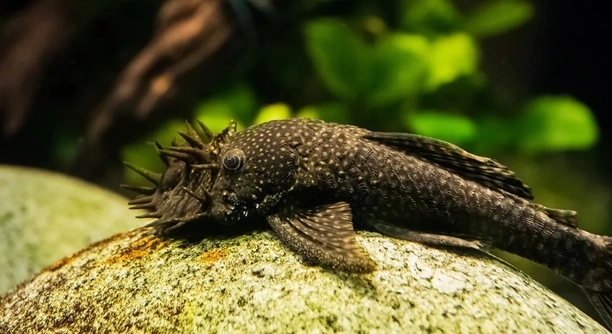
Have you ever looked at your aquarium setup and wondered if the type of gravel matters for your Bristlenose Pleco’s comfort and health? Choosing the right substrate can make a real difference for these gentle bottom dwellers.
Bristlenose Plecos prefer smooth gravel or fine sand because it prevents injuries to their delicate undersides and barbels. Rough or sharp substrates can cause irritation or infection, making smooth gravel the safest and most comfortable option.
Learning how substrate texture affects your Pleco’s behavior and overall well-being can help you create a safer, cleaner, and happier aquatic home.
Understanding Bristlenose Plecos and Their Natural Habitat
Bristlenose Plecos are peaceful freshwater fish known for their hardiness and gentle behavior. In their natural environment, they live among soft riverbeds filled with smooth stones, sand, and driftwood. These areas provide shelter and safety, helping them feel secure while scavenging for food. When kept in home aquariums, they thrive best in conditions that closely resemble their natural surroundings. Using smooth gravel or fine sand allows them to graze comfortably without injuring their undersides. It also helps keep their bristles healthy, as rough substrates can lead to irritation or small cuts. For Plecos, the right substrate does more than just make the tank look nice—it helps maintain their overall health and comfort.
Smooth gravel not only benefits your Pleco’s physical health but also supports better tank cleanliness. It’s easier to vacuum and prevents waste from becoming trapped between sharp edges, keeping your aquarium safer and cleaner.
When setting up the tank, try to mimic a calm and shaded riverbed. Adding a mix of smooth gravel, driftwood, and hiding spots will help your Pleco feel more at home. You’ll likely notice them resting near surfaces or grazing on algae-covered rocks. These small choices encourage their natural behavior and keep them relaxed. Watching them interact comfortably in such an environment can be both peaceful and rewarding.
Choosing and Maintaining the Right Substrate
The best substrate for Bristlenose Plecos is smooth gravel or fine sand that feels soft when touched. Avoid sharp or jagged gravel since it can injure their skin and barbels, causing stress and possible infection.
When maintaining your tank, regular cleaning of the substrate is important to keep your Pleco healthy. Waste buildup can quickly affect water quality and lead to harmful conditions. Use a gravel vacuum during water changes to remove debris while preserving the helpful bacteria that live in the substrate. If you use fine sand, stir it gently to prevent gas pockets from forming underneath. It’s also a good idea to occasionally inspect the gravel for any rough pieces and remove them. Clean, smooth gravel not only makes your Pleco more comfortable but also enhances the overall look of your aquarium. By maintaining a safe and smooth substrate, you create a stable, low-stress environment where your Bristlenose Pleco can thrive and display its calm nature.
How Substrate Affects Pleco Behavior
Smooth gravel allows Bristlenose Plecos to move freely and feed naturally. When their environment feels comfortable, they are more active, graze more often, and spend less time hiding due to stress or discomfort.
A rough substrate can change how a Pleco behaves. Sharp gravel may cause small injuries, leading to irritation and less activity. You might notice them avoiding the bottom or spending more time stuck to tank walls. This behavior usually signals that something feels off. In contrast, a soft substrate encourages them to stay near the bottom, where they clean algae and search for leftover food. Watching their natural grazing movements is often a sign that they feel at ease. Creating a comfortable base directly supports their normal instincts and helps maintain a calm, stable aquarium atmosphere.
Besides promoting natural movement, smooth gravel also helps with their feeding habits. Plecos enjoy foraging along surfaces, and smooth textures make it easier for them to find bits of food without scraping their skin. In a properly set environment, they show steady behavior and regular feeding patterns. These small details matter for their well-being and help prevent health issues related to stress or injury. Substrate comfort directly affects their overall health and happiness in the tank.
Cleaning and Caring for Smooth Gravel
Maintaining smooth gravel is simple but important. Regular cleaning prevents buildup that can cause poor water quality or unpleasant odors. It also ensures your Pleco always has a clean space to explore and feed comfortably.
To clean effectively, use a gravel vacuum during partial water changes, gently removing debris without disturbing the entire substrate. Avoid washing all the gravel at once, as this can remove beneficial bacteria vital for biological balance. If you notice algae forming, lightly scrub the surface without using harsh chemicals that could harm your Pleco. For sand, stir it gently to avoid compacting and to release trapped gases. These steps help maintain a clean, stable environment. Consistent care keeps the water clear, the tank healthier, and your Bristlenose Pleco safe from harmful buildup that can affect its comfort and longevity.
Common Mistakes to Avoid
One common mistake is using decorative gravel with sharp edges. While it may look appealing, it can easily irritate or injure your Pleco’s skin. Always test the gravel texture before adding it to the tank to ensure it’s smooth and safe.
Another mistake is skipping regular cleaning. Waste buildup between gravel pieces can quickly affect water quality and lead to stress or illness. Consistent maintenance, including gentle vacuuming, keeps your Pleco’s environment clean and reduces the risk of harmful bacteria growth in the substrate.
Safe Additions to Complement Smooth Gravel
Adding natural elements like driftwood and flat stones can enhance your Pleco’s habitat. Driftwood provides both shade and a natural food source, as Plecos like to graze on its surface. Smooth stones give them resting areas and extra spots to explore without causing harm. These additions make the environment more engaging and secure.
Final Thoughts on Substrate Comfort
A comfortable substrate creates a stress-free home where your Bristlenose Pleco can thrive. Smooth gravel supports their health, encourages natural behavior, and keeps the aquarium clean. Simple choices like these can make a lasting difference in your Pleco’s daily comfort and overall well-being.
FAQ
Do Bristlenose Plecos need smooth gravel only?
While smooth gravel is ideal, Bristlenose Plecos can also do well with fine sand. The key is avoiding sharp or jagged substrates that can injure their delicate undersides and barbels. Smooth surfaces reduce the risk of scratches and infections, helping maintain their overall health.
Can Bristlenose Plecos live on rough gravel?
They can survive, but rough gravel is not recommended. Sharp edges may cause irritation, leading to stress or infections over time. Plecos tend to avoid areas that feel uncomfortable, which can impact their natural feeding and resting behavior. Consistently using smooth gravel supports their comfort and normal activity.
How often should I clean the gravel?
Gravel should be gently cleaned during every partial water change, usually once a week. Use a gravel vacuum to remove debris without disturbing beneficial bacteria. Cleaning too aggressively can disrupt the tank’s biological balance, while neglecting it can allow waste buildup that harms water quality and your Pleco’s health.
Can smooth gravel affect their feeding habits?
Yes. Smooth gravel allows Bristlenose Plecos to forage naturally. They graze on algae and leftover food on the bottom, and softer substrates make it easier for them to reach these surfaces without harming their skin or barbels. A proper substrate encourages regular feeding behavior.
Is sand better than smooth gravel?
Both are suitable if they are soft and free from sharp edges. Sand is gentler on the fish’s undersides and barbels but requires careful cleaning to avoid compacting. Smooth gravel is easier to vacuum and maintain. The choice depends on your tank setup and personal preference, as long as the surface is safe.
Do Bristlenose Plecos dig in the substrate?
They may occasionally move small amounts of substrate while foraging or rearranging debris. Smooth gravel or sand is safe for this activity and won’t harm their bodies. Providing enough soft substrate helps them exhibit natural behaviors without risking injury.
Will rough gravel cause diseases?
Rough gravel does not directly cause diseases but can create minor injuries that may become infected. Cuts or abrasions provide an entry point for bacteria or fungi, which can lead to health problems. Smooth gravel minimizes these risks, creating a safer environment.
Can I mix gravel types in the tank?
Yes, but avoid combining sharp or jagged pieces with smooth gravel. If you mix, make sure the majority of the substrate is soft to prevent accidental injuries. Mixing can offer aesthetic variety, but safety should always come first for your Pleco.
How deep should the gravel be?
A depth of around one to two inches is generally sufficient. This provides enough substrate for natural foraging and hiding without making cleaning difficult. Too deep a layer can trap waste and complicate maintenance, while too shallow may reduce grazing areas and comfort.
Do Bristlenose Plecos prefer certain colors of gravel?
They are not particularly concerned with color. Their comfort and safety depend on texture rather than appearance. However, natural colors like browns and muted tones may make them feel more secure, as it resembles their natural habitat and provides a sense of shelter.
Can substrate type affect their lifespan?
Indirectly, yes. A safe, smooth substrate reduces injuries, stress, and risk of infections, all of which contribute to a longer, healthier life. Conversely, harsh or rough substrates may lead to repeated minor injuries that could compromise health over time. Choosing the right substrate is a small change that can have a significant impact.
Is it necessary to change the gravel over time?
Not unless it becomes damaged, sharp, or excessively dirty. Routine cleaning is usually sufficient. Smooth gravel can last for years, but inspect it occasionally for rough edges or debris that may harm your Pleco. Consistent maintenance keeps the substrate safe and effective for daily use.
Can substrate affect tank cleanliness?
Yes. Smooth gravel or sand allows debris to settle on the surface and be removed easily during vacuuming. Rough gravel traps waste in crevices, which can degrade water quality. Proper substrate maintenance directly influences the overall cleanliness and stability of the aquarium.
Do Bristlenose Plecos rearrange gravel?
They may shift small amounts while foraging or seeking hiding spots. Smooth gravel ensures these activities don’t cause scratches or injuries. Observing this behavior is normal and indicates that the Pleco feels comfortable interacting with its environment.
Are there alternatives to gravel for Plecos?
Sand is the most common alternative and works very well if kept clean. Avoid sharp decorative stones or glass-based substrates, which may pose injury risks. The goal is to provide a soft, safe surface that allows natural behavior and prevents harm.
Can substrate type impact breeding behavior?
Yes. Bristlenose Plecos may prefer smooth surfaces for hiding and spawning. Sharp or rough substrates can deter them from selecting certain areas, as they look for comfort and safety when preparing nesting spots. Smooth gravel encourages natural reproductive behavior.
Does substrate affect water flow in the tank?
Substrate type slightly influences water circulation near the bottom. Smooth gravel allows water to flow freely, helping waste settle on the surface for easier cleaning. Dense or uneven rough gravel may trap debris and reduce local circulation, which can affect water quality over time.
How do I test if gravel is safe?
Run your hand over the surface to check for sharp edges. You can also place a small piece of cloth or paper on it and rub gently to see if it gets snagged. Safe gravel should feel smooth and not scratch easily, ensuring a safe environment for your Pleco.
Will substrate type affect algae growth?
Indirectly, yes. Smooth gravel makes it easier to clean algae off surfaces and reduces trapped debris that can fuel algae growth. While substrate doesn’t stop algae completely, it helps manage it more effectively and supports a cleaner tank environment.
Can I use substrate from another tank?
Yes, but inspect it for sharp edges, debris, or contaminants. Make sure it’s compatible with smooth surfaces to avoid injuring your Pleco. Rinse thoroughly and remove any rough particles before introducing it to maintain a safe and comfortable environment.
How do I know if my Pleco likes the substrate?
Observe behavior. If your Pleco grazes regularly, rests comfortably, and moves freely across the bottom, it likely feels safe and content. Avoidance, hiding, or scratching may indicate discomfort, signaling the need for a smoother, safer substrate.
Can substrate influence stress levels?
Absolutely. A soft, smooth substrate reduces stress by allowing natural movement, safe foraging, and comfortable resting. Stress from sharp or rough gravel can suppress appetite, lead to erratic behavior, and compromise overall health. Prioritizing substrate safety is a key part of keeping your Pleco calm and healthy.
Is special gravel required for tank setups with multiple fish species?
Not necessarily. Smooth gravel works well with most community tanks. Ensure it’s safe for all species in the tank, especially bottom dwellers. Avoid gravel that could injure smaller or delicate fish, and maintain regular cleaning to prevent water quality issues that affect multiple species.
Can substrate affect Pleco growth?
Indirectly, yes. A safe, comfortable substrate encourages regular feeding, low stress, and healthy activity. These factors contribute to proper growth. Conversely, sharp or rough surfaces can lead to injury or avoidance of certain areas, potentially limiting access to food and impacting development.
Does substrate choice influence tank aesthetics?
Yes, but safety should come first. Smooth gravel can be visually appealing while providing a functional, safe environment. Natural tones often complement plants and decorations, creating a realistic habitat without compromising the Pleco’s comfort or health.
Are there long-term benefits to smooth gravel?
Long-term benefits include reduced risk of injuries, easier maintenance, healthier behavior, and overall stress reduction. Providing a safe substrate from the start sets the stage for a stable, thriving environment, allowing your Bristlenose Pleco to live comfortably and interact naturally with its tank habitat.
This FAQ covers the most common concerns regarding Bristlenose Pleco substrate, emphasizing the importance of safety, comfort, and maintenance for their health and behavior.
Final Thoughts
Choosing the right substrate for Bristlenose Plecos is more important than many people realize. These fish spend most of their time at the bottom of the tank, grazing, resting, and exploring. A smooth and safe surface ensures they can move comfortably without risking injuries to their sensitive undersides or barbels. Rough or jagged gravel can cause cuts and irritation, which can lead to infections over time. By using soft gravel or fine sand, you create a safe environment that encourages natural behaviors. When your Pleco feels secure, it is more likely to display calm, healthy activity, feeding regularly and resting where it feels comfortable. This simple choice has a significant effect on both the health and happiness of your fish.
Maintenance is another key factor when it comes to substrate and Pleco care. Smooth gravel is easier to clean and less likely to trap waste or debris compared to rough or decorative stones. Regularly vacuuming the gravel during water changes removes leftover food and prevents harmful bacteria from building up. Sand may need gentle stirring to avoid compacting and gas pockets, but both options are far safer than jagged surfaces. Consistent care helps maintain water quality, which directly affects your Pleco’s overall health. When the substrate is well-maintained, your tank stays cleaner, your fish remain active and stress-free, and the risk of illness is greatly reduced. Investing time in proper substrate care is a small step that provides long-lasting benefits.
Finally, creating a safe and comfortable substrate goes beyond health; it also impacts the behavior and well-being of your Bristlenose Pleco. A suitable base allows them to forage naturally, explore their surroundings, and interact with elements like driftwood or smooth stones without hesitation. Watching these behaviors is a sign that your Pleco feels secure in its environment. By combining soft gravel with thoughtful maintenance and natural decorations, you establish an aquarium that supports both physical safety and mental comfort. Ultimately, a carefully chosen substrate contributes to a more balanced, calm, and thriving aquatic habitat, ensuring that your Bristlenose Pleco enjoys a comfortable, healthy life for years to come.

Hello,
If you enjoy the content that we create, please consider saying a "Thank You!" by leaving a tip.
Every little bit helps us continue crafting quality advice that supports the health, happiness, and well-being of pets around the world, for pets of all shapes, sizes, and species.
We really appreciate the kindness and support that you show us!