
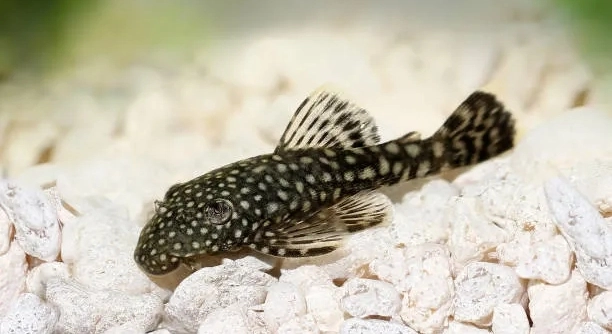
Have you ever noticed your Bristlenose Pleco quietly moving along the tank walls and wondered how it feels around other fish? These small, gentle fish have a calm presence that many aquarists find comforting. Observing them can be surprisingly rewarding.
Bristlenose Plecos are generally peaceful and can coexist with many tankmates. They may show mild territorial behavior, especially around hiding spots, but their social interactions are typically non-aggressive, allowing for a harmonious community environment when properly managed.
Learning how they interact with others can improve your tank setup and enhance your fish’s overall well-being.
Understanding Bristlenose Pleco Behavior
Bristlenose Plecos are bottom dwellers that spend most of their time grazing on algae and exploring their surroundings. They enjoy hiding among plants, rocks, or decorations and are naturally curious, often checking out new additions to the tank. While they are peaceful, they can become slightly territorial over their favorite hiding spots. This behavior is more noticeable when multiple Plecos share a tank, especially if hiding spaces are limited. Providing enough shelters and driftwood helps reduce competition and stress. They are primarily nocturnal, which means they are more active during the night, but they still come out during the day for food. Observing how they interact with tankmates can give clues about compatibility. Some fish may ignore them completely, while others might occasionally provoke minor skirmishes. Understanding these interactions helps in arranging a balanced tank that minimizes conflicts and keeps everyone comfortable. Plecos respond well to a calm, stable environment.
Keeping their tank peaceful requires attention to hiding spots and compatible tankmates.
When selecting tankmates, consider their activity levels and temperament. Active, aggressive species may stress a Bristlenose Pleco, while calm, bottom-dwelling fish often coexist well. Avoid overcrowding and provide plenty of surfaces for grazing. Driftwood, rocks, and plants serve both as shelters and grazing areas, reducing territorial disputes. Feeding schedules and portion sizes also matter; insufficient food can increase competition. Observing the Pleco’s behavior over several weeks allows you to spot signs of stress or aggression. In many cases, minor adjustments such as rearranging decorations or adding additional hiding spots can improve harmony. Choosing compatible tankmates ensures that the Pleco remains healthy and comfortable. Regular monitoring and small environmental tweaks are often enough to maintain a peaceful community. The goal is to create a setup where each fish has its own space and resources, which encourages natural behavior and reduces stress. Ultimately, careful planning and observation are key to maintaining a harmonious tank with Bristlenose Plecos.
Ideal Tankmates for Bristlenose Plecos
Peaceful fish that occupy different levels of the tank are usually the best companions.
Ideal tankmates include tetras, guppies, mollies, and small rasboras, as they generally swim in mid or upper water levels and do not compete for the Pleco’s space. Bottom dwellers like Corydoras can also coexist if there are enough hiding spots and grazing surfaces. Avoid overly aggressive fish or those that nip fins, as these can cause stress or injury. Mixing species with similar environmental needs, such as water temperature and pH, helps maintain a healthy community. The Pleco’s calm temperament allows it to live alongside a variety of peaceful fish, provided the tank is appropriately structured.
Compatibility depends on tank size, decor, and feeding practices. Larger tanks with more hiding areas reduce stress and territorial behavior. Bristlenose Plecos prefer a well-structured environment with plenty of driftwood and plants for grazing and shelter. They coexist best when there is minimal competition for food and space. Careful observation of fish interactions ensures early identification of any aggression or stress, allowing timely adjustments. In addition, maintaining clean water and a stable environment is crucial for all species in the tank. Matching fish activity patterns also improves harmony; for example, nocturnal Plecos are less likely to interact negatively with diurnal mid-water fish. Thoughtful planning, regular monitoring, and proper feeding routines help create a balanced and healthy tank ecosystem. By focusing on the Pleco’s needs and tankmate behavior, you can foster a peaceful and thriving aquarium.
Signs of Stress in Bristlenose Plecos
Stress in Bristlenose Plecos often shows through changes in behavior. Hiding excessively, refusing to eat, or scraping against tank surfaces can indicate discomfort. Sudden aggression or lethargy may also signal that their environment or tankmates are causing tension.
Monitoring your Pleco’s activity is key to maintaining its health. Stress may result from overcrowding, aggressive tankmates, or insufficient hiding spots. Poor water quality can also affect behavior, causing unusual swimming patterns or rapid breathing. Observing interactions with other fish helps identify triggers. Adjusting the tank environment, adding shelters, or modifying the community can reduce stress. Plecos respond positively to stability and predictable routines, which supports their well-being. Consistent feeding and clean water encourage natural behavior.
Ignoring these signs can lead to health problems, including weakened immunity and susceptibility to disease. Timely intervention, such as rearranging tank decorations or removing aggressive species, often restores comfort. Providing adequate space and hiding places prevents territorial disputes and minimizes stress. Maintaining proper water parameters ensures a stable habitat. Recognizing subtle changes in behavior allows early corrective actions, protecting both the Pleco and other tank inhabitants. Over time, consistent care results in a calm, healthy aquarium environment.
Feeding Considerations for Community Tanks
Bristlenose Plecos require a diet rich in algae, vegetables, and occasional protein sources. Feeding multiple species in one tank requires careful portioning to prevent competition.
Providing a balanced diet is essential for their health. Algae wafers, blanched zucchini, cucumber, and spinach are favorites. Occasional protein such as shrimp pellets or bloodworms supports growth. Feeding schedules should consider other tankmates, distributing food to ensure everyone receives adequate nutrition. Uneaten food can decay and affect water quality, so removing leftovers promptly is important. Observing the Pleco’s eating habits ensures it gets enough food without overfeeding the tank. Offering variety encourages natural foraging behavior.
Monitoring how food is shared among species helps reduce stress and aggression. Bottom-dwellers like Plecos may get overshadowed by faster mid-water fish. Strategically placing food near hiding spots or at multiple locations allows all species to eat comfortably. Rotating vegetable options prevents nutrient deficiencies and keeps the Pleco interested in its meals. Maintaining a consistent feeding routine supports a calm, well-adjusted tank environment. Adjusting portions based on growth, activity, and tankmate behavior helps prevent overfeeding and promotes long-term health. A thoughtful feeding plan ensures harmony and supports the Pleco’s natural grazing instincts.
Tank Size and Space Requirements
Bristlenose Plecos need enough space to roam and graze without feeling crowded. A tank that is too small can cause stress and territorial disputes, especially if multiple Plecos or other bottom-dwellers share the space. Proper spacing is essential for their comfort.
Providing hiding spots and grazing areas in a sufficiently sized tank reduces competition and keeps Plecos calm. Decorations, driftwood, and plants give them territories to explore and retreat to, which prevents aggression and encourages natural behavior.
Compatible Water Conditions
Bristlenose Plecos thrive in slightly acidic to neutral water with a pH of 6.5 to 7.5. Temperatures between 73°F and 81°F are ideal, and stable parameters help them stay healthy. Sudden changes in water chemistry can stress them and affect tankmate interactions.
Avoiding Aggressive Tankmates
Aggressive fish can intimidate or harm Bristlenose Plecos, causing stress and preventing natural grazing behavior. Choosing calm, non-aggressive species ensures a more peaceful tank environment and better overall health for the Plecos.
FAQ
Do Bristlenose Plecos get along with all fish?
Bristlenose Plecos are generally peaceful, but they do best with calm, non-aggressive species. Fast, nippy, or territorial fish can stress them out. They often coexist well with mid- and top-dwelling fish that do not compete for the same space or hiding spots.
How many Plecos can live in one tank?
It depends on tank size and available hiding spaces. A single Pleco is easiest to care for, but small groups can coexist if there is enough driftwood, plants, and grazing surfaces. Overcrowding increases stress and may trigger territorial disputes, especially near shelters.
Do Plecos need special diets in community tanks?
Yes, they require a diet focused on algae, vegetables, and occasional protein. Algae wafers, zucchini, cucumber, and spinach are staples, while shrimp pellets or bloodworms can supplement nutrition. Careful food placement ensures bottom-dwellers like Plecos get enough without being outcompeted by mid-water species.
Why is my Pleco hiding constantly?
Excessive hiding often signals stress. It may be caused by aggressive tankmates, insufficient hiding spots, or poor water conditions. Adding driftwood, plants, or decorations helps them feel safe. Checking water parameters and observing interactions with other fish can identify the source of stress.
Can Plecos damage tank decorations or plants?
Bristlenose Plecos mostly graze on algae and driftwood, which they naturally rasp. They rarely uproot plants or damage décor. Using sturdy plants and properly anchored decorations prevents any accidental disturbances while allowing the Pleco to explore and feed naturally.
How do I know if my Pleco is stressed?
Signs of stress include loss of appetite, rapid breathing, lethargy, or scraping against surfaces. Aggression or excessive hiding can also indicate discomfort. Regular observation helps identify early signs, and timely adjustments to tankmates, decorations, or water quality can reduce stress.
Are Plecos compatible with shrimp and snails?
Yes, generally. Bristlenose Plecos are peaceful and usually ignore slow-moving invertebrates. However, always monitor interactions, as stressed or hungry Plecos may occasionally disturb snails or shrimp. Providing multiple hiding spots ensures both Plecos and invertebrates can coexist safely.
Do Plecos need hiding spots even in large tanks?
Absolutely. Regardless of tank size, hiding spots reduce stress and encourage natural behavior. Driftwood, caves, and dense plant areas give them spaces to rest, graze, and feel secure, which is essential for maintaining their health and peaceful interactions with other fish.
How often should Plecos be fed in community tanks?
Feeding once daily is usually enough, but monitoring is key. Ensure food reaches the bottom and isn’t dominated by faster species. Offering a variety of vegetables and algae-based foods supports their grazing behavior and overall health while preventing overfeeding and water quality issues.
What water conditions support harmony in a community tank?
Stable parameters are crucial. A temperature range of 73°F to 81°F and pH between 6.5 and 7.5 suit Bristlenose Plecos. Avoid sudden changes in chemistry, and maintain clean water with regular filtration. Stable conditions reduce stress and promote peaceful interactions with other tankmates.
Can Plecos live with aggressive fish if the tank is large enough?
Even in large tanks, aggressive fish can cause stress or harm. While space reduces conflict, it doesn’t eliminate it. Choosing calm, compatible species is always safer to ensure the Pleco remains healthy, active, and able to display natural behaviors without fear.
Do Plecos need driftwood in their tank?
Yes, driftwood is important for grazing and hiding. It helps them rasp naturally and offers shelter, which reduces stress. Even in community tanks, multiple pieces of driftwood can prevent competition and ensure all Plecos have access to their own space.
How can I introduce new tankmates safely?
Add new fish slowly and observe interactions closely. Rearranging decorations before introducing new tankmates can reduce territorial behavior. Providing additional hiding spots and feeding strategically helps prevent stress and ensures that Bristlenose Plecos remain comfortable in their established areas.
Is it normal for Plecos to scrape surfaces?
Yes, surface scraping is natural. It allows them to feed on algae and clean their environment. However, excessive scraping combined with other stress signs may indicate poor water conditions or irritation from aggressive tankmates, requiring immediate attention.
How do I prevent territorial disputes among Plecos?
Provide multiple hiding spots and grazing areas. Ensuring enough driftwood, caves, and plants helps Plecos claim separate territories. Avoid overcrowding and observe behavior after adding new Plecos. Minor adjustments in tank setup can prevent disputes and support peaceful coexistence.
What is the best tank layout for multiple Plecos?
Use a mix of open swimming areas, dense plants, driftwood, and caves. Distribute hiding spots evenly to reduce competition. This setup allows each Pleco to graze, rest, and explore without conflict, supporting natural behavior and minimizing stress in a shared tank environment.
This FAQ covers the most common concerns for Bristlenose Plecos in community tanks. Following these guidelines helps maintain harmony, reduces stress, and ensures your Plecos thrive alongside other species.
Word count: 512
Bristlenose Plecos are peaceful, gentle fish that can add a lot of character to a community tank. Their calm nature and constant grazing on algae make them interesting to watch, and they generally do well with a variety of tankmates when conditions are right. Understanding their behavior is important because it allows you to provide the proper environment for them to thrive. These fish spend a lot of time at the bottom of the tank, exploring hiding spots and grazing on surfaces, so having enough driftwood, plants, and decorations is essential. Providing sufficient hiding places helps prevent territorial disputes, especially if you have more than one Pleco. Even though they are usually calm, they can become slightly territorial over favorite spots, so arranging multiple shelters ensures that each fish has its own space. Observing your Pleco’s behavior regularly can give you clues about whether they are comfortable and happy in their tank.
Proper tank management is key to ensuring that Bristlenose Plecos remain healthy and stress-free. Water quality is very important for these fish because they are sensitive to changes in temperature, pH, and ammonia levels. Maintaining stable conditions with a slightly acidic to neutral pH and a temperature range between 73°F and 81°F supports their overall well-being. Feeding is also a crucial part of care. Plecos need a diet rich in algae, vegetables, and occasional protein sources like shrimp pellets or bloodworms. In community tanks, it’s important to make sure food reaches the bottom where the Pleco can access it, as faster mid- and top-dwelling fish might eat most of the portions otherwise. Monitoring feeding habits and adjusting food placement can prevent stress and ensure proper nutrition. By keeping a balanced diet and clean, stable water, you help your Plecos remain healthy and active, which in turn creates a more harmonious aquarium for all inhabitants.
Choosing compatible tankmates is another major factor in keeping Bristlenose Plecos comfortable. Peaceful, non-aggressive fish that occupy different parts of the tank tend to coexist best with Plecos. Mid- and top-dwelling species usually do not compete for the same space or hiding spots, allowing the Pleco to graze and explore without stress. Aggressive or nippy fish can intimidate or injure them, so it is important to select companions carefully. Adding invertebrates like snails or small shrimp can often work well, as Plecos typically ignore these slower creatures. Overall, the key to a thriving tank is attention to behavior, proper space, and environmental balance. Observing how your Plecos interact with their surroundings and other fish, adjusting the tank setup as needed, and maintaining consistent care helps create a peaceful and healthy environment. By following these practices, Bristlenose Plecos can live comfortably in a community tank while displaying their natural, endearing behaviors.
Word count: 416

Hello,
If you enjoy the content that we create, please consider saying a "Thank You!" by leaving a tip.
Every little bit helps us continue crafting quality advice that supports the health, happiness, and well-being of pets around the world, for pets of all shapes, sizes, and species.
We really appreciate the kindness and support that you show us!