
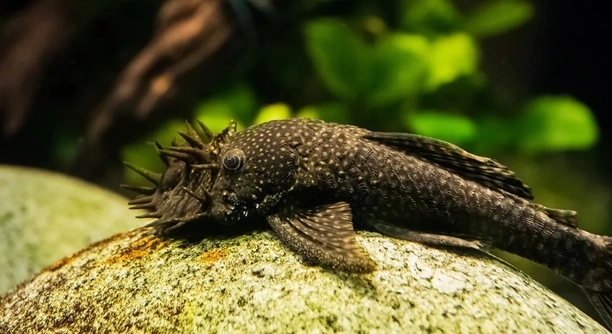
Have you ever looked into your aquarium and noticed your pleco scaling the glass as if it were exploring a new world? This behavior might seem strange, but it’s actually quite common among pleco owners.
Plecos often climb the aquarium glass due to natural instincts, environmental factors, or stress. This behavior helps them search for food, oxygen-rich areas, or escape from poor water quality. It can also indicate insufficient hiding spaces or tank imbalance.
Understanding what drives this behavior can help you ensure your pleco feels safe, healthy, and comfortable in its aquatic home.
Reasons Plecos Climb Aquarium Glass
Plecos climbing the glass can happen for several reasons. One common cause is searching for food. They naturally graze on surfaces, and glass gives them a smooth area to explore. Water quality also plays a role. High ammonia, nitrite, or nitrate levels may stress your pleco, prompting it to move away from the substrate. Insufficient oxygen is another factor. Plecos may move toward the surface or glass where water circulation is higher. Tank setup matters too. Without enough hiding spots or decorations, plecos feel exposed and may wander the glass for security. Lighting can influence behavior as well; bright lights make plecos uncomfortable, encouraging them to explore areas with less direct exposure. Even boredom contributes—these fish are intelligent and need stimulation to remain calm. Observing their climbing helps you notice changes in health, appetite, or behavior.
Stress or curiosity can drive your pleco to explore the glass.
By adjusting tank conditions, you can reduce climbing. Ensure proper filtration, add hiding spots, and monitor water parameters consistently. A balanced diet and gentle lighting help your pleco feel secure. Regular observation allows you to notice early signs of stress or illness. Adding driftwood or rocks provides surfaces for grazing, keeping them engaged. Plecos are active at night, so daytime climbing may indicate environmental discomfort. Monitoring oxygen levels and performing partial water changes can create a healthier habitat. Attention to these details prevents repetitive climbing behavior and supports overall well-being. Small changes often lead to noticeable improvements in your pleco’s comfort and health.
How to Improve Your Pleco’s Habitat
Proper tank conditions reduce glass climbing. Focus on water quality, temperature, and hiding spaces.
Plecos need a stable environment. Maintaining the right temperature and water chemistry is essential for their health. Adding caves, plants, or driftwood gives them security and natural grazing areas. Keeping a clean tank with partial water changes ensures they stay active without stress. Observing their behavior helps you identify what makes them comfortable. Adjusting lighting and feeding routines also influences activity patterns. Creating a structured environment lets plecos explore safely without constant glass climbing. Over time, they become more settled and display natural behaviors rather than stress responses. Consistency in care builds trust between the fish and its environment.
Feeding and Diet Considerations
Plecos climb the glass when they are hungry or searching for food. Uneaten algae wafers or uneven feeding schedules can make them explore unusual spots in the tank. A balanced diet helps reduce this behavior.
Providing a mix of algae wafers, vegetables, and occasional protein treats keeps plecos satisfied. Some plecos are picky and may ignore certain foods, prompting them to search surfaces for leftover particles. Fresh vegetables like zucchini or cucumber help them graze naturally. Monitoring how much they eat and removing uneaten food prevents water quality issues. Overfeeding can cause similar stress, so portion control is important. Feeding at consistent times encourages healthy routines.
Introducing sinking foods and rotating diet options can reduce excessive glass climbing. Plecos naturally graze on surfaces, but offering varied foods mimics their natural behavior. Watching their response to different foods helps you identify preferences and ensures nutritional balance. When they are well-fed and engaged, they focus less on climbing glass and more on exploring hiding spots. This approach improves overall health and activity levels.
Tank Environment and Decorations
Plecos feel safer with hiding spots, driftwood, and plants. Empty tanks increase climbing behavior.
Adding caves, driftwood, and dense plants provides security and surfaces for grazing. Plecos naturally hide during the day, so decorations reduce stress-related glass climbing. Proper substrate also supports natural behaviors.
A well-decorated tank mimics natural habitats. Driftwood not only provides hiding spots but also releases beneficial tannins, slightly lowering pH and supporting digestive health. Plants absorb excess nutrients, helping water quality and giving plecos a sense of security. Rocks or ceramic caves create vertical spaces where plecos can rest or explore. Avoid overcrowding to prevent stress. Lighting should be moderate, as too much brightness encourages hiding or climbing glass. Regularly rearranging decorations slightly keeps them engaged without causing stress. A thoughtfully structured environment reduces climbing behavior and supports natural activity patterns, making plecos calmer and healthier overall.
Water Quality and Oxygen Levels
Poor water quality often drives plecos to climb the glass. High ammonia, nitrites, or nitrates can stress them, making them search for cleaner areas. Regular testing is essential to maintain a safe environment.
Low oxygen levels also encourage glass climbing. Proper filtration and surface agitation improve oxygen distribution, keeping plecos comfortable and reducing stress-related behavior.
Nighttime Activity Patterns
Plecos are naturally nocturnal and more active at night. Climbing glass during the day can indicate restlessness or disrupted sleep cycles caused by lighting or tank disturbances. Ensuring a quiet, dim environment during the day helps them establish a healthy routine and reduces daytime climbing.
Stress and Behavioral Indicators
Stress in plecos can manifest as frequent glass climbing, rapid gill movement, or hiding excessively. Identifying these behaviors early allows adjustments to diet, tank setup, or water conditions to improve comfort and health.
Monitoring and Observation
Keeping an eye on your pleco’s daily behavior helps spot changes early. Noting climbing patterns, feeding habits, and interactions with decorations provides insight into overall well-being and tank suitability.
FAQ
Why is my pleco climbing the glass constantly?
Constant glass climbing usually points to stress, poor water quality, or insufficient hiding spots. Plecos feel vulnerable without places to rest, and they may explore glass to find comfort. Checking water parameters, adding decorations, and observing behavior often reduce this activity.
Is it normal for plecos to climb glass occasionally?
Yes, occasional climbing is natural. Plecos graze on surfaces, search for food, and explore their environment. Short bursts of climbing aren’t a concern as long as they have proper diet, hiding spots, and water conditions.
Can glass climbing harm my pleco?
Glass climbing itself is not harmful, but it can indicate underlying problems. If stress, poor water quality, or lack of shelter persist, plecos may become weak or susceptible to illness. Addressing tank conditions prevents long-term health issues.
How can I reduce my pleco’s glass climbing?
Ensure clean water, provide hiding spots like caves or driftwood, and maintain consistent lighting. Feeding balanced foods and observing their behavior helps create a comfortable environment, reducing stress-driven climbing.
Does tank size affect climbing behavior?
Yes, small tanks can make plecos feel cramped and stressed. Larger tanks with enough vertical and horizontal space allow natural grazing and resting behavior, reducing the need to climb glass.
What foods help reduce climbing behavior?
A mix of algae wafers, fresh vegetables, and occasional protein treats satisfies natural grazing instincts. Well-fed plecos are less likely to climb the glass excessively, as they focus on resting and exploring safe surfaces.
How often should I test water quality?
Regular testing is essential. Checking ammonia, nitrite, nitrate, and pH levels at least weekly helps catch issues early. Poor water quality is one of the main reasons plecos climb glass frequently.
Do plecos need nighttime hiding spaces?
Yes, plecos are nocturnal and prefer hiding during the day. Providing caves, driftwood, and plants reduces stress and prevents daytime climbing caused by restlessness.
Can lighting affect climbing behavior?
Bright lights can stress plecos, prompting them to climb glass to find shaded areas. Moderate lighting and a natural day-night cycle help them feel secure and reduce unnecessary activity.
Is it normal for plecos to explore all tank surfaces?
Yes, plecos are curious and like to graze. However, frequent glass climbing combined with other stress indicators may signal problems. Observing their overall behavior helps differentiate normal exploration from stress responses.
How do I know if climbing is due to stress or hunger?
Stress-driven climbing often includes rapid gill movement, hiding, or erratic swimming. Hunger-driven climbing is usually near feeding times. Adjusting diet, tank setup, and water quality helps determine the cause.
Are some pleco species more prone to climbing?
Yes, certain species, like the common pleco, are more active and surface-oriented. Understanding your species’ natural habits helps manage expectations and tank setup to reduce climbing behavior.
Can rearranging decorations help?
Yes, occasional rearrangement provides mental stimulation without causing stress. It encourages natural exploration and reduces repetitive climbing, keeping plecos engaged and comfortable in their habitat.
Should I worry if my pleco climbs at night?
Nighttime climbing is usually normal because plecos are nocturnal. Concern arises only if it’s accompanied by unusual swimming, loss of appetite, or rapid gill movement, indicating possible stress or health issues.
Can tank mates influence climbing behavior?
Aggressive or territorial tank mates can stress plecos, prompting glass climbing to escape. Choosing compatible species and providing hiding spots minimizes stress-driven behavior.
Does water temperature affect climbing?
Temperature outside the species’ preferred range can stress plecos, leading to climbing behavior. Maintaining stable, species-appropriate temperatures is important for comfort and natural activity.
How long should I monitor before taking action?
Observe for several days to a week. Consistent patterns of climbing, combined with other stress indicators, justify adjustments to diet, water quality, or habitat for your pleco’s well-being.
Can climbing indicate illness?
Yes, unusual climbing paired with lethargy, discoloration, or loss of appetite can indicate illness. Addressing water quality, diet, and consulting a veterinarian or experienced aquarist ensures proper care.
What is the best way to enrich a pleco’s tank?
Adding driftwood, caves, plants, and varied surfaces for grazing keeps plecos mentally stimulated. Enrichment reduces boredom and unnecessary climbing, encouraging natural behaviors and a healthier fish.
How often should I feed my pleco?
Feeding once daily is usually sufficient, with occasional fresh vegetables or protein treats. Consistent feeding schedules reduce searching and glass-climbing behavior caused by hunger or irregular routines.
Can glass climbing be completely stopped?
Completely stopping climbing is unrealistic because grazing and exploring are natural. The goal is to minimize stress-driven climbing through proper diet, water quality, hiding spots, and habitat enrichment, keeping plecos comfortable and healthy.
This FAQ section provides a detailed look into why plecos climb glass, offering practical solutions to reduce stress and support their natural behaviors.
Final Thoughts
Plecos climbing the aquarium glass is a behavior many owners notice and sometimes worry about. It can seem unusual at first, especially when your fish spends a lot of time exploring the vertical surfaces instead of resting or hiding. Understanding that this is often a normal behavior helps reduce concern. Plecos naturally graze, explore, and respond to their environment, so glass climbing can be part of their instinct. However, frequent climbing can also indicate that something in the tank needs attention. Water quality, oxygen levels, hiding spots, and diet all influence how comfortable and settled a pleco feels. Observing your fish carefully over time provides insight into whether climbing is a normal habit or a sign of stress.
Taking steps to create a healthy, balanced environment can make a noticeable difference. Regular water testing and partial water changes ensure the tank remains safe and clean. Adding driftwood, caves, plants, and other decorations gives plecos places to rest and feel secure, which often reduces climbing. Feeding a balanced diet with algae wafers, fresh vegetables, and occasional protein treats supports natural grazing behavior and overall health. Even small adjustments, like moderating lighting or adjusting tank temperature, can improve comfort. A well-maintained tank not only keeps plecos happy but also reduces the risk of illness, stress, and behavioral problems that cause excessive glass climbing. Paying attention to these details allows plecos to display natural behaviors while keeping their environment healthy and engaging.
It is also important to remember that plecos are individual creatures, and their habits can vary. Some plecos may climb more than others even in ideal conditions, and this is not necessarily harmful. Monitoring their behavior daily, noting changes in activity, appetite, or physical appearance, helps identify potential issues early. Providing consistent care and observing their responses to changes in diet, lighting, or tank setup creates a stable environment. Over time, plecos often become more settled, showing fewer stress-driven behaviors and more natural, comfortable activity. Focusing on creating a safe, enriched habitat ensures your pleco remains healthy, engaged, and content, and it helps you enjoy watching their unique personalities and behaviors in the aquarium.

Hello,
If you enjoy the content that we create, please consider saying a "Thank You!" by leaving a tip.
Every little bit helps us continue crafting quality advice that supports the health, happiness, and well-being of pets around the world, for pets of all shapes, sizes, and species.
We really appreciate the kindness and support that you show us!