
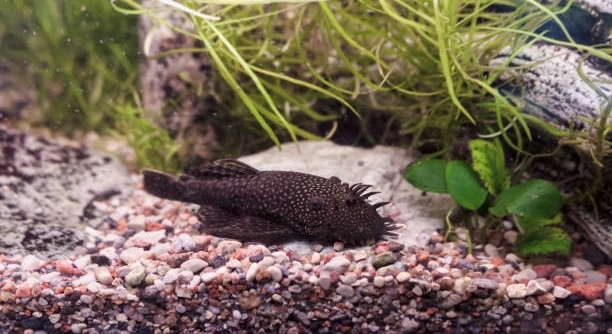
Have you ever wondered how Bristlenose Plecos perceive the sounds around them in their aquatic environment? These peaceful bottom-dwellers rely on subtle cues to navigate and interact with their surroundings beneath the water’s surface.
Bristlenose Plecos cannot hear high frequencies as humans or some other animals do. Their hearing is limited to low-frequency sounds, which they detect through specialized inner ear structures and lateral lines sensitive to vibrations in the water.
Understanding their hearing range offers insight into how these fascinating fish communicate and sense danger, helping aquarists create environments that support their comfort and well-being.
How Bristlenose Plecos Detect Sound
Bristlenose Plecos rely on low-frequency sounds and vibrations to sense their environment rather than hearing high-pitched tones. Their ability to detect these subtle movements comes from their specialized inner ear structure, which connects to their swim bladder. This connection helps them perceive pressure changes and vibrations in the water, allowing them to detect approaching objects, predators, or disturbances nearby. Unlike mammals that depend on air vibrations, Plecos use water-based signals to understand what’s happening around them. This adaptation is vital for survival, especially since their natural habitats often have murky waters where visibility is low and sound carries differently.
Their lateral line, a sensitive line of cells running along their body, also helps them pick up movements in the water. This sensory system works hand-in-hand with their hearing, giving them a detailed awareness of their surroundings.
By combining both senses, Bristlenose Plecos stay alert and responsive to even the slightest environmental change.
Why High Frequencies Don’t Reach Them
Bristlenose Plecos’ inner ear and swim bladder are designed to pick up low-frequency vibrations, not high-pitched sounds. The density of water also makes it harder for high frequencies to travel effectively, reducing their ability to perceive such tones.
Their natural habitats—slow-moving rivers and shaded freshwater streams—favor low-frequency communication. These environments produce deep, resonant sounds from flowing water, movement of debris, and aquatic life interactions. Plecos evolved to detect these lower frequencies, which provide the most useful information for survival. High frequencies, by contrast, fade quickly underwater and rarely signal danger or food sources in their habitat. The structure of their auditory system reflects this adaptation: their sensory hair cells are tuned to respond best to slower vibrations. As a result, they communicate and interpret cues primarily through low-pitched sounds and water vibrations, ensuring they stay safe and connected to their environment.
How Environment Affects Their Hearing
The quality of a Bristlenose Pleco’s hearing depends on its surrounding environment. Water temperature, clarity, and movement can change how sound travels, influencing how effectively the fish detects vibrations or low-frequency noises in its tank or natural habitat.
In calm, clear water, sound waves travel more efficiently, helping Plecos pick up even faint vibrations. However, in murky or turbulent conditions, noise from filters, air pumps, or splashing can interfere with their perception. This overstimulation can cause stress or make it difficult for them to distinguish between real threats and background noise. Providing a quiet, stable tank environment with minimal disturbance supports their natural sensory balance and comfort. Avoiding excessive equipment noise and maintaining steady water flow can greatly enhance how well they perceive and respond to their surroundings.
By controlling these conditions, aquarists can help Plecos remain calm and behave more naturally within their aquarium setup.
The Role of the Lateral Line System
The lateral line system plays a major role in how Bristlenose Plecos interpret sound and movement. It’s a visible line of sensory pores running along their body, designed to detect pressure changes and vibrations caused by movement in the surrounding water.
Each pore in the lateral line contains sensory hair cells that react when water movement passes over them. This allows Plecos to detect predators, other fish, or even falling food particles without relying on sight. In an aquarium, it helps them adjust their behavior in response to tank mates or water flow. Because of this sensory system, they can sense feeding times, navigate through obstacles, and respond to disturbances almost instantly. Maintaining clean, stable water conditions keeps the lateral line sensitive and functional, ensuring your Pleco stays aware and confident in its environment.
How They React to Sounds in Captivity
Bristlenose Plecos tend to stay calm in peaceful environments but can become startled by sudden loud noises. Vibrations from footsteps, music, or banging near the tank can cause them to retreat to hiding spots or remain still for long periods.
They often adapt over time to gentle, consistent sounds, such as soft filter hums or background noise. However, unpredictable or sharp vibrations may trigger stress, making them more cautious or less active. Maintaining a steady, quiet environment helps them feel secure and reduces unnecessary stress responses.
The Importance of Stable Conditions
A stable and low-noise aquarium benefits Bristlenose Plecos both physically and behaviorally. Consistent lighting, minimal movement around the tank, and properly maintained equipment help prevent sensory overload. When conditions remain predictable, they show healthier feeding habits, better coloration, and more natural behavior patterns.
Signs of Stress from Noise
When overstimulated by constant vibrations or loud sounds, Plecos may hide excessively, refuse food, or change their usual resting spots. Keeping noise levels low allows them to thrive in a balanced and stress-free environment.
FAQ
Can Bristlenose Plecos hear humans talking or music?
Bristlenose Plecos cannot detect high-frequency sounds like human speech or music. Their hearing is limited to low-frequency vibrations transmitted through water. While you might see them react to sudden tank vibrations caused by movement, clinking, or tapping, normal conversation or music usually goes unnoticed by them.
Do they respond to tapping on the glass?
Yes, tapping on the aquarium glass produces low-frequency vibrations that Plecos can detect. These vibrations often startle them, causing them to hide or remain still. Repeated tapping can stress them, so it is best to avoid making sudden noises near the tank. Their sensitivity allows them to detect potential danger even when it seems minor to humans.
Are Plecos sensitive to filter or pump noise?
Plecos gradually adjust to the steady hum of filters or air pumps. Sudden changes in equipment noise, like a new pump or fluctuating flow, can stress them temporarily. Consistency is key—keeping equipment running smoothly without abrupt interruptions helps them feel secure in their environment.
Do Plecos communicate through sound?
While they do not produce audible sounds humans can hear, Plecos use water vibrations to communicate. Gentle rubbing, scraping, or tail movements create low-frequency vibrations detectable by other Plecos nearby. These signals help them establish territory, warn of danger, or coordinate during feeding.
Can high-frequency alarms or devices harm them?
Devices emitting high-frequency sounds generally do not affect Plecos directly because they cannot hear these frequencies. However, if the device also generates vibrations or sudden changes in water movement, it could stress them. Monitoring their behavior when introducing any new equipment is important to prevent unnecessary stress.
Do Plecos react differently in groups compared to alone?
Yes, in a group, Plecos often feel more secure because they can detect vibrations from tank mates, which helps them interpret environmental changes. Alone, they may be more cautious and react faster to sudden vibrations. Group dynamics can reduce stress and improve overall confidence in the tank.
How can I tell if my Pleco is stressed by noise?
Signs of stress include excessive hiding, refusal to eat, rapid gill movement, or sudden changes in coloration. Observing their behavior regularly allows you to identify stress triggers and adjust the tank environment. Ensuring minimal disturbances and stable conditions is crucial for their well-being.
Is water flow a factor in how they hear?
Yes, water flow affects vibration detection. Strong currents can mask subtle vibrations, while stagnant water makes them more noticeable. Maintaining gentle, consistent flow allows Plecos to interpret vibrations accurately and reduces unnecessary stress caused by excessive turbulence.
Do different tank materials affect their sensitivity?
Glass, acrylic, and other tank materials transmit vibrations differently. Glass tanks transmit vibrations clearly, making Plecos more responsive to tapping or movement near the aquarium. Acrylic tanks can dampen certain vibrations, slightly reducing their sensitivity. Knowing this helps manage their response to outside disturbances.
Can diet or health affect their hearing sensitivity?
A healthy Pleco is more responsive to vibrations and environmental changes. Illness, poor diet, or stress can reduce responsiveness, making them less aware of nearby disturbances. Providing a balanced diet and proper care ensures their sensory systems function optimally.
How do they detect food in the tank?
Plecos use vibrations created by moving food or other fish to locate meals. They rely on their lateral line system and low-frequency hearing rather than sight. Dropping food gently in the same area regularly helps them recognize feeding signals and feel secure during mealtime.
Do they become desensitized to repeated sounds?
Yes, Plecos can become accustomed to regular, predictable noises such as filter hums or gentle water movement. Over time, these sounds no longer startle them. Sudden, unpredictable noises, however, still trigger stress responses, so consistency in their environment is important.
Are younger Plecos more sensitive than adults?
Juvenile Plecos tend to be more cautious and reactive to vibrations because they are smaller and more vulnerable. Adults may be bolder and less easily startled. Providing hiding spots and gentle environmental conditions helps younger Plecos adjust and feel safe.
Does tank size influence their reaction to noise?
In smaller tanks, vibrations travel more easily and can be more startling. Larger tanks can diffuse sudden noises but may make it harder for Plecos to detect low-frequency signals from feeding or tank mates. Balancing tank size and environmental stability ensures comfort.
How do they sense other fish nearby?
Plecos detect nearby fish through vibrations created by swimming, feeding, or bumping into objects. Their lateral line system allows them to monitor movement without direct sight, helping them navigate, avoid conflict, and respond to changes in their surroundings efficiently.
Are some Plecos more sensitive than others?
Individual sensitivity varies. Some Plecos are naturally more cautious, reacting to minor vibrations, while others remain calm. Observing each fish helps tailor environmental adjustments to reduce stress and support their natural behavior patterns.
Can I use vibration-free decorations to reduce stress?
Yes, decorations that absorb or dampen vibrations, like smooth rocks, plants, or driftwood, can reduce stress. They help Plecos feel secure and provide hiding spots, creating a quieter environment where vibrations are less noticeable and less likely to trigger panic.
Does nighttime behavior differ in hearing sensitivity?
At night, Plecos are less active but remain sensitive to vibrations. Sudden disturbances during their resting period can startle them. Reducing external movement and maintaining calm conditions at night helps support their natural circadian rhythm and reduces stress.
How often should I monitor their response to noise?
Daily observation is ideal. Watching how they react to equipment, movements, and feeding allows you to identify stress triggers and make gradual adjustments. Consistent monitoring ensures they stay healthy, calm, and responsive in their environment.
Do Plecos ever ignore vibrations intentionally?
Yes, when a Pleco feels secure or familiar with certain vibrations, it may ignore them. Predictable environmental sounds, routine feeding signals, and harmless tank movements are often disregarded. This selective response indicates their adaptation to stable conditions and growing confidence in the tank.
How can I create a quieter environment?
Minimizing sudden movements near the tank, using stable equipment, and providing hiding places reduces unnecessary vibrations. Soft substrate, dense plants, and smooth decorations also dampen sound, helping Plecos feel safe and behave naturally.
What is the role of hiding spots in vibration sensitivity?
Hiding spots allow Plecos to retreat when detecting vibrations that may indicate danger. They help reduce stress, improve confidence, and give the fish control over their exposure to environmental disturbances. Consistent, well-placed hiding areas support both physical and behavioral health.
Final Thoughts
Bristlenose Plecos are fascinating fish, especially in how they perceive their environment. Unlike humans, they do not rely on high-frequency sounds, and their hearing is limited to low-frequency vibrations transmitted through water. This unique sensory system allows them to detect predators, other fish, and changes in their surroundings without needing to see everything. Their lateral line system works alongside their inner ear to pick up these vibrations, giving them a kind of awareness that seems subtle but is actually very precise. Because of this, they respond to sudden movements or changes in water pressure more than the sounds humans usually make. Understanding how Plecos interpret vibrations can help aquarists provide a comfortable and low-stress environment, which is crucial for their health and behavior.
Environmental factors play a major role in how effectively Plecos perceive vibrations. Water clarity, flow, and temperature can all influence how sound travels and how sensitive the fish are to vibrations. In calm and stable conditions, Plecos can detect subtle signals more easily, whereas turbulent or noisy conditions may overwhelm them and cause stress. Equipment such as filters or pumps can create constant background vibrations that Plecos gradually adapt to, but sudden or irregular noises still startle them. By keeping the aquarium environment predictable and gentle, it is possible to reduce unnecessary stress and support natural behaviors like feeding, exploring, and interacting with other tank inhabitants. Even small adjustments, such as soft substrates or strategically placed hiding spots, can make a noticeable difference in their comfort and confidence.
Observing Plecos closely provides insight into their unique sensory world. Their reactions to vibrations, movements, and tank conditions reflect both their health and emotional state. Signs of stress, such as hiding, refusal to eat, or unusual activity, indicate that the environment may need adjustment. Providing proper care, including a balanced diet, consistent water conditions, and low-stress surroundings, helps Plecos thrive. Understanding their limits and needs allows aquarists to create a space where Plecos feel secure, explore naturally, and display their full range of behaviors. Awareness of their hearing and vibration sensitivity is not just a curiosity—it directly impacts their well-being and long-term health, making it an essential part of responsible fish care.

Hello,
If you enjoy the content that we create, please consider saying a "Thank You!" by leaving a tip.
Every little bit helps us continue crafting quality advice that supports the health, happiness, and well-being of pets around the world, for pets of all shapes, sizes, and species.
We really appreciate the kindness and support that you show us!