
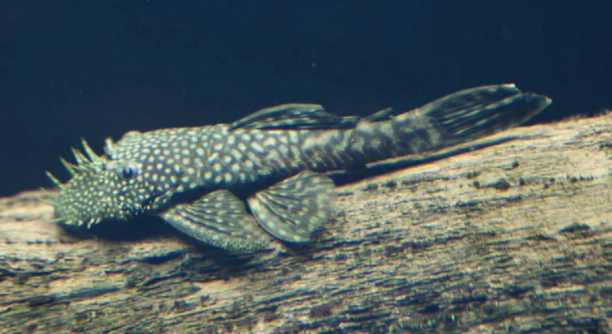
Do your plecos sometimes hide for hours, leaving you unsure if they are eating properly or avoiding food? Their secretive nature can make feeding times feel frustrating and confusing for any aquarist.
Plecos may refuse to come out to feed due to stress, poor water conditions, inadequate lighting, or insufficient hiding spots. Ensuring proper tank maintenance, appropriate diet, and a comfortable environment encourages regular feeding behavior and overall health.
Understanding the reasons behind their behavior can help you adjust care routines and maintain a thriving aquarium with active, healthy plecos.
Common Reasons Plecos Hide During Feeding
Plecos are naturally nocturnal and can be shy around bright lights or sudden movements. They may hide if they feel stressed by other fish or changes in the tank. Water quality plays a major role in their activity. High ammonia, nitrite, or nitrate levels can make plecos uncomfortable, causing them to stay in hiding. Temperature fluctuations also affect their metabolism and appetite, reducing their willingness to feed. A lack of proper hiding spots may make them feel exposed and vulnerable. Some plecos are more cautious and need extended periods to adjust to a new tank or tank mates. Feeding at inconsistent times can also confuse them, making them reluctant to come out. Observing your pleco’s behavior over several days can help identify patterns. Adjusting lighting, providing shelters, and maintaining stable water parameters often encourages them to feed more consistently.
Creating a calm environment with dimmed lighting helps plecos feel safe and more likely to eat on schedule.
Providing multiple hiding areas, keeping the water clean, and feeding at regular intervals encourages plecos to be more active and visible. Observing these patterns closely allows you to tailor care to each fish’s personality, helping them develop trust in their environment. Over time, shy plecos often become more comfortable exploring and feeding openly. Even small improvements in tank conditions or feeding methods can make a significant difference. Some plecos prefer vegetables like zucchini or cucumber, while others favor algae wafers, so offering variety can stimulate interest. Ensuring there are no aggressive tank mates reduces stress, further encouraging regular feeding. Tracking water parameters, such as pH and temperature, supports stable conditions that plecos favor. Gentle movement near the tank can help them get used to human presence without causing fear. With consistent care, plecos will gradually develop predictable feeding habits and healthier behavior patterns.
Adjusting Feeding Techniques
Observing your pleco’s preferred feeding times can improve their willingness to eat.
Offering food near hiding spots encourages plecos to emerge gradually. Try placing vegetables or algae wafers close to their shelter rather than the center of the tank. Feeding smaller portions multiple times a day can also help. Some plecos are hesitant to compete with faster fish, so isolated feeding periods reduce pressure. Adjusting the timing to match their nocturnal activity, such as feeding after lights go dim, often increases participation. Keeping a calm, steady approach rather than sudden movements ensures they feel safe. Understanding each pleco’s habits allows you to refine feeding practices for better results.
Tracking their preferences and experimenting with food placement ensures plecos get proper nutrition without stress. Some species are bottom dwellers that prefer sinking foods, while others might explore slightly higher spots. Consistency in timing, food type, and environment reduces anxiety. You can also provide occasional treats like blanched vegetables to encourage feeding. Separating fast-moving fish during meals ensures shy plecos have space to feed. Noticing small changes in behavior signals when adjustments are needed. Observing how plecos respond to different foods or feeding locations helps develop a routine that aligns with their natural habits. This approach improves overall health and reduces the likelihood of hiding due to stress or fear. Maintaining a clean tank and stable parameters further supports regular feeding. Over time, careful observation and minor adjustments create a comfortable and predictable feeding environment where plecos can thrive.
Environmental Adjustments to Encourage Feeding
Dim lighting often helps plecos feel safer and reduces stress. Hiding spots like caves, driftwood, or PVC tubes make them more willing to come out. Stable water temperature and clean conditions are also key to regular feeding behavior.
Adjusting the tank environment to suit your pleco’s natural tendencies can significantly improve feeding response. Adding multiple shelters and shaded areas reduces anxiety from bright lights or active tank mates. Maintaining consistent water parameters, including pH, temperature, and cleanliness, minimizes stress that can suppress appetite. Observing how your pleco reacts to each change helps refine the setup. Even slight modifications, like rearranging decorations or adding floating plants, can create a sense of security. Proper acclimation for new plecos is crucial, as sudden changes often make them hide longer. By carefully adjusting the environment, plecos gradually become more confident during feeding times and interact more visibly.
Providing a stable and secure environment also improves overall health. Plecos are sensitive to water fluctuations, so regular monitoring prevents sudden changes. Combining proper hiding spots with gradual feeding adjustments ensures they feel comfortable and ready to eat. Keeping a consistent schedule and observing responses helps maintain their confidence. Over time, these small changes promote consistent feeding habits and reduce hiding behavior, leading to healthier and more active plecos. Environmental adjustments directly influence their willingness to eat, demonstrating the importance of tailored tank conditions.
Feeding Alternatives for Shy Plecos
Sinking foods and vegetables placed near hiding spots increase chances of reluctant plecos feeding. Feeding smaller portions more frequently reduces competition from faster fish.
Offering food alternatives that match plecos’ natural preferences encourages more consistent eating. Algae wafers, blanched zucchini, cucumber, and spinach can be placed near caves or hiding areas to entice shy fish. Some plecos respond better to fresh vegetables than commercial pellets, while others prefer sinking wafers that allow them to feed without leaving shelter. Adjusting feeding times to low-light periods or when the tank is quiet also helps. Providing variety keeps them interested and ensures they receive necessary nutrients. Observing which foods they accept most readily allows you to develop a routine that suits each individual fish. Over time, shy plecos often begin venturing out more confidently for meals, improving their overall health and activity.
Tracking feeding responses and adjusting food type, location, and timing can make a significant difference for shy plecos. By offering diverse options and monitoring intake, you can prevent stress-related hiding and encourage regular eating patterns. Combining consistent feeding methods with a stable environment ensures optimal health. Experimenting with new vegetables or sinking foods while keeping portions small allows plecos to explore without pressure. Adjustments should be gradual, avoiding sudden changes that may trigger fear. Even subtle improvements, like placing food near familiar hiding spots or offering treats at specific times, can increase visibility and participation. Ultimately, consistent observation and minor modifications in feeding strategies foster a comfortable routine, promoting confidence and well-being for shy plecos.
Timing and Observation
Feeding plecos during low-light periods often increases activity. Watching their natural patterns helps identify the best feeding times.
Noticing when your pleco is most active allows you to adjust feeding schedules. Evening or nighttime feedings usually yield better results for shy or nocturnal plecos.
Tank Mates Influence
Aggressive or fast-moving fish can prevent plecos from feeding. Ensuring peaceful companions reduces stress and encourages regular eating behavior.
Food Placement Strategies
Placing food near the bottom or close to hiding spots ensures shy plecos can access it safely without feeling exposed. Proper placement encourages consistent feeding.
Monitoring Health Signs
Sudden hiding or refusal to eat may indicate illness. Regular observation helps detect early health issues and maintain well-being.
FAQ
Why won’t my pleco come out to eat?
Plecos may hide due to stress, poor water quality, bright lighting, or aggressive tank mates. Nocturnal behavior also plays a role, as plecos naturally prefer feeding during low-light periods. Providing hiding spots and observing their routine helps identify the cause.
How can I encourage a shy pleco to feed?
Start by placing food near their shelter or hiding spots. Dim the lighting during feeding times and offer smaller portions more frequently. Isolating them from faster or aggressive fish can also reduce stress and improve feeding behavior.
What foods are best for plecos that refuse to eat?
Sinking wafers, blanched vegetables like zucchini, cucumber, and spinach are ideal. Some plecos prefer fresh vegetables over pellets. Offering variety and placing food close to their shelter encourages reluctant feeders to try different options.
Can water quality affect feeding behavior?
Yes. High ammonia, nitrite, nitrate levels, or inconsistent temperature can make plecos stressed and reluctant to eat. Regular testing and water changes help maintain a stable environment, improving appetite and activity.
How often should I feed a pleco that hides?
Smaller, more frequent feedings often work best. Plecos may avoid food if it is placed all at once or if other fish dominate the feeding area. Observing their habits helps determine an effective schedule.
Do plecos prefer feeding at certain times?
Yes. Most plecos are nocturnal or crepuscular. Feeding them during low-light periods, such as evening or night, aligns with their natural behavior and encourages more consistent eating.
Will tank mates prevent my pleco from eating?
Aggressive or fast-moving fish can intimidate plecos and prevent them from accessing food. Providing hiding spots or feeding during quieter times can help shy plecos eat without stress.
How long can a pleco go without eating?
Healthy adult plecos can survive for a few weeks without food, relying on stored energy. However, prolonged fasting can weaken them. Observing their behavior and gradually encouraging feeding is important for long-term health.
What environmental changes help improve feeding?
Adding caves, driftwood, or PVC tubes for hiding, dimming the lights, and maintaining stable water conditions all support natural behavior. Gradual changes prevent stress and encourage regular feeding.
How do I know if my pleco is stressed?
Signs include hiding constantly, rapid breathing, erratic swimming, or refusing food. Stress often arises from poor water quality, aggressive tank mates, or sudden environmental changes. Identifying and correcting these factors improves feeding and health.
Can I hand-feed a pleco?
Some plecos can learn to eat near your hand, but it requires patience. Using small pieces of vegetables or wafers placed near your hand can help build trust over time.
Is it normal for plecos to hide all day?
Yes, especially if they are nocturnal or newly introduced to the tank. Hiding during daylight hours is typical, but consistent refusal to feed may indicate stress or poor conditions.
How can I track if my pleco is eating enough?
Observe how much food disappears and monitor their activity levels. Healthy plecos will gradually gain weight and appear more active during their feeding periods.
Should I separate my pleco if it refuses to eat?
Temporarily isolating shy plecos during feeding can reduce competition and encourage them to eat. Make sure the separate area replicates hiding spots and stable water conditions for comfort.
Can lighting changes affect feeding habits?
Yes. Bright overhead lighting can make plecos feel exposed. Dimmed or indirect lighting, especially during feeding, helps them feel secure and encourages regular eating behavior.
How long does it take for a shy pleco to start feeding regularly?
It varies. Some adjust within days, while others may take weeks. Consistent environmental adjustments, proper food placement, and monitoring stress levels accelerate the process.
What role does tank layout play in feeding?
Caves, driftwood, and plants create safe zones. Properly spaced decorations reduce territorial disputes and stress, allowing shy plecos to feed more confidently.
Can temperature fluctuations affect appetite?
Yes. Plecos prefer stable temperatures. Sudden changes slow metabolism and can reduce feeding. Maintaining consistent warmth encourages normal eating behavior.
Is it normal for plecos to eat less in new tanks?
Yes. New environments cause stress and require acclimation. Providing hiding spots, low-light feeding, and patient observation helps them gradually adapt and eat regularly.
What should I do if my pleco still refuses to eat after adjustments?
Consult a veterinarian experienced with fish. Persistent refusal may indicate illness or internal stress that requires professional care. Continuous observation and minor adjustments are essential while monitoring for other health signs.
Final Thoughts
Plecos are fascinating fish, but their shy and nocturnal nature can make feeding a challenge. It is important to remember that hiding is often normal behavior. Many plecos naturally spend daylight hours in shelters and become more active at night. Understanding this behavior is the first step toward helping them feed more consistently. Providing a calm and secure environment helps reduce stress, which is a major factor in reluctance to eat. By observing your pleco’s patterns, you can adjust feeding times and placement of food to better match their habits. It is also important to ensure water quality remains stable, as poor conditions can cause both stress and health issues. Even small improvements in tank setup, such as adding caves, driftwood, or plants, can significantly encourage plecos to come out for food.
Consistency plays a crucial role in helping shy plecos develop regular feeding habits. Offering food during low-light periods or quieter times of the day aligns with their natural behavior. Smaller, more frequent feedings can be more effective than providing a single large portion, especially if other fish are present in the tank. Using a variety of foods, such as sinking wafers or blanched vegetables, can stimulate interest and ensure they receive proper nutrition. Observing how each pleco responds to different food types and feeding strategies allows you to refine your approach. Over time, these adjustments often lead to more confident behavior and healthier fish. Even if progress is slow, patience and careful attention to both diet and environment usually result in improved feeding habits.
Monitoring your pleco’s overall health is just as important as adjusting feeding routines. Hiding for short periods is often normal, but sudden or prolonged refusal to eat may signal stress, illness, or unsuitable tank conditions. Keeping a close eye on activity levels, breathing, and physical appearance helps detect issues early. Providing a stable, comfortable habitat with adequate hiding spots and proper water conditions supports both feeding and general well-being. Feeding shy plecos requires a balance of patience, observation, and environmental adjustments. By following these strategies, plecos are more likely to eat regularly, stay healthy, and display natural behaviors. Creating an environment that respects their needs ultimately results in happier, more active fish and a more satisfying aquarium experience.

Hello,
If you enjoy the content that we create, please consider saying a "Thank You!" by leaving a tip.
Every little bit helps us continue crafting quality advice that supports the health, happiness, and well-being of pets around the world, for pets of all shapes, sizes, and species.
We really appreciate the kindness and support that you show us!