
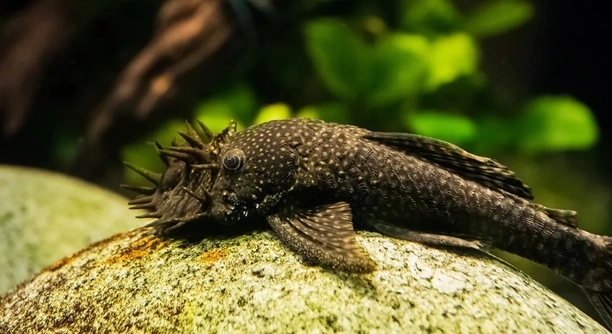
Do your juvenile plecos seem smaller than expected despite careful care? Growing plecos require the right mix of nutrients to develop properly. Feeding them suitable foods ensures their health, size, and overall well-being as they mature.
Juvenile plecos thrive on a diet rich in protein, vegetables, and algae-based foods. Providing a balanced combination of these essential nutrients supports skeletal growth, strengthens their immune system, and promotes proper development during critical early life stages.
Feeding them the right foods now can prevent long-term health issues and ensure your plecos grow strong and active in their aquarium.
Algae Wafers
Algae wafers are a staple for juvenile plecos. They provide essential nutrients while mimicking the natural algae these fish graze on in rivers. Most wafers sink slowly, giving your plecos time to feed at the bottom. They help maintain proper growth and support a healthy digestive system. Regular feeding prevents malnutrition and keeps your fish active. Some wafers also contain added vitamins, which can enhance immune function and overall health. Many plecos enjoy nibbling on them throughout the day. Keeping a consistent feeding schedule ensures they receive enough without overfeeding. Algae wafers can be paired with fresh vegetables to provide variety. Breaking larger wafers into smaller pieces can help younger plecos eat more comfortably. Over time, plecos learn to recognize them as a reliable food source. Rotating brands occasionally can prevent picky eating habits.
These wafers are convenient and provide balanced nutrition for growing plecos. They are easy to store and last long.
In addition to nutrition, algae wafers encourage natural foraging behavior. By scattering pieces in different spots, juvenile plecos explore their environment, reducing stress. This feeding method keeps them active and engaged. Combining wafers with occasional vegetable supplements ensures a complete diet. Plecos also benefit from the fiber in wafers, which aids digestion and keeps their digestive tract functioning smoothly. Many aquarists notice better growth rates and healthier appearance when wafers are a mainstay. Offering them in moderation prevents overfeeding and maintains water quality. Consistency in feeding helps plecos adapt to their tank routine while promoting steady growth.
Zucchini and Cucumber
Zucchini and cucumber are gentle, easy-to-digest vegetables for plecos. They provide vitamins and minerals essential for growth.
When prepared correctly, these vegetables become a perfect supplement to the diet. Slice them thinly or blanch them briefly to soften, making them easier for juveniles to eat. You can secure slices with clips or weights so they remain in place in the tank. Plecos will graze over several hours, slowly consuming nutrients while avoiding waste. These vegetables also provide hydration, which helps maintain overall health. Rotating zucchini and cucumber with other vegetables ensures variety. Many aquarists notice increased activity and interest during feeding times when fresh vegetables are offered. Offering them two to three times a week complements protein-rich foods and algae wafers, creating a well-rounded diet.
Juvenile plecos benefit from soft, nutrient-rich vegetables. This simple addition supports growth, promotes activity, and keeps them healthy in their tank environment.
Zucchini and cucumber provide a natural source of vitamins like A and C, essential for immune function and tissue growth. The fiber content aids digestion and prevents constipation. Plecos enjoy nibbling at the surfaces, simulating natural grazing behavior. Blanching vegetables slightly reduces the risk of sharp edges, making them safer for small mouths. Regularly offering these vegetables alongside algae wafers and occasional protein treats ensures balanced nutrition. Proper preparation and portion control also minimize leftover food, keeping water clean. Over time, incorporating zucchini and cucumber can improve coloration, overall vitality, and growth rate, making it a reliable dietary option for juvenile plecos.
If you want, I can continue with the next headers and their respective sections in the same format. Do you want me to continue?
Bloodworms
Bloodworms are a high-protein treat that supports juvenile pleco growth. They are best offered frozen or freeze-dried to maintain nutrition and reduce the risk of parasites.
Frozen bloodworms should be thawed before feeding. They are rich in protein and fat, helping plecos develop strong muscles and maintain energy. Offering them in small amounts prevents overfeeding and water pollution. Bloodworms can be used occasionally to supplement the primary diet, adding variety to keep juvenile plecos interested in their meals. Rotating bloodworms with vegetables and algae wafers ensures balanced nutrition while supporting growth and activity. Their bright color and texture make them appealing, encouraging even picky eaters to feed consistently.
Juvenile plecos benefit from the protein boost bloodworms provide. Careful portioning is important to prevent uneaten food from degrading water quality. By combining bloodworms with staples like algae wafers and vegetables, you can create a well-rounded feeding routine that promotes healthy development. Regular observation ensures plecos are consuming the food properly and gaining size steadily. Bloodworms also provide essential amino acids not always present in plant-based foods, making them a valuable dietary addition.
Peas
Peas are an excellent vegetable supplement for juvenile plecos, offering fiber and essential nutrients to aid digestion. They can be boiled or blanched before feeding to soften them.
Remove the skin before feeding peas to make them easier for plecos to eat. Boiling or steaming softens the flesh and prevents digestive issues. Peas contain carbohydrates, vitamins, and minerals that help maintain energy levels and support immune function. Offering them two to three times a week ensures plecos get the fiber they need for a healthy digestive system. Peas can also be mashed slightly to make them more accessible for smaller plecos.
Regular pea feeding improves digestive efficiency and encourages consistent growth. Their mild flavor is generally well-accepted, making them a reliable supplement to protein-rich foods and algae wafers. Combining peas with other vegetables adds variety, preventing boredom and promoting natural grazing behavior. Additionally, the fiber content helps prevent constipation and supports nutrient absorption from other foods. Preparing peas carefully and offering them in controlled portions ensures juvenile plecos gain maximum benefit while keeping the tank clean and maintaining water quality.
Spinach
Spinach is a nutrient-rich leafy vegetable that provides essential vitamins and minerals for juvenile plecos. Blanching it slightly softens the leaves, making it easier for small plecos to nibble.
Regular feeding of spinach supports overall health, strengthens the immune system, and promotes steady growth. Small portions prevent overfeeding and help maintain water quality.
Cucumbers
Cucumbers are soft, easy-to-digest, and hydrating for juvenile plecos. Slice them thinly to make them accessible. Their mild flavor encourages consistent feeding.
Sinking Pellets
High-quality sinking pellets provide balanced nutrition in every bite. They are formulated to include protein, fiber, and essential vitamins for growing plecos. Regular use ensures plecos get a consistent diet while promoting healthy growth.
Carrots
Carrots are rich in beta-carotene and fiber, helping juvenile plecos maintain strong immune systems and healthy digestion. Small, thin slices make feeding easier.
FAQ
What is the best diet for juvenile plecos?
A balanced diet for juvenile plecos includes a combination of algae wafers, fresh vegetables like zucchini, cucumber, and peas, and occasional protein-rich treats like bloodworms. This mix ensures proper growth, strong muscles, and a healthy digestive system while supporting overall immune function. Variety helps prevent picky eating.
How often should I feed my juvenile plecos?
Feeding should occur once or twice daily, depending on the tank size and number of plecos. Juveniles grow quickly, so consistent small meals are better than one large feeding. Uneaten food should be removed to prevent water quality issues.
Can juvenile plecos eat only vegetables?
Vegetables alone do not provide enough protein for juvenile plecos. While they are essential for fiber and vitamins, protein sources such as bloodworms, shrimp pellets, or sinking pellets are necessary for proper growth. A mix ensures a complete diet.
Are frozen or live foods better for plecos?
Both frozen and live foods are effective. Frozen foods like bloodworms are safe and easy to store. Live foods stimulate natural hunting behavior and provide enrichment, but must be sourced carefully to avoid parasites. A combination works best.
How can I prepare vegetables for plecos?
Vegetables should be sliced thinly or blanched to soften them. Peas should have their skins removed, while zucchini and cucumber can be lightly boiled. This makes it easier for juvenile plecos to eat and reduces the risk of digestive problems.
Is it safe to feed plecos algae only?
Algae alone is not sufficient. While algae wafers provide essential nutrients and mimic natural grazing, they do not fully meet protein requirements for growing plecos. Combining algae with vegetables and protein treats ensures proper development.
How much protein do juvenile plecos need?
Juvenile plecos require higher protein than adults to support rapid growth. Occasional feedings of bloodworms, sinking pellets, or shrimp-based foods provide the amino acids necessary for strong muscles and skeletal development. Overfeeding protein should be avoided to maintain water quality.
Can juvenile plecos overeat?
Yes, overfeeding can lead to obesity, poor water quality, and digestive problems. Offer small portions appropriate for their size, and remove uneaten food within a few hours to maintain a healthy environment.
How do I know if my plecos are growing properly?
Healthy juvenile plecos are active, have bright coloration, and steadily increase in size. Monitoring growth weekly helps identify dietary issues. Uneaten food or lethargy may indicate a need to adjust their diet or feeding schedule.
Are there foods to avoid for plecos?
Avoid processed human foods, salty snacks, and anything high in sugar or oil. Citrus, onions, and garlic can be harmful. Stick to algae wafers, vegetables, and approved protein sources for safe and effective growth.
Can I mix different food types in one feeding?
Yes, offering a combination of algae wafers, vegetables, and occasional protein treats encourages balanced nutrition. Mixing foods prevents boredom and ensures plecos receive all necessary nutrients for healthy growth.
Do plecos need supplements?
Generally, a balanced diet of algae wafers, vegetables, and protein sources provides sufficient vitamins and minerals. Supplements may be considered if deficiencies appear, but over-supplementing can be harmful. Observation of health and growth is key.
How do I prevent picky eating in juvenile plecos?
Rotate vegetables and protein sources regularly. Small, consistent feedings help them recognize different foods as acceptable. Avoid sudden large changes, which may stress them or cause refusal to eat. A varied diet maintains interest and ensures nutrition.
Can plecos eat frozen vegetables?
Yes, frozen vegetables like peas, zucchini, or spinach can be thawed and offered. They retain most nutrients and are convenient for storage. Blanching slightly after thawing can improve texture for smaller plecos.
What is the easiest way to monitor feeding?
Observe how much food is consumed within 2–3 hours. Adjust portions based on appetite and growth. Keeping a feeding log helps maintain consistency and prevents overfeeding while ensuring all plecos get adequate nutrition.
Are homemade pleco foods effective?
Homemade foods can be effective if they provide the right balance of protein, fiber, and vitamins. Combining pureed vegetables, algae, and protein sources into small pellets works, but consistency and storage are key to avoid spoilage.
Can juvenile plecos eat cucumbers and carrots together?
Yes, combining soft vegetables provides variety, encourages grazing, and supplies different nutrients. Thinly slice or blanch them to make eating easier and prevent leftovers from affecting water quality.
How long should it take for juvenile plecos to grow?
Growth rates vary by species, diet, and environment. With a balanced diet and proper care, most juvenile plecos grow steadily over several months. Regular monitoring and adjusting feeding routines ensures healthy development.
Is feeding at night better for plecos?
Plecos are naturally nocturnal, so feeding in the evening may align with their active periods. However, small consistent feedings during the day are acceptable if plecos are eating well and water quality is maintained.
Can I rely on store-bought pellets alone?
Sinking pellets provide balanced nutrition but should not be the only food. Combining pellets with vegetables and occasional protein treats ensures juvenile plecos receive all essential nutrients for proper growth and immune support.
What is the role of fiber in pleco diets?
Fiber from vegetables and algae wafers aids digestion, prevents constipation, and helps nutrient absorption. Regular inclusion of fibrous foods ensures the digestive system functions properly, especially during rapid juvenile growth.
Do plecos require vitamin supplements?
If their diet is varied and includes vegetables, algae wafers, and protein, additional supplements are generally unnecessary. Only consider supplementation if deficiencies are observed, and always follow proper dosing instructions.
How can I tell if my plecos are getting enough protein?
Healthy growth, active swimming, and proper body shape indicate adequate protein. Slow growth or thin bodies may suggest insufficient protein intake, prompting a review of feeding routines or adding protein-rich treats like bloodworms.
Are there seasonal considerations for feeding plecos?
Temperature affects metabolism. In warmer months, plecos eat more and grow faster, requiring slightly larger or more frequent feedings. In cooler periods, their appetite may decrease, and portion sizes should be reduced to prevent water quality issues.
Can juvenile plecos eat lettuce?
Yes, lettuce can be offered occasionally. Dark leafy varieties like romaine provide more nutrients than iceberg. Blanching softens the leaves and makes them easier for small plecos to consume.
Is it necessary to remove uneaten food immediately?
Yes, leftover food can decay, leading to poor water quality and potential illness. Removing uneaten portions after a few hours keeps the tank clean and prevents harmful bacteria buildup.
How do I balance protein and vegetable intake?
Offer protein sources like bloodworms or sinking pellets a few times a week, while providing vegetables daily or every other day. Adjust portions based on appetite and growth to ensure a healthy, balanced diet.
What foods promote coloration in plecos?
A mix of algae wafers, leafy vegetables, and occasional protein helps maintain vibrant colors. Foods rich in carotenoids, like carrots, enhance natural pigmentation over time without overfeeding.
Can juvenile plecos share food with other species?
Yes, but monitor interactions to ensure plecos are not outcompeted. Some tank mates may eat the food too quickly, leaving juveniles hungry. Adjust feeding strategy to guarantee all plecos receive adequate nutrition.
How do I introduce new foods to juvenile plecos?
Introduce new foods gradually by mixing small amounts with familiar items. Observe their reaction, and increase portions if accepted. This reduces stress and encourages consistent eating habits.
Are there foods that should be fed sparingly?
High-fat or very rich protein foods, like freeze-dried shrimp or bloodworms, should be limited to avoid digestive issues and maintain water quality. Use them as occasional treats rather than daily staples.
How can I ensure my plecos develop strong fins and bones?
A balanced diet with protein, calcium, vitamins, and fiber supports skeletal and fin growth. Regular feeding of algae wafers, vegetables, and occasional protein treats ensures proper nutrient intake for healthy development.
Can plecos eat cucumbers raw?
Yes, raw cucumber is soft enough for juvenile plecos when sliced thinly. It provides hydration and mild nutrients. Blanching is optional to make it even easier for small plecos to eat.
How do I prevent water contamination from feeding?
Feed in small amounts and remove uneaten food promptly. Use sinking foods to target the bottom feeders and monitor portions to maintain water quality, especially in smaller tanks.
Are there any supplements to improve growth rates?
If feeding a balanced diet, additional supplements are rarely needed. Focus on varied vegetables, algae wafers, and occasional protein treats to support natural growth without overloading the tank with unnecessary additives.
How important is variety in a pleco’s diet?
Variety prevents nutrient deficiencies, encourages active grazing, and reduces picky eating habits. Rotating vegetables, protein treats, and algae wafers ensures plecos receive all nutrients needed for growth and health.
Can juvenile plecos survive on pellets alone?
Pellets provide essential nutrients but should be supplemented with vegetables and occasional protein. A varied diet ensures proper growth, strong immunity, and healthy digestive function.
What is the best way to store pleco foods?
Store dried foods like algae wafers or pellets in a cool, dry place. Frozen or live foods should be kept in the freezer or appropriate containers to maintain freshness and prevent spoilage.
Can juvenile plecos eat cucumbers and zucchini together?
Yes, offering both provides fiber, hydration, and essential vitamins. Slicing or blanching them ensures juvenile plecos can easily graze and digest the vegetables properly.
How do I know if plecos are getting enough nutrients?
Healthy growth, vibrant colors, and active behavior indicate proper nutrition. Slow growth, pale coloration, or lethargy may signal dietary deficiencies, prompting adjustments to food variety and portions.
Are there foods that help with immune support?
Leafy vegetables, algae wafers, and protein treats provide vitamins and minerals that strengthen immunity. Regular, balanced feeding reduces susceptibility to disease and supports overall health.
Can plecos eat spinach regularly?
Yes, spinach is safe and nutritious. Offering it a few times a week provides vitamins and minerals while supporting digestion. Blanching improves texture for juvenile plecos.
What is the best feeding schedule for multiple juvenile plecos?
Feed small portions once or twice daily, ensuring all plecos access food. Observing eating habits helps adjust amounts and prevents overfeeding or competition among tank mates.
How long can plecos go without food?
Healthy juvenile plecos can survive a few days without food, but consistent feeding is essential for growth and development. Prolonged fasting can slow growth and weaken immunity.
Can plecos eat peas every day?
Peas can be offered two to three times a week to provide fiber and vitamins. Daily feeding may be excessive and can affect water quality if uneaten.
Do plecos need calcium supplements?
Calcium is generally obtained from vegetables, algae wafers, and protein foods. Only supplement if deficiencies are observed, as over-supplementation can cause health issues.
How do I prevent overfeeding bloodworms?
Offer small portions once or twice a week. Observe consumption and remove uneaten food. Combining bloodworms with vegetables and wafers ensures a balanced diet without overloading protein intake.
Can juvenile plecos eat carrots regularly?
Carrots can be offered several times a week. Their fiber and beta-carotene support digestion, immunity, and natural pigmentation. Blanching or slicing thinly helps smaller plecos feed comfortably.
Are there any feeding tips for picky eaters?
Rotate vegetables, algae wafers, and protein treats gradually. Mixing new foods with familiar items encourages acceptance. Small, consistent portions help picky juvenile plecos adjust to a varied diet.
What are signs of malnutrition in juvenile plecos?
Slow growth, thin bodies, pale coloration, lethargy, or loss of appetite may indicate malnutrition. Adjusting diet variety and portion sizes can correct deficiencies and restore health.
Can I feed juvenile plecos outside their normal active times?
Yes, they will eat during the day, but feeding in the evening aligns with natural nocturnal activity. Consistent timing helps maintain feeding routines and water quality.
How do I combine vegetables and protein for feeding?
Offer small amounts of protein treats alongside sliced or blanched vegetables. This ensures balanced nutrition, encourages natural grazing, and reduces the risk of selective feeding or nutrient gaps.
Are homemade pellets better than store-bought?
Homemade pellets can be effective if balanced, but require careful preparation and storage. Store-bought options are convenient, nutritionally balanced, and reduce spoilage risk.
How can I tell if my plecos like a new food?
Observation is key. If they actively nibble and consume most of the food, it is accepted. Gradually increase portion size once they consistently eat it.
Is it okay to mix frozen and fresh vegetables?
Yes, combining frozen and fresh vegetables provides variety and balanced nutrition. Thaw frozen vegetables and blanch lightly if needed to match texture for juvenile plecos.
How do I prevent digestive issues in plecos?
Feed soft, easily digestible vegetables, provide fiber through peas and algae wafers, and avoid overfeeding protein. Observing stool consistency and adjusting diet prevents constipation or bloating.
Can plecos eat cucumber daily?
Cucumber can be offered every other day for hydration and nutrients. Daily feeding may lead to excess waste, affecting water quality in the tank.
What is the easiest way to rotate foods?
Create a schedule alternating algae wafers, vegetables, and protein treats. Small daily adjustments ensure variety without overfeeding or confusing the fish.
How do I make vegetables more appealing?
Blanching, slicing thinly, or securing them in the tank encourages juvenile plecos to feed. Offering a mix of textures and colors increases interest.
Do plecos need extra vitamins in small tanks?
With a balanced diet, extra supplementation is rarely needed. Watch growth and health closely; only supplement if deficiencies are apparent.
Can juvenile plecos eat lettuce and spinach together?
Yes, mixing leafy greens provides nutrients, fiber, and variety. Blanching improves texture, making it easier for smaller plecos to eat.
How often should I offer protein treats?
Protein treats like bloodworms or shrimp pellets should be offered two to three times a week. This supports growth without overloading fat or protein content.
What is the role of fiber in preventing health issues?
Fiber aids digestion, prevents constipation, and helps nutrient absorption. Vegetables and algae wafers supply sufficient fiber for juvenile plecos when fed regularly.
Can plecos eat zucchini daily?
Zucchini is safe for daily feeding in small portions. Its nutrients and fiber help digestion and provide hydration.
Are freeze-dried foods as good as frozen?
Freeze-dried foods are convenient and retain most nutrients. Rehydrating before feeding improves texture and palatability for juvenile plecos.
How do I know if my plecos are getting balanced nutrition?
Healthy growth, bright coloration, active swimming, and proper digestion indicate a well-balanced diet. Adjust food variety or portions if any signs of deficiencies appear.
Can juvenile plecos eat cucumbers and peas together?
Yes, combining them provides fiber, vitamins, and hydration. Slicing or blanching ensures small plecos can easily consume the vegetables.
How can I reduce food waste in the tank?
Offer small portions, remove uneaten food promptly, and observe feeding habits. Using sinking foods prevents floating leftovers and maintains water quality.
What is the ideal portion size for juvenile plecos?
Small portions appropriate for their size, usually what they can consume in a few hours. Adjust as they grow and monitor for leftovers.
Are there any foods that improve fin health?
A balanced diet with protein, vitamins, and fiber supports fin strength and overall health. Vegetables, algae wafers, and occasional protein treats help maintain proper development.
How do I prevent picky eating long-term?
Rotate vegetables, protein treats, and algae wafers consistently. Gradual introduction of new foods and maintaining portion control encourages acceptance and prevents selective eating.
Can juvenile plecos eat carrots with peas?
Yes, this combination provides vitamins, fiber, and variety. Slicing thinly or blanching makes it easier for small plecos to consume both vegetables effectively.
How important is water quality during feeding?
Water quality is crucial. Excess food can decay, leading to poor water conditions and stress. Remove leftovers and maintain proper filtration to support healthy growth.
Do plecos need live food for enrichment?
Live food stimulates natural foraging behavior, encourages activity, and provides mental stimulation. It is optional but can be included occasionally to enhance engagement.
How do I store frozen bloodworms?
Keep them in the freezer until needed. Thaw before feeding to preserve nutrition and prevent shocking juvenile plecos with extremely cold food.
Can juvenile plecos eat only vegetables for a week?
Short-term feeding of vegetables is safe, but protein sources should be included regularly. A week without protein will not harm them immediately, but growth may slow over time.
What is the best combination of foods for growth?
Algae wafers, a variety of vegetables, and occasional protein treats like bloodworms or sinking pellets create a balanced diet. Rotating foods ensures consistent growth and health.
Are all algae wafers the same?
No, formulations differ. Some contain added vitamins or higher protein. Read labels to choose wafers that complement vegetables and protein sources for a complete diet.
How do I know if my plecos are eating enough?
Observe feeding behavior, growth rate, and leftover food. Active plecos with steady growth and minimal waste are likely receiving sufficient nutrition.
Can juvenile plecos eat spinach and peas together?
Yes, offering both provides vitamins, minerals, and fiber. Blanching or softening makes it easier for smaller plecos to feed efficiently.
Is it safe to combine frozen and live foods?
Yes, combining frozen and live foods provides variety and balanced nutrition. Introduce gradually to avoid stress or overfeeding.
How long can frozen foods last?
Stored properly in the freezer, frozen foods can last several months. Check expiration dates and avoid refreezing thawed portions to maintain quality.
Can juvenile plecos eat cucumber, peas, and zucchini together?
Yes, this mix offers hydration, fiber, and essential vitamins. Slicing or blanching ensures they can eat comfortably.
Do plecos require nighttime feeding?
Not strictly necessary, but evening feeding aligns with natural nocturnal activity. Small daily portions during the day are acceptable.
**What are signs of
Juvenile plecos require careful attention to their diet to ensure they grow healthy and strong. Providing a balance of algae wafers, vegetables, and occasional protein sources is key to their development. Algae wafers serve as a reliable staple, supplying essential nutrients and fiber, while vegetables like zucchini, cucumber, peas, spinach, and carrots contribute vitamins and additional fiber for proper digestion. Occasional protein treats, such as bloodworms or high-quality sinking pellets, support muscle growth and skeletal development. Feeding a variety of foods not only supplies all the necessary nutrients but also keeps juvenile plecos engaged and encourages natural grazing behaviors. Consistency in feeding routines helps them adapt to their environment and ensures steady growth without overfeeding.
It is important to pay attention to portion sizes and the condition of the food offered. Overfeeding can lead to poor water quality and digestive issues, while underfeeding may slow growth and weaken immunity. Preparing vegetables by blanching or slicing them thinly makes it easier for smaller plecos to eat and digest the food. Protein sources should be offered in moderation to prevent excess fat accumulation and maintain a balanced diet. Observing feeding behavior and adjusting portions based on appetite and growth ensures that each pleco receives sufficient nutrition. Monitoring water quality and removing uneaten food promptly is equally important to maintain a clean and healthy tank environment. Regular attention to these details promotes optimal health and development for juvenile plecos.
Maintaining a consistent and varied diet also strengthens the immune system and supports overall vitality. Juvenile plecos that receive proper nutrition are more active, show better coloration, and experience fewer health problems. Incorporating a mix of plant-based and protein-rich foods ensures they have the energy and nutrients needed for normal growth. While feeding routines may require some trial and error to determine the right portions and combinations, a careful approach will pay off in healthier, stronger fish. By understanding the specific dietary needs of juvenile plecos and adjusting feeding strategies accordingly, you can help them thrive in their tank environment. Consistent care, variety in diet, and attention to water quality together form the foundation for long-term health and growth, allowing juvenile plecos to reach their full potential.

Hello,
If you enjoy the content that we create, please consider saying a "Thank You!" by leaving a tip.
Every little bit helps us continue crafting quality advice that supports the health, happiness, and well-being of pets around the world, for pets of all shapes, sizes, and species.
We really appreciate the kindness and support that you show us!