
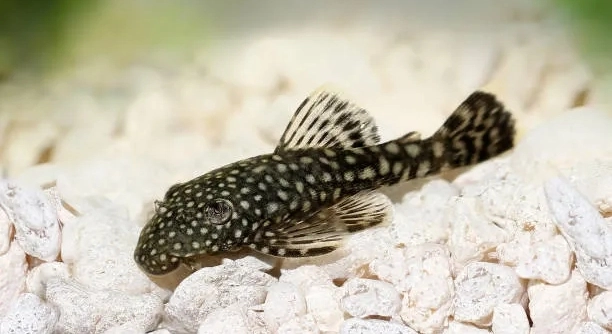
Is your pleco cave starting to look worn out or too small for your fish? Over time, these hiding spots can lose their appeal or fail to meet your pleco’s needs. Keeping their environment comfortable is important.
Changing a pleco cave becomes necessary when structural damage, excessive algae buildup, improper size, or deterioration affects your fish’s health. Regular assessment ensures optimal shelter, supports natural behaviors, and maintains cleanliness and safety within the aquarium environment.
Maintaining a healthy tank means paying attention to these changes and providing a fresh, secure cave for your pleco. Small updates can greatly improve its well-being.
Cracks and Structural Damage
Over time, pleco caves can develop cracks or chips from regular use or accidental bumps during cleaning. Even small fractures can create sharp edges that may injure your fish. Plecos often rub against their hiding spots, and weakened structures are prone to breaking under pressure. Monitoring the cave’s condition is crucial for preventing injuries. If you notice any damage, it’s best to replace the cave promptly. A stable and smooth shelter ensures your pleco feels secure. Regular inspection during tank maintenance can prevent sudden problems. Choosing durable materials initially can reduce the frequency of replacements. Wood, ceramic, and resin caves each have their strengths, but all require attention to wear and tear. Replacing a damaged cave before it becomes hazardous is an essential part of caring for your pleco. Observing your fish’s behavior around the cave can also indicate if it is safe to continue using.
Structural integrity matters more than appearance, so timely replacement protects your pleco.
Providing a strong, safe cave reduces stress and supports natural behaviors, contributing to overall health.
Excessive Algae Buildup
Algae growth inside a pleco cave can make the surface slippery and unhealthy for your fish. While some algae are normal, thick layers reduce the cave’s usability and can harbor bacteria or other pathogens. Regular cleaning or replacement helps maintain a clean hiding space and ensures your pleco feels comfortable. Avoid harsh chemicals, and use gentle scrubbing or soaking to minimize risk.
Persistent algae often indicates water quality issues, so addressing the tank’s conditions is equally important.
Excessive algae accumulation can result from overfeeding, high light exposure, or poor filtration. Your pleco may avoid the cave if it becomes slippery or coated with thick algae. Removing the cave, rinsing it with warm water, and lightly scrubbing can extend its usability. For stubborn buildup, a replacement cave may be necessary to maintain a healthy environment. Choosing a cave with a surface less prone to algae adherence, such as smooth resin, can reduce maintenance. Monitoring the tank regularly prevents large algae problems and keeps your pleco’s habitat appealing. Consistent care ensures the cave remains a safe and comfortable hiding spot, supporting natural behaviors and reducing stress.
Improper Size
A cave that is too small or too large can make your pleco uncomfortable. Fish need a space where they can fully fit and feel secure. Size directly affects their ability to rest and hide properly in the tank.
Plecos naturally seek tight spaces for shelter. A cave that is too small can stress your fish, restricting movement and making it difficult to retreat when they feel threatened. Conversely, an oversized cave may feel exposed, leaving them vulnerable and uneasy. Observing your pleco’s behavior can help determine if the current cave is suitable. Signs of discomfort include constant hovering outside the cave or reluctance to enter. Ensuring the cave fits your fish properly encourages natural behaviors, such as resting, hiding, and maintaining territory. Adjusting cave size as your pleco grows is a key part of responsible tank management.
Choosing the right cave size also supports proper water flow inside and around the cave, keeping the environment clean and safe for your pleco to thrive.
Deteriorating Material
Over time, materials like wood or ceramic can break down in the aquarium environment. This degradation may lead to unsafe edges or chemical leaching that affects water quality. Regular checks are necessary to maintain a safe habitat.
Deteriorating material can release substances into the water that harm your pleco or encourage algae growth. Wooden caves may rot or soften, while ceramic caves can chip and develop rough surfaces. Resin caves, while more durable, may eventually scratch or warp. Monitoring your cave’s condition and replacing it when signs of wear appear ensures your fish’s safety.
Selecting a replacement cave involves considering durability and suitability for the tank’s size and water conditions. Observing your pleco’s response to new materials helps confirm comfort. Timely replacement prevents injuries and supports long-term tank health. Proper material choice also reduces maintenance needs, keeping the aquarium clean and your pleco stress-free.
Sharp or Rough Edges
Sharp or rough edges can injure your pleco, especially when they rub against the cave. Checking for cracks or chips regularly helps prevent accidents.
Even minor damage can cause cuts or stress. Replacing a cave with smooth surfaces keeps your fish safe and comfortable.
Unstable Placement
A cave that shifts or tips over easily can scare your pleco and disrupt their routine. Proper positioning ensures the cave stays secure and usable.
Signs of Avoidance
If your pleco stops using the cave, it may indicate discomfort or an issue with the cave itself. Observing their habits helps determine if replacement is needed.
FAQ
How often should I replace my pleco cave?
Pleco caves should be checked regularly for wear, cracks, algae buildup, or size issues. Replacement isn’t always needed on a set schedule; it depends on the cave’s condition and your pleco’s behavior. A well-maintained cave can last years, but any signs of damage or discomfort require a new one.
Can I clean the cave instead of replacing it?
Yes, light cleaning can extend the life of your cave. Gently scrub with warm water to remove algae or debris. Avoid harsh chemicals, as they can harm your pleco. If the cave has deep cracks or deteriorating material, replacement is safer than cleaning.
What materials are safest for pleco caves?
Ceramic, resin, and certain untreated woods are commonly used. Ceramic is smooth but can chip if dropped. Resin is durable and lightweight, while wood offers a natural look but may rot over time. Choosing a material that fits your tank conditions and pleco size is important for safety and comfort.
How do I know if the cave is the right size?
Your pleco should be able to enter the cave fully and turn around comfortably. Too small restricts movement and causes stress. Too large may feel insecure. Observing your pleco’s behavior—whether it uses the cave or avoids it—can indicate if the size is suitable.
Is algae buildup harmful to plecos?
A small layer of algae is normal, but thick growth can be slippery and harbor bacteria. Excessive algae may discourage your pleco from using the cave. Regular cleaning and monitoring water quality help prevent problems and keep the cave appealing and safe.
Can plecos get injured in old caves?
Yes, cracks, sharp edges, or broken parts can cause cuts or stress. Inspect the cave regularly and replace it if there are rough surfaces. A safe cave supports natural hiding behavior without risking injury.
Do plecos prefer natural or artificial caves?
Both types are acceptable as long as they are safe, stable, and the right size. Some plecos enjoy the texture of wood, while others prefer smooth resin or ceramic. Offering a variety of safe options can encourage natural behaviors and reduce stress.
How do I safely introduce a new cave?
Rinse the new cave with warm water to remove dust or residues. Place it in a stable area of the tank and observe your pleco’s reaction. Some plecos may be hesitant initially, but consistent placement and familiarity will encourage use over time.
Can I have multiple caves in one tank?
Yes, multiple caves are beneficial if you have more than one pleco or want to provide choices. Ensure each cave is stable and does not overcrowd the tank. Adequate spacing helps reduce territorial disputes and supports natural hiding behavior.
What if my pleco ignores the new cave?
It’s normal for plecos to take time adjusting. Monitor the fish and ensure the cave is the right size, shape, and location. Changing the cave’s position or offering multiple options can encourage use while maintaining safety and comfort.
Should I remove the old cave immediately when adding a new one?
Not necessarily. Leaving the old cave temporarily can help your pleco transition gradually. Remove the old cave once the new one is being used regularly to maintain space and cleanliness.
How does cave placement affect pleco behavior?
Caves placed near tank corners or along the substrate usually feel safer. Avoid high-traffic or unstable areas. Proper placement reduces stress and encourages your pleco to use the cave for resting and hiding.
Are larger plecos more particular about caves?
Yes, as plecos grow, their cave needs change. A cave suitable for a juvenile may become too small. Monitoring size, behavior, and comfort is essential for maintaining a healthy environment as your pleco matures.
Can I decorate inside or around the cave?
Yes, but keep decorations safe and stable. Avoid sharp objects or small items that could injure your pleco. Decorations can provide enrichment and improve hiding spots, but the main focus should be safety and accessibility.
Is it okay to use the same type of cave for multiple plecos?
Yes, as long as there are enough caves for each fish. Overcrowding or territorial disputes can occur if caves are limited. Offering a variety of shapes and materials helps accommodate preferences and reduces stress in the tank.
Do plecos need a cave at all times?
Caves are important for security and resting. Even if a pleco explores the tank often, it should always have a safe shelter available. Removing a cave can increase stress and affect overall health, so maintaining at least one reliable hiding spot is recommended.
How do I dispose of an old cave safely?
Rinse and clean the cave before disposal to avoid contamination. If made of natural wood, it can often be composted. Ceramic or resin caves should be discarded according to local waste guidelines. Avoid reintroducing damaged caves into another tank.
Can a damaged cave affect water quality?
Yes, rotting wood or cracked surfaces can trap debris and bacteria. This may lead to cloudy water or algae overgrowth. Replacing old or damaged caves helps maintain water clarity and a healthier tank environment.
What is the best way to monitor cave usage?
Observe your pleco during different times of the day. Look for resting, hiding, or territorial behavior. If the fish avoids the cave consistently, reassess its size, material, or placement. Regular observation ensures the cave continues to meet your pleco’s needs.
How can I prevent future cave problems?
Choose durable materials, monitor size as your pleco grows, and clean regularly. Inspect for cracks, algae buildup, or sharp edges. Proper placement and providing multiple options reduce stress and prolong the life of each cave while keeping your pleco safe and comfortable.
Changing your pleco cave is an important part of maintaining a healthy aquarium environment. Over time, caves can become worn, cracked, or too small, making them unsafe or uncomfortable for your fish. Plecos rely on their hiding spots to rest, reduce stress, and feel secure. Ignoring signs of wear or damage can lead to injuries, stress, or behavioral changes. Regular inspection of the cave helps ensure it continues to meet your pleco’s needs. Observing your fish’s interaction with the cave can provide important clues about its suitability. If your pleco avoids the cave, appears stressed, or has difficulty entering, it is a clear indicator that it is time for a replacement.
Selecting a new cave requires attention to size, material, and placement. The cave should be large enough for your pleco to comfortably enter, turn around, and hide, but not so large that it feels exposed. Materials like ceramic, resin, and untreated wood are commonly used, each offering different benefits and maintenance requirements. Ceramic is durable and smooth but can chip if handled roughly. Resin caves are lightweight and long-lasting, while wood provides a natural look but may deteriorate over time. Ensuring the new cave is stable in the tank is equally important, as unstable caves can frighten your pleco or tip over, disrupting the tank environment. Proper placement, away from high-traffic areas and near the substrate, can encourage use and provide a sense of security.
Regular care of the cave and aquarium overall contributes to your pleco’s well-being. Cleaning the cave gently, monitoring for algae buildup, and replacing damaged or deteriorated caves help maintain a safe, comfortable environment. Multiple caves can be beneficial for larger tanks or for housing more than one pleco, as this reduces territorial disputes and offers choices for hiding spots. Even with a single pleco, ensuring that the cave is suitable and safe enhances their natural behavior, reduces stress, and supports overall health. Taking the time to choose the right cave and maintaining it properly ensures that your pleco can thrive in its tank for years to come.

Hello,
If you enjoy the content that we create, please consider saying a "Thank You!" by leaving a tip.
Every little bit helps us continue crafting quality advice that supports the health, happiness, and well-being of pets around the world, for pets of all shapes, sizes, and species.
We really appreciate the kindness and support that you show us!