
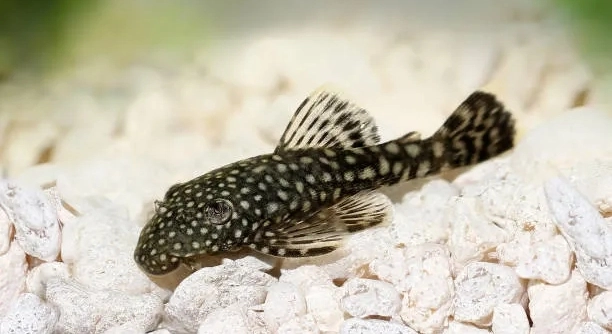
Is your pleco constantly hovering over the same spot in the tank, seemingly ignoring the rest of its environment? Many pleco owners notice this behavior and find it unusual, yet it is quite common among these freshwater fish.
This behavior is usually linked to territorial instincts, feeding patterns, or environmental conditions. Plecos may claim specific areas for resting, grazing on algae, or establishing dominance. Factors such as tank layout, water flow, and substrate type can influence their repeated use of a single spot.
Understanding why your pleco focuses on one area can improve its habitat and well-being. These insights will help you create a more comfortable and stimulating environment.
Common Reasons Plecos Stick to One Spot
Many pleco owners notice their fish staying in the same area for long periods. This behavior is often tied to comfort and habit. Plecos are naturally territorial and may claim a particular spot as their own. The chosen area can provide shelter, food, or a vantage point to observe the tank. Tank decorations like caves, rocks, and driftwood also attract plecos, offering surfaces to graze on algae. Water flow is another factor, as plecos prefer areas with moderate current that suit their resting or feeding needs. Temperature variations in the tank can also influence their location, with slightly warmer or cooler areas becoming preferred. Over time, plecos develop patterns, returning to familiar spots multiple times a day. Even subtle changes in light or noise can reinforce this preference, making a single area the most appealing place for the fish to spend its time consistently.
Plecos often repeat this behavior because it feels safe and familiar, reducing stress and supporting natural instincts.
Monitoring tank conditions and observing these patterns can provide clues about your pleco’s comfort. Regularly checking water parameters, feeding habits, and decorations ensures the fish stays healthy. Adjusting placement of hiding spots or adding gentle water flow can encourage movement without causing stress. Observing these habits over weeks helps identify if the behavior is normal or a sign of environmental issues. By paying attention, you can make small changes that improve both your pleco’s activity and overall health.
Environmental Factors Influencing Behavior
Water quality directly affects pleco behavior, making tank maintenance crucial for their well-being.
Plecos are sensitive to changes in water parameters, including pH, ammonia, nitrite, and nitrate levels. Poor water conditions can cause them to remain in one area to avoid stress or discomfort. Adequate filtration, regular water changes, and stable temperature support natural movement throughout the tank. Tank layout also matters, as hiding spaces, smooth surfaces, and algae growth attract plecos. Dense plants, driftwood, and rocks provide both security and grazing areas. If the fish finds an area with ideal conditions, it will return consistently, creating a pattern that seems like obsession. Feeding habits further influence this behavior, as plecos often linger near their preferred food sources. Observing their routine, understanding the environment, and making subtle adjustments can ensure a balanced and healthy habitat while supporting natural behavior.
Feeding and Grazing Habits
Plecos often stick to a single spot because it offers a reliable food source. Algae growth, leftover pellets, or vegetables placed in one area can make a specific spot more appealing than others. Their grazing routine reinforces this behavior consistently over time.
Plecos are natural grazers, and their diet often dictates their movement within the tank. If algae accumulates on a particular rock, decoration, or driftwood, they will spend extended periods there. Even if other areas have food, familiarity and habit make the preferred spot more attractive. Plecos may also guard these areas, ensuring they have constant access to nourishment. This behavior is not harmful but reflects their instinct to conserve energy while feeding efficiently. Observing which spots your pleco frequents can help in managing algae growth and ensuring they receive a balanced diet. Adjusting food placement or adding additional grazing surfaces can distribute activity across the tank.
In some cases, plecos return to the same spot out of comfort while feeding. The combination of a secure location and an accessible food source creates a consistent routine. Over time, this area becomes a favored resting and grazing site. Even if the tank layout changes slightly, plecos may revert to this spot because of habit and familiarity. Maintaining clean surfaces and providing supplemental vegetables or algae wafers in multiple areas encourages healthier movement. Understanding these feeding patterns allows you to manage tank dynamics and support your pleco’s natural behavior without disrupting their comfort or diet.
Tank Layout and Hiding Spots
Plecos rely heavily on tank decorations for security, making layout a key factor in behavior. Caves, rocks, and driftwood provide shelter, shaping their preferred areas and daily routines.
Hiding spots are essential for plecos, offering refuge and a sense of security. Plecos are nocturnal and shy, often seeking shelter during daylight hours. Well-placed caves and driftwood allow them to rest while remaining near grazing surfaces. Open areas with less cover can feel exposed, so the fish rarely venture there unless necessary. Rearranging tank decor can temporarily change patterns, but most plecos return to familiar hiding spots. The placement of plants, rocks, and wood can create territories within the tank, influencing where plecos spend most of their time. A thoughtful layout balances both hiding spaces and grazing areas, encouraging natural movement without causing stress. Monitoring how your pleco interacts with the environment helps in optimizing tank setup for their comfort and activity levels.
Water Flow Preferences
Plecos often choose spots with gentle or moderate water flow. Strong currents can be tiring, while still areas feel safe. Their preferred flow affects where they rest and graze, influencing their repeated presence in a single location.
Different areas of the tank may have varying water currents. Plecos will naturally seek a balance between moving water for oxygen and calm zones for rest. Driftwood, rocks, and plants can redirect flow, creating microhabitats that suit the fish’s needs. Over time, the fish learns which spots provide comfort and safety, returning there consistently.
Nighttime Activity
Plecos are primarily nocturnal, becoming more active after lights go off. Their favorite spot often doubles as a resting area during daylight hours.
Stress and Health Indicators
A pleco that clings to one area may be signaling stress or discomfort. Observing water quality, temperature, and tank conditions can help identify underlying issues.
FAQ
Why does my pleco stay in one spot all day?
Plecos often remain in a single location because it provides safety, food, and comfort. Familiar spots reduce stress and allow them to rest while keeping access to algae or other food sources. This behavior is normal, especially if the tank has decorations, caves, or driftwood that the fish favors. Observing your pleco’s habits helps ensure it is healthy and comfortable.
Is it normal for plecos to ignore other areas of the tank?
Yes. Plecos are territorial and selective about their environment. They tend to choose one area that meets their needs for grazing, hiding, and resting. This behavior reflects natural instincts and is not usually a cause for concern unless paired with signs of illness.
Could water conditions cause my pleco to stay in one spot?
Absolutely. Plecos are sensitive to water quality, including temperature, pH, and ammonia levels. Areas with stable water conditions or gentle currents attract them. Poor conditions elsewhere in the tank may make other spots uncomfortable, so consistent maintenance and monitoring are important.
Does tank layout affect my pleco’s behavior?
Yes. Plecos rely on decorations, caves, and driftwood for security and grazing surfaces. Proper placement creates microhabitats where the fish can feel safe and have access to food. Rearranging the tank may temporarily change patterns, but most plecos return to familiar spots.
Can feeding habits influence spot preference?
Definitely. Plecos are natural grazers and may favor areas where algae grows or vegetables are placed. Concentrated food sources encourage repeated visits to a single location. Even if other areas contain food, familiarity and routine make the preferred spot more appealing.
Is sticking to one spot a sign of stress?
Sometimes. If your pleco shows additional signs like clamped fins, rapid breathing, or inactivity, staying in one place may indicate stress. Stress can result from poor water quality, inadequate hiding spots, overcrowding, or sudden changes in the environment. Monitoring behavior alongside water parameters helps identify potential issues.
Do plecos choose spots based on water flow?
Yes. Plecos prefer areas with gentle or moderate flow. Strong currents can be tiring, while completely still areas may not provide enough oxygen. Decorations often create zones with suitable flow, and the fish naturally returns to these comfortable areas.
How can I encourage my pleco to explore the tank?
Providing multiple hiding spots, varied grazing surfaces, and evenly distributed food can encourage movement. Gentle water flow adjustments or introducing driftwood and plants in new locations may also motivate activity without causing stress. Observing the fish’s comfort is key when making changes.
Is nighttime behavior different from daytime behavior?
Plecos are primarily nocturnal. They become more active after lights go off, grazing and exploring areas they avoid during the day. The spot they favor during daylight hours often serves as a resting and secure location while they sleep.
When should I be concerned about my pleco’s behavior?
Concern arises if the fish shows prolonged inactivity, unusual spots for resting, or physical signs of illness. Persistent clinging to one area combined with stress indicators may signal health or environmental issues. Regular water testing, proper tank layout, and diet adjustments help maintain their well-being.
Can adding new decorations change spot preference?
Yes, but changes are often temporary. Plecos may explore new hiding spots or grazing surfaces, but they usually return to familiar areas over time. Gradual adjustments and observing the fish’s reactions ensure changes support comfort rather than stress.
Does tank size impact this behavior?
Smaller tanks may amplify territorial behavior, causing plecos to settle in one spot more consistently. Larger tanks offer more options for grazing and hiding, but plecos still tend to establish favorite areas based on food, flow, and security.
Are plecos social in their environment?
Plecos are generally solitary and territorial. While they can coexist with other fish, they often prefer their own designated space. Sharing areas is possible with multiple hiding spots and a well-structured tank, but repeated focus on a single spot remains natural.
Can health issues be mistaken for normal behavior?
Yes. Sometimes, illness may look like normal spot preference. Lethargy, discoloration, or erratic swimming alongside repeated use of a single spot can indicate a problem. Regular observation, water checks, and proper diet help distinguish healthy habits from signs of distress.
How long can a pleco stay in one spot without concern?
It can remain there for hours or even most of the day, especially during daylight. As long as it is eating, moving at night, and showing no stress indicators, this behavior is normal and reflects its natural resting and grazing patterns.
Can changing the diet affect spot behavior?
Yes. Adding more algae wafers, vegetables, or grazing surfaces in other areas may spread activity across the tank. However, plecos often favor the spot they already know, so dietary changes may influence movement gradually rather than immediately.
What is the best way to monitor my pleco’s comfort?
Observe daily habits, feeding patterns, resting spots, and reactions to tank changes. Test water regularly, ensure proper temperature, and maintain hiding spaces. Noticing subtle changes helps identify comfort levels, potential stress, or environmental adjustments needed.
Do plecos interact with tankmates in their preferred spot?
They may tolerate other fish nearby, but plecos often guard their area. Territorial behavior can lead to chasing or ignoring tankmates. Providing multiple hiding spots and adequate space minimizes conflicts and allows plecos to maintain comfort.
Can seasonal changes affect their spot preference?
Yes. Water temperature, light levels, and feeding schedules can influence behavior. Seasonal changes may make certain areas warmer or more appealing, prompting plecos to adjust their favorite resting or grazing spots accordingly.
Are all plecos likely to focus on one spot?
Most species display this behavior, though individual temperament varies. Some plecos explore more actively, while others remain in a single area consistently. Tank layout, food distribution, and environmental stability play roles in determining their habits.
How do I know if my pleco is happy in its spot?
A comfortable pleco will eat regularly, move at night, show normal coloration, and interact minimally with tankmates without signs of stress. Repeated visits to a preferred spot are normal if these indicators remain positive.
Can frequent tank cleaning disrupt their spot preference?
Cleaning can temporarily disturb habits, but plecos usually return to familiar areas once the environment stabilizes. Gentle cleaning, leaving some decorations in place, and maintaining water parameters help minimize disruption.
Does lighting affect their preferred spot?
Yes. Plecos often choose dimmer areas or shaded zones created by decorations. Brightly lit spots are less attractive during the day, so placement of lights and hiding spots influences where they spend most of their time.
Is it okay if my pleco ignores other tank areas entirely?
Yes, as long as it is healthy, eating, and active at night. Preference for a single spot is natural for territorial and comfort reasons. Occasional exploration is normal, but consistent focus on one area is part of their instinctive behavior.
How do I balance tank aesthetics with pleco comfort?
Place decorations, plants, and hiding spots strategically to create multiple areas for grazing and rest. Maintain water quality, avoid overcrowding, and provide consistent food sources. Balancing visual appeal with the fish’s needs ensures comfort without sacrificing design.
Can stress from new fish affect their spot choice?
Yes. Introducing new tankmates may cause plecos to retreat to familiar spots for security. Gradual acclimation, adequate hiding spaces, and monitoring interactions reduce stress and help maintain healthy behavior.
How often should I check water parameters to support comfort?
Weekly testing for ammonia, nitrite, nitrate, pH, and temperature is recommended. Stable water conditions encourage normal movement, reduce stress, and support consistent spot preference without health risks.
Do plecos ever change their favorite spot permanently?
Changes occur if the environment is altered significantly, such as new decorations, plants, or shifts in water flow. However, most plecos eventually return to familiar locations, making permanent changes less common.
Can overfeeding affect their spot behavior?
Yes. Excess food in one area may reinforce repeated visits and extended time in that spot. Distributing food evenly helps encourage movement and prevents localized overgrazing.
How do I know if repeated spot use is problematic?
If the pleco shows stress signs, stops eating, or avoids usual activity, repeated spot use may indicate a problem. Otherwise, this behavior is a natural expression of grazing, resting, and territorial instincts.
Is it normal for plecos to hover near decorations constantly?
Yes. Decorations provide both shelter and grazing surfaces. Plecos use these areas for comfort, feeding, and observation, which explains frequent and prolonged presence near favored structures.
Can plecos adapt to changes in tank conditions?
Yes, gradually. They can adjust to new hiding spots, decorations, and food locations over time. Sudden changes may cause stress, so gradual adjustments help them adapt while maintaining natural behavior patterns.
Does tank temperature affect their spot choice?
Yes. Slightly warmer or cooler areas may attract plecos. They prefer stable conditions, and temperature fluctuations can lead them to seek consistent, comfortable zones within the tank.
How can I provide a better habitat for a pleco with a favorite spot?
Ensure water quality is stable, add multiple hiding spots, distribute food evenly, and maintain gentle water flow. Observing behavior helps fine-tune the environment, supporting comfort and natural routines without stress.
Can plecos become bored in one spot?
Not usually. Grazing, resting, and minor exploration provide stimulation. Adding varied surfaces, plants, or driftwood encourages healthy activity while still respecting their preferred areas.
Do plecos ever leave their favorite spot for extended periods?
Yes, typically at night for feeding or exploring. During the day, they return to familiar resting zones. This cycle reflects natural behavior rather than concern, provided water and diet are appropriate.
Are some plecos more prone to spot fixation than others?
Yes. Individual temperament and species traits influence how consistently a pleco sticks to one area. Observation and understanding of the specific fish’s behavior help manage tank setup and ensure comfort.
Can lighting schedules affect movement around the tank?
Yes. Consistent day-night cycles encourage normal nocturnal activity and resting patterns. Adjusting lights gradually avoids stress and helps maintain regular use of preferred spots.
How do I know if my pleco is comfortable sharing the tank?
Signs include calm behavior, regular grazing, and minimal chasing of tankmates. A pleco sticking to a favorite spot while maintaining health and activity indicates it is comfortable in the shared environment.
Can plants influence spot preference?
Yes. Plants provide shade, shelter, and surfaces for grazing. Plecos often favor areas near dense or low-lying plants because they feel safe and have access to natural food sources.
What are common mistakes that affect pleco comfort?
Overcrowding, poor water quality, sudden tank changes, and uneven food distribution can stress plecos. Addressing these factors ensures they maintain normal behavior and enjoy a healthy, comfortable environment.
Is it normal for plecos to return to the same spot after exploration?
Yes. Even after exploring, plecos often return to their preferred location for grazing, resting, and security. Familiarity and comfort drive this consistent behavior.
How can I track if my pleco is healthy while favoring one spot?
Monitor eating habits, nighttime activity, coloration, and interaction with tankmates. Regular water testing and observation ensure that spot preference is normal and not a sign of health issues.
Can plecos coexist peacefully with other fish while having a favorite spot?
Yes. Most plecos tolerate tankmates as long as they have adequate hiding spots and space. Territorial behavior may appear near the preferred spot, but conflicts are minimal with proper tank management.
Does substrate type affect spot selection?
Yes. Smooth sand, gravel, or areas with driftwood can attract plecos. The substrate affects comfort while resting, grazing, and moving, shaping where the fish spends most of its time.
Can seasonal feeding patterns affect their favorite area?
Yes. Adjustments in feeding amounts or locations may encourage exploration of other areas, but plecos often return to familiar spots due to habit and comfort.
Is repeated spot use more common in certain pleco species?
Yes. Some species, like common plecos, show stronger site fidelity due to territorial and grazing instincts. Others may be more exploratory, but all display some preference for familiar areas.
How can I tell if my pleco is stressed despite sticking to a favorite spot?
Look for clamped fins, rapid breathing, reduced eating, or unusual swimming. Persistent signs alongside single-spot behavior indicate environmental or health issues needing attention.
Can rearranging tank decor improve movement?
Yes. Gradual changes create new hiding spots and grazing surfaces, encouraging exploration. Avoid sudden rearrangements to reduce stress and maintain comfort.
Are plecos active during feeding times even if they stay in one spot?
Yes. They may leave their favorite spot temporarily to graze or access food, then return. This reflects natural feeding and resting routines rather than concern.
Do plecos need more than one favorite spot?
Not necessarily. Most plecos thrive with a primary resting and grazing area, supplemented by additional shelters to encourage movement and reduce stress.
Can temperature fluctuations make plecos change their favorite area?
Yes. Plecos seek stable, comfortable temperatures. If the preferred area becomes too warm or cold, they may shift to a more suitable spot temporarily.
Is it normal for plecos to hover near the tank’s bottom constantly?
Yes. Bottom-dwelling is natural. Favorite spots often coincide with resting zones, feeding areas, and shelter, making the bottom of the tank the preferred location for extended periods.
Do plecos recognize their favorite spots visually or by scent?
Both. Plecos use visual landmarks and chemical cues in the water to identify safe and comfortable areas. Familiarity reinforces repeated use over time.
Can light intensity influence grazing locations?
Yes. Plecos prefer shaded or dim areas for grazing during the day. Brightly lit surfaces are less frequented, influencing where they spend the most time.
Are there long-term effects of favoring one spot?
No, as long as water quality, food, and environmental enrichment are maintained. Favoring one spot reflects natural resting, grazing, and territorial instincts without causing harm.
Should I move my pleco if it favors one spot?
Not unless necessary. Let it remain in the preferred area while ensuring balanced food, clean water, and proper hiding spaces. Interference may cause stress or disrupt natural behavior.
Can overpopulation affect spot preference?
Yes. Too many fish may force plecos to defend a smaller territory or retreat more frequently. Proper stocking levels reduce stress and support natural behavior.
Do plecos ever share their favorite spot?
Occasionally. Some tolerant species may allow others nearby, but most plecos prefer exclusive access to their primary resting and grazing area, especially during daylight hours.
Can tank mates disturb spot preference?
Yes. Aggressive or active fish may push plecos to retreat. Providing multiple hiding spots and monitoring interactions ensures comfort and maintains natural behavior patterns.
How can I ensure my pleco’s favorite spot remains safe?
Maintain stable water conditions, clean surfaces, and secure decorations. Ensure adequate hiding spaces and gentle water flow. Observing behavior helps identify potential threats or stress factors.
Do plecos ever abandon their favorite spot permanently?
Rarely. Permanent changes usually occur only with significant environmental shifts, such as major tank rearrangements or consistent stressors. Otherwise, they return to familiar locations over time.
Can plecos become territorial over a favorite spot?
Yes. Territorial behavior is normal, especially if multiple plecos or other bottom-dwelling species are present. Adequate space and hiding spots reduce conflicts and allow coexistence peacefully.
Is it common for plecos to choose spots near filters or aerators?
Yes. Moderate water flow near filters provides oxygen and comfort. Plecos often select spots where flow is gentle enough for resting but sufficient for healthy oxygenation.
Can frequent handling affect spot preference?
Yes. Handling can stress plecos, causing them to cling more tightly to safe areas. Minimal disturbance and careful maintenance help maintain natural behavior patterns.
Do plecos ever groom or clean their favorite spot?
Yes. Plecos graze on algae and biofilm, effectively maintaining surfaces they favor. This behavior reinforces repeated visits and the appeal of the area.
Can adding more algae wafers reduce stress in favorite spots?
Yes. Providing food in preferred areas satisfies grazing instincts, reducing stress while encouraging natural behavior without forcing exploration.
Are plecos more likely to favor spots near corners or edges?
Yes. Corners provide a sense of security and reduce exposure to open spaces. Edges and corners often become resting and grazing hubs in the tank.
How often should I observe my pleco’s behavior?
Daily observation helps track feeding, resting, and spot preference. This allows early detection of stress, health issues, or environmental changes affecting comfort.
Can plecos remember their favorite spots long-term?
Yes. Plecos have strong spatial memory, returning to familiar areas consistently. This contributes to comfort, safety, and efficient grazing routines over months or years.
Does tank size influence the need for multiple spots?
Larger tanks benefit from additional hiding and grazing areas to encourage exploration. Smaller tanks may require fewer spots, with plecos naturally focusing on one primary location.
Do plecos prefer soft or hard surfaces for resting?
It depends on species and comfort. Driftwood, rocks, and smooth substrates are commonly favored for grazing and resting, supporting long-term health and natural behavior.
Can plecos sense changes in water chemistry in their favorite spot?
Yes. Changes in ammonia, nitrite, pH, or temperature can prompt temporary relocation to safer zones. Plecos respond instinctively to maintain comfort and health.
How can I tell if my pleco enjoys its favorite spot?
Regular grazing, calm resting, normal coloration, and nighttime activity indicate satisfaction. Spot preference combined with healthy behavior shows contentment rather than stress.
Do plecos ever modify their favorite spots?
Yes. Natural growth, algae accumulation, or decorations may slightly alter their chosen area. These modifications reflect adaptation rather than concern.
Can uneven lighting create new favorite spots?
Yes. Shaded or dim areas often become attractive for resting or grazing. Plecos respond to light distribution when choosing locations in the tank.
Are plecos likely to compete over favorite spots?
Yes. Territorial disputes can occur, especially with multiple plecos or bottom-dwelling species. Providing sufficient hiding spaces reduces conflicts and ensures comfort for all fish.
How important is substrate type for repeated spot use?
Substrate affects comfort and grazing. Soft sand or smooth gravel combined with driftwood or rocks encourages repeated visits, supporting natural behavior without causing stress.
**Can plecos develop
Final Thoughts
Understanding why your pleco favors a single spot in the tank helps in creating a healthy and comfortable environment. This behavior is usually normal, driven by natural instincts such as grazing, resting, and territoriality. Plecos are bottom-dwelling fish that rely on familiarity and security, so repeatedly returning to a preferred area is part of their daily routine. It is important to observe your pleco closely to ensure that its behavior is consistent with good health. Watching feeding patterns, nighttime activity, and interaction with tankmates gives valuable insight into whether the fish is comfortable or experiencing stress. By paying attention to these behaviors, you can provide a better habitat that meets its needs for security, food, and proper environmental conditions.
Providing multiple hiding spots, grazing surfaces, and stable water conditions is essential for pleco well-being. Driftwood, rocks, caves, and plants are not just decorative—they serve as resting areas and grazing surfaces. Even if your pleco spends most of its time in one spot, having additional areas encourages occasional exploration and prevents boredom. Water flow and temperature should remain stable, as plecos are sensitive to changes in their environment. Regular maintenance, including water changes and monitoring pH, ammonia, nitrite, and nitrate levels, ensures that all areas of the tank remain suitable. By creating a balanced environment, you can support natural behavior while reducing potential stress caused by overcrowding or sudden changes. Small adjustments to tank layout or food distribution can make a significant difference in encouraging healthy activity without forcing the pleco out of its comfort zone.
Spot preference is not a problem as long as the pleco maintains a healthy routine. Repeated visits to one area can coexist with normal feeding, resting, and nighttime activity. However, changes in behavior, such as clamped fins, reduced appetite, or unusual inactivity, should prompt a closer look at water quality and environmental conditions. Understanding your pleco’s behavior allows you to identify what is normal and what may require attention. Supporting your fish with a stable, well-structured tank ensures comfort, safety, and a longer, healthier life. Observing and adjusting to its preferences will help maintain a natural routine and provide insight into the best ways to care for this interesting and unique species. By focusing on these factors, you can create a tank environment that is both functional and satisfying for your pleco, letting it thrive while giving you peace of mind.

Hello,
If you enjoy the content that we create, please consider saying a "Thank You!" by leaving a tip.
Every little bit helps us continue crafting quality advice that supports the health, happiness, and well-being of pets around the world, for pets of all shapes, sizes, and species.
We really appreciate the kindness and support that you show us!