
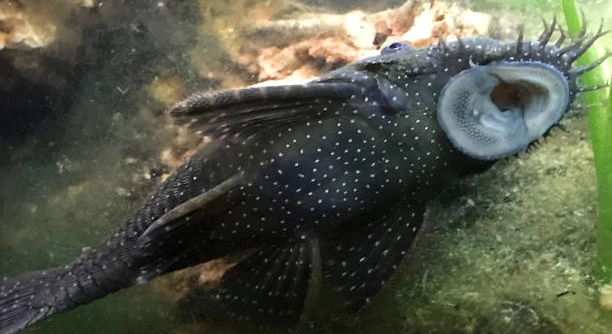
Do your plecos seem restless or hide more than usual in your tank? Many aquarists set up aquariums without considering the specific needs of these bottom-dwelling fish. Their comfort depends on careful layout choices.
Plecos are sensitive to tank arrangements that restrict swimming space, hideouts, and proper water flow. Mistakes like overcrowding, lack of hiding spots, sharp decorations, poor substrate choice, and incorrect lighting can cause stress and impact their health.
Knowing the common pitfalls can help you create a more comfortable environment for your plecos and improve their overall well-being in the tank.
Overcrowding the Tank
Many pleco owners don’t realize how much space these fish need. When tanks are overstocked, plecos struggle to find enough room to swim and explore. They may compete for food, hideouts, and territory, leading to stress and aggression. Overcrowding can also make water maintenance harder. Waste builds up faster, which can affect water quality and fish health. Plecos are bottom dwellers, so they need clear areas to move along the substrate. Decorations should be balanced with open swimming spaces. Adding too many other fish on top can overwhelm plecos, making them hide constantly. Observing your tank regularly helps identify signs of stress, such as hiding, decreased activity, or lack of appetite. Adjusting the number of fish or upgrading to a larger tank ensures each pleco has enough room. Proper spacing improves their health, encourages natural behavior, and creates a calmer tank environment for everyone.
Overcrowding reduces plecos’ movement and increases stress levels, impacting feeding, growth, and overall health. Providing enough space is critical for maintaining a stable aquatic environment.
Giving plecos enough room lets them explore and interact naturally. When space is sufficient, they are more active and easier to care for, making tank maintenance less stressful and more predictable over time.
Lack of Hiding Spots
Plecos naturally seek shelter to feel secure. Without enough hiding places, they may become stressed and timid. Providing caves, driftwood, and dense plants gives them refuge and encourages natural behavior.
Stress from limited hiding spots can lead to health issues, reduced appetite, and constant hiding. Plecos thrive when they feel protected.
Creating a tank with multiple hiding areas allows plecos to establish territories and reduces conflicts with other fish. Driftwood is particularly beneficial, as it also helps with digestion. Combining caves with plants or rock formations creates a layered environment, letting plecos choose their preferred hiding spot. Even smaller tanks can benefit from creative placement of these features. Rotating decorations occasionally keeps the environment interesting, preventing boredom. Ensuring adequate cover improves activity levels during feeding, encourages exploration, and lowers stress, which ultimately supports better health and longevity. Observing pleco behavior will help determine if the hiding spots are sufficient or if adjustments are needed for their comfort and security.
Sharp or Rough Decorations
Sharp or rough decorations can injure plecos easily. These fish have delicate fins and sensitive skin. Even small scratches may lead to infections, so it’s important to choose smooth, rounded decorations.
Plecos often rub against surfaces to remove algae or clean themselves. Rough edges on rocks, ceramic ornaments, or broken decorations can tear fins or scratch their bodies. These injuries can get infected if not treated, compromising their health. Driftwood and smooth river stones are safer alternatives. Always inspect new items before adding them to the tank and remove anything with sharp points or jagged edges. Ensuring smooth surfaces protects plecos while allowing them to explore and maintain their natural cleaning behavior. A careful selection of decorations creates a safer and more comfortable environment.
Even small imperfections in decorations matter. Scratches from rough surfaces may not be immediately visible, but repeated contact can cause cumulative stress and minor wounds. Safe, smooth decorations not only prevent injury but also encourage plecos to swim freely and interact with their environment without fear of harm. Regular inspection and maintenance of these items help sustain a healthy tank setup.
Poor Substrate Choice
Choosing the wrong substrate can harm plecos’ sensitive undersides. Rough gravel may cause scratches, while overly fine sand can compact and reduce oxygen levels. Careful selection of substrate is essential for their comfort and health.
A soft, smooth substrate like fine sand allows plecos to forage naturally without risk of injury. They like to sift through the bottom for leftover food, and sharp or coarse substrates interfere with this behavior. Proper substrate also helps maintain beneficial bacteria, supporting water quality. Uneven or jagged substrates can stress plecos and lead to health issues. Layering sand with some larger smooth stones or driftwood creates texture and visual interest while maintaining safety. Observing how plecos interact with the substrate can guide adjustments for their well-being. Maintaining the substrate regularly prevents buildup of harmful waste and keeps the tank safe.
Incorrect Water Flow
Plecos prefer gentle to moderate water flow. Strong currents can tire them out and make it difficult to rest or feed. Adjusting filters and pumps ensures a comfortable environment.
Too little flow can also be an issue, leading to stagnant areas. Balanced circulation helps distribute oxygen and nutrients throughout the tank, keeping plecos healthy and active.
Inadequate Lighting
Plecos are nocturnal and do not require intense lighting. Bright lights can stress them, causing them to hide excessively or become inactive during the day. Dim or adjustable lighting supports their natural behavior.
Providing shaded areas with plants or decorations helps plecos avoid constant exposure. A proper day-night cycle with subdued light encourages natural activity patterns and reduces stress. Observing their behavior allows adjustments for lighting intensity and placement, improving their comfort.
Lack of Driftwood
Driftwood is an important part of a pleco’s diet and environment. It helps with digestion and provides a surface for grazing algae.
Regularly adding driftwood improves gut health, encourages natural foraging behavior, and gives plecos a safe, textured surface to explore and interact with.
What size tank do plecos need?
Plecos need plenty of space to grow and move comfortably. While small species may manage in tanks around 30 gallons, larger types can require 75 gallons or more. Providing enough room reduces stress, prevents overcrowding, and allows natural behaviors like grazing and exploring.
How many hiding spots should I provide?
Plecos benefit from multiple hiding areas. At least two to three shelters, such as caves, driftwood, or dense plants, are recommended. This helps them feel secure, especially during the day when they prefer to rest. Having several options reduces territorial disputes and stress.
Can plecos live with other fish?
Yes, plecos are generally peaceful, but tankmates should be chosen carefully. Avoid aggressive species or those that compete heavily for bottom space. Compatible fish include tetras, rasboras, and peaceful gouramis. Proper tank size and hiding spots make cohabitation smoother.
Do plecos need special water conditions?
Plecos prefer stable water parameters. Most species thrive in slightly acidic to neutral pH (6.5–7.5) and temperatures between 72–82°F. Regular water changes and monitoring of ammonia, nitrite, and nitrate levels are essential. Stable conditions prevent stress and support overall health.
What should I feed my plecos?
Plecos are primarily herbivores but benefit from a varied diet. Algae wafers, fresh vegetables, and driftwood for natural grazing are ideal. Occasional protein sources, like shrimp pellets, can be offered. Feeding should match the size and species of your pleco to avoid overfeeding.
How often should I clean the tank?
Routine cleaning is essential for plecos’ health. Weekly partial water changes of 20–30% help maintain water quality. Remove uneaten food and debris from the substrate to prevent waste buildup. Proper filtration reduces toxins and keeps the tank safe and stable.
Why is driftwood important for plecos?
Driftwood is more than decoration—it aids digestion. Plecos rasp on the wood, which provides fiber and supports gut health. Driftwood also offers a natural surface for algae growth, giving plecos an additional food source while helping them feel secure in the tank.
How do I know if my pleco is stressed?
Signs of stress include hiding excessively, reduced appetite, faded coloration, or unusual swimming patterns. Stress can result from poor water quality, lack of hiding spots, or strong currents. Observing behavior daily helps detect issues early and allows for corrective action.
Can plecos damage plants?
Some pleco species may nibble on soft plants while foraging. Hardy plants like Java fern, Anubias, or plastic/artificial plants are safer. Providing driftwood and algae wafers reduces the chance of plants being damaged. Careful placement of vegetation ensures both plecos and plants thrive.
Is it okay to keep plecos in a community tank?
Community tanks work if plecos’ needs are met. They need space, hiding spots, and compatible tankmates. Monitor interactions and adjust tank layout if conflicts arise. Plecos add natural cleaning benefits without disturbing peaceful fish, as long as their requirements are respected.
How often should I replace driftwood?
Driftwood can last for years but may need replacement if it decays excessively or develops sharp edges. Periodic cleaning prevents mold or unwanted pests. Fresh driftwood maintains a safe environment and continues to provide nutritional and behavioral benefits.
Do plecos need special lighting?
Plecos are nocturnal and do not require bright lights. Subdued lighting helps them remain active during their natural feeding periods and prevents stress. Shaded areas from plants or decorations give them control over exposure and create a more comfortable tank environment.
Can plecos survive without algae?
Algae is a natural food source, but plecos can survive with a diet of vegetables and algae wafers. Supplementing with driftwood and occasional protein ensures they get essential nutrients. Regular observation ensures they maintain healthy growth and behavior without relying solely on algae.
How do I prevent fin damage?
Avoid sharp decorations, rough substrates, and aggressive tankmates. Provide smooth surfaces, driftwood, and adequate swimming space. Proper water conditions also support fin health. Observing your pleco regularly allows you to identify injuries early and reduce stressors that may cause damage.
What is the best substrate for plecos?
Soft sand or smooth river stones are ideal. These substrates prevent abrasions on the pleco’s sensitive underside and allow natural foraging behavior. Avoid sharp gravel or jagged rocks. Layering textures with safe decorations encourages exploration while maintaining a secure bottom environment.
How do I encourage natural behavior?
Provide hiding spots, driftwood, and varied substrate. Maintain proper water flow and lighting conditions. A balanced diet with grazing opportunities keeps plecos active and healthy. Observing their patterns helps adjust the environment for comfort, reducing stress and promoting longevity in the tank.
Are plecos active during the day?
Most plecos are more active at night. They will forage and explore under dim lighting or shaded areas during the day. Providing natural hiding spots and observing them during evening hours reveals their typical behavior and ensures their needs are being met.
How often should I monitor water parameters?
Check water conditions at least once a week. Parameters like pH, temperature, ammonia, nitrite, and nitrate are crucial for pleco health. Consistent monitoring allows early detection of potential problems, maintaining a stable, stress-free environment. Proper filtration and routine changes complement these checks.
What do I do if my pleco is hiding constantly?
Excessive hiding usually indicates stress. Check water quality, tank layout, flow, and lighting. Ensure enough hiding spots and adjust tankmates if necessary. Providing safe, quiet areas with driftwood or caves encourages activity while allowing plecos to feel secure. Observation helps identify and fix issues quickly.
Can plecos live long in a small tank?
Smaller tanks limit swimming space and increase waste buildup. Plecos may survive but experience stress, stunted growth, and health problems. Upgrading to an appropriately sized tank improves longevity, activity, and overall well-being, making care easier and more rewarding.
Is it necessary to quarantine new fish before adding them with plecos?
Yes. Quarantining prevents diseases and parasites from affecting plecos. Observe new fish for at least two weeks, checking for signs of illness. Only add healthy fish to the main tank, reducing stress and maintaining a safe environment for plecos and other inhabitants.
How do I maintain a balanced diet for plecos?
Offer algae wafers, fresh vegetables, driftwood for natural grazing, and occasional protein. Rotate foods to prevent deficiencies. Monitor feeding to avoid overfeeding, which can pollute water and harm fish. Balanced nutrition supports growth, coloration, and overall health.
Can plecos be aggressive?
Plecos are usually peaceful but may show territorial behavior with other bottom dwellers or similar species. Providing enough space, hiding spots, and multiple food sources reduces aggression. Observing interactions helps manage conflicts and maintain harmony in the tank.
What plants are safe with plecos?
Hardy plants like Anubias, Java fern, and Cryptocoryne are ideal. Soft plants may get nibbled. Position plants where plecos can’t damage them, and provide driftwood or algae wafers to reduce plant grazing. This maintains both pleco activity and plant health in the tank.
How can I tell if my pleco is healthy?
Healthy plecos have smooth fins, clear eyes, and active grazing behavior. Consistent appetite, normal swimming, and natural coloration indicate good health. Observing behavior and physical condition regularly helps identify early signs of illness or stress for prompt care.
Do plecos need companions?
Plecos do not require other plecos to thrive but benefit from compatible tankmates. Social interactions are limited, and their well-being depends more on environment, space, hiding spots, and proper care than on companionship.
Can plecos survive in a bare tank?
They can survive, but a bare tank increases stress and limits natural behaviors. Driftwood, smooth substrate, and hiding spots create comfort, encourage foraging, and reduce stress, promoting long-term health. Bare tanks may require more careful observation and frequent maintenance to keep plecos healthy.
How important is water temperature?
Stable water temperature is critical. Most plecos prefer 72–82°F. Sudden fluctuations can cause stress, reduce immunity, and affect feeding. Using a reliable heater and thermometer ensures consistency, supporting healthy metabolism, activity, and overall vitality.
Do plecos need supplemental calcium?
Some species benefit from extra calcium for bone and fin health. Driftwood and certain vegetables provide natural minerals. Monitor diet and behavior to ensure proper growth and prevent deficiencies, especially in species prone to rapid growth or shell-like structures.
Can plecos adapt to new tanks easily?
Adaptation depends on setup. Gradual acclimation with proper water conditions, hiding spots, and gentle lighting reduces stress. Observing their behavior during the first days helps detect any issues. Slow integration allows plecos to explore and feel safe in the new environment.
How often should plecos be fed?
Feeding frequency varies by size and species. Most do well with one feeding per day or every other day. Avoid overfeeding, as leftover food can spoil water quality. Providing grazing opportunities like driftwood or algae ensures constant nutrition without excessive waste.
What are signs of illness in plecos?
Symptoms include faded coloration, clamped fins, lethargy, rapid gill movement, and loss of appetite. Early detection allows prompt treatment. Maintaining proper water conditions, diet, and tank setup prevents most health issues. Observation is key to keeping plecos healthy and active.
Do plecos need water filtration?
Yes. Filtration maintains water quality, removes debris, and supports beneficial bacteria. Plecos produce a lot of waste, so a properly sized filter is essential to prevent ammonia buildup and maintain a stable environment, ensuring health and reducing stress.
Can plecos survive without hiding places?
Survival is possible, but stress increases significantly. Lack of shelter leads to hiding in corners or inactivity. Providing caves, driftwood, or plants improves security, encourages natural behavior, and supports long-term health.
Is it okay to change tank decorations often?
Frequent changes can stress plecos. Minimal adjustments are fine, but sudden rearrangements may disrupt established territories. Gradual modifications allow plecos to explore safely and maintain comfort in their environment.
How do I prevent algae overgrowth?
Balanced lighting, controlled feeding, and regular water changes prevent excessive algae. Plecos help manage algae naturally, but monitoring nutrients and light exposure keeps the tank clean, supporting both plant and fish health.
Can plecos survive without a proper day-night cycle?
Irregular lighting disrupts natural activity and stress levels. Consistent day-night cycles support feeding, rest, and behavior patterns. Dim lighting or shaded areas during the day encourages activity while protecting plecos from constant exposure.
How can I encourage plecos to eat vegetables?
Blanch vegetables like zucchini, cucumber, or spinach to soften them. Place in accessible areas of the tank or attach to decorations. Offering small amounts consistently helps plecos recognize and consume healthy plant matter as part of a balanced diet.
Do plecos need special care in winter?
Indoor tanks typically maintain stable temperature, but monitoring is necessary if heating drops. Water temperature fluctuations can stress plecos. Ensure diet and activity levels remain consistent and check water parameters regularly to maintain health.
Are plecos sensitive to pH changes?
Yes. Sudden pH shifts can stress plecos, affecting digestion and immunity. Gradual adjustments and stable water conditions prevent health issues. Monitoring regularly ensures a safe, balanced environment that supports natural behavior.
Can plecos survive in community tanks with aggressive fish?
Aggressive tankmates can harm plecos through stress or direct attacks. Avoid pairing with fin-nippers or dominant species. Sufficient hiding spots and tank size reduce conflicts, but selecting compatible fish is the best approach to ensure plecos thrive.
Do plecos need water supplements?
Most nutritional needs are met through a balanced diet and driftwood. Supplements are rarely necessary unless deficiencies are observed. Focus on proper feeding, water conditions, and natural grazing opportunities to maintain health.
How do I prevent plecos from escaping?
Ensure the tank has a secure lid. Plecos may climb or jump, especially at night. Tight-fitting covers and properly sealed openings prevent accidents and protect plecos from harm outside the aquarium.
Can plecos survive without algae wafers?
Yes, if their diet includes fresh vegetables, driftwood, and occasional protein. Algae wafers supplement nutrition but are not strictly necessary. A varied diet ensures proper growth and activity without reliance on processed foods.
How do I know if plecos are eating enough?
Check for leftover food, observe grazing on driftwood or algae, and monitor weight and activity. Healthy plecos maintain steady growth, vibrant coloration, and consistent behavior. Adjust feeding if appetite or energy levels change.
What happens if water quality is poor?
Poor water quality leads to stress, disease, and stunted growth. Ammonia, nitrite, and nitrate buildup can harm plecos quickly. Regular testing, filtration, and partial water changes maintain a stable, healthy environment for long-term survival.
Can plecos live in brackish water?
Most plecos are freshwater species, but a few tolerate slightly brackish conditions. Always check the species’ specific requirements. Sudden changes in salinity can be harmful. Maintaining appropriate freshwater conditions ensures health and longevity.
Do plecos need aeration?
Aeration improves oxygen levels, especially in heavily stocked or planted tanks. Plecos benefit from sufficient oxygen for metabolism and activity. Proper filtration and occasional air stones ensure water movement and oxygen distribution throughout the tank.
How do I tell if a pleco is happy?
Active foraging, normal swimming, vibrant coloration, and regular grazing on driftwood or algae indicate content plecos. Hiding occasionally is natural, but prolonged inactivity or stress behaviors suggest adjustments are needed in the tank environment.
Can plecos survive long-term without driftwood?
Long-term survival is possible, but lack of driftwood may affect digestion and stress levels. Driftwood provides fiber, grazing surfaces, and comfort. Regular inclusion supports health, natural behavior, and reduces potential dietary deficiencies.
What is the ideal tank temperature range for plecos?
Most species thrive between 72–82°F. Stable temperature prevents stress, supports proper metabolism, and ensures immune system function. Using a reliable heater and thermometer helps maintain a consistent and healthy environment for plecos.
Do plecos need to be quarantined after illness?
Yes, isolating sick plecos prevents disease spread and allows targeted treatment. Observation, proper water parameters, and medication as needed help recovery while protecting healthy tankmates. Quarantine tanks reduce stress and minimize risk of infection.
Can plecos damage aquarium equipment?
Plecos rarely damage equipment, but they may move lightweight decorations or nibble on soft tubing. Ensuring secure placement of heaters, filters, and decorations prevents accidents. Observing tank interactions keeps equipment safe and functional.
How do I encourage plecos to be more active?
Provide proper hiding spots, soft substrate, driftwood, and balanced water flow. Varied diet and gentle lighting encourage natural grazing and exploration. Adjusting tank setup to meet behavioral needs promotes activity and reduces stress.
Can plecos live in planted tanks?
Yes, as long as plants are hardy and decorations provide space to hide. Driftwood and algae wafers reduce damage to vegetation. Careful plant placement maintains both pleco activity and plant health.
How often should I check for tank injuries?
Daily observation is ideal. Look for torn fins, scratches, or unusual behavior. Early detection prevents infections and allows prompt care. Keeping a clean and safe environment minimizes injury risk.
Do plecos need a varied diet?
Yes. Variety ensures essential nutrients, supports growth, and prevents boredom. Algae wafers, fresh vegetables, driftwood, and occasional protein sources create a balanced diet that promotes long-term health and natural foraging behavior.
Can plecos survive sudden water changes?
Sudden large changes can shock plecos. Gradual water replacement with temperature- and pH-matched water is essential. This prevents stress, maintains stability, and supports healthy metabolism and immune function.
What is the best way to introduce new plecos?
Acclimate slowly using the drip method or floating the bag for temperature adjustment. Gradual introduction to water parameters reduces stress. Observe behavior closely during the first few days to ensure comfort and adaptation.
How do I reduce stress for plecos?
Provide adequate space, hiding spots, soft substrate, driftwood, and moderate water flow. Maintain stable water conditions, proper diet, and minimal disruptions. Observing behavior and adjusting the tank accordingly keeps plecos calm and healthy.
Are plecos sensitive to noise?
Yes, vibrations and loud noises can stress plecos. Placing the tank in a quiet area away from constant disturbance helps maintain a calm environment, allowing them to exhibit natural behaviors and remain healthy.
Can plecos be aggressive toward other bottom dwellers?
Some territorial behavior may occur, especially with similar species. Adequate hiding spots, sufficient space, and multiple food sources reduce aggression and help maintain peaceful coexistence. Observation ensures conflicts are minimized.
How do I maintain clean water with plecos?
Use proper filtration, regular partial water changes, and remove uneaten food or debris. Plecos produce significant waste, so monitoring water quality and maintenance routines ensures a safe, stable environment for long-term health.
Do plecos need a night light?
Not necessary. Plecos are nocturnal and comfortable with dim or shaded areas. Night lights are optional but can help observe behavior without disturbing their natural activity cycles.
How long can plecos live?
Most plecos live 10–15 years with proper care. Large species may exceed this. Lifespan depends on diet, water quality, tank setup, and stress levels. Providing a stable, enriched environment promotes longevity and overall well-being.
Can plecos survive without hiding spots long-term?
They can survive but experience chronic stress, reduced activity, and potential health issues. Adequate shelters improve security, reduce aggression, and encourage natural behaviors for a healthier, more comfortable life.
How important is water circulation for plecos?
Proper flow prevents stagnant areas, distributes oxygen and nutrients, and supports natural behaviors. Balanced water movement maintains a healthy environment while preventing stress and promoting consistent activity levels.
What is the best diet for juvenile plecos?
Juveniles need high-fiber foods, algae wafers, soft vegetables, and occasional protein. Proper nutrition supports growth, digestive health, and strong fins. Gradually introducing driftwood helps them adapt to natural grazing habits as they mature.
How do I prevent plecos from getting stressed in a community tank?
Provide hiding spots, adequate space, compatible tankmates, and proper water conditions. Reduce disturbances and maintain a consistent feeding schedule. Observing interactions ensures stress is minimized and natural behaviors are supported
Creating a comfortable and safe environment for plecos requires attention to several key factors. These fish have specific needs that, when overlooked, can lead to stress, poor health, and behavioral issues. Ensuring the tank is the right size, providing hiding spots, using soft substrates, and including driftwood all contribute to a supportive habitat. Proper water conditions and moderate lighting are equally important. Each of these elements plays a role in maintaining plecos’ well-being, and small adjustments can make a significant difference. Observing how plecos interact with their environment helps identify what works best and what may need changing.
Diet and feeding practices are also crucial for plecos. They benefit from a mix of algae wafers, fresh vegetables, and natural grazing on driftwood. Providing a balanced diet supports growth, digestion, and overall health. Overfeeding or using the wrong foods can lead to water quality problems, which in turn affects the fish. Monitoring feeding habits and adjusting portions as needed ensures plecos remain healthy and active. Along with proper diet, maintaining clean water through regular filtration and partial water changes is essential. Healthy water conditions reduce stress, prevent disease, and allow plecos to display natural behaviors.
Finally, plecos thrive when their environment is stable and suited to their needs. Paying attention to water flow, hiding areas, tank layout, and decoration ensures they feel secure and can move freely. Stress can be minimized by avoiding sudden changes, providing appropriate companions, and regularly checking for signs of illness or injury. By combining proper care, attention to environmental factors, and a balanced diet, plecos can live longer, healthier lives while maintaining their natural behaviors. Simple adjustments and consistent maintenance can make a significant impact, resulting in a tank where both plecos and other fish coexist comfortably. Observing, learning, and making gradual improvements ensures plecos remain happy, healthy, and active over the years.

Hello,
If you enjoy the content that we create, please consider saying a "Thank You!" by leaving a tip.
Every little bit helps us continue crafting quality advice that supports the health, happiness, and well-being of pets around the world, for pets of all shapes, sizes, and species.
We really appreciate the kindness and support that you show us!