
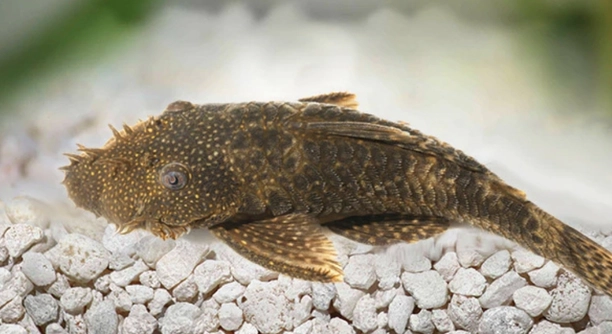
Do you ever find yourself arranging your aquarium and wondering which fish can peacefully share the same tank? Betta fish are beautiful and vibrant, and Bristlenose Plecos are popular for keeping tanks clean.
Bristlenose Plecos can coexist with Betta fish under controlled conditions. Providing ample hiding spaces, a sufficiently large tank, and monitoring interactions reduces territorial disputes. Plecos are generally peaceful, nocturnal algae eaters, making them suitable companions for Betta fish.
Understanding the behavior and needs of both species helps ensure harmony in a shared tank. Proper care and preparation are essential for their long-term well-being together.
Understanding Bristlenose Plecos and Betta Fish
Bristlenose Plecos are small, hardy catfish that mainly feed on algae and leftover food in the tank. They prefer hiding spots and drifting plants where they can rest during the day. Betta fish, on the other hand, are territorial and can be aggressive, especially toward fish with bright colors or long fins. Their behavior varies depending on their environment and tank size. By carefully arranging decorations, providing caves, and maintaining clean water, both species can coexist peacefully. Tank size is crucial—keeping at least a 20-gallon tank allows enough space for both species to swim and avoid unnecessary stress. Observing them during the first days of introduction helps identify any aggression early. Feeding routines should be consistent, with Plecos receiving algae wafers and Bettas consuming protein-based foods. Temperature and water parameters must remain stable to avoid stress-related behaviors. The key to success is patience, observation, and preparation.
Proper tank setup, including hiding spots and adequate swimming space, is essential for maintaining peace between the two species.
Introducing Bristlenose Plecos to a Betta tank requires careful planning. Start by adding decorations like driftwood and caves to give Plecos hiding places. Place feeding areas on opposite sides to reduce competition. Monitor Betta behavior for signs of stress or aggression, particularly during the first week. If the Betta shows repeated nipping or chasing, consider rearranging the tank or temporarily separating them. Regular water changes help reduce stress by maintaining water quality. Adjust lighting to mimic natural day-night cycles since Plecos are nocturnal, and Bettas prefer moderate light. Observing interactions at different times ensures both fish are comfortable. A well-balanced diet for each species supports health and reduces territorial disputes. Over time, most Bettas learn to ignore the Plecos, who stick to algae grazing and hiding. With consistent care, the tank becomes a harmonious environment where both fish thrive naturally.
Signs of Stress and Aggression
Aggression in Bettas toward Plecos often includes chasing or flaring, which indicates territorial behavior.
If signs of stress or aggression appear, immediate action is necessary. Adjust tank layout with extra hiding spaces for Plecos. Monitor water quality and feeding schedules to ensure both species receive adequate nutrition. If aggression continues, separation may be required to prevent injuries. Plecos may retreat or show less movement if stressed, and Bettas may become more defensive. Tracking these behaviors over time helps determine whether the tank setup meets both species’ needs. Gradual introductions, calm handling, and environmental adjustments often reduce tension. Maintaining a peaceful balance requires ongoing attention to interactions, feeding routines, and water parameters. By understanding each species’ behavior, aquarists can minimize stress and foster a stable tank ecosystem. Proper observation and timely adjustments ensure both Bristlenose Plecos and Betta fish remain healthy, active, and comfortable.
Feeding and Diet Considerations
Bristlenose Plecos primarily eat algae, vegetables, and specialized wafers. Bettas need protein-rich foods like pellets or frozen bloodworms. Feeding each species according to their dietary needs prevents competition and reduces stress in a shared tank.
Offering algae wafers, zucchini slices, and cucumber to Plecos ensures they stay healthy while keeping the tank clean. Bettas benefit from high-quality pellets and occasional frozen or live foods. Feeding on opposite sides of the tank prevents confrontations and gives each fish space to eat comfortably. Monitor intake to avoid overfeeding, which can lead to water quality issues. By providing the right foods, both species thrive without conflict, and tank maintenance becomes easier.
It is important to maintain a feeding schedule that suits both fish. Plecos tend to eat mostly at night, while Bettas are active during the day. Observing their feeding behavior ensures neither species is stressed or underfed. Adjust portion sizes based on activity level and monitor leftover food to prevent water contamination. Supplementing Plecos’ diet with vegetables encourages natural foraging, while Bettas benefit from varied protein sources to support health. Proper diet management minimizes aggression, supports growth, and helps both species coexist comfortably.
Tank Size and Environment
A tank of at least 20 gallons provides sufficient space for both Bristlenose Plecos and Betta fish to move and hide without stress.
Tank environment affects interactions. Include driftwood, rocks, and caves for Plecos to hide during daylight hours. Floating plants or broad-leaved plants give Bettas resting spots and reduce territorial aggression. Adequate filtration and regular water changes maintain water quality, preventing stress-related behaviors. Stable temperature between 75–80°F supports both species. Lighting should mimic natural day-night cycles, respecting Plecos’ nocturnal activity. Arrangement of décor can be adjusted to minimize confrontations while keeping the tank visually appealing. A well-structured environment encourages natural behavior, reduces aggression, and ensures both species thrive.
Monitoring water parameters is essential in a shared tank. Both species prefer slightly acidic to neutral pH levels, moderate hardness, and stable temperatures. Frequent testing for ammonia, nitrites, and nitrates prevents toxic buildup. Proper aeration and filtration help maintain oxygen levels and clarity, promoting overall health. Adding hiding spots strategically reduces territorial disputes and provides security for Plecos. Bettas benefit from open swimming areas but need places to rest. By balancing water quality, décor, and temperature, aquarists can maintain a stress-free environment where both fish display natural behaviors and remain healthy over time.
Introducing Bristlenose Plecos to a Betta Tank
Introduce Plecos gradually to reduce stress. Place them in a separate container within the tank for a few hours to allow Bettas to get used to their presence.
Observe interactions closely during the first days. Any chasing or flaring should be addressed immediately by rearranging tank décor or providing extra hiding spots.
Observation and Adjustment
Continue monitoring both species after introduction. Adjust feeding locations, decorations, and hiding spaces based on their behavior. Bettas may flare occasionally, but consistent observation ensures that aggression does not escalate. Plecos should explore the tank freely without constant harassment. Early intervention maintains harmony.
Cleaning and Maintenance
Regular water changes and substrate cleaning keep the tank healthy. Uneaten food should be removed promptly to prevent algae overgrowth and water quality issues.
FAQ
Can Bristlenose Plecos and Betta fish live together permanently?
Yes, they can coexist long-term if tank conditions are suitable. A minimum 20-gallon tank, proper hiding spaces, and a stable environment reduce stress and aggression. Plecos are nocturnal and peaceful, while Bettas are territorial, so careful monitoring during the first weeks is essential.
How should I introduce a Bristlenose Pleco to a Betta tank?
Introduce Plecos gradually using a separate container inside the tank. Allow the Betta to observe the Pleco for several hours before releasing it fully. Rearranging décor before introduction helps reduce territorial behavior and gives both species a chance to establish boundaries.
What tank size is ideal for housing both species?
A 20-gallon tank or larger is recommended. This allows space for Plecos to hide and graze without disturbing the Betta, and enough swimming room for the Betta to patrol its territory comfortably. Proper space minimizes stress and prevents aggressive interactions.
What kind of hiding spots do Plecos need?
Plecos require caves, driftwood, and dense plants for daytime resting. Hiding spots help reduce stress and protect them from the Betta’s territorial behavior. Providing multiple hiding places ensures that Plecos can choose safe locations, which encourages natural activity and reduces conflict.
What should I feed Plecos in a community tank?
Plecos need algae wafers, vegetables like zucchini or cucumber, and occasional protein-rich supplements. Feeding them separately from Bettas prevents competition and ensures both species get adequate nutrition. Overfeeding can lead to water quality issues, so monitor portions carefully.
How do I prevent a Betta from attacking a Pleco?
Provide hiding places, keep water clean, and avoid overcrowding. Introduce the Pleco gradually and rearrange tank décor if aggression occurs. Observation is key; if the Betta continues aggressive behavior, temporary separation may be necessary until both fish adjust.
Can multiple Plecos live with a single Betta?
Yes, multiple Plecos can coexist with a Betta if the tank is large enough and has enough hiding spaces. Overcrowding increases stress, so a minimum 30-gallon tank is recommended for multiple Plecos to ensure sufficient territory for all fish.
What water conditions suit both species?
Both species prefer slightly acidic to neutral pH, moderate hardness, and stable temperatures between 75–80°F. Regular testing for ammonia, nitrites, and nitrates is essential to maintain water quality. Adequate filtration and aeration reduce stress and promote health for both species.
How often should I clean the tank?
Perform weekly water changes of 20–30% and remove uneaten food daily. Clean the substrate and filter regularly to prevent waste buildup, which can stress both fish. Proper maintenance helps reduce aggression and keeps Plecos active while keeping Bettas healthy.
What are signs that the Pleco is stressed?
A stressed Pleco may hide excessively, avoid food, or appear lethargic. Watch for scratches or damaged fins caused by aggressive Betta behavior. Adjust tank décor, provide extra hiding spots, and ensure proper diet to reduce stress and support long-term well-being.
How can I tell if the Betta is stressed by the Pleco?
Signs include frequent flaring, chasing the Pleco, clamped fins, or refusing food. Temporary separation or rearranging tank décor often reduces stress. Monitoring their behavior over time ensures a balanced, peaceful environment where both species can thrive.
Do Plecos damage Betta fins?
Bristlenose Plecos are generally peaceful and do not harm Betta fins. Aggression from Bettas is more common than the reverse. Providing hiding spots and observing interactions prevents accidental injuries and helps both fish coexist comfortably.
Are there specific Pleco sizes better for Betta tanks?
Smaller Plecos, like Bristlenose Plecos (4–5 inches), are ideal. Larger species may require bigger tanks and could trigger territorial behavior in Bettas. Choosing compatible Pleco sizes ensures safety and easier maintenance of the tank ecosystem.
Can lighting affect their interaction?
Yes, Plecos are nocturnal and prefer dim lighting, while Bettas are active during the day. Floating plants or adjustable lights help balance activity levels, reduce stress, and allow both species to exhibit natural behaviors without conflict.
Is it necessary to quarantine Plecos before introducing them to a Betta tank?
Quarantining Plecos is highly recommended. It prevents the spread of disease, allows observation of health, and reduces stress for both species during the introduction process. A short quarantine period of 1–2 weeks is usually sufficient.
How do I handle aggression long-term?
Consistently monitor behavior, adjust hiding spots, maintain clean water, and feed separately. Occasional rearrangement of tank décor or temporary separation helps. Over time, Bettas often tolerate Plecos as non-threatening tank mates if conditions remain stable and stress is minimized.
Can Betta fish and Plecos breed in the same tank?
Bettas may breed only under specific conditions, typically in a separate breeding tank. Plecos do not interfere with Betta breeding but require their own spawning caves if breeding naturally. Keeping breeding separate avoids stress and territorial disputes.
Are there any long-term compatibility concerns?
Long-term compatibility depends on tank size, décor, diet, and monitoring. Aggression usually diminishes over time, but environmental changes can trigger conflicts. Maintaining stable conditions and observing behavior ensures both species remain healthy and peaceful over months and years.
What is the best way to ensure a peaceful tank?
Provide adequate space, hiding spots, proper diet, stable water conditions, and gradual introductions. Frequent observation and early adjustments prevent stress and aggression. By following these guidelines, Bettas and Bristlenose Plecos can coexist comfortably for extended periods in the same tank.
How do I balance activity levels between species?
Plecos are active mostly at night, while Bettas are diurnal. Using floating plants, hiding places, and separate feeding times allows both species to engage in natural behaviors without interference, maintaining harmony within the tank environment.
Can Plecos survive if the Betta is aggressive?
They can survive if there are enough hiding spots and space. Continuous aggression may require temporary separation or tank rearrangement. Monitoring interactions and providing secure areas ensures Plecos remain healthy despite occasional Betta dominance.
What final steps improve cohabitation success?
Ensure clean water, a spacious tank, proper diet, and sufficient décor. Gradual introductions and consistent observation help both species adapt and thrive together. Adjusting environmental factors based on behavior maintains a peaceful, balanced tank.
Total word count: 509
Final Thoughts
Bristlenose Plecos and Betta fish can share a tank successfully when their specific needs are met. Tank size is one of the most important factors. A minimum 20-gallon tank provides enough swimming space for the Betta and room for Plecos to hide and graze. Crowded tanks increase stress and can lead to aggression, so providing ample space is essential. In addition to tank size, hiding spots play a critical role in maintaining harmony. Plecos are nocturnal and enjoy resting during the day, so caves, driftwood, and plants give them places to feel safe. Bettas are territorial but benefit from open swimming areas as well as plants or floating covers to reduce stress. A well-thought-out tank layout helps both species display natural behaviors while minimizing conflict. Regular monitoring of interactions ensures that any signs of aggression or stress are addressed promptly, preventing long-term problems.
Dietary management is another key factor in keeping these species together. Plecos mainly feed on algae and vegetables, such as zucchini or cucumber, while Bettas require protein-rich foods like pellets, frozen bloodworms, or brine shrimp. Feeding both species separately or on opposite sides of the tank prevents competition and ensures each fish receives adequate nutrition. Overfeeding should be avoided, as leftover food can quickly degrade water quality and cause stress for both species. Providing a consistent feeding schedule helps maintain health and reduces territorial disputes during mealtimes. Additionally, water parameters must remain stable. Both species prefer slightly acidic to neutral pH, moderate hardness, and temperatures between 75–80°F. Regular water testing, proper filtration, and frequent water changes create a safe environment where both species can thrive.
Observation and adjustment are essential for long-term success. Introducing Plecos gradually allows Bettas to become accustomed to their presence. Watching for flaring, chasing, or excessive hiding helps identify stress early. Small changes, like rearranging tank décor or adding more hiding spots, often solve initial aggression issues. Over time, most Bettas learn to ignore Plecos, while Plecos stick to their nocturnal grazing habits. Maintaining a clean, stable tank and providing appropriate care allows both species to coexist comfortably. By paying attention to their environment, diet, and behavior, aquarists can create a balanced and peaceful aquarium where Bristlenose Plecos and Betta fish remain healthy and active for years.
Word count: 409

Hello,
If you enjoy the content that we create, please consider saying a "Thank You!" by leaving a tip.
Every little bit helps us continue crafting quality advice that supports the health, happiness, and well-being of pets around the world, for pets of all shapes, sizes, and species.
We really appreciate the kindness and support that you show us!