
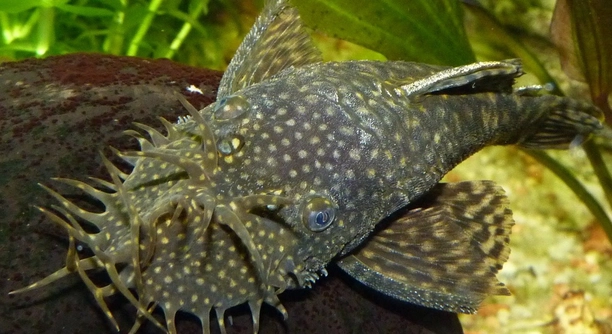
Plecos are fascinating fish, often admired for their unique patterns and calm presence in aquariums. Observing their behavior can be rewarding, but encouraging them to explore their environment requires patience and the right approach.
Providing an enriched habitat is key to stimulating Pleco exploration. Introducing hiding spots, driftwood, and varied surfaces encourages movement while maintaining water quality and stable conditions. Environmental enrichment supports natural behaviors, promotes activity, and contributes to overall health in these fish.
Understanding how Plecos interact with their surroundings helps in creating an engaging tank. Simple adjustments can lead to noticeable changes in activity and curiosity, making the aquarium experience more enjoyable for both the fish and their owner.
Create Hiding Spots
Plecos naturally enjoy areas where they can hide and feel secure. Adding caves, PVC pipes, or densely planted sections allows them to explore safely. Driftwood is especially effective, providing both shelter and a surface to graze on algae. Rocks and ornaments can also be arranged to create multiple levels of cover. Observing how Plecos navigate these spaces can help you understand their preferences and habits. It’s important to change the setup occasionally but gradually, so the fish can adapt without stress. Different textures and materials encourage exploration and prevent boredom. Hiding spots also reduce aggressive encounters if multiple fish share the same tank, as they provide retreat options. Overall, a well-structured habitat supports both physical activity and mental stimulation. Regularly cleaning these areas without disrupting the fish is necessary to maintain water quality. By offering diverse spaces, Plecos are more likely to leave their usual resting areas and explore other sections of the aquarium.
Hiding spots not only provide safety but also encourage natural foraging behavior, promoting healthy activity and engagement in your Pleco’s daily routine.
Arranging shelters with varied heights and textures stimulates curiosity. Driftwood, for instance, becomes a natural climbing and grazing surface. Dense plant clusters give a sense of security while allowing movement through shaded corridors. Even small caves or ceramic ornaments create microhabitats that encourage exploration and interaction with the environment. Changing locations or adding new structures gradually introduces novelty without overwhelming the fish. Observing which areas Plecos prefer can guide future tank designs. Ensuring each hiding spot is accessible and safe prevents entrapment. Combining open swimming areas with shelters balances freedom and security. Over time, the Pleco may explore more consistently, displaying natural behaviors like grazing, climbing, and investigating corners of the tank previously unused. Attention to these details can increase the fish’s overall activity levels. Maintaining clean, stable water conditions ensures the Pleco feels confident moving throughout the tank. Providing both stimulation and comfort results in a healthy, engaged fish that interacts more actively with its habitat.
Offer Variety in Food
Plecos respond well to varied diets that mimic natural feeding habits. Algae wafers, fresh vegetables, and occasional protein sources keep them interested and active.
Introducing different foods encourages movement and exploration in the tank. Switching textures and flavors can stimulate curiosity.
A consistent rotation of foods ensures Plecos remain engaged with their environment. Fresh vegetables like zucchini, cucumber, and spinach can be attached to driftwood or rocks, prompting the fish to search, graze, and move around the tank. Algae wafers and pellets provide nutritional balance while also encouraging activity. Occasionally offering protein sources such as bloodworms or shrimp introduces new textures that further spark interest. Feeding at different locations in the tank can make the fish explore sections they might otherwise ignore. Observing how your Pleco interacts with each food type can help you understand preferences and adjust feeding strategies. Avoid overfeeding, as excess food can affect water quality and discourage movement. By creating opportunities to search for and graze on food, Plecos become more physically active, mentally stimulated, and healthier overall, demonstrating more natural exploratory behaviors throughout the aquarium.
Provide Climbing Opportunities
Plecos enjoy climbing surfaces like driftwood, rocks, or textured ornaments. Vertical spaces encourage exploration, exercise, and natural grazing behavior.
Adding varied surfaces at different heights motivates Plecos to move and explore their environment. Driftwood with rough textures allows them to attach and scrape algae, mimicking natural behavior. Rocks and slate provide stable surfaces for climbing, while ceramic decorations can add vertical interest. Creating multiple levels gives the fish choices for exploration, reducing stress and boredom. Observing which surfaces your Pleco prefers can help you optimize tank arrangement. Combining open swimming areas with climbing spots ensures a balance between movement and security. Gradually adjusting the placement of these items introduces novelty without causing confusion. Vertical and textured surfaces keep Plecos physically active while stimulating natural instincts, resulting in a more engaging and healthy environment.
Carefully placing climbing areas ensures the fish can reach them safely. Avoid sharp edges and unstable items to prevent injury while maintaining a dynamic habitat.
Use Gentle Lighting
Moderate lighting encourages Plecos to explore while avoiding stress. Too bright or harsh lighting can cause hiding and inactivity.
Adjusting the aquarium lighting helps Plecos feel secure and more willing to move. Low to moderate lighting highlights their natural colors and allows them to graze comfortably. Timers can simulate day and night cycles, promoting a regular activity pattern. Certain plants and decorations cast soft shadows, providing areas to retreat while exploring. Light variations can motivate movement, especially around feeding or grazing areas. Observing behavior under different lighting conditions helps identify preferences. Consistency with gradual changes reduces stress while encouraging curiosity. Balanced lighting fosters a healthy environment, stimulating natural behaviors and exploration without overwhelming the fish.
Plecos are more active when lighting mimics natural conditions. Combining shaded and illuminated areas ensures comfort and engagement throughout the tank.
Rotate Decorations
Changing decorations occasionally encourages Plecos to explore new areas. Rearranging caves, rocks, and plants creates fresh pathways and hiding spots.
Even small adjustments in tank layout can spark curiosity. Moving driftwood or plants slightly allows the fish to investigate previously unnoticed spaces, keeping their environment engaging.
Introduce Floating Plants
Floating plants provide shade and soft areas for Plecos to explore. They reduce stress while offering new surfaces and light patterns, motivating natural activity in different sections of the tank.
Maintain Stable Water Conditions
Plecos are sensitive to fluctuations in temperature, pH, and cleanliness. Stable water conditions promote comfort, encouraging the fish to move and interact with their environment more confidently.
Offer Occasional Treats
Treats like blanched vegetables or sinking pellets motivate exploration and foraging. Using them sparingly maintains interest and encourages the Pleco to actively search the tank, promoting natural behaviors and physical activity.
FAQ
How often should I rearrange my Pleco’s tank decorations?
Small, gradual changes every few weeks are ideal. Moving caves, rocks, or plants slightly introduces novelty without stressing the fish. Sudden or frequent rearrangements can cause anxiety and hiding, reducing exploration rather than encouraging it. Observing how your Pleco reacts helps determine the best schedule for adjustments.
What types of vegetables are safe for Plecos?
Blanched zucchini, cucumber, spinach, and peas are excellent choices. These vegetables are easy to digest and provide fiber, vitamins, and minerals. Removing uneaten portions after a few hours prevents water quality issues and keeps the tank clean.
Can Plecos share a tank with other fish while exploring?
Yes, as long as tank mates are peaceful. Aggressive or territorial species may block access to hiding spots or food, discouraging exploration. Adding multiple hiding areas and vertical spaces reduces conflicts and allows each fish to move freely without stress.
How important is water quality for encouraging exploration?
Extremely important. Stable temperature, pH, and clean water promote comfort and activity. Fluctuations or poor water conditions make Plecos retreat and hide, reducing natural behavior. Regular testing, water changes, and filtration maintenance help maintain a healthy, engaging environment.
Do Plecos prefer certain types of surfaces for climbing?
Yes. Rough driftwood, rocks, and textured ceramic surfaces are ideal for scraping algae and exploring. Smooth or unstable surfaces are avoided. Providing multiple textures and vertical options stimulates movement and encourages natural grazing behaviors.
How do lighting conditions affect Pleco activity?
Moderate, consistent lighting encourages exploration. Too bright or harsh light causes hiding and stress. Timed lighting simulates day and night cycles, promoting natural activity. Floating plants or shaded areas help Plecos feel secure while still allowing them to investigate the tank.
Are occasional protein treats beneficial?
Yes, small amounts of bloodworms, shrimp, or similar protein sources can stimulate interest and movement. Treats should be offered sparingly to avoid water quality issues and maintain balance with a primarily plant-based diet.
How can I tell if my Pleco is exploring enough?
Active Plecos move around the tank, graze on surfaces, and investigate hiding spots. They may also climb driftwood and interact with decorations. Lack of movement, prolonged hiding, or ignoring food can indicate stress, illness, or a need for more enrichment.
Should I introduce floating plants for exploration?
Floating plants are beneficial. They create shaded areas, new surfaces, and soft obstacles for Plecos to navigate. These areas reduce stress, encourage movement, and break up open spaces, making the tank more dynamic and engaging for natural behaviors.
Is variety in feeding locations helpful?
Yes. Placing food in different areas encourages Plecos to explore corners or sections of the tank they may otherwise ignore. This variation promotes activity, mental stimulation, and natural foraging behaviors while keeping them engaged with their environment.
Can Plecos explore at night?
Absolutely. Many Pleco species are nocturnal or crepuscular, so activity increases in dim light or after the main lights are off. Providing hiding spots and soft illumination allows them to feel secure while still moving and grazing.
How do I balance open swimming areas with enrichment?
Providing both open spaces and hiding spots ensures freedom of movement while promoting exploration. Driftwood, rocks, and plants should not block pathways entirely. Balancing these areas encourages natural behavior without overwhelming the Pleco.
Do Plecos need companions to encourage exploration?
Not necessarily. While compatible tank mates can provide stimulation, enrichment through decorations, varied surfaces, and food is usually sufficient to encourage active behavior. Multiple Plecos may require more hiding spots to reduce territorial stress.
What are common mistakes that reduce exploration?
Overcrowding, poor water quality, harsh lighting, lack of hiding spots, and monotone diets discourage movement. Sudden rearrangements or aggressive tank mates also reduce curiosity. Addressing these factors creates a safer, more stimulating environment for natural activity.
How long does it take for a Pleco to explore new enrichment?
Some fish adapt within days, while others may take a few weeks. Gradual introduction of new objects, plants, or foods encourages curiosity without causing stress. Observing behavior helps gauge readiness for additional changes.
Can stress impact Pleco exploration?
Yes. Stress from water fluctuations, aggressive tank mates, or sudden changes reduces movement and encourages hiding. Stable conditions, gentle lighting, and predictable feeding schedules minimize stress and support active exploration.
Is it necessary to remove uneaten food immediately?
Yes, leftover food can pollute water, reducing quality and discouraging movement. Removing uneaten portions maintains cleanliness, preventing harmful bacteria growth and ensuring Plecos remain healthy and active.
How do I know which hiding spots my Pleco prefers?
Observing daily behavior helps identify favored areas. Fish often return to preferred caves, driftwood, or shaded corners. Adjusting enrichment based on these observations ensures comfort and encourages ongoing exploration.
Does tank size affect Pleco exploration?
Yes, larger tanks provide more space for movement and varied environments. Crowded tanks limit exploration and may increase stress. Ensuring ample room with vertical and horizontal areas supports natural activity and encourages curiosity throughout the aquarium.
How often should I clean the tank to support exploration?
Regular maintenance is essential. Partial water changes and surface cleaning weekly or biweekly maintain water quality without disturbing hiding spots. Consistent cleaning promotes health, confidence, and willingness to explore freely.
Are there signs my Pleco is enjoying exploration?
Active swimming, grazing on surfaces, climbing, and investigating new objects indicate engagement. Movement between hiding spots and open areas, as well as interest in different foods, are positive signs of natural behavior.
Can enrichment prevent boredom in Plecos?
Yes, a mix of hiding spots, climbing surfaces, floating plants, and varied food keeps Plecos mentally and physically stimulated. Rotation and occasional changes maintain curiosity and encourage exploration throughout the tank.
Do Plecos respond to human presence during exploration?
Some may show curiosity, especially if accustomed to routine feeding. However, others may retreat if startled. Observing from a distance ensures comfort while still allowing natural exploratory behavior to continue.
What combination of strategies works best for active Plecos?
Providing varied surfaces, hiding spots, gentle lighting, enriched food, floating plants, and stable water creates a stimulating, safe environment. Gradual changes and observation allow for tailored adjustments that encourage ongoing exploration and natural activity.
How long should Plecos explore each day?
Exploration varies by species and individual. Many are most active in low-light periods or at night. Ensuring ample enrichment throughout the tank encourages consistent movement without forcing activity.
Are there signs a Pleco is not exploring enough?
Persistent hiding, disinterest in food, or inactivity are warning signs. Reviewing tank conditions, enrichment, lighting, and diet helps identify factors limiting natural exploration. Adjustments promote confidence and movement.
Can adding new foods or treats increase activity?
Yes. Rotating vegetables, algae wafers, and occasional protein treats encourages movement and curiosity. Presenting food in different areas motivates natural foraging and keeps the fish engaged with its environment.
How do I combine hiding spots, climbing areas, and open spaces effectively?
Balance is key. Provide vertical surfaces and caves without blocking swimming paths. Open areas allow freedom of movement, while structured enrichment encourages curiosity. Observing preferences allows tailored arrangements that maximize activity and minimize stress.
Does tank decoration affect water quality?
Yes. Organic materials like driftwood and plants impact pH and cleanliness. Regular maintenance ensures decorations remain safe and water remains healthy, supporting exploration without creating hazards.
Should I introduce new enrichment gradually?
Yes, sudden changes can cause stress. Gradual introduction lets the fish adapt, explore confidently, and maintain natural behaviors while discovering new areas of the tank.
Can Plecos explore both day and night?
Many species are crepuscular or nocturnal, being more active in dim light or after lights are off. Providing shaded areas and gentle lighting encourages safe exploration at all times.
Do Plecos respond to textures in decorations?
Yes. Rough or uneven surfaces are preferred for climbing and grazing. Varying textures keeps the environment interesting and encourages movement, helping maintain physical and mental stimulation.
Is rotation of plants and decorations necessary?
Occasional rotation maintains novelty, encourages exploration, and prevents boredom. Small, gradual changes are best to avoid causing stress or hiding behavior. Observing reactions helps guide adjustments effectively.
How can I encourage shy Plecos to explore more?
Provide ample hiding spots, gentle lighting, and food in varied locations. Avoid aggressive tank mates and sudden changes. Gradual enrichment and consistency build confidence, motivating shy fish to investigate their environment naturally.
Are there risks to too much enrichment?
Yes. Overcrowding the tank with decorations can block swimming paths, trap fish, or create stress. A balance of open spaces and structured enrichment promotes safe exploration and natural behaviors.
How do I know if my Pleco is healthy during exploration?
Active movement, grazing, climbing, and interest in food indicate good health. Lethargy, unusual hiding, or loss of appetite may suggest illness or environmental issues, requiring attention to maintain a safe, engaging habitat.
Can different Pleco species have different exploration needs?
Yes. Some prefer more hiding spots, climbing surfaces, or shaded areas. Researching species-specific behaviors helps tailor tank setup to encourage natural activity and curiosity.
Does water current affect exploration?
Moderate current stimulates activity without overwhelming the fish. Too strong a flow can cause stress and hiding, while still water may reduce movement. Proper filtration and placement balance comfort and activity.
How can I monitor exploration effectively?
Regular observation, noting preferred areas, favorite hiding spots, and activity patterns helps evaluate engagement. Adjusting enrichment based on behavior ensures the Pleco remains stimulated and active consistently.
Are enrichment and diet enough to promote activity?
Yes, if combined with stable water, safe tank mates, gentle lighting, and adequate space. Each factor contributes to confidence, movement, and natural exploratory behavior.
How often should I change feeding locations?
Rotating food placement every few days encourages movement and exploration. Consistency in diet combined with variation in location keeps the Pleco interested and engaged in its environment.
Do Plecos interact with decorations during exploration?
Yes. They climb, graze, and investigate surfaces. Observing interactions helps identify preferences and guides adjustments to enrichment, creating a more stimulating and natural environment for the fish.
Can enrichment prevent stress-related behavior?
Yes. Proper hiding spots, climbing areas, floating plants, and varied food reduce stress, encourage activity, and maintain natural behaviors, supporting overall health and confidence in the tank.
Is it necessary to observe exploration daily?
Daily observation helps track behavior, detect stress or illness, and adjust enrichment. Consistent attention ensures the Pleco remains active, comfortable, and engaged with its environment.
Does tank size limit exploration opportunities?
Larger tanks provide more areas to move, hide, and graze. Smaller tanks require careful arrangement to maximize space, maintain activity, and prevent overcrowding, ensuring the Pleco can explore safely and naturally.
Can Plecos explore vertical spaces effectively?
Yes, many species enjoy climbing driftwood, rocks, and textured surfaces. Vertical enrichment supports natural behaviors, promotes exercise, and keeps the environment engaging.
Are floating and rooted plants equally useful?
Both types provide stimulation. Floating plants create shaded areas, while rooted plants offer obstacles and surfaces for exploration. Combining both types creates a dynamic and engaging habitat.
How long does it take for a new tank setup to encourage exploration?
Some fish adjust within days, while others take weeks. Gradual introduction and observation help ensure the Pleco adapts confidently and begins interacting with new areas and enrichment.
Can Plecos explore during feeding times only?
Feeding motivates movement, but enrichment encourages exploration at all times. A combination of hiding spots, climbing surfaces, and varied diet promotes continuous natural activity throughout the tank.
Does lighting type matter for exploration?
Yes. Soft, consistent lighting encourages activity, while harsh or flickering light can cause hiding. Timed light cycles mimic natural conditions and promote consistent exploratory behavior.
Are there signs a Pleco is overstimulated?
Constant darting, stress marks, or avoidance of enrichment may indicate overstimulation. Reducing decorations or light intensity helps the fish regain comfort while maintaining opportunities for natural behavior.
Can Plecos explore alongside tank maintenance activities?
Yes, if care is gentle. Avoid sudden movements, loud noises, or water changes that disturb hiding spots. Consistent, calm maintenance supports ongoing confidence and exploration.
Do Plecos prefer specific areas for exploration?
Yes. Observing daily patterns reveals preferred zones. Adjusting enrichment based on these preferences increases engagement while keeping the fish active and comfortable throughout the tank.
Are multiple Plecos better for exploration?
Not always. Some species are territorial. If multiple fish are kept together, ensure enough hiding spots, climbing surfaces, and open areas to prevent stress and encourage safe exploration.
How do I balance exploration with rest periods?
Providing shaded areas, caves, and plants allows the Pleco to rest safely. Fish naturally alternate between activity and rest, so balancing open and protected spaces encourages natural behavior without forcing constant movement.
Does enrichment influence Pleco health long-term?
Yes. Regular activity, grazing, and exploration maintain physical fitness, reduce stress, and support natural behaviors, contributing to overall health, longevity, and well-being.
Can Plecos become bored without enrichment?
Yes. Lack of hiding spots, climbing surfaces, varied food, and environmental stimulation reduces movement, increases stress, and can negatively affect health. Proper enrichment keeps them active and mentally engaged.
Is enrichment a substitute for proper diet?
No. Enrichment promotes activity, but a balanced diet is essential for health. Both factors together ensure a stimulating, safe, and nourishing environment for Plecos to thrive.
How do I know if enrichment is effective?
Active swimming, grazing, climbing, exploring new areas, and consistent engagement indicate success. Observing changes in behavior over time helps gauge effectiveness and guides further adjustments.
Are Plecos more active in groups or alone?
It depends on species. Some enjoy company, while others prefer solitude. Observing behavior and providing adequate space ensures comfort, reduces stress, and encourages natural exploration regardless of social preferences.
Can enrichment reduce hiding behavior?
Yes. Providing safe spaces, climbing surfaces, varied food, and shaded areas encourages confidence, motivating Plecos to explore rather than remain hidden for extended periods.
Do Plecos respond to water flow during exploration?
Moderate flow stimulates movement and grazing behavior. Too strong a current can discourage exploration and cause hiding, so balancing water movement is essential for encouraging activity.
Is gradual introduction of enrichment better than all at once?
Yes. Gradual changes reduce stress, allowing the Pleco to adapt and explore confidently. Introducing too many new elements at once can overwhelm the fish, reducing activity and curiosity.
Can enrichment strategies be combined effectively?
Yes. Using hiding spots, climbing surfaces, floating plants, varied feeding locations, gentle lighting, and stable water together creates a stimulating, safe environment that encourages natural exploration and activity consistently.
Does observation help improve enrichment strategies?
Yes. Tracking preferred areas, behaviors, and activity levels allows you to adjust decorations, lighting, and feeding patterns to better encourage exploration and maintain a healthy, engaging environment.
Are there limits to Pleco exploration?
Physical size, tank layout, species behavior, and health can limit movement. Providing ample space, safe enrichment, and proper care ensures the fish can explore to its natural potential.
How often should I review tank setup for exploration?
Monthly observation and minor adjustments help maintain interest and comfort. Monitoring changes in behavior or preferences ensures the environment remains engaging and supports natural activity.
Can enrichment reduce stress during water changes?
Yes. Keeping hiding spots and familiar surfaces available during maintenance helps Plecos feel secure, reducing stress while still encouraging movement and exploration.
Do Plecos explore more in planted or sparsely decorated tanks?
Planted or moderately decorated tanks provide stimulation, hiding spots, and surfaces for grazing. Sparse tanks may reduce interest and natural behavior. A balance of open swimming areas and enrichment is most effective.
Are all Pleco species equally active explorers?
No. Activity levels vary by species. Some are naturally more nocturnal, territorial, or shy. Understanding species-specific behavior guides enrichment strategies to encourage exploration effectively.
How long should enrichment remain before rotation?
Several weeks allow the fish to explore fully before introducing gradual changes. Frequent rotation may cause stress, while long periods without novelty can reduce interest and activity.
Can enrichment compensate for a smaller tank?
Partially. Creative use of vertical surfaces, hiding spots, and varied textures helps maximize space. However, adequate overall tank size remains crucial for safe and natural exploration.
Does diet variety influence exploration behavior?
Yes. Alternating vegetables, algae wafers, and occasional protein sources encourages foraging and movement. Different textures and flavors stimulate curiosity and active engagement throughout the tank.
Can enrichment prevent health issues?
Indirectly. Active, engaged Plecos maintain better physical fitness, reduce stress, and display natural behaviors, all contributing to overall health and reduced risk of illness.
How do I balance enrichment with tank maintenance?
Plan gradual changes, observe reactions, and maintain cleanliness without disturbing hiding spots. Proper scheduling ensures exploration continues while supporting water quality and fish health.
Is enrichment necessary for all Plecos?
Yes. Even naturally active species benefit from varied surfaces, hiding spots, food, and environmental stimulation to maintain curiosity, activity, and mental well-being.
Do Plecos need enrichment if they have companions?
Yes. Companions provide some stimulation, but environmental enrichment ensures individual exploration, prevents boredom, and supports natural behaviors regardless of social interaction.
Can enrichment affect breeding behavior?
Yes. Providing caves, vertical surfaces, and shaded areas encourages natural behaviors, including spawning in some species, while maintaining comfort and security.
How do I know when to introduce new enrichment?
Observe behavior patterns. Signs of reduced activity, disinterest in food, or repeated use of the same spots indicate the need for novelty or additional stimulation. Gradual introduction is key.
Are there risks in overfeeding to encourage exploration?
Yes. Excess food can harm water quality and reduce activity. Offering small, varied portions encourages movement without compromising tank conditions.
Does Pleco age affect exploration?
Yes. Juveniles are often more active, while adults may move more slowly. Adjusting enrichment and feeding strategies ensures continued stimulation and natural behavior throughout life stages.
Can enrichment reduce aggressive behavior?
Yes. Providing ample hiding spots, climbing surfaces, and vertical areas reduces territorial disputes and promotes safer exploration among multiple fish.
Is regular observation necessary even with enrichment?
Yes. Monitoring activity, preferences, and health ensures enrichment is effective and allows adjustments to maintain engagement and well-being.
How do I maintain long-term exploration habits?
Consistent enrichment,
Final Thoughts
Encouraging Pleco exploration requires patience, attention, and a commitment to providing a stimulating environment. These fish are naturally curious, but their willingness to move around and interact with their surroundings depends heavily on the conditions of their tank. Stable water parameters, moderate lighting, and a clean environment are foundational to promoting healthy activity. Without these basics in place, Plecos may retreat to hiding spots and show little interest in exploring, even when decorations or food are offered. Observing their behavior regularly allows you to understand their preferences and make informed adjustments. Simple steps such as introducing hiding spots, driftwood, climbing surfaces, or floating plants can gradually encourage them to investigate different parts of the aquarium. Each Pleco may respond differently, so it is important to remain flexible and attentive to their reactions. Over time, consistent care and enrichment will result in more confident, active fish.
Providing variety in the tank is one of the most effective ways to stimulate exploration. This includes rotating decorations, offering different textures for climbing, and presenting a balanced diet in various locations. Fresh vegetables, algae wafers, and occasional protein treats motivate movement and create opportunities for natural foraging behavior. Even small changes, like moving a piece of driftwood or adding a new plant, can spark curiosity. Plecos benefit from environments that combine open swimming areas with secure hiding spots. Vertical surfaces and multiple levels of enrichment encourage climbing and grazing, while shaded corners and caves offer a sense of safety. Observing which areas your Pleco prefers or avoids provides valuable insight into their comfort level and activity patterns. Gradually introducing new elements helps them adjust without stress, maintaining a healthy balance between activity and security. Over time, this approach fosters natural behaviors, reduces boredom, and supports overall well-being.
Long-term engagement relies on maintaining a stable and enriched environment. Regular observation, water maintenance, and attention to diet help ensure Plecos remain active and healthy. Lighting should be consistent but gentle, mimicking natural day and night cycles to encourage regular activity. Even nocturnal or crepuscular species benefit from predictable conditions that allow them to feel safe while exploring. Social dynamics should also be considered; peaceful tank mates and sufficient hiding spots reduce stress and allow multiple fish to move freely. While Plecos may differ in activity levels depending on age, species, or personality, creating a habitat that balances stimulation, comfort, and safety is key. With thoughtful planning and consistent care, these fish can thrive in their environment, exploring confidently and displaying natural behaviors that enhance both their health and the enjoyment of observing them. Ultimately, fostering exploration in Plecos is about combining environmental enrichment, stable conditions, and patient observation to create a dynamic, engaging aquarium.

Hello,
If you enjoy the content that we create, please consider saying a "Thank You!" by leaving a tip.
Every little bit helps us continue crafting quality advice that supports the health, happiness, and well-being of pets around the world, for pets of all shapes, sizes, and species.
We really appreciate the kindness and support that you show us!