
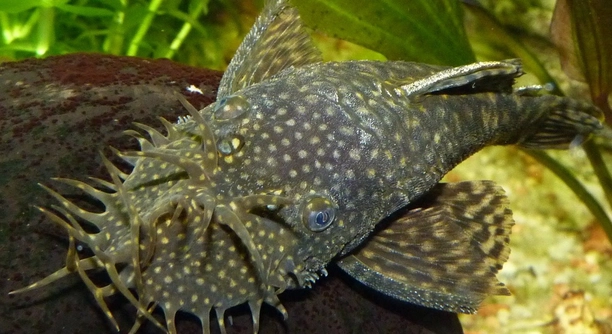
Do you ever find yourself watching your aquarium and wondering if your Bristlenose Pleco is actually helping keep it clean? These small algae eaters are popular among fishkeepers for their unique appearance and cleaning habits. Their presence in the tank is often praised by hobbyists.
Bristlenose Plecos contribute to tank cleanliness primarily by consuming algae and detritus on surfaces. However, they do not replace regular tank maintenance. Their cleaning is limited to specific areas, and overall water quality still depends on proper care routines.
Observing their behavior can reveal surprising insights into maintaining a healthier, more balanced aquarium environment for all your aquatic pets.
How Bristlenose Plecos Clean Your Tank
Bristlenose Plecos are small but efficient when it comes to algae control. They mainly graze on surfaces like rocks, decorations, and the tank glass. Their bristles help them scrape off algae, leaving spots visibly cleaner over time. While they are effective with soft algae, tougher types may require extra attention from the owner. Plecos also consume leftover food that sinks to the bottom, reducing waste accumulation and limiting potential water contamination. They prefer hiding in caves or under driftwood during the day, becoming more active at night. This nocturnal behavior means most of their cleaning happens while the tank is quiet. Regular observation helps you notice whether your Pleco is eating enough or if additional feeding is needed. Pairing Plecos with other algae-control methods ensures a cleaner tank without relying entirely on them. Overall, they provide a helpful, natural supplement to your tank maintenance routine.
Their cleaning efforts are helpful, but they cannot fully replace manual tank care.
Bristlenose Plecos are not messy themselves, but their waste adds to the tank load. Regular water changes, gravel vacuuming, and filter maintenance remain essential. Their presence complements these efforts rather than eliminating them. Understanding what Plecos can and cannot do helps set realistic expectations. Adding vegetables like zucchini or cucumber supports their diet, keeping them healthy and active. Observing their behavior ensures they are performing their natural cleaning role effectively. Using Plecos alongside a balanced tank care schedule improves water quality and reduces algae buildup, providing a more stable environment for all your fish.
Feeding and Tank Maintenance
Proper feeding is important for Plecos to stay healthy. Their diet should include algae wafers and fresh vegetables like zucchini or spinach.
Even with Plecos in the tank, regular maintenance is crucial. Algae grows unevenly, and leftover food can accumulate quickly. Skipping water changes or filter cleaning can harm water quality. Plecos only eat certain types of algae, leaving other spots untouched. Feeding them the right supplements ensures they remain active cleaners. Observing their eating habits lets you adjust portions and avoid overfeeding. Maintaining substrate and decorations prevents debris buildup. Using a consistent schedule for water changes, gravel vacuuming, and filter maintenance keeps the tank balanced. Plecos help, but they cannot manage the tank entirely on their own. Integrating these cleaning habits ensures a healthier environment for all aquatic inhabitants, promoting long-term stability and clarity.
Common Misconceptions About Plecos
Many people assume Bristlenose Plecos can clean the entire tank on their own. While they eat algae and leftover food, they do not replace water changes or filter maintenance. Their role is limited, and relying solely on them can lead to water quality issues.
Bristlenose Plecos are often mistaken as all-purpose cleaners. They target soft algae and some detritus but ignore certain types of buildup, including stubborn algae on rough surfaces or inside decorations. Overestimating their cleaning ability can result in neglected tank areas, causing problems for other fish. Regular manual maintenance, combined with Plecos, ensures a healthier environment. Understanding their behavior and feeding patterns allows you to supplement their cleaning effectively. Observing them helps gauge when extra care is needed, keeping the aquarium balanced and clean for everyone inside.
While helpful, Bristlenose Plecos are not a complete solution. Their natural grazing improves surface cleanliness, but tank health relies on human intervention. Pairing them with proper maintenance routines guarantees better long-term results, supporting fish health and water clarity. Knowing their limitations encourages realistic expectations, helping you maintain a stable and thriving aquarium ecosystem.
Ideal Tank Conditions for Bristlenose Plecos
Bristlenose Plecos thrive in tanks with hiding spots, smooth surfaces, and stable water parameters. Proper lighting and moderate water flow support their health and natural behavior.
Water temperature and pH are crucial for Plecos’ well-being. They prefer temperatures between 73–81°F and a pH range of 6.5–7.5. Hard water can be tolerated, but extreme fluctuations may stress them. Adequate filtration keeps water clear, while caves and driftwood provide daytime hiding spots. Regular partial water changes prevent waste buildup and support healthy algae growth for grazing. Maintaining these conditions ensures Plecos remain active and continue contributing to tank cleanliness. Observing their activity and growth indicates if the environment meets their needs, allowing adjustments to promote long-term health.
Bristlenose Plecos also benefit from a balanced diet and occasional supplements like zucchini, cucumber, or algae wafers. These additions provide essential nutrients and prevent over-reliance on tank algae alone. Keeping decorations clean but not sterile encourages natural grazing behavior. Tanks with consistent water parameters, appropriate substrate, and adequate hiding spaces allow Plecos to perform their cleaning role effectively. Monitoring water quality and Pleco activity ensures both fish health and tank hygiene, creating a stable and thriving aquatic environment for all inhabitants.
Signs Your Pleco Is Cleaning Properly
A healthy Bristlenose Pleco will graze surfaces frequently, leaving visible clean spots on glass and decorations. Regular activity, especially at night, indicates they are performing their natural cleaning role effectively.
Noticeable reduction in algae on rocks, driftwood, and tank walls shows they are eating consistently. Uneaten food and leftover debris should still be removed manually to maintain water quality.
When Plecos Can’t Keep Up
Even active Plecos have limits. Large tanks, excessive algae growth, or overcrowded conditions can overwhelm their cleaning capacity. Manual intervention is necessary to maintain a healthy environment. Cleaning surfaces and performing water changes ensure the tank remains safe for all aquatic life.
Best Tank Mates for Plecos
Bristlenose Plecos do well with peaceful community fish. Aggressive or large fish can stress them, reducing their activity and cleaning efficiency. Choosing compatible species supports their natural behavior and overall tank health.
Overfeeding Issues
Overfeeding Plecos can lead to leftover food accumulation, impacting water quality. Stick to small, regular portions and monitor their consumption closely.
FAQ
Do Bristlenose Plecos eat all types of algae?
Bristlenose Plecos primarily eat soft algae that grows on surfaces like glass, rocks, and decorations. They may ignore tougher algae or areas that are difficult to reach. Supplementing their diet with algae wafers or vegetables helps maintain their health and keeps them active cleaners.
How often should I feed my Pleco?
Feed Bristlenose Plecos small portions once a day or every other day. Overfeeding can lead to leftover food, which may decay and affect water quality. Vegetables like zucchini or cucumber can be offered a few times a week to provide variety and nutrition.
Can Plecos survive on algae alone?
Algae alone is not sufficient for their long-term health. While Plecos graze naturally, adding vegetables or commercial algae wafers ensures they get enough nutrients to stay healthy and continue cleaning effectively.
Do Plecos need hiding spots?
Yes, hiding spots are essential. Bristlenose Plecos are nocturnal and spend most of the day under caves, driftwood, or decorations. Adequate hiding spaces reduce stress, promote natural behavior, and encourage nighttime cleaning activity.
Will Plecos clean the whole tank by themselves?
No, Plecos help with algae and leftover food but cannot maintain the entire tank. Regular water changes, substrate cleaning, and filter maintenance are still required to keep the tank balanced and safe for all fish.
What water conditions are best for Plecos?
They prefer temperatures between 73–81°F and a pH of 6.5–7.5. Stable water conditions are important, as sudden changes can stress them. Proper filtration and consistent water parameters ensure Plecos remain active and healthy.
How do I know if my Pleco is healthy?
A healthy Pleco is active at night, grazes consistently, and shows no signs of disease like torn fins or discoloration. Observing their behavior and growth helps determine if their environment and diet meet their needs.
Can Plecos live with aggressive fish?
Aggressive or large fish can stress Bristlenose Plecos, reducing their activity and cleaning efficiency. Peaceful community fish are the best tank mates, allowing Plecos to perform their natural grazing behavior without interference.
How do I prevent leftover food from causing problems?
Feed appropriate portions and remove uneaten food promptly. Overfeeding can lead to debris accumulation, which deteriorates water quality. Plecos eat some of the food, but humans must supplement tank maintenance to prevent issues.
Do Plecos produce a lot of waste?
Yes, like all fish, Plecos produce waste. Regular water changes and substrate cleaning are necessary, even if the Pleco is active. Their cleaning role reduces algae but does not eliminate waste management responsibilities.
What vegetables are safe for Plecos?
Safe options include zucchini, cucumber, spinach, and peas. Blanching vegetables before feeding makes them easier to digest. Offering variety ensures they get nutrients beyond what tank algae provides.
How often should I clean the tank with Plecos inside?
Cleaning schedules depend on tank size and fish load. Partial water changes every 1–2 weeks and substrate vacuuming as needed keep the tank healthy. Plecos complement cleaning but do not replace routine maintenance.
Do Plecos interact with other bottom dwellers?
Bristlenose Plecos are generally peaceful and coexist with other non-aggressive bottom dwellers. They may compete for space or food if overcrowded, so monitoring their interactions helps maintain harmony in the tank.
How long do Bristlenose Plecos live?
With proper care, Plecos can live 5–10 years. Maintaining stable water conditions, providing a balanced diet, and ensuring adequate hiding spaces contribute to their longevity and consistent cleaning behavior.
Are Plecos nocturnal cleaners?
Yes, they are mostly active at night. Observing them during the day may show them hiding, but they graze surfaces extensively at night, helping manage algae and leftover food. Nighttime activity is natural and expected.
What signs show Plecos are not cleaning enough?
Excess algae buildup, uneven grazing, or lethargy can indicate that Plecos are not active or healthy. Adjusting diet, tank conditions, or providing additional care can improve their cleaning efficiency.
Can multiple Plecos improve tank cleaning?
Adding more Plecos may increase grazing, but overcrowding can lead to stress, competition for food, and higher waste output. Balance the number of Plecos with tank size and filtration capacity for optimal results.
Do Plecos damage plants?
Generally, Bristlenose Plecos do not eat healthy live plants. They may nibble on decaying leaves, but robust plants are typically safe. Observing their behavior ensures plant safety while maintaining a clean tank.
How can I encourage Plecos to graze more?
Providing a mix of algae surfaces, vegetables, and suitable lighting encourages grazing. Maintaining stable water conditions and hiding spots also promotes natural activity, helping them clean the tank effectively.
Are Plecos suitable for beginners?
Yes, Bristlenose Plecos are hardy and adaptable. Understanding their diet, activity patterns, and cleaning limitations ensures even beginner aquarists can maintain a cleaner, healthier tank with them.
Can Plecos survive in small tanks?
They can live in tanks as small as 20 gallons, but larger tanks provide more surface area for grazing and space for hiding spots. Proper maintenance remains essential regardless of tank size.
Do Plecos need supplements besides vegetables?
Occasional algae wafers or commercial supplements support nutrition, especially if tank algae is insufficient. Balanced feeding ensures healthy growth and consistent cleaning behavior.
How do I know if my tank needs more cleaning than the Pleco provides?
If algae continues to spread despite Pleco grazing, or if debris accumulates quickly, extra manual cleaning is necessary. Plecos assist but cannot manage the tank completely alone.
Is tank size important for Pleco efficiency?
Yes, larger tanks may require additional cleaning efforts, as Plecos can only graze limited areas. Adequate space ensures they remain active while contributing effectively to tank maintenance.
Can Plecos help reduce odor in the tank?
Their grazing reduces leftover food and some algae buildup, which can help minimize odor. However, regular water changes and substrate cleaning are still necessary for optimal water quality.
Do Plecos need companions?
They are generally solitary cleaners but benefit from a peaceful community tank. Other non-aggressive fish do not interfere with their activity, supporting a stable tank environment.
How often should I monitor my Pleco’s health?
Observe your Pleco daily for signs of activity, feeding, and appearance. Early detection of illness or stress allows for timely intervention, ensuring they remain healthy and effective in cleaning.
Are Plecos suitable for planted tanks?
Yes, they are plant-safe if plants are healthy. They graze algae without harming strong, living plants, making them compatible with planted aquariums while contributing to overall cleanliness.
Do Plecos clean decorations effectively?
They clean accessible surfaces like rocks, driftwood, and glass. Decorations with intricate crevices may require manual cleaning, as Plecos cannot reach all areas. Monitoring ensures all tank surfaces remain healthy.
Can Plecos survive without algae?
They can survive if supplemented with vegetables and commercial wafers. Algae alone is insufficient for nutrition, so providing alternatives maintains health and supports their cleaning behavior.
How do I maintain water quality with Plecos in the tank?
Regular partial water changes, substrate cleaning, and proper filtration are essential. Plecos assist with algae and leftover food, but human maintenance ensures balanced water conditions for all aquatic life.
What is the ideal number of Plecos per tank?
One Pleco is usually sufficient for a standard community tank. Larger tanks may support two, but overcrowding increases competition for food and produces more waste, requiring extra maintenance.
Do Plecos need supplemental lighting?
Normal aquarium lighting is sufficient for their activity. Algae growth is encouraged with light, which supports grazing. No special lighting is required solely for Plecos, as they are nocturnal grazers.
How long should vegetables be offered to Plecos?
Offer vegetables a few hours at a time, removing any uneaten portions. This prevents decay, maintains water quality, and ensures Plecos consume the food rather than it fouling the tank.
Are Plecos sensitive to water changes?
They tolerate water changes well if parameters remain stable. Sudden temperature or pH shifts can stress them, so gradual adjustments during maintenance are recommended.
Can Plecos be overfed?
Yes, overfeeding leads to uneaten food, waste buildup, and poorer water quality. Monitoring portions and feeding frequency ensures they remain healthy without causing tank issues.
Do Plecos eat fish waste?
They may nibble on detritus, including some fish waste, but it does not replace tank cleaning. Regular maintenance is still required to maintain water quality and overall hygiene.
How do I encourage Plecos to eat vegetables?
Blanch vegetables like zucchini or cucumber before feeding to soften them. Place them in the tank overnight, allowing Plecos to graze naturally, supporting a balanced diet alongside algae.
Do Plecos need companions of their own species?
They are generally solitary and do not require companions. Multiple Plecos can coexist in large tanks, but overcrowding may cause stress or competition for resources.
Can Plecos survive with salt in the tank?
Bristlenose Plecos are freshwater fish and do not tolerate high salt levels. Avoid adding salt unless required for other specific tank treatments, as it can harm them.
How do I know if my Pleco is stressed?
Signs include hiding excessively, refusing food, or showing discoloration. Stress may result from aggressive tank mates, poor water conditions, or overcrowding. Addressing these factors restores their activity and cleaning behavior.
Can Plecos clean algae in a planted tank without harming plants?
Yes, they eat algae but typically ignore healthy plants. Observing their grazing ensures they help maintain cleanliness without damaging live plants, supporting a balanced ecosystem.
Do Plecos reproduce in community tanks?
They may spawn in suitable conditions with caves or hiding spaces. Males guard eggs while females lay them inside the cave. Spawning behavior does not impact their cleaning habits significantly but requires monitoring.
Can Plecos survive without a filter?
They can survive temporarily, but filtration is crucial for long-term water quality. Plecos reduce algae and detritus but cannot maintain balanced water chemistry alone.
How do I prevent algae overgrowth despite Plecos?
Control lighting, feeding, and nutrient levels. Plecos help, but reducing excess nutrients and performing regular maintenance prevents algae from overwhelming the tank.
Are Plecos compatible with shrimp?
Generally, yes. Bristlenose Plecos usually ignore small shrimp and coexist peacefully. Monitoring ensures no accidental predation occurs in smaller tanks.
Do Plecos need supplemental vitamins?
Occasionally, yes. Commercial wafers or vegetable supplementation provides nutrients not found in algae alone, supporting growth and overall health.
Can Plecos survive in colder water?
They prefer 73–81°F. Colder water slows metabolism and activity, reducing grazing efficiency. Maintaining optimal temperature supports health and cleaning behavior.
How do I clean tank decorations without harming Plecos?
Remove decorations carefully for scrubbing or gentle rinsing. Avoid harsh chemicals. Plecos can remain in the tank but may need temporary relocation if water quality is affected.
Do Plecos need a specific substrate?
They adapt to various substrates but prefer smooth gravel or sand. Sharp or rough substrates can damage fins or barbels, reducing grazing efficiency.
How do I tell if my Pleco is eating enough?
Regular grazing, activity at night, and steady growth indicate adequate food intake. Lack of grazing or weight loss may require dietary adjustments.
Can Plecos live in brackish water?
No, Bristlenose Plecos are strictly freshwater. Even low salinity levels can stress them, affecting health and cleaning behavior.
Are Plecos nocturnal only?
They are primarily nocturnal but may occasionally graze during low-light periods. Most cleaning occurs at night, which is their natural behavior.
Do Plecos need frequent tank rearrangements?
No, stable tank layouts with hiding spots encourage natural behavior. Frequent rearrangements can stress them, reducing cleaning activity.
How do I encourage Plecos to stay active in the daytime?
Mimic low-light conditions or provide shaded areas. However, their natural activity is nocturnal, and forcing daytime activity is unnecessary.
Can Plecos coexist with goldfish?
Yes, generally. Both species produce significant waste, so filtration and water changes are critical. Plecos will graze algae, complementing goldfish care without conflict.
Do Plecos need a special diet for breeding?
During breeding, additional protein like bloodworms may help. Standard algae wafers and vegetables suffice for daily health and cleaning behavior.
Are Plecos prone to diseases?
They are hardy but can develop fin rot or ich if water quality is poor. Monitoring tank conditions and diet prevents common illnesses.
Can Plecos survive without driftwood?
They can, but driftwood provides hiding spots and grazing surfaces. It also aids digestion, making it a beneficial addition to their habitat.
Do Plecos help with water clarity?
Indirectly. By consuming algae and detritus, they reduce debris. Proper maintenance is still required to maintain clear water.
How do I tell if Plecos are stressed by tank mates?
Hiding excessively, reduced grazing, or fin damage indicates stress. Peaceful, non-aggressive tank mates promote natural behavior and cleaning activity.
Can Plecos clean algae from tall tanks?
They clean accessible surfaces but may not reach all areas in deep tanks. Manual cleaning ensures full coverage and tank hygiene.
Do Plecos need aeration?
Normal aquarium filtration provides adequate oxygen. Additional aeration is optional but may support overall tank health.
How long can Plecos go without food?
They can survive a few days without food, but prolonged fasting is unhealthy. Supplementing algae or vegetables maintains energy and activity.
Are Plecos good for nano tanks?
Yes, small species can adapt to nano tanks, but space for grazing and hiding remains important. Overcrowding reduces cleaning efficiency.
Can Plecos clean tank glass effectively?
Yes, they scrape algae from glass surfaces. Observing their grazing ensures coverage, though some spots may still require manual cleaning.
Do Plecos require water testing?
Yes, monitoring pH, ammonia, nitrite, and nitrate ensures stable conditions. Healthy Plecos reflect good water quality but do not replace testing.
How do Plecos behave when unhappy?
Lethargy, hiding excessively, and poor grazing indicate stress or poor health. Adjusting water conditions, diet, or tank mates can improve their well-being.
Are Plecos compatible with cichlids?
Peaceful cichlids may coexist, but aggressive species can stress Plecos, limiting their activity. Observation is key to ensure compatibility.
Can Plecos eat frozen food?
Yes, occasional frozen foods like bloodworms supplement their diet. Vegetables and algae wafers remain the primary nutrition sources.
Do Plecos need calcium supplements?
Not usually. A balanced diet with vegetables and wafers provides sufficient minerals. Calcium supplementation is only needed in rare cases.
How do I maintain tank cleanliness if Plecos are not active?
Perform regular water changes, substrate cleaning, and algae scrubbing. Plecos assist but do not replace human maintenance, especially when inactive.
Do Plecos grow quickly?
Growth depends on diet, tank size, and water quality. Proper nutrition and stable conditions support healthy development and effective cleaning behavior.
Can Plecos survive in community tanks with aggressive feeders?
Aggressive feeders may outcompete Plecos for food. Ensure adequate feeding and hiding spaces to protect Plecos and maintain their cleaning role.
Do Plecos need UV sterilizers?
Not necessary for their survival. UV sterilizers help control algae and pathogens, indirectly supporting Pleco activity by improving tank health.
How do Plecos help maintain tank balance?
By grazing algae and detritus, Plecos reduce surface buildup, supporting cleaner conditions. Combined with routine care, they contribute to a healthier aquarium environment.
Are Plecos compatible with Betta fish?
Yes, generally. Betta aggression is minimal toward Plecos, especially in larger tanks with hiding spots. Monitor interactions initially to ensure peaceful coexistence.
Can Plecos survive with fluctuating water parameters?
They tolerate minor fluctuations but prefer stable conditions. Frequent changes in temperature, pH, or hardness can stress them, reducing activity and cleaning efficiency.
Do Plecos need quarantine?
Quarantining new Plecos prevents disease introduction and allows observation before adding them to the main tank, protecting overall tank health.
How do I encourage Plecos to eat algae?
Providing surfaces with moderate algae growth and ensuring proper lighting encourages grazing. Supplementing with wafers or vegetables ensures balanced nutrition.
Can Plecos live with snails?
Yes, they coexist peacefully with most snail species. Both may graze on algae without conflict, promoting tank cleanliness.
Do Plecos need frequent tank lighting?
Standard aquarium lighting is sufficient. Light encourages algae growth, supporting grazing, but Plecos do not require specialized lighting.
How do I clean Pleco waste from the substrate?
Use a gravel vacuum or siphon during water changes to remove waste. Plecos reduce algae but do not eliminate substrate debris completely.
Are Plecos safe for planted tanks with delicate plants?
Yes, they avoid healthy plants and mainly graze algae. Observing behavior ensures plants remain unharmed while maintaining cleaner surfaces.
Do Plecos need periodic health checks?
Yes, monitoring for disease, stress, and proper growth ensures long-term health and consistent cleaning activity in the tank.
How do I introduce a Pleco to a new tank?
Acclimate slowly using temperature and water parameter matching. This reduces stress and promotes immediate grazing and cleaning behavior.
Can Plecos survive in low-light tanks?
Yes, they are nocturnal and can graze effectively even with limited light. Low-light conditions do not harm their cleaning ability.
Do Plecos affect tank pH?
Not significantly. Their presence does not drastically alter pH, but regular monitoring ensures stable water conditions for all fish.
Can Plecos eat leftover fish food?
Yes, they consume some sinking food, reducing waste accumulation. Manual removal is still necessary to prevent water quality issues.
Do Plecos need a deep tank?
Depth is not critical, but adequate surface area for grazing and hiding is essential for effective cleaning and natural behavior.
Are Plecos territorial?
They are generally peaceful but may defend caves or hiding spots. Providing multiple shelters reduces stress and competition in community tanks.
**Do Plecos help control green water
Bristlenose Plecos are often praised for their ability to help maintain a cleaner aquarium. They are natural grazers, spending much of their time eating algae from surfaces such as rocks, decorations, and the tank glass. Their bristles are well-adapted for scraping soft algae, making them effective at reducing buildup in certain areas. While they perform this role consistently, it is important to remember that they do not replace routine tank maintenance. Water changes, substrate cleaning, and filter upkeep are still essential to keep the tank environment balanced and safe for all fish. Observing your Pleco’s behavior can help you gauge whether it is grazing actively or if adjustments are needed in diet or tank conditions to support its cleaning efforts.
In addition to their cleaning behavior, Bristlenose Plecos require proper care to remain healthy and active. They thrive in stable water conditions with temperatures between 73–81°F and a pH of 6.5–7.5. Providing hiding spots like caves, driftwood, or decorations helps them feel secure, which encourages more natural grazing activity, especially at night. Feeding them a balanced diet that includes algae wafers and fresh vegetables such as zucchini or cucumber ensures they get enough nutrients to support their health and cleaning behavior. Even though they consume some leftover food in the tank, overfeeding should be avoided, as uneaten food can quickly decay and impact water quality. Paying attention to these factors allows Plecos to perform their cleaning role more effectively while living longer and healthier lives.
While Bristlenose Plecos are helpful in reducing algae and detritus, their impact is limited by the size of the tank, the amount of algae present, and other environmental factors. They work best as part of a broader maintenance routine, rather than as a sole cleaning solution. Using Plecos alongside regular manual cleaning, proper feeding practices, and consistent monitoring of water conditions ensures a cleaner, healthier tank environment. Understanding their behavior, limitations, and dietary needs sets realistic expectations for their role in the aquarium. By combining their natural grazing with careful care and observation, Plecos contribute to a more stable and balanced aquatic ecosystem, benefiting both the fish and the overall tank health.

Hello,
If you enjoy the content that we create, please consider saying a "Thank You!" by leaving a tip.
Every little bit helps us continue crafting quality advice that supports the health, happiness, and well-being of pets around the world, for pets of all shapes, sizes, and species.
We really appreciate the kindness and support that you show us!